
Servers share subtle dining cues that tip them off to a guest’s generational identity
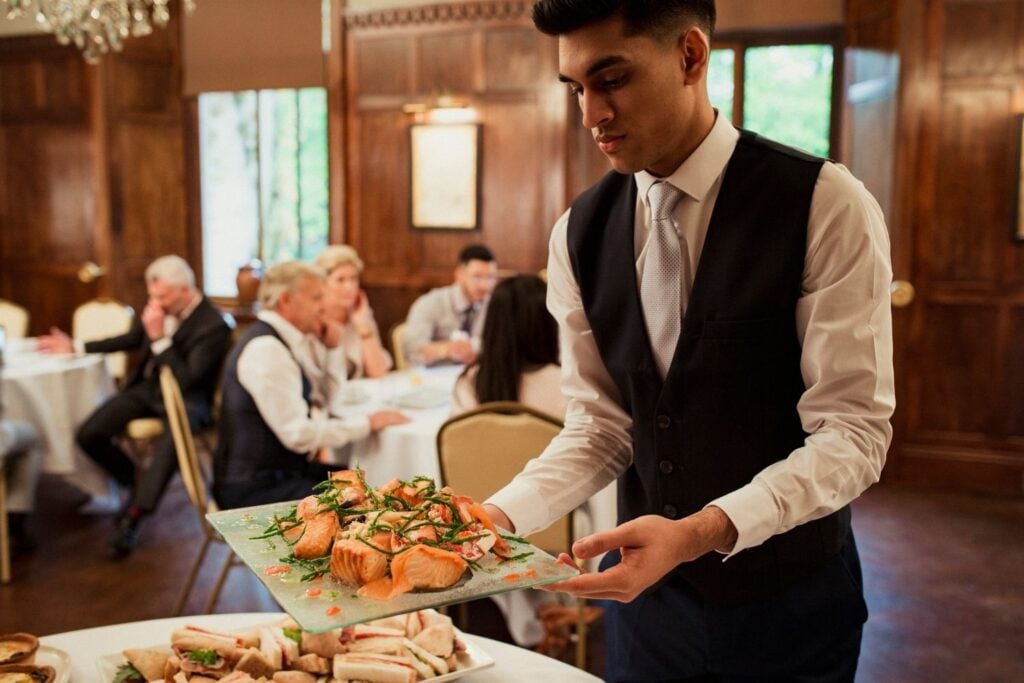
From ordering habits to tipping styles, restaurant servers have long noticed patterns among diners of different generations. Middle-class Baby Boomers tend to bring a set of familiar behaviors to the table, often shaped by decades of shared dining experiences. These habits aren’t universal nor fixed, but they frequently add up to a recognizable rhythm. For younger diners or curious observers, spotting these patterns can reveal how culture and comfort often play out over dinner.
1. Always requesting bread before even looking at the menu.
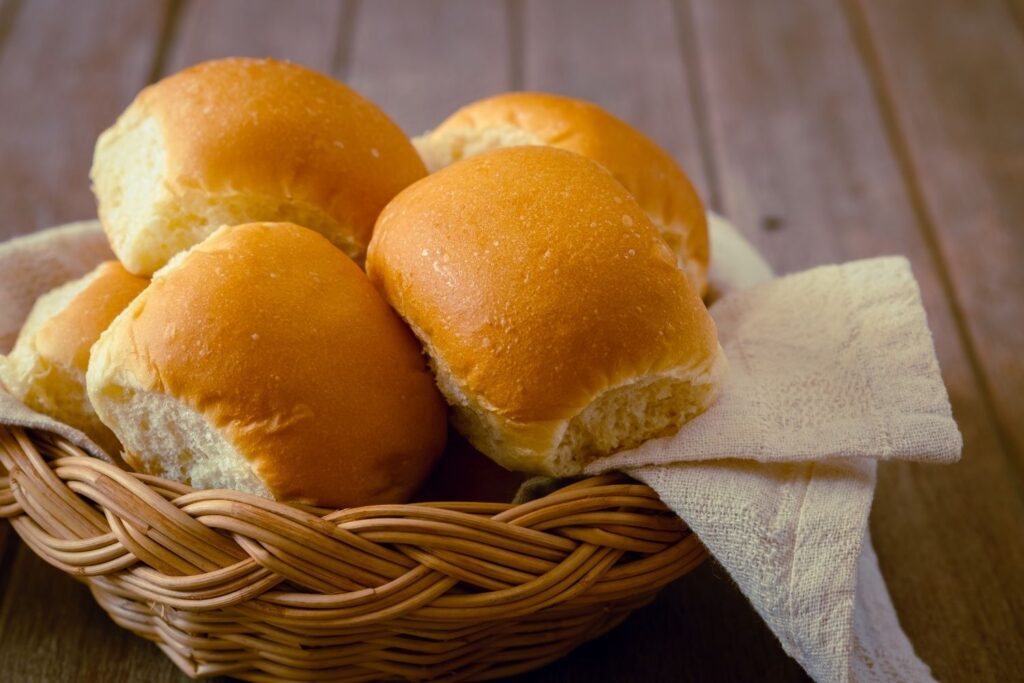
Many Baby Boomers grew up when restaurant meals began with a bread basket—warm rolls in a wicker bowl, butter in foil-wrapped pats. That early cue often triggers an automatic expectation. Some request bread immediately, before browsing the menu or ordering drinks.
Servers note that this habit can signal a desire for comfort over novelty, or a preference shaped by decades of dining norms. While not unique to Boomers, the bread-first instinct tends to appear more among this group, especially at casual family-owned spots or chain restaurants they’ve frequented for years.
2. Leaving a tip in cash instead of adding it to the card.

Cash tips remain a trust marker for many Boomers, who see physical money as more reliable and personal. A folded $10 bill slipped under a water glass feels direct, even courteous, compared to a number typed on a screen.
Though restaurant systems track electronic tips seamlessly, older diners may still believe staff get cash faster or avoid having to wait for payroll. Servers often recognize this habit as generational, tied less to tech aversion and more to cultural rhythms formed before mobile payment became routine.
3. Asking for water with lemon at every sit-down meal.
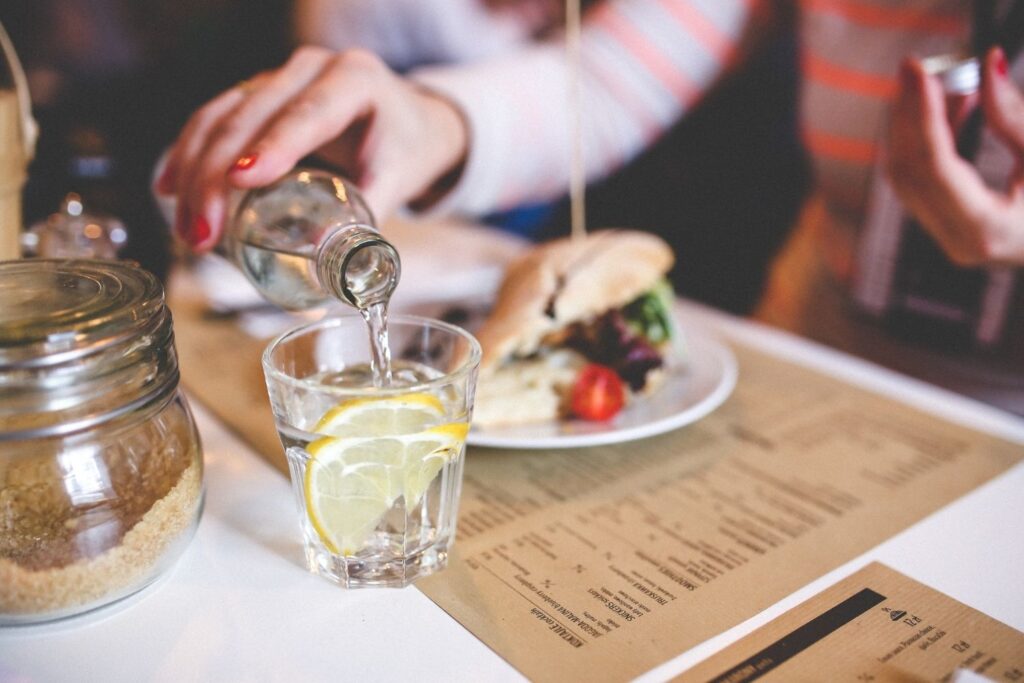
Ordering water with lemon serves both as hydration and habit. Among Boomers, the request often comes automatically—before coffee, before wine—as if it belongs to the rhythm of dining out. Sharp wedges of lemon floating in ice water evoke decades of simple table service.
While younger diners may focus on sparkling varieties or skip water entirely, Boomers often treat water with lemon as a baseline amenity. It’s a small, consistent detail that servers come to track quickly, often prepping lemon slices pre-shift at classic lunch spots and diners.
4. Referring to the server as “young man” or “young lady.”
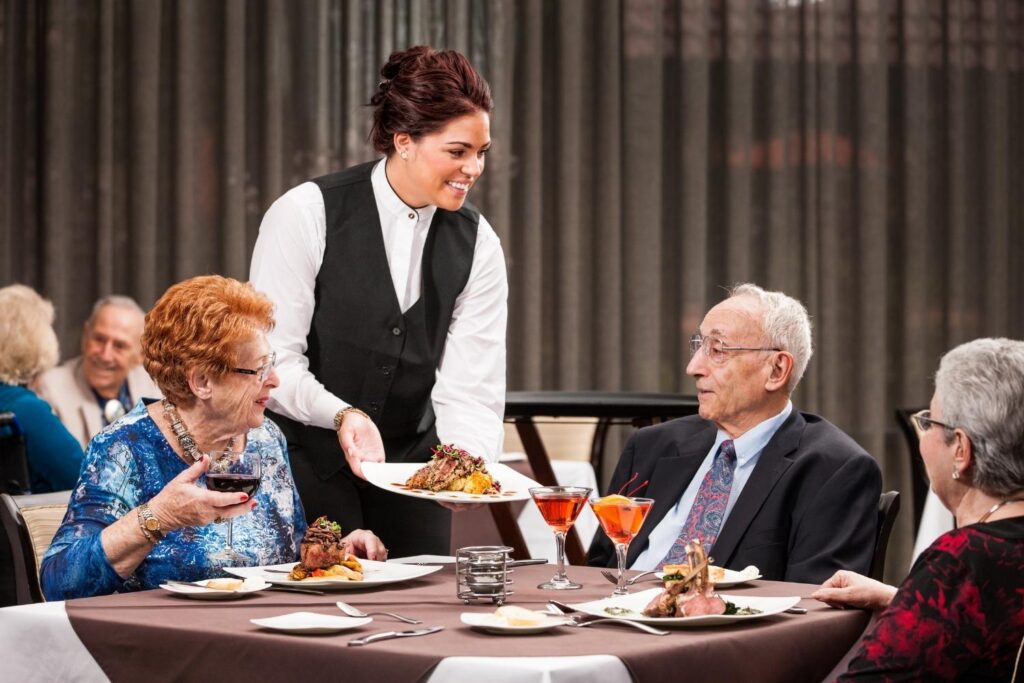
Terms like “young man” or “young lady” stem from a politeness formula common in midcentury America. Delivered with a smile, the phrase aims to strike a cordial tone, but servers report it as a frequent Boomer identifier.
Though not intended as demeaning, the language can land differently depending on generational cues. Many younger staff hear it through a lens of hierarchy or outdated etiquette, while Boomers often mean to convey warmth or respect, mirroring the formality they experienced as young diners themselves.
5. Insisting on splitting the bill evenly to avoid confusion.
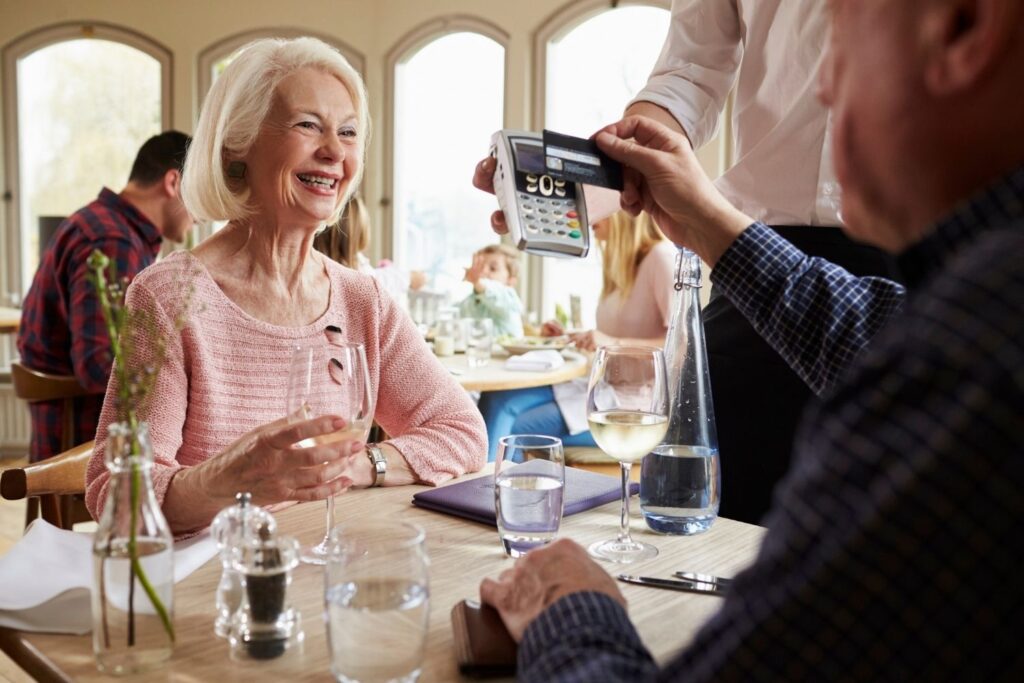
Evenly splitting the bill feels practical to many Boomers, especially in social settings where fairness trumps precision. Rather than calculate who ordered what, diners may suggest “let’s just divide it” to avoid lingering math or awkwardness at the table.
Servers spot this behavior most often among longtime friends or couples unconcerned with minor differences in meal price. While some younger groups use apps to split totals exactly, Boomers frequently default to this equal-share method, recalling business lunches or family dinners where the check was shared by default.
6. Commenting on portion sizes whether large or small.
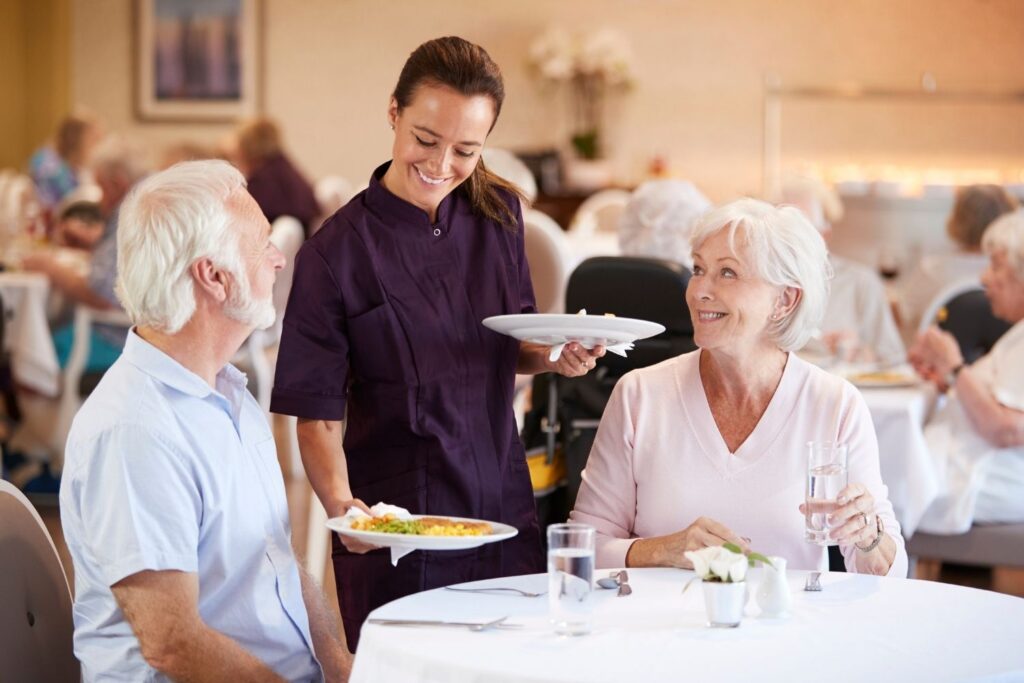
Noticing portion sizes comes from a lifetime of shifts in American dining. Boomers, who remember smaller servings from the 1960s, often remark when plates spill over with food—or arrive underwhelmingly light.
To servers, size comments can signal a diner’s expectations, shaped by past norms. A giant pile of pasta or a delicate filet might draw the same reaction: “This is a lot” or “That’s all?” The remarks may not indicate complaint, but stem from diners mentally comparing now to then.
7. Sending food back if it’s not hot enough upon arrival.
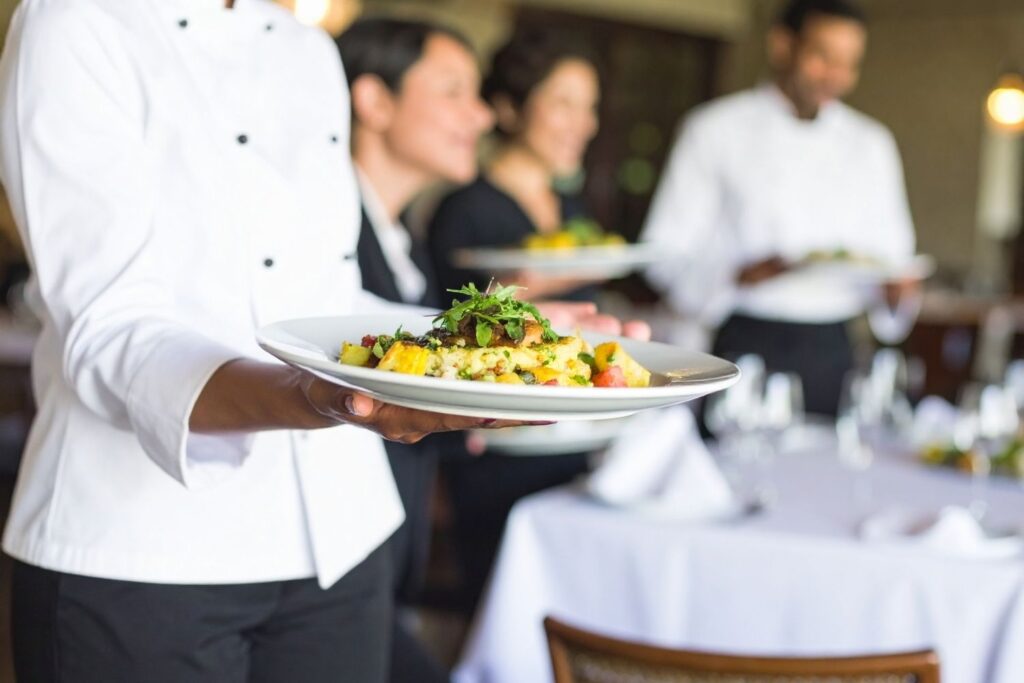
Sending food back stems from a deeply ingrained standard about meal temperature. For some Boomers, if a dish isn’t hot enough to produce steam or sting the tongue slightly, it feels undercooked—even when technically correct.
Servers recognize that this expectation ties back to home meals kept warm in the oven or to fine-dining conventions where hot plates indicated kitchen care. When a meal arrives lukewarm, some Boomers don’t hesitate to speak up—not rudely, but with the clarity of someone who’s paid for a proper dish.
8. Mentioning how prices have changed over the years.
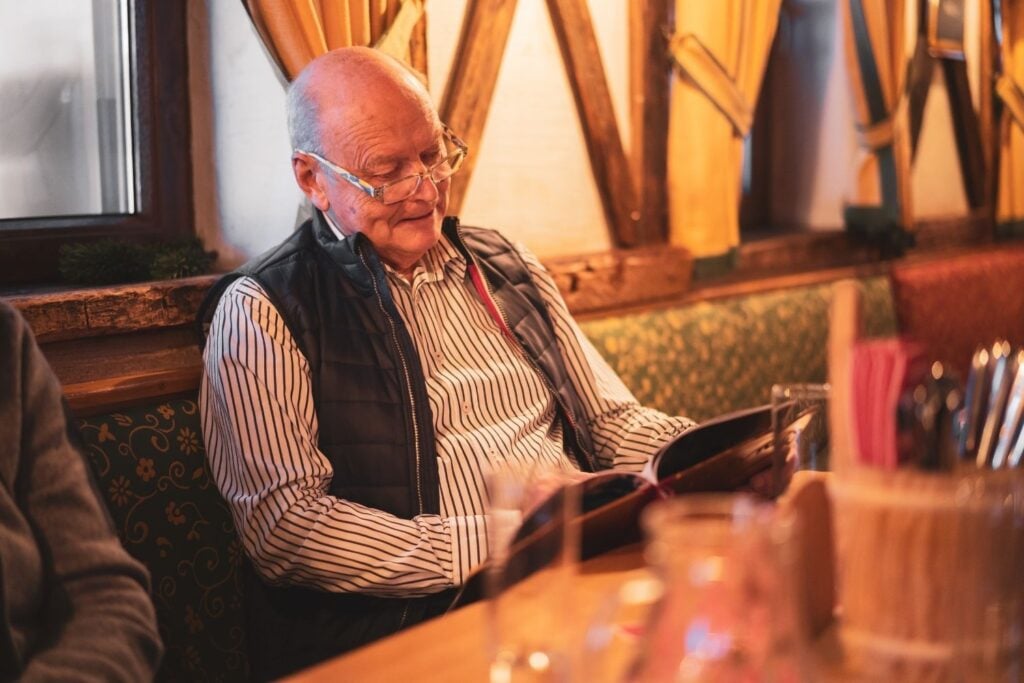
Reflecting on price shifts in restaurants often surfaces during casual conversation, especially when a familiar item seems steeper than expected. Boomers may mention how a sandwich once cost a fraction at the same chain forty years ago.
While younger diners rarely comment on vintage pricing, some Boomers use the topic to build rapport or reminisce aloud. Servers quickly clock these remarks as generational, less about current complaints and more about marking time through lived memory—like comparing gas prices or movie tickets from earlier decades.
9. Preferring to call in reservations rather than using an app.

Calling to make a dinner reservation reflects an era when social plans happened by phone. Many Boomers still prefer a calm voice and clear confirmation over app-based pings and dropdowns, especially when booking for a group.
Servers hear these calls frequently at neighborhood restaurants popular with older patrons. Rather than scroll for open slots, Boomers may want to ask about booth seating or verify a special. To staff, a phone reservation often suggests a customer who values conversation over convenience.
10. Asking for items no longer on the printed menu.
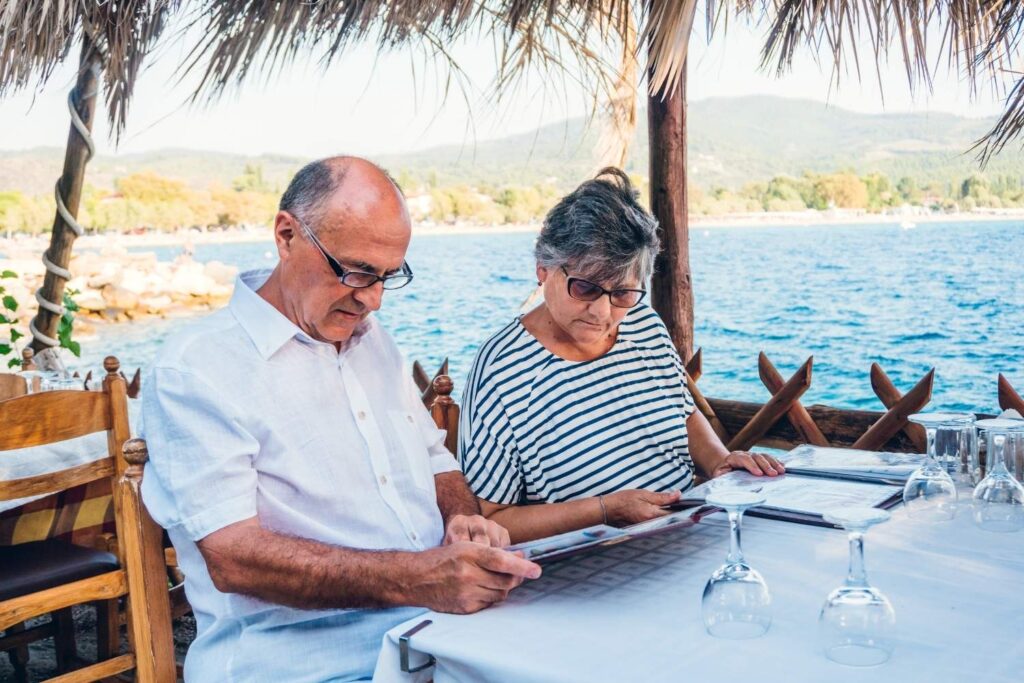
Requesting off-menu items isn’t always about habits—it can be about memory. Boomers sometimes ask for dishes they’ve enjoyed over the years, not realizing a menu has changed since their last visit.
Servers recognize the pattern: a request for trout almondine or baked Alaska from a once-regular now gone from the lineup. While availability varies, the request itself often signals a Boomer diner with strong attachments to specific meals, shaped by repetition and built-up expectation. It’s rarely pushy—just anchored in long-held taste.