
American history lives on through individuals who shaped its politics, culture, and collective conscience.
Some names in American history rise above timelines and textbooks, standing as symbols of transformation. From early independence to civil rights and cultural milestones, these individuals influenced not just their eras but future generations. Their stories reflect the complex, evolving nature of the country they helped define. Understanding their lives offers a clearer view of how personal choices and public action can steer national change and leave a lasting legacy.
1. John F. Kennedy challenged a generation to aim higher and serve courageously.
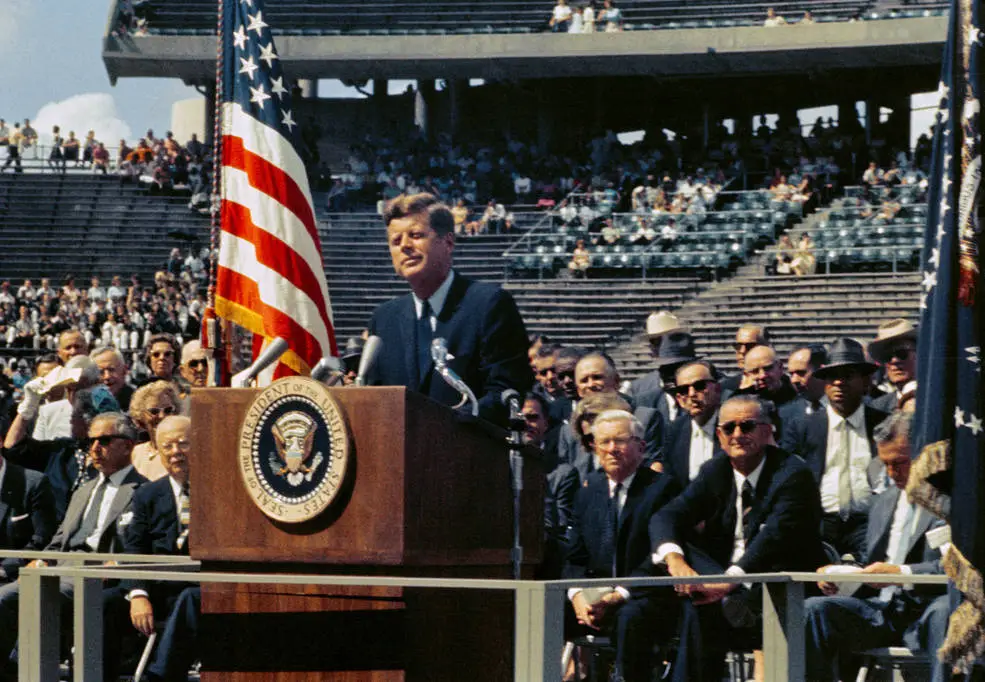
John F. Kennedy stood at a podium with swept hair and a Boston cadence, declaring a challenge to serve, explore, and reimagine national purpose. His proposals reached into space, civil rights, and international diplomacy before his presidency ended in Dallas.
Though his term was brief, his image and words persist in stone plazas and archival film reels. From the Peace Corps to the moon landing’s roots, echoes of his vision continue—sharp lines with a mid-century timbre that captured both wonder and risk.
2. Martin Luther King Jr. inspired change with powerful words and vision.

Martin Luther King Jr. delivered speeches that stirred not just crowds, but movements. With measured cadence and moral clarity, he became a leading voice in the civil rights era, urging peaceful resistance in the face of sustained injustice—from the bus boycotts to the steps of the Lincoln Memorial.
His message carried beyond podiums and pulpits, shaping both policy and conscience, even as violence and threat shadowed his work. From classroom posters to city street names, his legacy rests not in a single speech, but in the persistent call to dignity and nonviolence.
3. Rosa Parks stayed seated and stood up for civil rights everywhere.
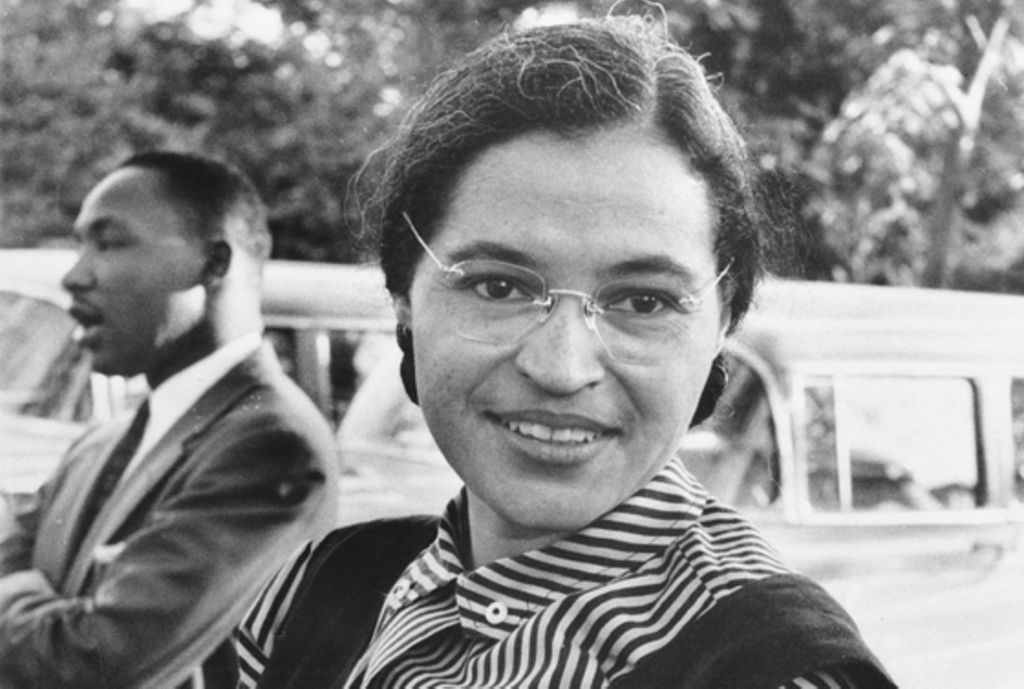
On a winter evening in Montgomery, Alabama, Rosa Parks sat in the front section of a racially segregated bus and quietly refused to move. Her arrest sparked a 381-day boycott that helped ignite a wider civil rights movement across the South and beyond.
Parks wasn’t new to activism—she trained at a social justice center and worked for the NAACP. Her calm resistance traveled far beyond the bus aisle, becoming a symbol of the day-to-day courage demanded by larger change, as enduring as the simple seams of her wool coat in police photos.
4. Abraham Lincoln guided a divided nation through its darkest civil conflict.
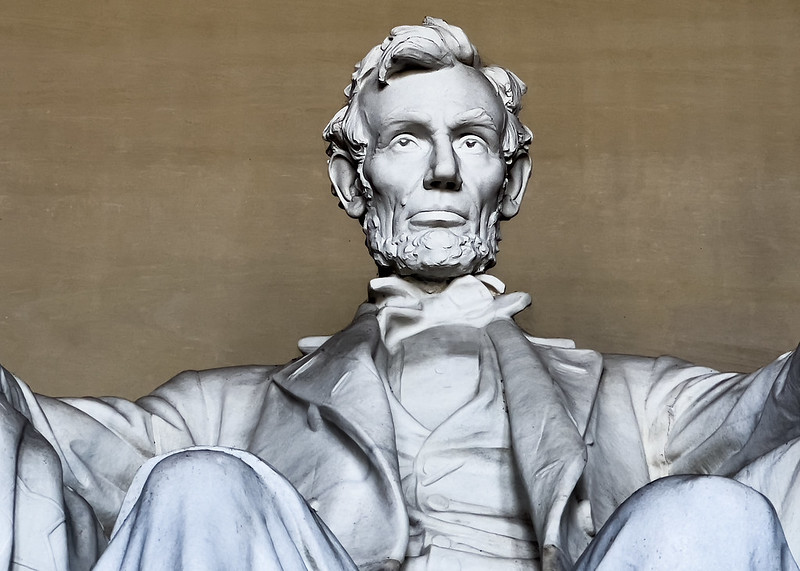
Facing secession and war after his election, Abraham Lincoln steadied the Union through speeches, proclamations, and battlefield strategy, preserving a divided nation during the Civil War. He issued the Emancipation Proclamation and championed the 13th Amendment, reshaping the country’s future before falling to an assassin’s bullet.
His leadership style—measured yet moral, grounded yet visionary—continues to shape American ideals of presidency. The Gettysburg Address, short enough to fit on a notecard, carved out a national ethic still recited today beneath marble columns and classroom walls.
5. Eleanor Roosevelt redefined the role of First Lady with compassion and strength.
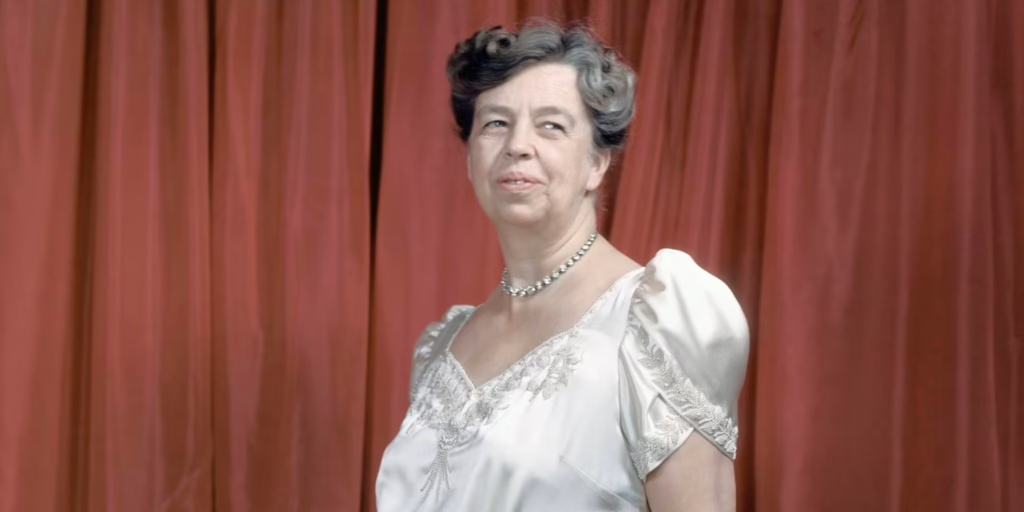
Eleanor Roosevelt hosted press briefings for women reporters, toured coal mines, and answered personal letters by the thousands. While her title was First Lady, she expanded it into an active platform for human rights, gender equality, and education reform during and after Franklin Roosevelt’s presidency.
She drafted parts of the Universal Declaration of Human Rights while chairing a committee at the newly formed United Nations. The fingerprints of her work remain in civic programs, international policy, and the sense that a public role can mean direct, visible engagement—not just dinners and handshakes.
6. Frederick Douglass turned his story into a lifelong fight for justice.
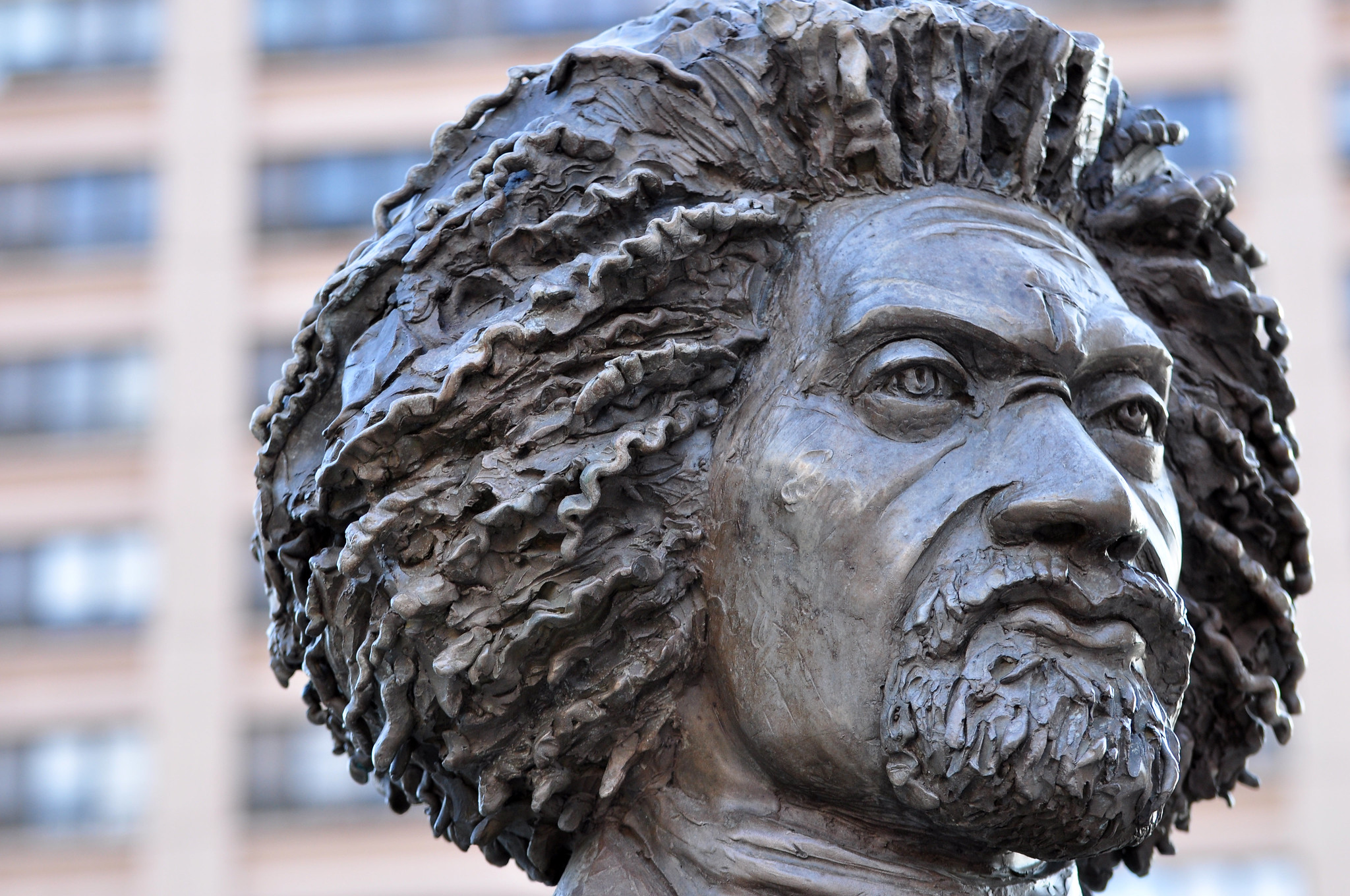
Born into slavery, Frederick Douglass taught himself to read using discarded newspapers and later escaped north, becoming a fierce abolitionist and writer. His autobiography cut through stereotypes with firsthand clarity, turning his life story into a political weapon against the institution he once survived.
Rather than resting on biography, he joined suffrage causes, advised presidents, and edited newspapers. His lightning-bolt speeches and print work helped frame Black citizenship as central—not secondary—to the American story, long before the terms civil rights and equality filled protest signs and headlines.
7. George Washington set lasting leadership standards as the country’s first president.
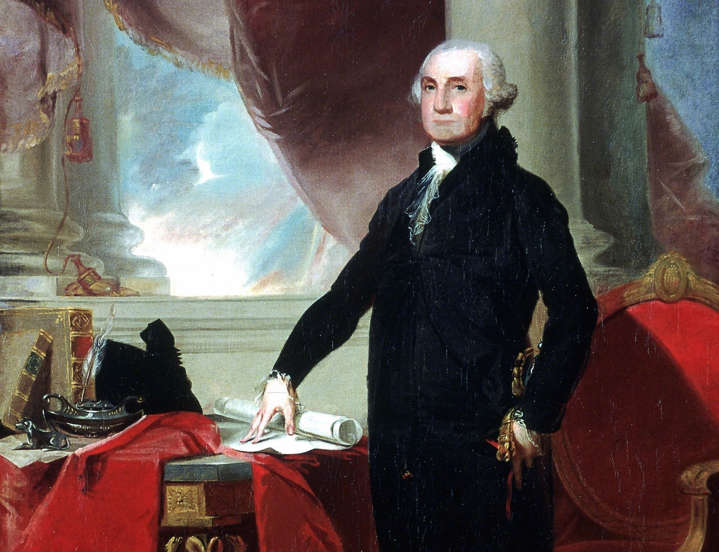
Elected unanimously, George Washington shaped the presidency without blueprint or precedent, declining royal trappings and setting traditions still followed today—like the peaceful transfer of power and the two-term limit. His leadership steadied a fragile republic uncertain of what came next.
Choosing substance over theater, he surrounded himself with conflicting thinkers and avoided entangling alliances. His farewell address still appears in civics textbooks and Senate readings, echoing gravel tones of calculated unity over short-term popularity. His choices cast a long outline over executive power.
8. Thomas Edison brightened the world with his relentless spirit of invention.
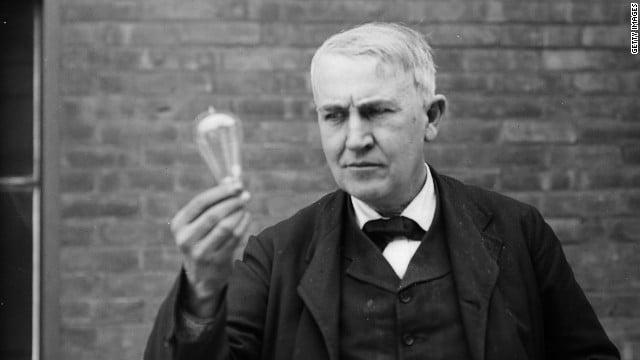
Thomas Edison secured over a thousand patents in his life, many tied to electric light and sound. From the phonograph to the incandescent bulb, his inventions didn’t just reshape technology—they altered how people worked, played, and communicated after sundown.
Step into any lit room after dusk, and his legacy hums there quietly. Though others contributed crucial discoveries, Edison’s laboratories in Menlo Park churned out products with wide appeal. His knack for improvement rather than raw invention built a culture where practical change trumped novelty, one socket at a time.
9. Sacagawea helped chart uncharted lands with grace, skill, and resilience.
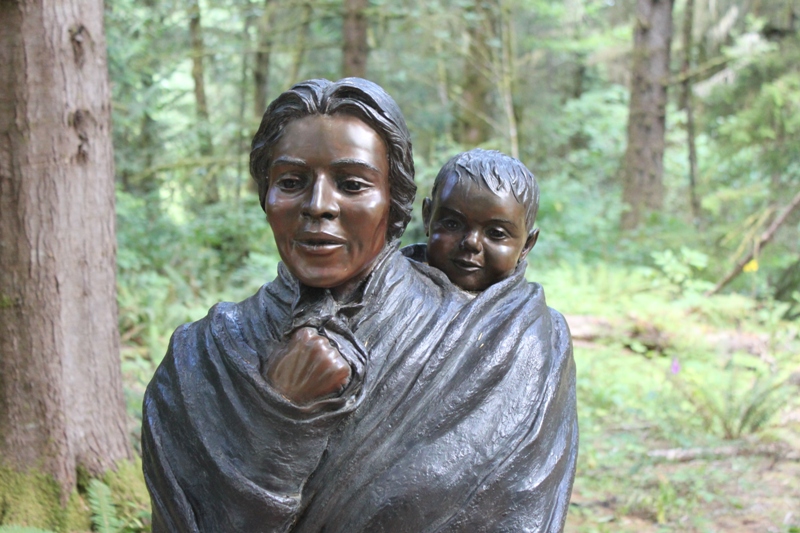
Sacagawea, a young Shoshone woman, joined the Lewis and Clark expedition as an interpreter and guide, carrying her infant son while helping the group cross unfamiliar territory. Her language skills and presence helped secure supplies and peace during tense encounters.
Choosing paths through mountain passes and deciphering plant life, she offered more than translation. Her poise amid rough terrain and unfamiliar cultures added calm and communication in environments where either could fail. Rivers, peaks, and statues now carry her name, marking where she once walked, signaled, and led.
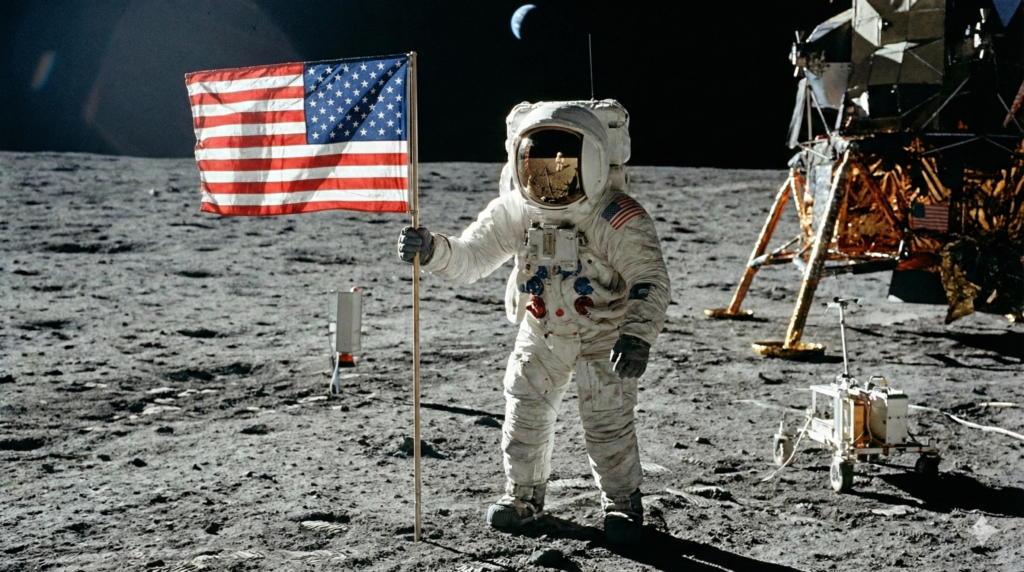
10. Neil Armstrong took a giant leap and sparked global awe and wonder.
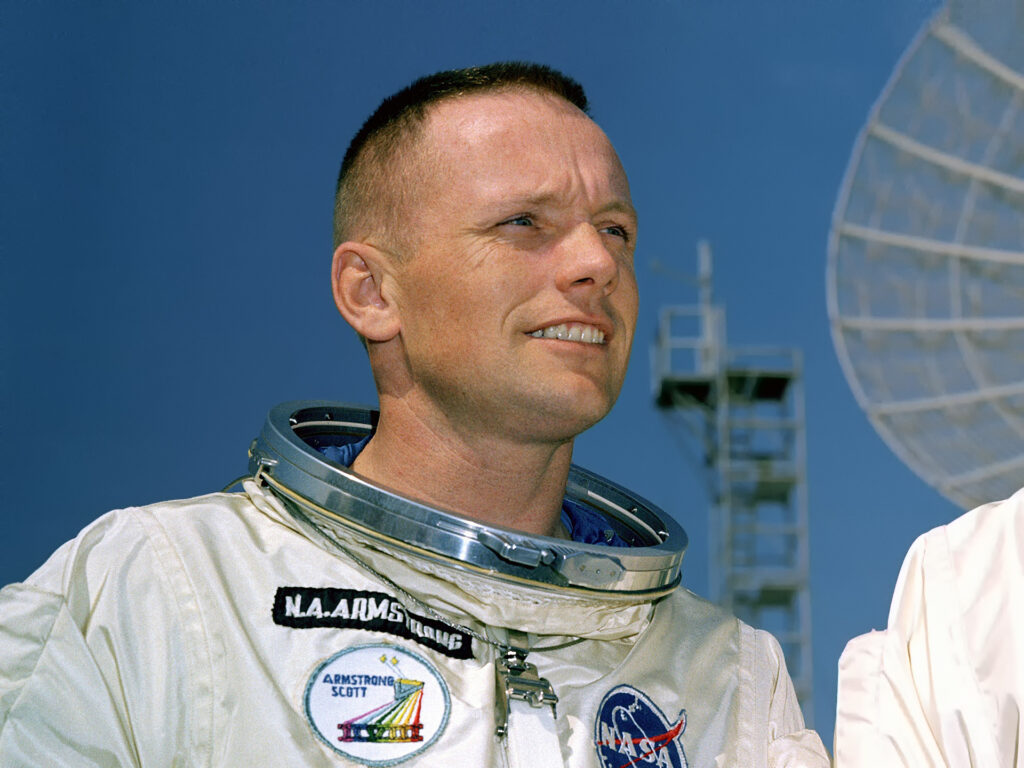
In 1969, Neil Armstrong descended from a lunar module and became the first human to step onto another world. His laconic words—spoken over a crackling link to Earth—carried the weight of a decade’s space race and years of quiet test flights.
He returned to Earth with rock samples and a quiet demeanor, declining the spotlight many expected him to claim. Armstrong’s precision and calm under pressure made him a symbol of human possibility during turbulent times, remembered less for fame than for flawlessly steering through layers of vacuum and flame.
11. Susan B. Anthony campaigned tirelessly for women’s right to vote and lead.
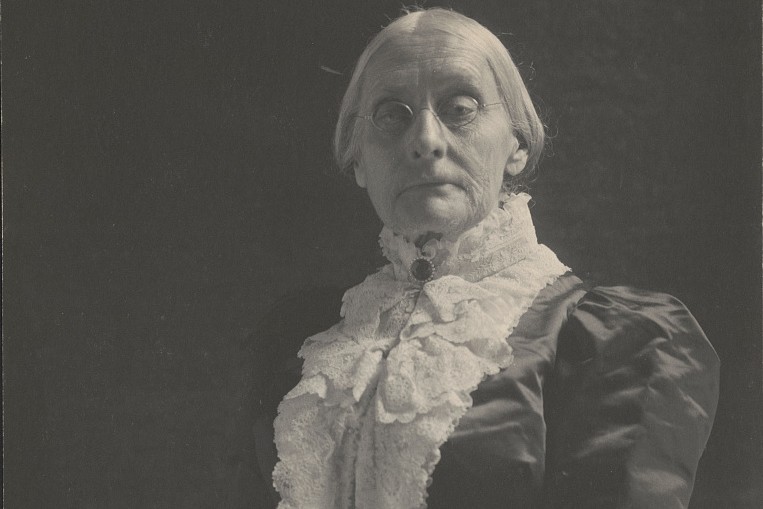
Susan B. Anthony organized petitions, delivered rallies, and co-published a women’s rights newspaper, arguing that equality included the ballot box. Arrested for trying to vote in 1872, she used the courtroom—and later Congress—as stages to assert full citizenship under the Constitution.
Long before her face appeared on coins, she documented names and stats, turning drawers of signatures into a movement. Though she didn’t live to see the 19th Amendment, her name remains nearly inseparable from the fight for suffrage—a thread stitched into both legal documents and crocheted banners alike.
12. Jackie Robinson broke baseball’s color barrier with quiet strength and resolve.
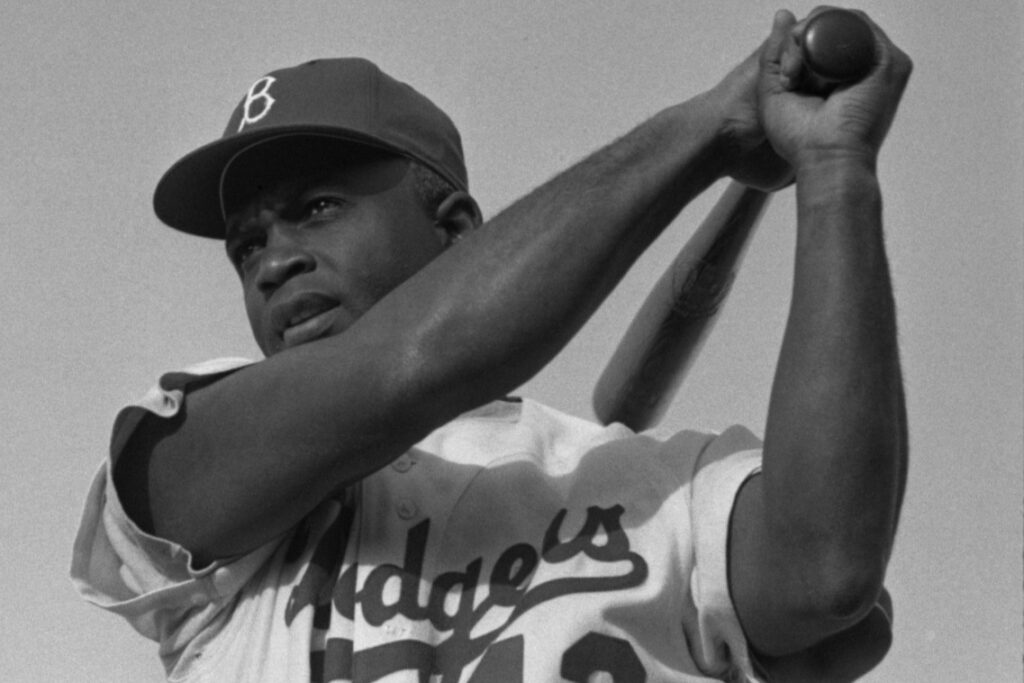
Jackie Robinson signed with the Brooklyn Dodgers in 1947 and became the first Black player in major league baseball in the modern era. He endured taunts and isolation with restraint, letting his performance—steals, hits, and double plays—speak through the noise.
His number 42 is now retired across all teams, not just for his stats but his resolve. What he faced on the field mirrored what many faced off it: quiet resistance in the face of daily barriers, woven into one of the country’s most visible pastimes.
13. Franklin D. Roosevelt led through crisis with calm resolve and lasting policy.

Franklin D. Roosevelt entered office during the Great Depression and led the U.S. through World War II, expanding federal programs and redefining government’s role in economic recovery and social welfare. His fireside chats calmed listeners adjusting radio dials in uncertain kitchens.
Though polio kept him seated, his leadership moved the country through sweeping reforms and global conflict. The policies he implemented still shape banking, labor laws, and public infrastructure—engraved more in systems and services than statues or speeches.
14. Harriet Tubman led enslaved people to freedom with unshakable courage.
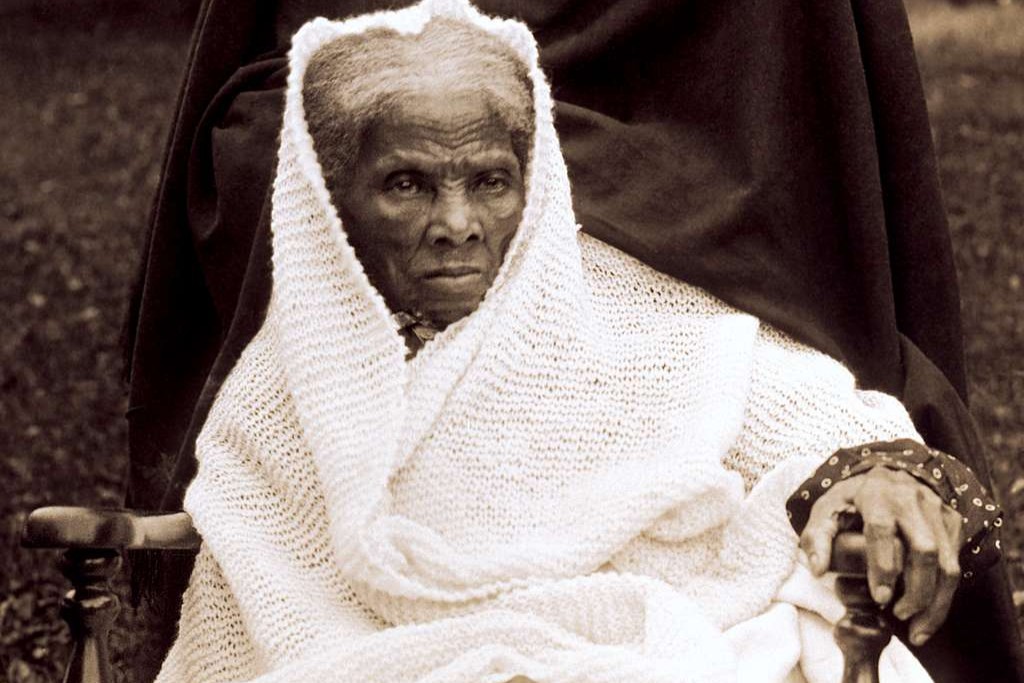
Born into slavery, Harriet Tubman escaped and returned south repeatedly over a decade, guiding more than 70 people to freedom on the Underground Railroad using the stars and secret codes. Her work risked capture or death, but she pressed on with resolve and deep instinct.
Rather than slowing down after the war, she served as a spy and nurse for the Union Army, later advocating for women’s rights and elderly care. Her legacy lives in schools, museums, and worn footpaths echoing the quiet bravery of someone who moved through brush and fear without hesitation.