
The battle between old and young isn’t new—it’s just human nature.

Every generation believes they did things the “right” way and struggles to understand why younger people do things differently. Older generations often shake their heads at younger ones, claiming they lack discipline, resilience, or common sense. Psychology shows that older adults tend to compare their current mature selves to young people’s earlier life stages, creating an unfair “apples-to-oranges” mismatch that highlights perceived failings. This leads to viewing modern youth as less competent in areas where elders have gained expertise, like hard work or responsibility
1. They believe their struggles were harder and more meaningful.

Older generations often feel they had to work harder for what they have. They grew up without the conveniences of modern technology, often holding multiple jobs, raising families with fewer resources, and facing challenges that shaped their resilience. Because they remember their own struggles so vividly.
This comparison leads to judgment, as they equate “hardship” with “character.” When younger people find success in new ways—like making money online, skipping college, or prioritizing work-life balance—it doesn’t always sit well with older folks who feel they had to sacrifice more. They see resilience as a badge of honor, making them skeptical of anyone who didn’t “earn it the hard way.”
2. Their brains resist new ways of thinking.
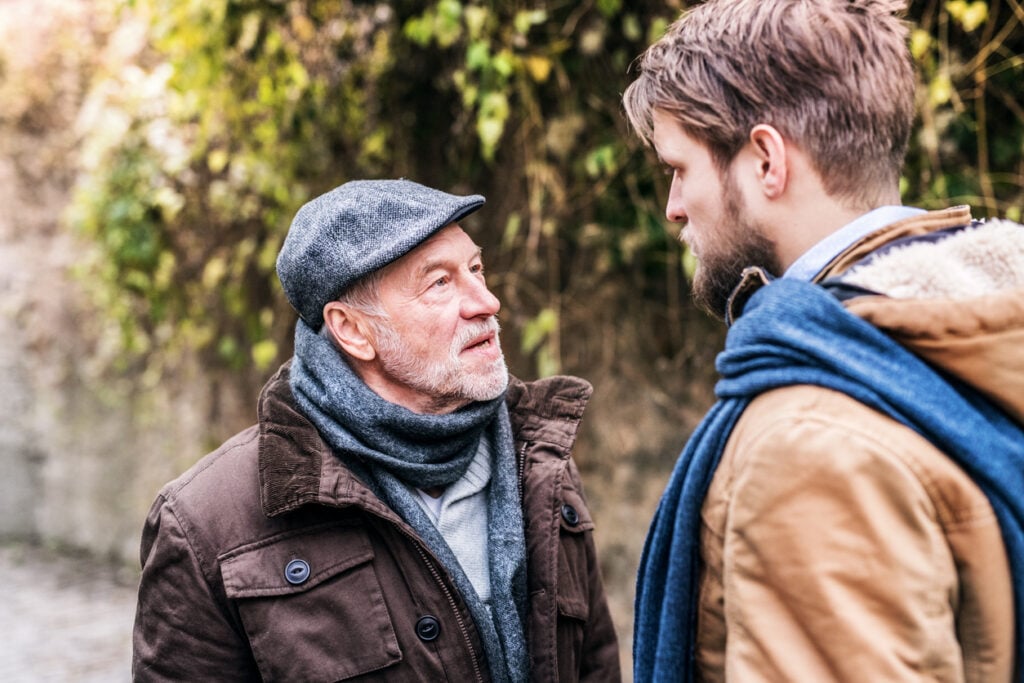
Cognitive psychology shows that as people age, their brains become less flexible when it comes to learning and accepting new ideas. The neural pathways they’ve reinforced over decades make it harder to adapt to rapid social and technological changes.
This isn’t about intelligence—it’s about cognitive comfort. The more familiar something is, the easier it is to process. So when younger generations embrace new lifestyles, communication styles, or work habits, older individuals naturally feel a disconnect. Their resistance isn’t just stubbornness; it’s a neurological preference for familiarity.
3. They feel like cultural values are slipping away.

Many older people believe in a set of core values—hard work, politeness, face-to-face communication—that shaped their upbringing. When younger generations embrace casual workplaces, online relationships, or relaxed social norms, it feels like a loss of structure.
Psychologists call this “value nostalgia,” where people romanticize the past and feel that society is moving in the wrong direction. The irony? Older generations were once judged the same way for their own rebellious shifts in culture. The cycle repeats, with each generation believing they upheld values that younger people are abandoning.
4. They see technological change as a loss, not an advancement.

Boomers and Gen Xers remember life before the internet, smartphones, and social media. While younger generations see these as tools for convenience and connection, older individuals often see them as barriers to genuine human interaction.
Psychology suggests that people develop emotional attachments to the way things were when they were young. So when technology replaces traditional experiences—like face-to-face conversations, handwritten letters, or even physical books—it feels like something valuable has been lost, not gained. This can lead to resentment toward younger generations who don’t share the same emotional attachment to these “lost” ways of life.
5. They associate youth with irresponsibility.

Many older people grew up with strict societal expectations—move out by a certain age, get married young, work one stable job for decades. When younger generations delay marriage, change careers frequently, or prioritize mental health over hustle culture, it’s easy for older individuals to interpret this as irresponsibility.
Social psychology research shows that people tend to judge those who live differently than they do. If someone believes they “grew up” by taking on early responsibilities, they’ll struggle to respect a younger generation that seems less rushed to settle down. To them, independence meant struggle, and struggle meant adulthood—so they can’t always see alternative paths as valid.
6. They assume younger people don’t appreciate what they have.

Because older generations lived through financial instability, economic recessions, or even wars, they often assume that younger people don’t appreciate how easy life is now. They see younger generations complaining about work-life balance, social issues, or mental health struggles and think, You don’t know how good you have it.
This perspective is called the “survivor bias”—a cognitive tendency to focus on past hardships while downplaying present struggles. The reality is that every generation faces different challenges. Just because younger people aren’t dealing with the same struggles doesn’t mean their problems aren’t real—but to older generations, it can feel that way.
7. They assume social media is ruining everything.

Older generations often see social media as a mindless distraction, responsible for everything from declining attention spans to eroding social skills. Because they didn’t grow up with it, they view it as an artificial way to connect.
Psychologically, this ties into “negativity bias,” where people focus more on the downsides of something unfamiliar rather than its benefits. They see viral trends, influencer culture, and online activism as shallow, forgetting that younger generations also use these platforms for meaningful work, relationships, and activism.
8. They mistake different communication styles for rudeness.

Generational differences in communication often lead to misunderstandings. Older individuals tend to value formalities—phone calls over texts, handwritten thank-you notes, and face-to-face conversations. Meanwhile, younger people favor efficiency—short texts, casual language, and digital-first interactions.
When these styles clash, older people may see younger generations as rude or disengaged. But psychological studies show that language and communication evolve over time, and what seems “disrespectful” to one generation is often just a shift in social norms.
9. They assume younger generations lack basic life skills.
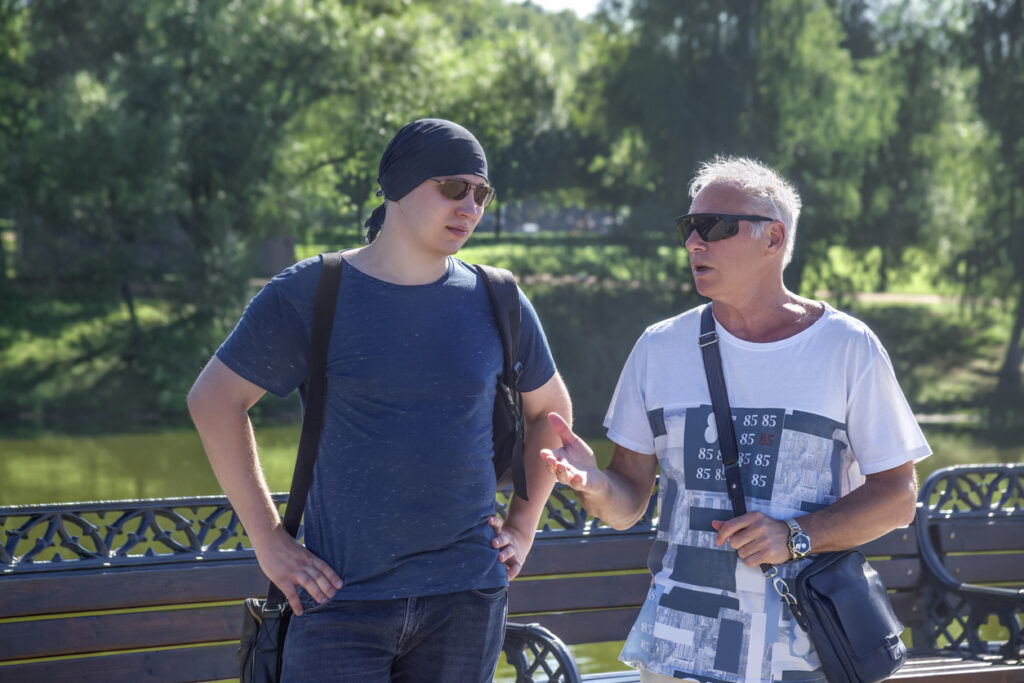
Many older people believe younger generations are too dependent on technology to solve basic problems. If a younger person doesn’t know how to change a tire, sew a button, or balance a checkbook, older individuals see this as a lack of self-sufficiency.
This assumption is called “generational myopia”—the belief that one’s own way of doing things is inherently superior. The reality is that younger generations have simply adapted to a different world. They might not fix their own appliances, but they can troubleshoot software issues that would leave some boomers completely stuck.
10. They feel left behind by a changing world.

As society evolves, older individuals often feel like they no longer recognize the world they once knew. Everything from gender norms to job markets has shifted dramatically in just a few decades, making it easy for them to feel out of place.
This sense of displacement can lead to resentment. Instead of acknowledging that change is natural, some interpret it as proof that the younger generation is ruining things. The truth is, society isn’t moving in the “wrong” direction—it’s just moving forward, as it always has.
11. They forget they were once judged the same way.

The most ironic reason older generations judge younger ones? They don’t realize they were once on the receiving end of the same criticism. Boomers were once called lazy and rebellious by their parents. Gen Xers were labeled cynical slackers. Every generation faces the same skepticism—it’s just part of how people process change.
Studies show that as people age, they tend to forget how much they questioned authority or embraced new ideas in their youth. They focus on their struggles and achievements, while forgetting they once defied expectations, too. The cycle of judgment continues, but at its core, it’s nothing new—it’s just history repeating itself.