
Americans and Brits may speak the same language, but these everyday objects tell a different story.

Talking to someone from the other side of the Atlantic can feel like stepping into a linguistic maze. Just when you think you understand English, you realize that everyday objects have completely different names depending on where you are. Some of these differences are logical, but others make no sense at all.
It’s not just about accents—these words can cause real confusion. If you’ve ever found yourself second-guessing a familiar word, you’re not alone. Here’s what makes British and American English so tricky.
1. Americans say “trunk,” but Brits call it a “boot.”
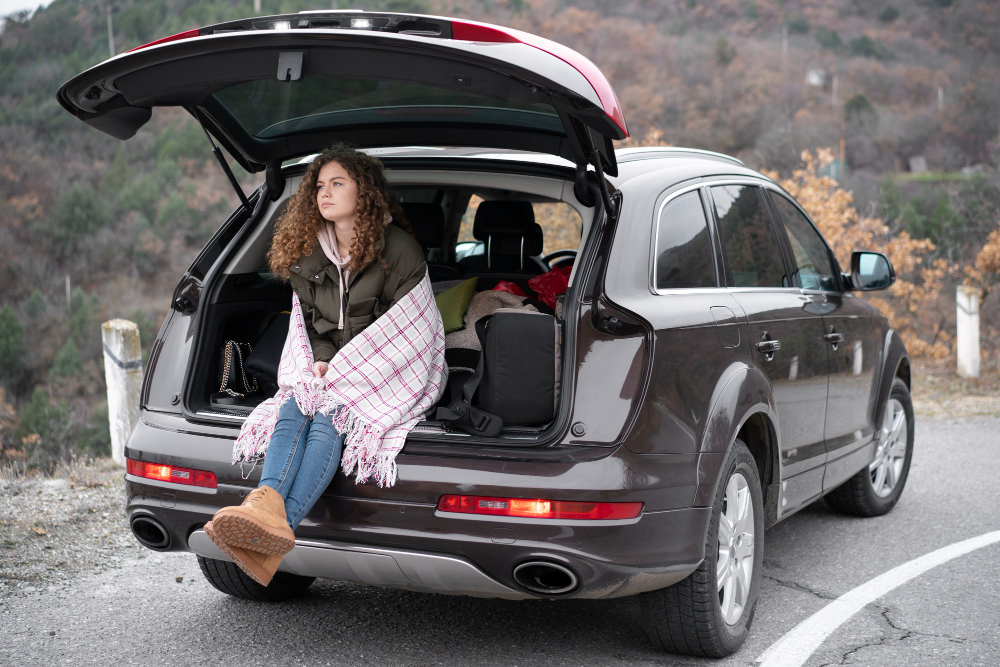
Pop open the trunk—or should we say, the boot? In the U.S., the back storage compartment of a car is always a trunk, but in the U.K., it’s a boot, which sounds a lot fancier than it really is. No, it’s not a place to store your shoes—it’s where Brits stash their groceries, luggage, and emergency supplies. If you ask for the trunk in London, you might get some confused looks. Just another way the same language takes different turns.
2. A “faucet” in the U.S. is a “tap” in the U.K.

Turn on the faucet in an American home, and water flows freely. Say “faucet” in a British household, though, and you might get a raised eyebrow. Over there, it’s simply called a tap. It makes sense—after all, you tap it to get water! While Americans picture something a bit more specific, Brits keep it simple. Whether you need to fill a glass, wash your hands, or do the dishes, the word choice depends on which side of the pond you’re on.
3. Need an elevator? Brits take the “lift.”

Press the button for the elevator—unless you’re in the U.K., where you’ll need to call for a lift. It’s one of those word swaps that actually makes sense. A lift lifts, right? While Americans rely on their “elevator” terminology, Brits prefer the more straightforward “lift.” Either way, both get you to the next floor. Just don’t be surprised if you ask for an elevator in London and get a polite nod of confusion in return.
4. Americans push a “shopping cart,” but Brits grab a “trolley.”

Head to an American grocery store, and you’ll grab a shopping cart. But in the U.K., that four-wheeled carrier is a trolley. It might conjure images of a streetcar in the U.S., but in Britain, a trolley is strictly for supermarket runs. And let’s be honest—no matter what you call it, those wheels never go in the direction you want. So whether you’re pushing a cart or a trolley, you’re still wrestling with the same wobbly frustration.
5. A “diaper” in the U.S. is a “nappy” in the U.K.

If an American baby needs a diaper change, parents rush to grab the essentials. But in the U.K., they’ll be reaching for a nappy. It’s a word difference that feels oddly fitting—“nappy” has a soft, comforting ring to it, while “diaper” sounds more clinical. No matter what you call it, every parent knows the real struggle isn’t the terminology—it’s surviving those diaper (or nappy) blowouts without losing your sanity.
6. A “cookie” in the U.S. is often a “biscuit” in the U.K.

Ask for a biscuit in America, and you’ll get a fluffy, buttery bread roll. Ask for one in the U.K., and you’ll be handed a crisp, sweet treat. In Britain, what Americans call cookies are simply biscuits. And if you’re craving an American biscuit overseas, good luck—they don’t exist in quite the same form. Just be careful with the word “biscuit” if you’re traveling, or you might end up with tea and a crunchy surprise instead of breakfast.
7. Brits eat “crisps,” but Americans eat “chips.”

Nothing confuses an American in the U.K. faster than ordering chips and getting fries. In Britain, what Americans call potato chips are actually crisps, while thick-cut fries are “chips.” Want the American version of chips? You’ll need to ask for “crisps.” It’s one of those food differences that can make ordering at a restaurant a little tricky. But no matter what you call them, they’re still salty, crunchy, and totally addictive.
8. “Gas” in the U.S. is “petrol” in the U.K.
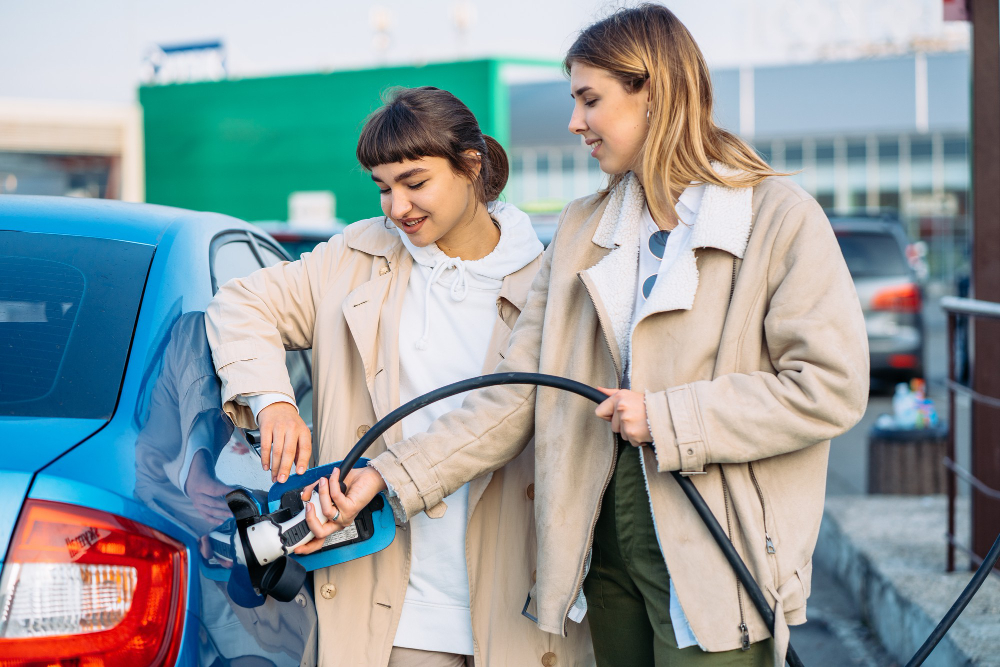
Pull up to an American gas station, and you’re filling up with gas. But in the U.K., you’ll need to ask for petrol. Makes sense, since gasoline is a petroleum product. Meanwhile, in Britain, “gas” just means what Americans call propane or natural gas. So don’t panic if someone in the U.K. tells you they’ve “run out of gas” in their home—they’re talking about heating, not a car stranded on the side of the road.
9. A “flashlight” in the U.S. is a “torch” in the U.K.

Need to light up a dark room? In America, you’d grab a flashlight. In Britain, though, it’s a torch. The word may sound like something out of medieval times, but rest assured, Brits aren’t carrying flaming sticks around. It’s just their way of describing a battery-powered light. And to be fair, “torch” does have a certain dramatic flair. Either way, whether you’re in a blackout or searching for something under the couch, both do the job.
10. Americans say “apartment,” but Brits say “flat.”

If you’re looking for a place to live, you’ll be renting an apartment in the U.S. and a flat in the U.K. The British term is pretty straightforward—a “flat” is a single-level living space, while “apartment” suggests a more structured housing unit. Either way, both words mean the same thing: a place where you pay rent, deal with noisy neighbors, and wonder why the rent keeps going up every year.
11. A “sweater” in the U.S. is a “jumper” in the U.K.

When the weather gets chilly, Americans pull on a sweater, while Brits grab a jumper. In the U.S., “jumper” refers to a sleeveless dress worn over a shirt, which is why the British version can sound confusing. But in the U.K., a jumper is simply a cozy knit top. So if someone in London tells you to wear a jumper, don’t panic—you’re not being asked to change into a school uniform.
12. The “sidewalk” in America is the “pavement” in Britain.

Walking down the sidewalk sounds perfectly normal in the U.S., but in the U.K., you’d be strolling along the pavement. This one can be a bit tricky since “pavement” in America usually refers to the road itself. Brits, however, use it to mean the designated walking area beside the road. So if an American says they’re “walking on the pavement” in the U.K., they might get some concerned looks.
13. Americans go on “vacation,” while Brits take a “holiday.”

Planning a getaway? In America, that’s a vacation. In the U.K., it’s a holiday. And no, this doesn’t mean Brits are only traveling during Christmas or Easter—”holiday” simply refers to any trip or time off. Meanwhile, in the U.S., “holiday” usually means a nationally recognized day like Thanksgiving. So if a Brit says they’re “on holiday,” don’t assume they’re celebrating—it just means they’re probably sipping cocktails somewhere far from home.
14. A “trash can” in the U.S. is a “bin” in the U.K.
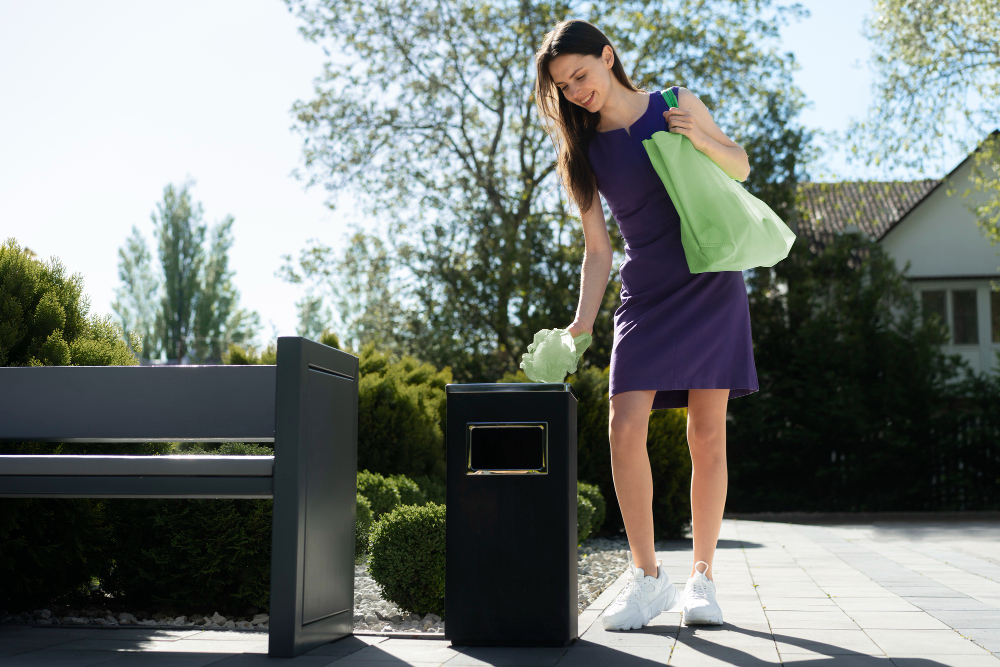
Throw something away in America, and it goes in the trash can. In the U.K., it goes in the bin. It’s a simple swap, but it can cause confusion if you’re asking where to toss your garbage. Brits also say “rubbish” instead of trash, which makes everything sound a little more refined. No matter what you call it, the end result is the same—taking out the trash (or rubbish) is still one of the least exciting chores ever.