If You Feel Lost After Losing Someone You Love, Don’t Ignore These 11 Coping Tools

It’s shocking how many older people make their grief harder than it needs to be by overlooking these simple strategies to heal.

©Image license via iStock

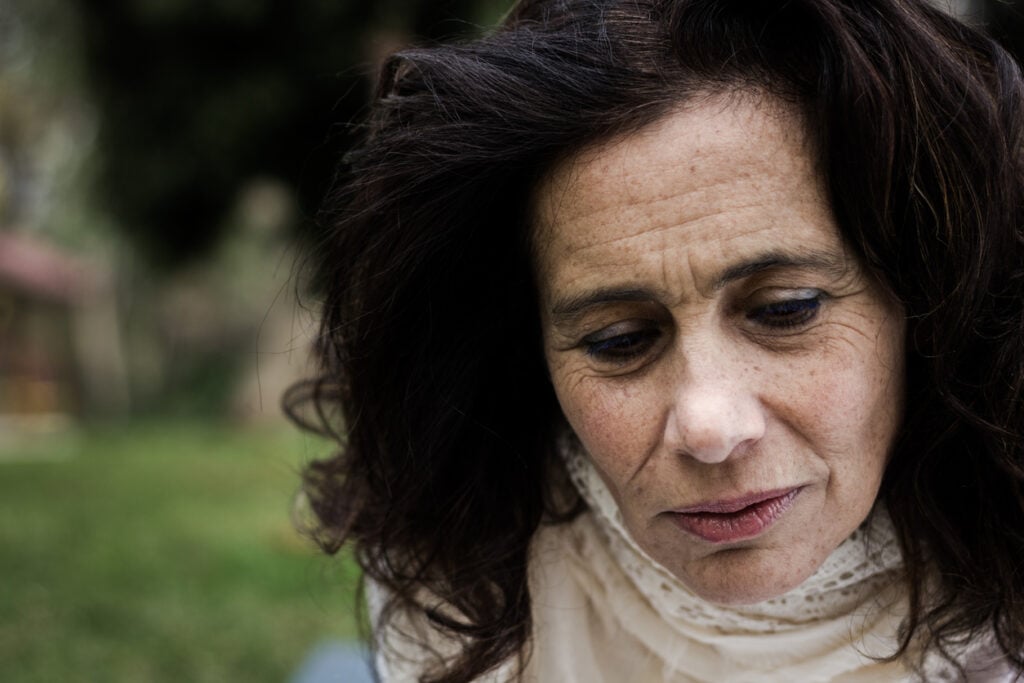
Losing someone close to you can be a tidal wave that upends everything familiar. The routines that once gave your days structure suddenly feel hollow. A song, a scent, or even a moment of silence can trigger waves of emotion that leave you feeling lost and unsteady. It’s a heavy burden, and too many older adults struggle in silence, unsure of how to ease the ache in their hearts.

What’s worse is that some people unintentionally prolong their grief by ignoring simple yet powerful tools that could make the healing journey a little more bearable. It’s not about forgetting the person you lost—it’s about finding healthy ways to carry their memory while you rediscover your footing. These 11 tools offer a path forward, one compassionate step at a time.

Read more

6 Ways To Check If You Are a Boomer Who Can Get Measles

Boomers are getting measles again—and it’s not for the reason you think.

©Image license via iStock

You probably grew up thinking measles was a childhood illness that got handled decades ago. And if you’re a Boomer, chances are you assumed your vaccine—or your bout with the virus—gave you lifelong protection. But with recent measles outbreaks popping up again, especially in areas with low vaccination rates, it might be time to double-check your status. Immunity isn’t always guaranteed, and not every Baby Boomer actually got the full protection they think they did.

If you’re over 60 and unsure, you’re not alone—but you are potentially at risk. Before you brush it off, take a minute to find out if your shield against this highly contagious virus is still holding strong.

Read more

10 Hilarious Ways Boomers Text That Make Gen Z Cringe and Laugh

Gen Z is begging boomers to stop texting like it’s still 1998—and it’s hilarious.

©Image license via iStock

You ever get a text from your parent that made you cringe so hard you nearly dropped your phone? You’re not alone—and Gen Z is collectively howling at the wild, weird, and wonderfully outdated ways Boomers still use their thumbs. From overly enthusiastic punctuation to baffling emoji combos, Boomer texting is a whole vibe—and not something anyone under 30 understands. If you’ve ever had to explain a meme to your dad, this one’s for you.

Read more

12 Old-School Social Norms Boomers Still Follow Religiously That Are Now Obsolete

Outdated social customs baby boomers still swear by.

©Image license via Shutterstock

Boomers grew up in a world where social etiquette was strict and widely followed. While some customs still make sense today, others have become relics of the past. Changing technology, shifting cultural norms, and new ways of communicating have rendered many of these once-mandatory behaviors unnecessary.

Yet, many boomers continue to abide by them, even as younger generations scratch their heads. Here are twelve social rules that boomers still follow religiously, despite their obsolescence.

Read more

These 13 Everyday Life Expenses Are Blowing Up Retirees’ Budgets

The hidden costs of daily living that drain retirement savings.

©Image license via iStock

Many retirees assume that once they stop working, their expenses will decrease. However, even without a mortgage or work-related costs, some everyday expenses chip away at their budget faster than they expect. What seems like a small, routine cost can add up significantly over time, leaving retirees wondering where their money went.

Here are 13 regular expenses that can quietly wreck a retirement budget.

Read more

Gen X Nailed These Life Skills—Millennials and Gen Z Are Struggling to Keep Up

Millennials and Gen Z are finally realizing they missed out on these essential skills that Gen X mastered with ease.

©Image license via Shutterstock

Gen X had it made. They grew up in a world where life skills weren’t optional—they were a necessity. No Google, no YouTube tutorials, just real-world experience and a whole lot of trial and error. Meanwhile, Millennials and Gen Z are realizing there are some key abilities they never quite nailed.

Whether it’s thanks to technology, shifting lifestyles, or just changing priorities, there’s a serious skills gap. So what exactly did Gen X master that younger generations now struggle with?

Read more

Scams Like’Pig Butchering’ Unequally Target and Steal From Retired Seniors

This sophisticated scam preys on more than just financial ignorance.

©Image license via iStock

A new and devastatingly effective form of online fraud, known as “pig butchering,” has emerged as a primary threat to the financial security of older Americans. The name comes from the scammer’s process of “fattening up the pig”—building a long-term, often romantic, relationship with a victim before convincing them to invest their life savings into a fraudulent cryptocurrency platform and disappearing.

While anyone can be a target, data from 2025 shows retired seniors are disproportionately victimized due to a specific combination of vulnerabilities that scammers are experts at exploiting.

Read more

13 Signs You’re In A Love-Hate Relationship With Your Husband

Navigate the ups and downs of life with a senior husband and uncover the balance between love, frustration, and lasting companionship.

©Image license via iStock

Feeling trapped in a love-hate relationship with your husband? Some days, you’re wrapped in warmth, appreciating the quiet companionship of your senior husband. Other days, every word he says grates on your nerves, and you question how the two of you ended up here. It’s confusing to swing between affection and resentment, between comfort and emotional chaos. Navigating these emotions can leave you feeling conflicted and wondering if the love you once shared is still enough.

Love-hate relationships are more common than you think, especially in long-term partnerships where patterns become deeply ingrained. If your marriage feels like an unpredictable storm with brief patches of peace, you’re not alone. These signs can help you recognize whether you’re stuck in this draining cycle—and give you some clarity about whether it’s worth holding on, or if it’s time to make a change for your own well-being.

Read more

13 Regrettable Qualities of a Senior Who Never Grew Out of Their Entitled Ways

A lifetime of entitlement can lead to isolation and regret in later years.

©Image license via iStock

You’ve probably met someone like this—an older person who never managed to let go of that deep-seated belief that the world owes them something. It’s hard to watch, especially because aging can be a time of deeper connection, wisdom, and emotional peace. But entitlement tends to steer people in the opposite direction. Instead of becoming more generous or understanding with age, they grow more demanding, bitter, and disconnected.

Entitled behavior doesn’t just affect the person acting that way—it ripples outward, impacting relationships with friends, family, caregivers, and even strangers. And in the later stages of life, when connection and support matter most, being difficult to deal with can leave someone shockingly alone. Here are 13 regrettable qualities often held by people who never outgrow their entitlement—and how those habits drive people away.

Read more

12 Real Issues Your Grandchildren Will Face That You Never Saw Coming

You won’t believe the shocking threats the next generation is up against until you see this list.

©Image license via iStock

You thought we had it rough when we were growing up? Between the Cold War drills, walking home without a phone, and limited job options, it seemed like we had our fair share of challenges. But even with all of that, the world we grew up in still felt more stable, more personal, and—believe it or not—simpler in so many ways. The pressures we dealt with, while real, were grounded in slower-moving trends and smaller-scale risks.

Our grandchildren are entering a world where the pace of change is dizzying, and the dangers are more subtle but deeply ingrained. They’re facing problems we never could’ve dreamed of—issues tied to the digital world, environmental collapse, and emotional overload. While we want to believe every generation adapts, what lies ahead for them isn’t just difficult—it’s frightening. Here are 12 terrifying realities they’ll be up against in their lifetime.

Read more

Subtle Friction That Shows Your Marriage Has Become a Cold, Loveless Arrangement

Know how to recognize if you’ve silently drifted from passionate partners to mere cohabitants.

©Image license via iStock

You might not even notice it happening at first, but over time, your once-vibrant marriage could quietly shift into something far less intimate. What once felt like a passionate bond can slowly turn into a practical arrangement—two people sharing space, managing responsibilities, but emotionally distant. It’s a subtle slide that begins with missed glances and ends with unfamiliar silences, making you feel like you’re living with a roommate rather than your life partner.

If you’ve been feeling a vague sense of dissatisfaction, or wondering where the connection went, it’s worth paying attention. These changes don’t usually come with fireworks—they arrive quietly, masked by routine and distraction. Recognizing the red flags now can help you reverse the drift before it becomes permanent. These 10 warning signs are more than just symptoms—they’re signals urging you to reconnect, repair, and rekindle the bond that once brought you together.

Read more

13 Ridiculous Etiquette Rules Boomers Were Forced to Follow as Teens

Back in the day, these etiquette rules were taken seriously, but now they just seem downright silly.

©Image license via Flickr

Teen life in the ‘60s came with a rulebook, and breaking the “proper” etiquette could get you side-eyed by adults in an instant. Growing up back then meant following a long list of social expectations that, looking back, seem more than a little ridiculous.

Boomers were taught to behave a certain way, dress a certain way, and even speak a certain way—all in the name of good manners. Some of these rules are so outdated, they’re almost laughable now.

Read more

I’m in My 60s and Hate Myself: 13 Reasons I’m Not Alone

Why self-doubt, regret, and self-criticism as you age are more common than you think.

©Image license via iStock

Ever catch yourself thinking, “I hate who I’ve become”? You’re far from alone—especially if you’ve reached your 60s. This chapter of life tends to stir up an emotional cocktail of regret, self-doubt, and even harsh self-criticism. For many, the pace of change in health, relationships, purpose, and identity hits harder than expected. The quiet space after retirement or after children have grown can leave room for unresolved feelings to echo louder than ever before.

But before you start to spiral, take a breath and remind yourself: countless people your age feel this way too. And there’s nothing inherently broken about you for having these thoughts. In fact, there are deeply human reasons why these emotions surface more frequently at this stage of life. The good news? You can confront and soften them with awareness, compassion, and some honest reflection.

Read more

Why Boomers Are Navigating Family Estrangement More Than Ever

Many boomers are choosing peace over toxic family dynamics.

©Image license via Shutterstock

Family estrangement among boomers is more common than ever, and it’s not always about dramatic blowouts or unforgivable betrayals. Sometimes, it’s the quiet, creeping realization that certain relationships bring more harm than joy. As people age, they tend to reassess what matters most, and if a family connection feels like a weight rather than a comfort, walking away can be an act of self-preservation.

Whatever the trigger, boomers are increasingly choosing their own well-being over the societal expectation to keep family ties intact at all costs. This shift is part of a larger trend of prioritizing mental and emotional health—even if that means stepping away from family.

Read more