
Boomers are getting measles again—and it’s not for the reason you think.

You probably grew up thinking measles was a childhood illness that got handled decades ago. And if you’re a Boomer, chances are you assumed your vaccine—or your bout with the virus—gave you lifelong protection. But with recent measles outbreaks popping up again, especially in areas with low vaccination rates, it might be time to double-check your status. Immunity isn’t always guaranteed, and not every Baby Boomer actually got the full protection they think they did.
If you’re over 60 and unsure, you’re not alone—but you are potentially at risk. Before you brush it off, take a minute to find out if your shield against this highly contagious virus is still holding strong.
1. You were born before 1957, but that doesn’t mean you’re 100% immune.

People born before 1957 are often told they’re in the clear because measles was so common back then. The logic? If you were alive during a time when outbreaks were everywhere, you probably caught the virus and developed natural immunity. But that assumption isn’t airtight. Not everyone got sick, and not everyone who did built lasting protection. If you’ve never had a blood test to confirm your immunity—or if you’re not even sure whether you ever had measles—it’s worth looking into.
Some people were lucky enough to avoid exposure as kids, and others might’ve had something milder that got misdiagnosed. Don’t rely on your birth year as a hall pass, as reported by Centers for Disease Control and Prevention. A quick lab test can confirm whether your body’s still ready to fight off the virus. If it’s not, there’s no shame in a booster—it’s a small jab for a big peace of mind.
2. You only got one dose of the vaccine and didn’t realize that’s not enough.
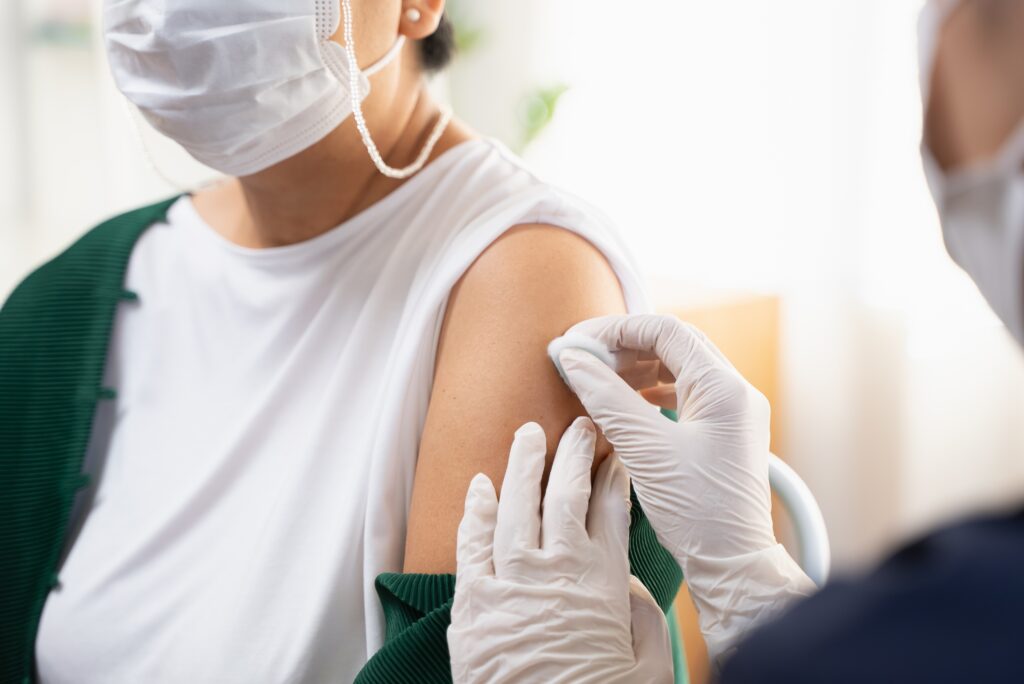
If you got your measles vaccine as a kid in the ’60s or early ’70s, there’s a chance you only received one dose. Back then, that was the standard—and for a while, it seemed fine. But over time, we learned one shot isn’t always enough. Roughly 5–10% of people don’t develop full immunity after the first dose, which is why a second dose became routine in 1989. So even if you did get vaccinated, you might still be walking around unprotected and not know it.
That’s the sneaky part. Most people don’t remember if they had one dose or two, and your doctor might not have it on record either. But don’t guess—ask for a simple blood test to check your titers. If your immunity’s low or nonexistent, you can get a booster, as per the Cleveland Clinic. It’s quick, cheap, and might prevent you from catching a disease you thought was in your past.
3. You were vaccinated before 1968 with a version that didn’t always work.

Here’s something not everyone knows: the earliest measles vaccine, used from 1963 to 1967, wasn’t very reliable. It was made with an inactivated virus, and while it seemed like it would do the trick, it didn’t offer long-term protection for everyone. In fact, many people who got that version never developed proper immunity.
If you were vaccinated during those years, you might be walking around thinking you’re protected when you’re not. And unfortunately, this isn’t something you can figure out just by how you feel—you need a blood test to be sure. If your titers come back low, you can easily get re-vaccinated with the more effective version we use today. It’s not about living in fear—it’s about patching a hole in your defense that you didn’t even know existed, as shared at Mayo Clinic. You were doing the right thing back then. Now it’s time to do the smart thing today.
4. You don’t have written proof of your vaccination—and your memory doesn’t count.

“Pretty sure” doesn’t cut it when it comes to measles protection. You might remember getting some shots back in the day, or maybe your parents told you that you had all your childhood vaccines. But unless you have written documentation or a digital medical record confirming both doses of the MMR vaccine (or proof you had measles), you can’t count on memory alone. That uncertainty matters, especially with outbreaks on the rise and the virus making a comeback in places you wouldn’t expect.
The good news is that you don’t have to play the guessing game forever. A quick blood test can confirm your immunity, or you can get re-vaccinated—no harm in doubling up if needed. Think of it like renewing your passport. If you’re traveling through life assuming you’re covered, make sure you actually have the paperwork to back it up.
5. You travel internationally and don’t realize how fast measles can spread.

If you’ve taken an overseas trip—or even thought about it—you might be more exposed to measles risk than you think. Some countries have much lower vaccination rates than the U.S., and outbreaks still pop up regularly in popular tourist spots. Airports and crowded planes are breeding grounds for highly contagious diseases, and measles is one of the worst. One infected traveler can spread the virus to dozens before showing symptoms.
And if your immunity isn’t solid, that dream vacation could become a nightmare. Many travel clinics recommend measles titer checks before international travel, especially for Boomers unsure about their vaccination history. It’s easy to overlook this step when planning a trip, but it could make all the difference. Being proactive doesn’t just protect you—it also helps protect everyone you come home to. Think of it as packing peace of mind along with your passport and sunscreen.
6. You’ve been near recent outbreaks and didn’t know how vulnerable you were.

You don’t have to live in a “high-risk area” to be at risk. Measles outbreaks often start in small pockets—an unvaccinated community, a crowded public event, a daycare center—and then spiral fast. If you’ve been to a concert, a cruise, a busy airport, or even just the grocery store during one of these outbreaks, you may have been closer to the virus than you realized. And here’s the kicker: measles can linger in the air for up to two hours after an infected person leaves.
So just walking through the wrong place at the wrong time could put you at risk if your immunity’s low. This is why double-checking your status is worth it—especially if you’ve been in or around an outbreak zone. You don’t have to panic. But you do have to be realistic. The virus is sneaky. Your protection shouldn’t be.