Discover the simple joys and timeless traditions that made Christmas pure magic for boomers.
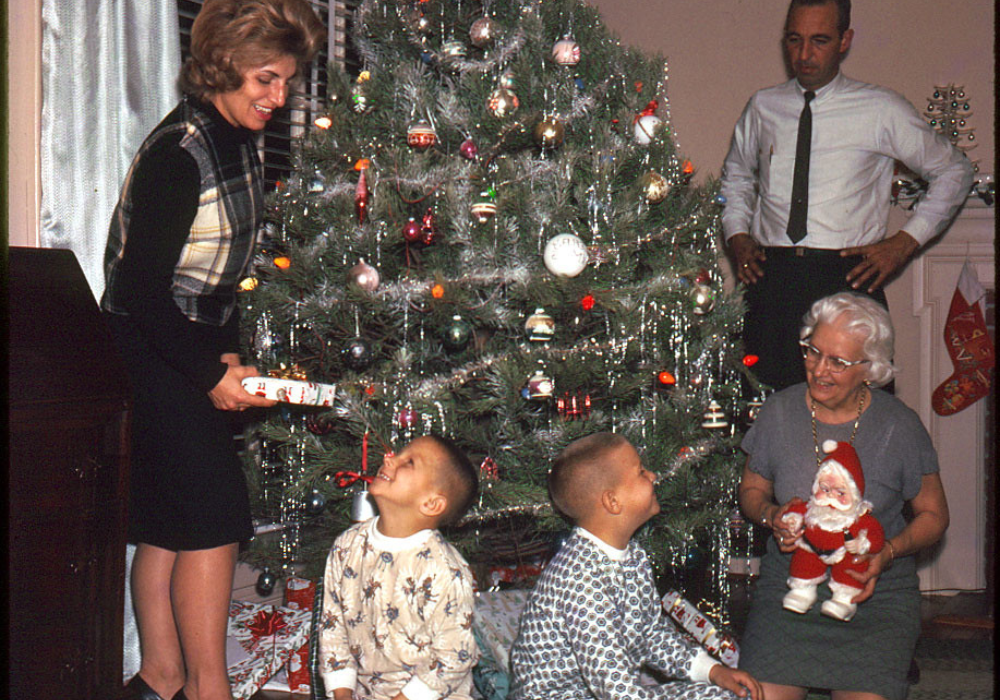
You’ll never convince a Boomer that today’s Christmases hold a candle to the magic of the ’50s and ’60s. Back then, it was all about tinsel-covered trees, caroling with friends, and waiting for Sears catalogs to deliver toy dreams.
Let’s take a nostalgic sleigh ride back to the holiday traditions that made growing up a boomer feel like pure magic.
Recent findings from a study led by University of Sydney and Universidad Europea show that walking in longer, continuous bouts—rather than brief, scattered strolls—reduces the risk of cardiovascular events and death. Participants who walked for at least 10–15 minutes in one stretch had markedly lower risks compared with those whose walks were under five minutes.
It turns out the body thrives on momentum: extending a walk into the 30-45-minute zone keeps the heart in a sustained training state, strengthens blood vessels, and teaches your metabolism to burn fuel more intelligently. Short strolls feel good—but longer walks reshape your cardiovascular baseline.
Many baby boomers are tightening belts ahead of market alarms, and tracking what disappears from their budgets reveals a pattern. Analysts suggest that older retirees tend to stop paying for non-essentials first when portfolios wobble. According to a recent article analyzing boomer spending habits, they become “pretty stingy” about personal luxuries when economic anxiety hits.
Here are ten expenses boomers often abandon early when the market turns—and what you should watch if your own nest egg is at risk.
You can tell a lot about a man not by how he acts on his best days, but by how he treats you when he’s not trying to impress you. In the beginning, it’s easy to brush off little jabs or dismissive comments. You might tell yourself he’s just stressed, tired, or not used to relationships. But deep down, you feel it—something’s off. The vibe isn’t warm, it’s cold. You don’t feel seen, you feel tolerated. And if you’re constantly making excuses for his attitude, ask yourself why.
Men don’t magically evolve into respectful partners after months—or years—of bad behavior. What you’re experiencing now is often a preview of what’s to come. If you ignore the signals early on, you’ll eventually find yourself stuck in something that chips away at your confidence. Pay attention. Because when a man shows you who he is, believing him isn’t bitterness—it’s self-respect.
If you were born in 1960 or later, you’ll need to wait until age 67 to claim full Social Security Retirement Benefits, a shift from the traditional age 65. According to official data from the Social Security Administration, full retirement age now varies by birth year—and for younger generations the threshold continues to rise.
These changes matter more than you think. They affect how much you’ll receive, when you should retire and how you should plan your savings and work years going forward.
Keep the blues at bay and make the most of a holiday without your children.
So, your adult kids can’t come home for the holidays—it stings, doesn’t it? But don’t let their absence steal your holiday joy. This is your chance to make the season special in new and unexpected ways.
From creative traditions to soul-filling connections, these 11 ideas will help you embrace the holidays with an open heart.
If time travel suddenly became possible, it wouldn’t just alter history—it would rewrite what we think about existence, morality, and even identity. The moment someone could step into the past or future, the world would lose its sense of linear certainty. Nothing would ever feel final again.
Every decision, mistake, and memory would gain a new kind of fragility, and humanity would have to decide what to do with that power.
Hitting your forties doesn’t mean slowing down, but it does mean paying closer attention. Small aches or unusual fatigue can signal much more than just getting older. The good news is that modern medicine is catching up fast, offering new ways to detect and prevent disease before it takes hold.
Understanding the warning signs—and the breakthroughs behind them—can literally add years to your life, not just days to your calendar.
Sweden has quietly perfected a model of senior living that keeps people in their homes longer, healthier, and happier. Instead of pushing older adults into institutional care, the country designs communities that support autonomy and connection. It’s not luck—it’s planning, policy, and respect for aging as a natural part of life.
Their approach redefines what it means to grow old, blending compassion with practicality in a way few nations have managed to match.
A major global health report has confirmed what experts feared: climate change is directly causing millions of preventable deaths each year. Rising heat, worsening air quality, and collapsing ecosystems are converging into a public health emergency that no longer hides behind distant forecasts.
These deaths aren’t random—they’re systemic, predictable, and avoidable. Each statistic represents a person lost to conditions humanity still has the power to control.
The beleaguered Social Security program is now projecting insolvency around late 2032, setting the stage for an automatic cut of roughly 24 percent in benefits unless lawmakers intervene. That looming drop could wipe out tens of thousands of dollars a year for couples retiring soon, turning what many assumed was a bedrock entitlement into a significant financial risk.
Here are the six most likely paths Congress might consider—and how they could reshape retirement for generations.
Millennial parents are breaking nearly every rule their own parents lived by. They’re questioning discipline styles, rethinking education, and prioritizing emotional intelligence over obedience. To boomers, it can look like chaos—or even weakness—but for millennials, it’s intentional. They’re raising kids in a different world, one that values empathy, inclusivity, and mental health as much as achievement. The generational clash is real, but beneath it lies something deeper: a shared hope for raising happier, healthier humans.
There’s something magical about a boomer family dinner—until someone mentions politics, taxes, or that one cousin who “doesn’t work.” Suddenly, the roast gets cold while voices rise and eye rolls become the evening’s soundtrack. Everyone at the table has a story, an opinion, and a memory that’s somehow more accurate than anyone else’s version.
The topics might sound innocent at first, but they’re time-tested grenades. All it takes is one comment to turn dinner into a full-blown debate no one wins.
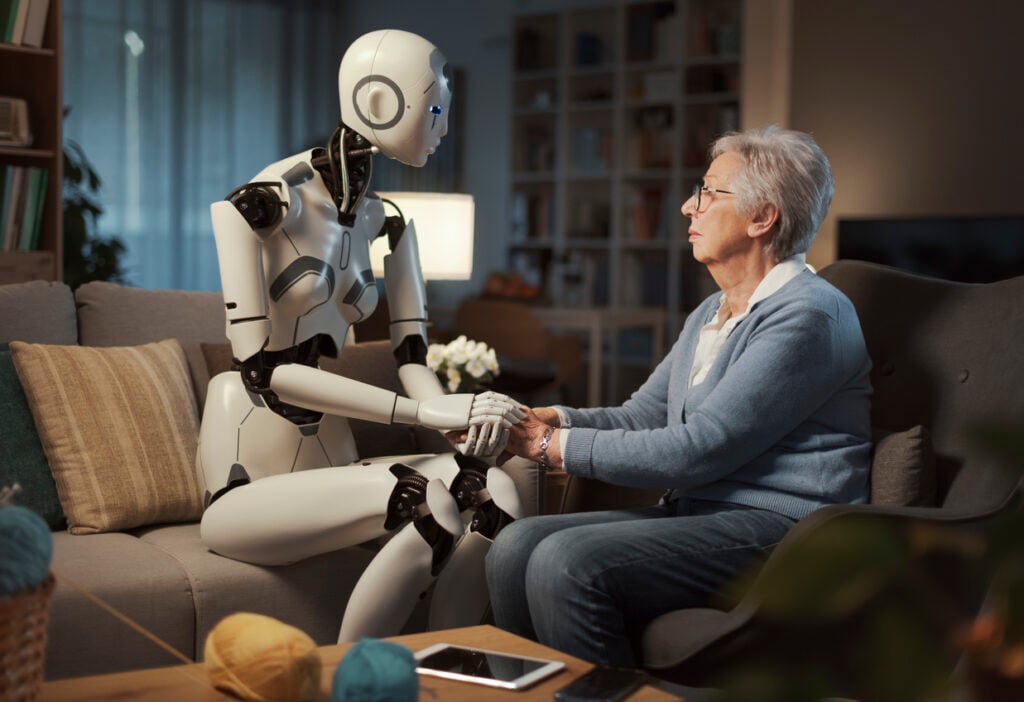
Imagine a world where growing older doesn’t mean losing independence, struggling with daily tasks, or feeling isolated. That future is closer than you think, thanks to artificial intelligence. AI is set to transform the way seniors live, offering solutions that will make aging not just easier but downright exciting.
From enhancing quality of life to redefining what’s possible in later years, the next decade will bring changes you never saw coming. Get ready—because the future of aging is about to get a serious upgrade.