
From gentle parenting to screen-time boundaries, millennials are rewriting the parenting playbook—and boomers aren’t sure what to make of it.

Millennial parents are breaking nearly every rule their own parents lived by. They’re questioning discipline styles, rethinking education, and prioritizing emotional intelligence over obedience. To boomers, it can look like chaos—or even weakness—but for millennials, it’s intentional. They’re raising kids in a different world, one that values empathy, inclusivity, and mental health as much as achievement. The generational clash is real, but beneath it lies something deeper: a shared hope for raising happier, healthier humans.
1. They’re choosing empathy over authority.

Boomers grew up believing respect was earned through discipline and control. Millennial parents, on the other hand, are building respect through empathy and communication. They focus on understanding their child’s emotions rather than enforcing strict obedience.
To boomers, this can look like letting kids “run the show,” but millennials see it as emotional coaching. They’re raising children who feel safe expressing themselves, even if it means fewer time-outs and more long talks about feelings. The result is a calmer home—though not always one their parents recognize.
2. They’re ditching the “because I said so” approach.

Boomers often relied on authority as the final word. Millennial parents prefer collaboration, encouraging kids to question, reason, and understand why rules exist. It’s a softer approach that prioritizes learning over compliance.
While boomers might view this as undermining parental control, millennials see it as preparation for real life. They want their kids to think critically and feel confident speaking up—not just follow orders. To them, curiosity isn’t defiance; it’s a sign of growth.
3. They’re prioritizing mental health early.

For boomers, therapy was taboo, and kids were expected to tough things out. Millennials are taking the opposite route—normalizing conversations about anxiety, emotions, and self-regulation from toddlerhood. They’re raising emotionally literate children, not just obedient ones.
This shift makes many boomer grandparents uncomfortable, especially when emotional needs take precedence over discipline. But for millennials, protecting their child’s mental well-being is non-negotiable. It’s not about coddling—it’s about creating resilience that comes from understanding, not suppression.
4. They’re setting boundaries with grandparents.

Boomers were used to being hands-on and often had strong opinions about how things “should” be done. Millennial parents, however, are drawing clear boundaries around their parenting choices—whether it’s food, discipline, or screen time.
This can cause tension when grandparents feel excluded or criticized. But millennials aren’t trying to reject their parents’ wisdom—they’re protecting their own consistency. They know mixed messages can confuse kids, and they’re learning to say “thanks, but we’ve got this” with kindness and conviction.
5. They’re rejecting outdated gender roles.
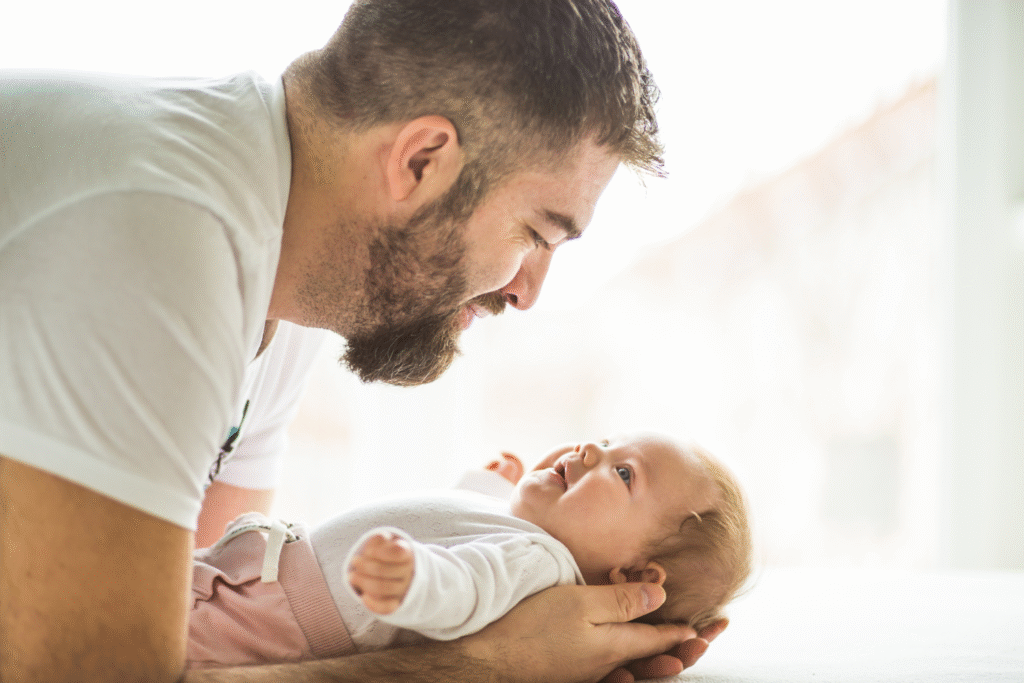
Millennials are raising kids in a world that values equality and fluidity. Dads are more involved, moms are less confined to traditional caregiving, and toys, clothes, and expectations are increasingly gender-neutral.
Boomers, who grew up with clearer divides, sometimes struggle to understand this shift. But for millennial parents, it’s about giving kids the freedom to define themselves without labels. They want their children to grow up without the same boxes that limited previous generations.
6. They’re rethinking discipline altogether.

Spanking, yelling, and punishment-based parenting are fading fast among millennials. They favor natural consequences, positive reinforcement, and patience over fear-based control. It’s not always easy—but it’s intentional.
Boomers may see it as too lenient, but millennials see it as forward-thinking. They believe kids learn best through understanding cause and effect, not shame or fear. For them, discipline is about teaching—not dominating.
7. They’re redefining what success means.
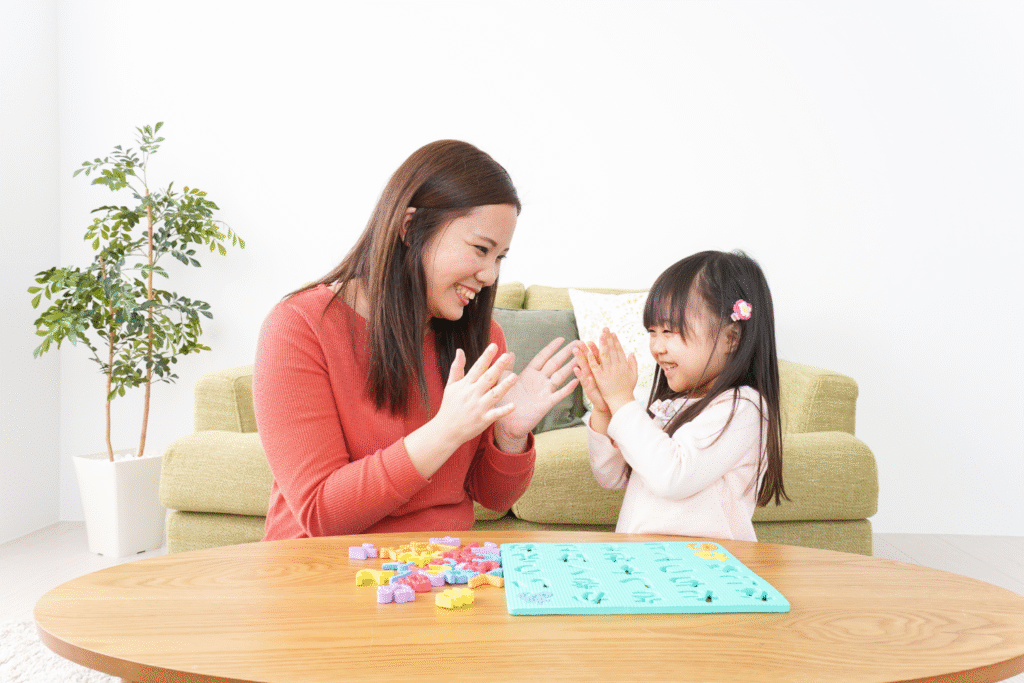
Boomers valued stability: a good job, a home, and a college degree. Millennials, shaped by economic uncertainty, are focusing more on creativity, adaptability, and happiness for their kids. They’d rather raise kind, curious humans than perfectionists chasing external approval.
This mindset can clash with boomer ideals of discipline and hard work. But millennials argue that resilience, emotional intelligence, and balance are the new markers of success in a changing world.
8. They’re saying no to constant comparison.
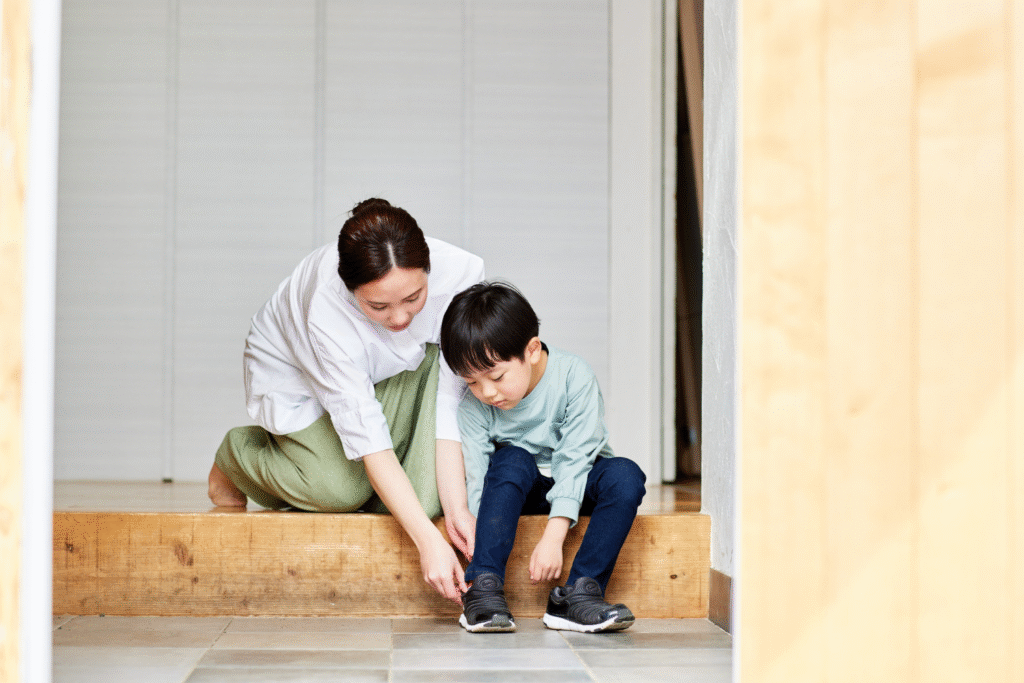
Boomer parents often gauged success through milestones—grades, sports, or achievements. Millennials are pushing back against that pressure. They’re less concerned with whether their child reads early or wins awards and more focused on fostering curiosity and self-worth.
That relaxed approach can frustrate boomers, who see it as lacking ambition. But millennials see childhood as sacred, not competitive. They’re redefining what “doing well” looks like—and for them, joy matters as much as progress.
9. They’re parenting with technology in mind.

Millennials are the first generation to raise kids entirely in the digital age. Instead of banning screens outright, they’re teaching balance—when and how to use technology responsibly. They’re creating structure without shame.
Boomers often see this as overcomplicating things. But millennials understand that social media and devices aren’t going away. Their goal isn’t control—it’s guidance. They want their kids to thrive in a wired world without losing touch with the real one.
10. They’re embracing imperfection—and admitting mistakes.

Boomers often felt pressure to appear in control and composed. Millennial parents are breaking that cycle by being open about their struggles. They’re more likely to admit when they lose patience or don’t have all the answers.
This honesty can unsettle older generations who value authority and certainty. But for millennials, it’s about authenticity. They want to model self-awareness, not perfection. By showing vulnerability, they’re teaching their kids that growth—not image—is what truly matters.