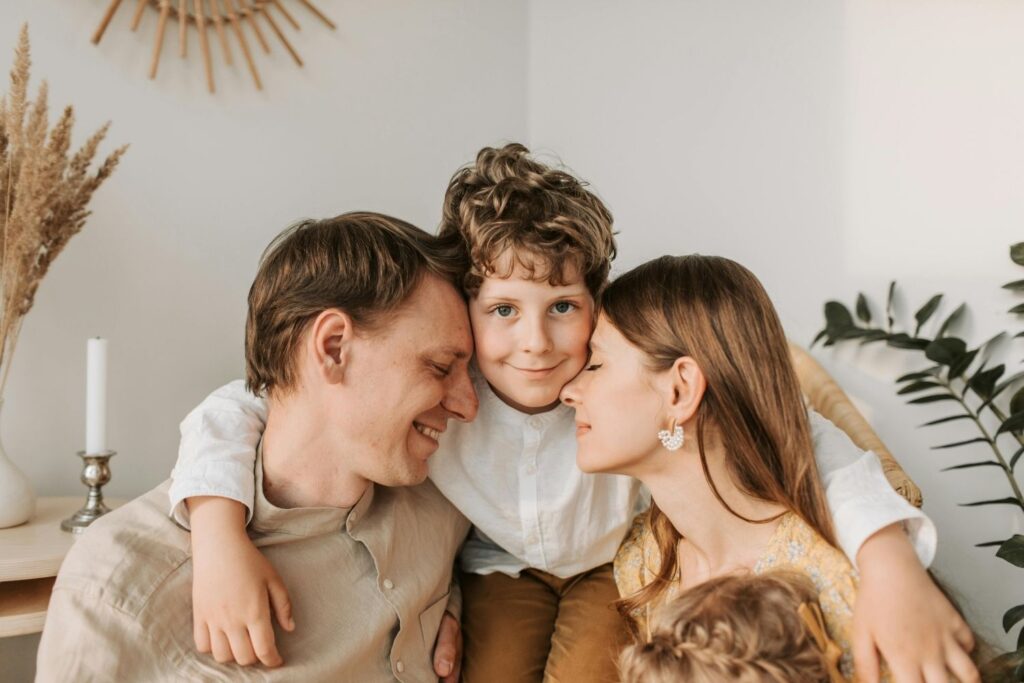
11 Things Entitled Young People Expect From Others That Make Them Hard to Be Around

Recognizing these behaviors can help create more balanced, empathetic, and respectful relationships over time.

©Image license via Freepik

Some young people may carry expectations that unintentionally put strain on their relationships and environments. While growing independence is part of adulthood, when paired with entitlement, it can create imbalances in communication, responsibility, and respect. Recognizing patterns like expecting constant praise or assuming unspoken favors helps build self-awareness and healthier connections. Understanding the difference between confidence and entitlement also encourages more thoughtful social dynamics rooted in empathy, accountability, and shared effort.

Read more

10 Boomer Money Mistakes That Still Left Them Richer Than Most Millennials

Baby Boomers made financial missteps, but timing and context still played in their favor

©Image license via Canva

Baby Boomers didn’t build wealth through flawless financial decisions. Many made choices that today’s advisors would caution against, yet they still amassed more assets than many Millennials. Their economic environment—marked by lower housing costs, stable employment, and accessible pensions—offered advantages that softened the impact of missteps. By understanding these differences, we see how wealth can grow through a mix of timing, consistency, and opportunity, even without perfect financial planning.

Read more

11 Boomer Complaints About Gen Z That Have Some Truth

Some generational critiques reflect deeper shifts in values, communication, and expectations between age groups.

Teal sofa interior, older man with gray beard centered arms crossed, soft daylight, documentary style, one person.
©Image license via iStock

Tensions between Boomers and Gen Z often center on lifestyle choices, work habits, and communication styles. While many of these criticisms stem from misunderstandings, some reflect real generational differences shaped by rapid cultural and technological change. Examining these concerns with context and empathy can reveal useful insights rather than stereotypes. Exploring why these complaints exist helps unpack broader shifts in how generations define success, connection, and respect in modern life.

Read more

The Coping Strategies People Use to Keep Going When Life Gets Tough

Resilience takes practice, but these small habits can help you show up for yourself daily

©Image license via Canva

Navigating emotional challenges is part of being human, but how we respond can shape our well-being. Coping strategies like creating routines, seeking support, and processing feelings equip us to face stress with more steadiness. Rather than avoid discomfort, these approaches help build resilience through presence, reflection, and connection. Whether you’re overwhelmed, grieving, or simply navigating life’s chaos, small habits can offer steady ground during even the roughest days.

Read more

Reason Why Some People Over 65 Choose to Keep Working That Aren’t About Money

Older adults often stay in the workforce to find structure, purpose, and continued connection.

©Image license via Canva

Retirement isn’t a one-size-fits-all decision, and for many people over 65, continuing to work offers more than just a paycheck. Whether it’s the need for routine, the desire for connection, or the drive to keep learning, older adults often find that work fulfills meaningful emotional and mental needs. Understanding these motivations can reshape how we view aging, purpose, and what it means to stay engaged later in life.

Read more

9 Types of Phrases That Seem Innocent But Actually Hide Cruel Intentions

These common phrases often sound harmless but quietly carry emotional sting, deflection, or control.

©Image license via Canva

Certain phrases can feel familiar or even polite on the surface, but their deeper messages tell a different story. Coated in casual language, these expressions often mask emotional manipulation, passive aggression, or even indirect control. Understanding what’s really being said can help you navigate conversations with more awareness and self-trust. The ability to recognize these verbal patterns is key to setting boundaries and maintaining healthier, more respectful communication in daily life.

Read more

8 Behaviors of Couples Who Are Just Going Through the Motions in Their Relationship

Recognizing patterns of emotional distance can help you reconnect before disconnection becomes the norm.

©Image license via Canva

Even the strongest partnerships can slowly shift into autopilot. When couples stop nurturing emotional intimacy, they may find themselves relying on routine rather than genuine connection. It’s not always obvious—many slipping points are subtle and quiet. From surface-level conversations to habitual distractions, recognizing early signs of distance in your relationship is vital. Noticing these behaviors is the first step toward making space for deeper communication, renewed closeness, and meaningful emotional support.

Read more

14 Everyday Things You Use That Have Different Names in the UK and the US

British and American English often name the same household items in surprisingly different ways

Light pink studio, man and woman close, matching reddish-brown shirts, soft light, editorial portrait style, people.
©Image license via iStock

Whether you’re traveling abroad or swapping stories online, language differences between British and American English can spark confusion over everyday objects. These names are more than quirks—they reflect cultural habits formed over generations. From pushchairs to flashlights, the words may change, but the items remain familiar. Learning the alternate terms adds a layer of clarity and can help you navigate conversations, shopping trips, or simple directions with a bit more ease.

Read more

13 Ways Boomers Accidentally Talk Down to People Without Realizing It

Avoiding certain phrases and habits can help boomers foster more respectful cross-generational conversations.

©Image license via iStock

Some everyday expressions and habits, often passed down through routine or tradition, can inadvertently come across as patronizing. Many Baby Boomers may not realize how certain ways of speaking feel to younger listeners. Even well-meaning advice or nostalgic stories can quietly signal condescension depending on tone or context. By becoming more mindful of language and delivery, it’s easier to maintain open, balanced conversations that honor experiences across generations without creating unintended barriers.

Read more

Parents Who Help Their Kids Feel These 9 Things Give Them the Best Start in Life

Emotional foundations like trust, joy, and resilience support a child’s lifelong learning and growth

©Image license via Canva

What children feel in their earliest years deeply shapes how they grow, relate, and learn. Beyond academic milestones or good behavior, it’s consistent emotional experiences that form the foundation for lifelong development. When parents nurture a child’s sense of safety, curiosity, and self-worth, they’re doing more than caregiving—they’re building emotional strength. These core feelings help children not only navigate challenges but also find meaning and connection in the world around them.

Read more

14 Times Strangers Cross the Line and How to Respond Gracefully

Strangers sometimes overstep social boundaries, but you can respond with poise and self-respect.

Rustic house exterior, elderly man smiling at a companion, wide-angle outdoor shot, midday light, editorial travel photo, people.
©Image license via iStock

Awkward encounters with strangers are more common than most of us expect. Whether it’s an unsolicited comment about your appearance or someone joining a private conversation uninvited, these moments can catch you off guard. The key is responding in a way that affirms your boundaries without fueling conflict. With a few thoughtful strategies, you can handle these situations calmly and assertively, protecting your space while maintaining dignity and grace.

Read more

Ways That Make May Seem Unfriendly Even If You’re Not

Small habits can send the wrong social signals even if your intentions are friendly

©Image license via Canva

You might be the most thoughtful person in the room, but subtle behaviors can unintentionally signal the opposite. A neutral facial expression, a missed cue for eye contact, or arms crossed during a chat can make you seem less approachable. These small habits often go unnoticed by the person doing them but can shape how others interpret your openness. Understanding how you come across can help make everyday interactions more comfortable and genuine.

Read more

Things to Do When Your Ex Still Has Emotional Power Over You

Emotional healing begins when you reclaim your focus, boundaries, and sense of inner peace.

©Image license via Canva

Some breakups linger far beyond the final conversation, especially when an ex still has a hold on your feelings. That emotional weight can slow healing and cloud your sense of self. But while the bond may feel unshakable, there are calm and steady ways to loosen its grip. By working with simple strategies—like setting boundaries, processing your emotions, and rebuilding your confidence—you create room for peace, clarity, and your own next chapter.

Read more

13 Good Reasons You and Your Spouse Should Sleep in Separate Bedrooms

Learn the surprising benefits of sleeping apart.

©Image license via iStock

So, you’re not sleeping in the same bed anymore? Don’t worry, you’re not the only one. More and more couples, especially seniors, are finding that separate bedrooms can be a total game-changer. Instead of feeling ashamed or worried, you might discover that this shift actually enhances your well-being and brings a fresh kind of balance to your relationship.

Read more