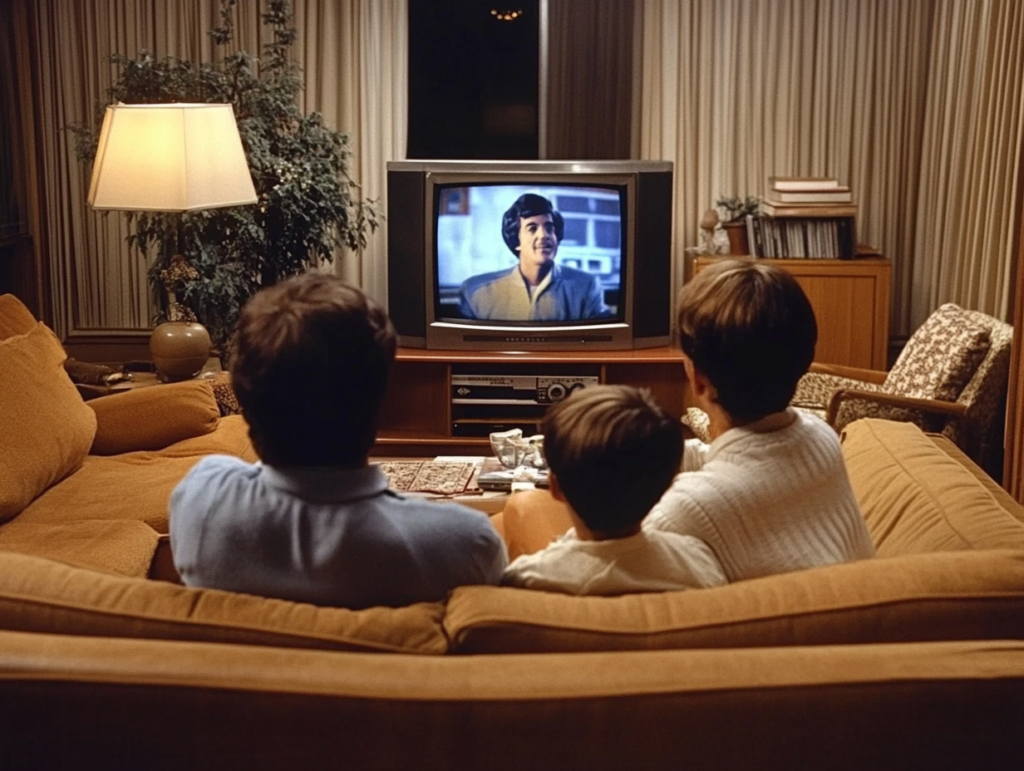
Self-reliance doesn’t hinge on big moves. For many older adults, it grows through modest, steady habits that support confidence, capability, and clarity. These micro routines—small enough to do without much thought—bring order to daily life and reduce the need for outside help. From starting the day intentionally to simplifying errands or plans, boomers have quietly refined ways to stay steady and self-directed through consistency that adds up over time.
Waiting for a partner to change can feel like pressing pause on your own life. When conversations stall and patterns repeat, frustration tends to build, often with nowhere to go. But it’s possible to shift your focus without giving up entirely on the relationship. By clarifying your needs, setting boundaries, and investing in your own growth, you create space for stability and forward motion, even if your partner stays the same.
Paper checks are rapidly becoming a relic of the American financial system. Since the 1990s, check usage has plummeted by over 90% as consumers and institutions embrace the speed of the digital age. With processing costs rising and fraud rampant, the countdown to a cashless reality has officially begun.
The transition is no longer optional; it is inevitable. As banks and government agencies aggressively pivot toward instant transfers and digital wallets, the infrastructure supporting paper payments is crumbling. Americans must now adapt to a financial landscape where physical checks are obsolete and electronic transactions rule the economy.
Unfair criticism can be tough to swallow, especially when it feels personal or uninformed. But responding with grace and composure can shift the tone and protect your sense of self. Instead of reacting on impulse, thoughtful responses show self-awareness, maintain your professionalism, and sometimes even open a path for growth. Whether in the workplace or at home, these strategies help you respond with clarity and confidence when fairness is lacking.
Christmas rituals often hold deep meaning for older generations, but they can feel overwhelming or outdated to younger adults navigating different priorities. From ornate décor to packed event schedules, what once symbolized festive commitment may now come across as pressure to perform. Understanding how Millennials relate to these long-standing traditions—especially those shaped by Baby Boomer values—can open the door to more balanced and enjoyable celebrations that reflect changing needs and definitions of holiday spirit.
Going out to eat is a shared experience, but how people behave at the table can vary widely depending on their age. Many Boomers bring long-standing habits rooted in past etiquette norms, while Gen Z tends to approach dining with a more laid-back, tech-savvy mindset. These differences can lead to discomfort or embarrassment for younger diners when traditional behaviors feel out of step with current social expectations or restaurant culture.
Some once-basic life skills are fading from daily habit, even though they still serve practical, grounding purposes. Tasks like sewing on a button, balancing a budget by hand, or using a paper map may seem old-fashioned, but they offer quiet, durable forms of independence. Revisiting these tactile, thoughtful abilities can help foster better self-sufficiency and strengthen the muscles of daily problem-solving in a world largely driven by screens and shortcuts.
Many millennials entered parenthood with clear ideas about what they’d never do—only to find themselves doing exactly those things. From screen-time concessions to snack-based negotiations, these shifts are less about broken promises and more about adapting to life with kids. Parenting rarely goes by the book, and millennial caregivers are learning to embrace the humor and contradictions that come with growing families. It turns out flexibility might be the defining hallmark of modern parenting.
Some signs of high intelligence aren’t flashy—they’re quiet, deliberate, and easy to overlook. Whether through thoughtful questions, subtle humor, or sharp pattern recognition, people with high IQs often reveal their minds in how they observe, respond, and simplify the world around them. Recognizing these traits can help you better understand the values and behaviors that truly reflect intellectual depth, rather than falling for myths about loud confidence or encyclopedic memory.
Hand movements aren’t just embellishments—they’re integral to how we communicate and relate. Thoughtful gestures can help clarify complex ideas, build trust, and hold a listener’s attention without saying a word. Far from being distracting, they often support memory and enhance your presence in conversations. Understanding how to use your hands effectively adds another dimension to your communication style, making everyday interactions smoother and more engaging for everyone involved.
You won’t believe how many people fall for ideas that make them look totally clueless. Some of these beliefs are so deeply ingrained that they’re rarely questioned, passed from one person to the next like unexamined hand-me-downs. But just because an idea is familiar doesn’t make it wise. In fact, some of the most common assumptions are quietly damaging your credibility every time you repeat them. You may not notice it at first, but people pick up on those little cues—and over time, it can cost you respect, trust, and opportunities.
If you’ve ever sensed that people don’t take you seriously, it might not be your delivery or tone—it might be the outdated or inaccurate ideas you’re holding onto. You don’t have to be an expert to be credible, but you do need to be thoughtful, open-minded, and willing to question what you think you know. Luckily, credibility isn’t something you’re born with—it’s something you can build. And it starts by letting go of these mistaken beliefs.
Retirement opens the door to endless possibilities, but staying energized and engaged often requires deliberate action. While it’s tempting to slow down, adopting overlooked habits can reignite your zest for life. These habits not only keep your mind sharp and body active but also enrich your daily experiences.
Let’s explore 13 practical yet underrated ways to make the most of this exciting chapter of life.
When intimacy fades in a marriage, the effects often ripple through every aspect of life, leaving women grappling with feelings of loneliness, rejection, and confusion. It’s not just about physical closeness—emotional distance can erode trust, love, and the shared bond that once defined the relationship.
Understanding how this absence impacts you is key to finding solutions and restoring the connection you deserve.
As society continues to shift, an increasing number of individuals are choosing to embrace solo aging—not out of necessity, but as a conscious, empowering decision. This choice, often misunderstood by those who cling to traditional norms, is actually rooted in strength, clarity, and a desire to live authentically. Aging alone offers an entirely new paradigm for later life, one that is filled with personal agency, deep self-awareness, and boundless possibilities.