If You Grew Up Tough, These 11 Behaviors May Reveal How You Cope With Pain

These subtle signals might trace back to early survival strategies that shaped your emotional habits.

©Image license via Canva

If you grew up in an environment where softness felt unsafe, your everyday behavior may quietly reflect the emotional armor you built back then. From avoiding vulnerability to brushing off kindness, these habits once protected you. But over time, they can limit connection and emotional growth. Recognizing these patterns empowers you to understand where they come from and gently explore new ways of caring for yourself and others.


Read more

12 Habits of Couples Who Stay Deeply Connected After Decades Together

Attentive communication, touch, and shared rituals help partners stay close over the long haul.

©Image license via Canva

Deep emotional connection in long-term relationships rarely happens by chance. Couples who remain close for decades often rely on small, consistent habits that reinforce trust, affection, and understanding. From daily check-ins to shared laughter and personalized routines, these behaviors form a quiet infrastructure for lasting intimacy. Instead of grand romantic gestures, it’s the thoughtful, repeated signals of care and respect that keep emotional bonds strong as the years unfold.

Read more

Frustrated by Angst in the World? Avoid These 9 Things That Can Fuel Your Anger

Anger often builds not from the world itself, but from how we respond to it

©Image license via Canva

Feeling overwhelmed by changes in the world is common, but some everyday habits can make anger more intense and harder to manage. Whether it’s falling into echo chambers online or staying glued to upsetting news, certain behaviors feed frustration instead of easing it. By recognizing these emotional traps, it’s possible to respond more calmly and constructively. Small shifts in attention, conversation, and thought patterns can help break the cycle and reduce stress.

Read more

11 Ways Mentally Tough People Bounce Back When Life Brings Bad News

Mentally strong people recover by leaning on habits that ground, refocus, and restore momentum.

Bright medical office, doctor with clipboard and stethoscope facing older woman on exam bed, natural light, documentary style, people.
©Image license via iStock

When life takes an unexpected turn, mentally tough individuals rely on practical habits that help them recalibrate rather than collapse. They don’t deny stress or emotions. Instead, they acknowledge them and respond with clarity and intention. These people bounce back not because they avoid hardship, but because they’ve built inner resources like self-awareness, flexible thinking, and steady routines. Their resilience is an active process, shaped by consistent choices that support emotional recovery and growth.

Read more

10 Boomer Myths Gen Z Is Busting Wide Open

How a new generation is challenging familiar stories boomers once treated as universal truths.

Living room, young man with soccer ball and older man, couch center frame, daytime soft light, editorial travel photo, people.
©Image license via iStock

Every generation inherits beliefs that shaped the one before it, but Gen Z isn’t afraid to question ideas that no longer fit modern reality. They’re pulling apart long-held assumptions with a mix of curiosity and lived experience, revealing how quickly the world has changed.

These challenges don’t come from rebellion so much as observation. By rethinking old narratives, Gen Z is showing how flexible everyday life can be when people are willing to see things differently.

Read more

DNA 45,000 Years Old Proves Neanderthals Walked About 1900 Miles From Siberia

A tiny bone fragment rewrites how far Neanderthals roamed across Eurasia.

©Image credit via Phys.org/Serhii Telizhenko

Researchers analyzing a 5-centimetre fossil from Starosele Cave in Crimea discovered DNA dating back about 45,000 years, showing the individual—named “Star 1”—was genetically closest to Neanderthals from the Altai region of Siberia. This link suggests these hominins migrated or maintained connections over distances of more than 1,800 miles (3,000 km), overturning assumptions of isolated, localized groups.

That means Neanderthals weren’t confined to scattered pockets—they were mobile, adaptable and linked across vast steppe landscapes.

Read more

7 Signs You Have More Money Than Time Left to Live

Recognize key indicators that financial wealth exceeds your available lifespan and time.

Bright living room, older man on couch, laptop in focus, soft daylight, editorial travel photo, one person present.
©Image license via iStock

When financial resources grow exponentially but personal time feels limited, it signals a complex imbalance in life. This situation often arises when work commitments overshadow health, relationships, and leisure activities, revealing subtle yet important signs. Understanding these indicators not only helps in evaluating your work-life balance but also encourages thoughtful legacy planning. Recognizing the disparity between financial wealth and remaining lifespan can guide more meaningful choices.

Read more

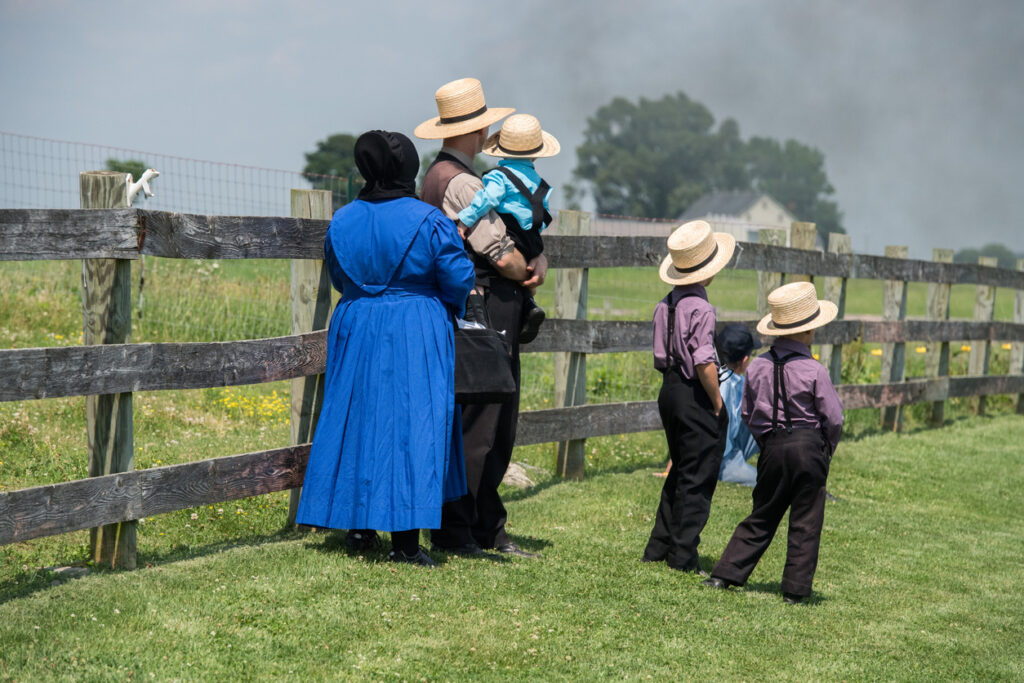
Surprising Reasons Amish Kids Hardly Ever Have Allergies or Asthma

Growing up Amish gives immune systems some rare advantages.

Grassy field, Amish family in straw hats, near wooden fence, sunny afternoon, editorial travel photo, adults and children.
©Image license via iStock

Studies show that children in traditional Amish farming communities have dramatically lower rates of allergies and asthma compared with the general population—only about 7 % test positive for common allergens. Scientists attribute this to early, constant exposure to farm microbes, animals and natural dust—a phenomenon called the “farm effect.”

If you’ve ever wondered how some kids seem almost allergy-proof, the Amish example highlights lifestyle factors that may provide clues.

Read more

Empathy Is Going Extinct—What It Means for the Future of Humanity

Brace yourself: The consequences are more devastating than you think.

©Image license via Shutterstock

Empathy is dying, and if that sounds dramatic, it’s because it is. It’s like watching a once-vibrant ecosystem slowly wither away, leaving nothing but a barren, emotionless landscape. The way people treat each other now, it’s hard not to wonder if the ability to genuinely care is slipping right through our fingers. It’s not just in the big moments, either. It’s in the everyday interactions, where kindness and understanding are starting to feel like rare commodities.

When empathy vanishes, what’s left? And if you think the answer is nothing to worry about, you might want to reconsider.

Read more

Mosquitoes Have Landed in Iceland for the First Time as Temperatures Rise

One of the last mosquito-free places on earth has lost its cherished status as climate shifts enable new arrivals.

©Image license via Wikipedia

Iceland has long boasted about being one of the few countries in the world without mosquitoes, a point of pride for residents and a selling point for tourists. That distinction is now being challenged as warming temperatures create conditions these insects can finally tolerate.

Scientists have recently confirmed mosquito sightings on the island, marking a significant ecological shift that reflects broader climate change impacts across Arctic and sub-Arctic regions.

Read more

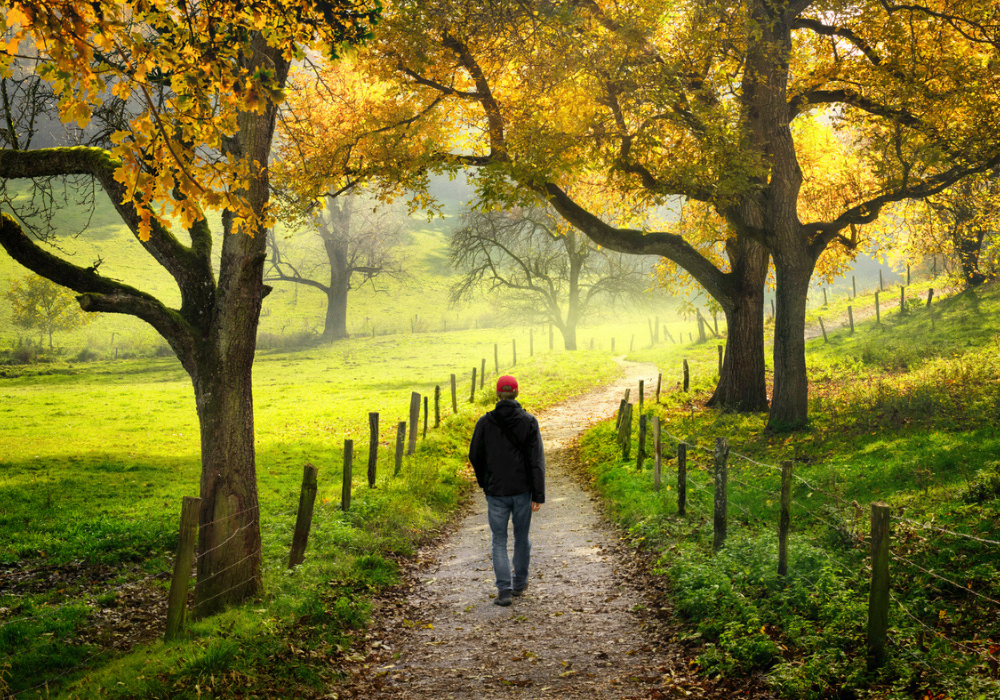
Midlifers Who Trade City Life for the Countryside Often Share These 9 Traits

Midlifers relocating to rural areas share qualities that support their lifestyle and personal growth.

Countryside path, red-capped figure, tree-lined with golden leaves, sunny autumn light, editorial travel photo, one person.
©Image license via iStock

Many midlife individuals choose to leave city life behind for the countryside, driven by a mix of personal values and lifestyle goals. These movers often seek simplicity, a closer connection to nature, and stronger community bonds. Along the way, they develop adaptability, patience, and resilience to navigate the slower pace and unique challenges of rural living. Understanding these common traits sheds light on what motivates and sustains this significant life change.

Read more

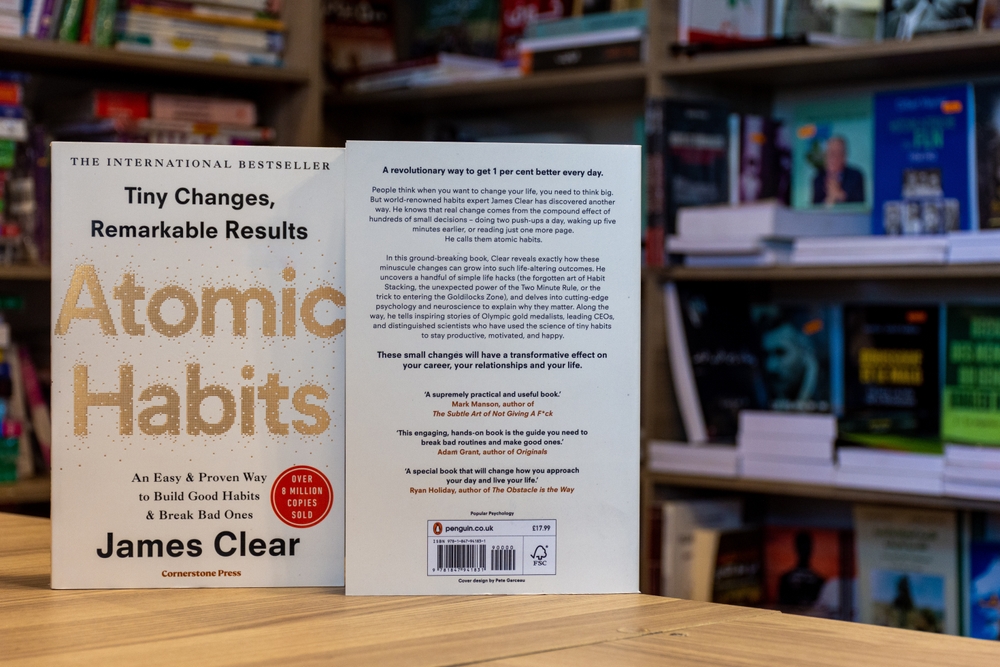
Takeaways From Bestseller “Atomic Habits” That Will Create Lasting Personal Changes

By implementing small, consistent actions, you can leverage the principles of atomic habits.

©Image license via Shutterstock

If you’re ready to make 2025 your most productive year yet, Atomic Habits by James Clear offers proven strategies to create lasting change. By focusing on small, actionable steps, you can transform your habits and, ultimately, your life. The power lies in consistency and aligning your actions with the person you want to become.

Here are 11 steps inspired by Clear’s insights to help you build better habits and achieve your goals this year.

Read more

11 Ways to Fill the Void If Your Adult Kids Can’t Visit for the Holidays

Keep the blues at bay and make the most of a holiday without your children.

So, your adult kids can’t come home for the holidays—it stings, doesn’t it? But don’t let their absence steal your holiday joy. This is your chance to make the season special in new and unexpected ways.

From creative traditions to soul-filling connections, these 11 ideas will help you embrace the holidays with an open heart.

Read more

Boomers Admit: These Are the 10 Skills They Wish They’d Mastered Earlier

The small, practical skills that make life run smoother.

Bright living room, two men on couch, focus on shared smartphone, daylight ambience, editorial travel photo, people present.
©Image license via iStock

Experience has a way of circling back and underlining the lessons that mattered. The list isn’t flashy; it’s the unglamorous toolkit that turns everyday friction into something manageable. Most people learn them piecemeal and too late to enjoy the compounding benefits.

The good news is that none of these skills require rare talent or perfect timing. A notebook, a few honest conversations, and small routines can move the needle fast. That’s the part many of us wish we’d known sooner.

Read more