
One of the last mosquito-free places on earth has lost its cherished status as climate shifts enable new arrivals.
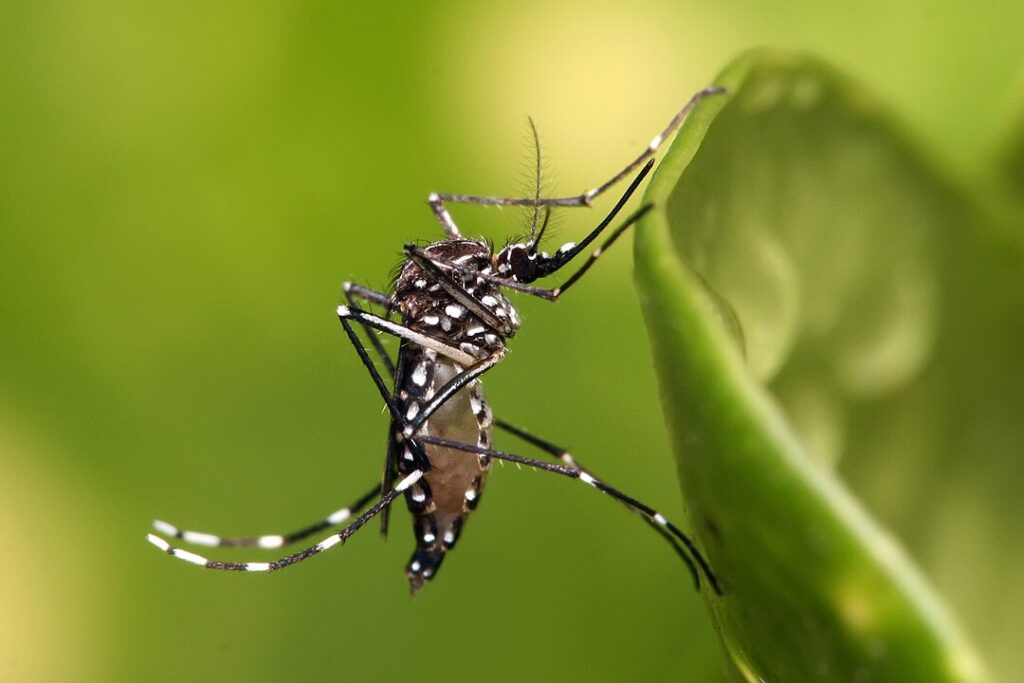
Iceland has long boasted about being one of the few countries in the world without mosquitoes, a point of pride for residents and a selling point for tourists. That distinction is now being challenged as warming temperatures create conditions these insects can finally tolerate.
Scientists have recently confirmed mosquito sightings on the island, marking a significant ecological shift that reflects broader climate change impacts across Arctic and sub-Arctic regions.
1. Mosquitoes have been spotted in Iceland for the first time in documented history.
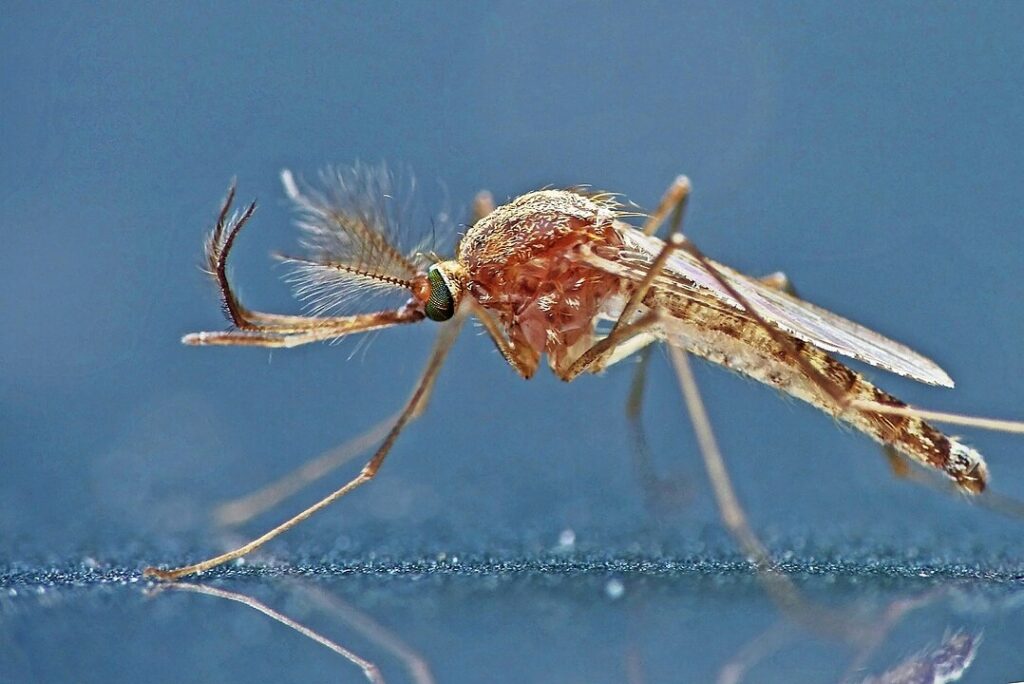
Entomologists confirmed the presence of mosquitoes in Iceland after reports came in from residents who encountered the insects in southern coastal areas. The species identified appears to be Culex pipiens, a common European mosquito that likely arrived via aircraft or ships and found conditions suitable enough to survive. These weren’t just brief visits by wayward travelers—researchers found evidence suggesting the mosquitoes are attempting to establish breeding populations in warmer microclimates.
Iceland’s isolation and harsh climate have historically prevented mosquitoes from colonizing the island, making it one of only a handful of places globally where these insects couldn’t survive. The country’s cold temperatures, strong winds, and relatively short summers created an inhospitable environment that mosquitoes simply couldn’t tolerate.
2. Rising temperatures have made Iceland’s climate increasingly suitable for mosquito survival.
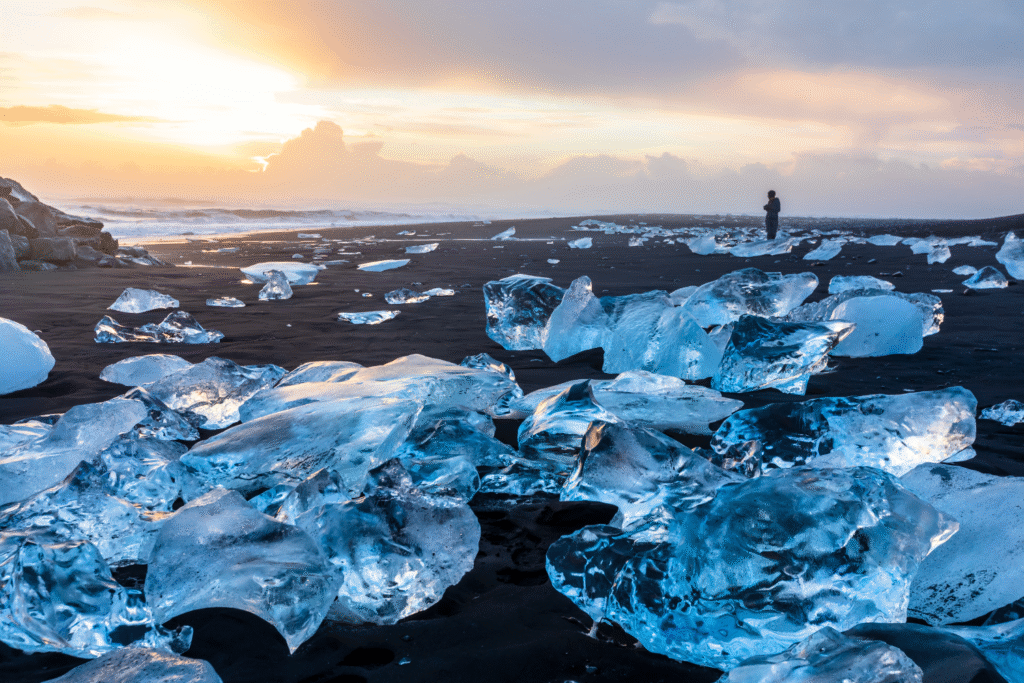
Average temperatures in Iceland have risen by approximately 1.5 degrees Celsius over the past century, with particularly notable warming in recent decades. Summer temperatures now regularly reach levels that allow mosquito larvae to develop successfully, and milder winters mean fewer killing frosts that would eliminate overwintering populations. The extended growing season provides a longer window for mosquitoes to complete their breeding cycles before cold weather returns.
3. Iceland was one of only three places on earth that naturally lacked mosquitoes.

Before these recent sightings, Iceland shared its mosquito-free status with only Antarctica and a handful of small isolated islands like the Faroe Islands. This rarity made Iceland exceptionally unusual since mosquitoes exist on every other continent and most inhabited islands, having adapted to nearly every climate except the coldest. Icelanders took considerable pride in this distinction, often joking about it with visitors and celebrating their freedom from one of the world’s most annoying insects.
4. The ecological implications extend far beyond simple annoyance for residents and tourists.
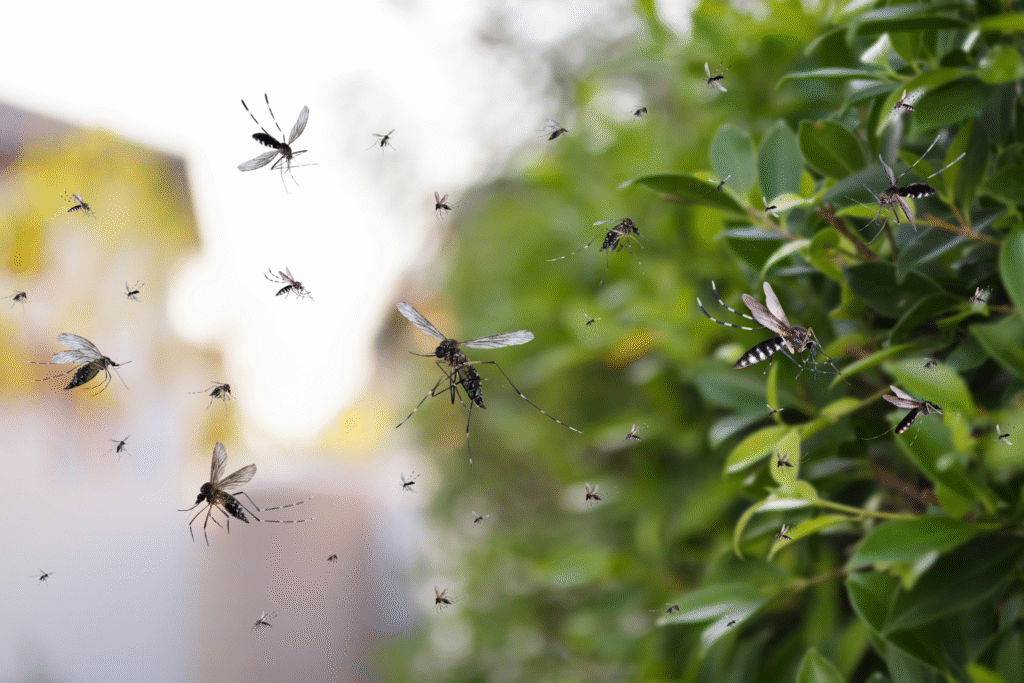
Mosquitoes don’t exist in isolation—they’re part of complex food webs and can fundamentally alter ecosystems when introduced. Their larvae provide food for aquatic insects and fish, while adult mosquitoes feed birds, bats, and other predators. However, Iceland’s native species have evolved without mosquitoes in the equation, meaning their arrival could disrupt existing predator-prey relationships and resource competition. Some native insects might face increased competition while predators might shift their diets in unpredictable ways.
5. Climate change is enabling species to colonize previously uninhabitable northern regions.
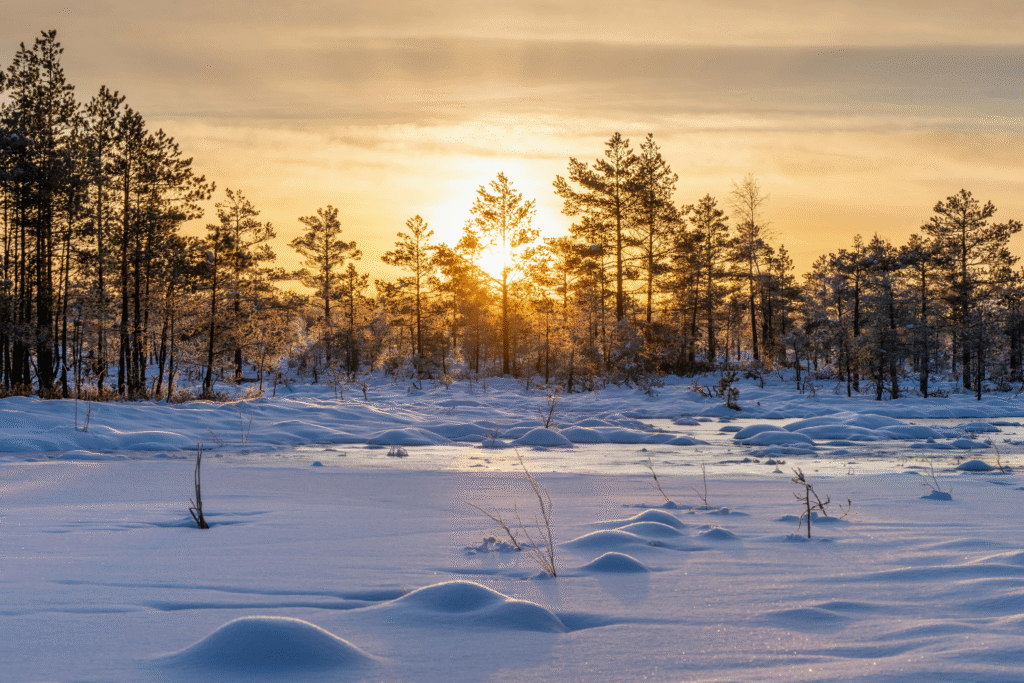
Iceland’s mosquito arrivals are part of a broader pattern of species range expansion throughout the Arctic and sub-Arctic. Plants, insects, fish, and other organisms are steadily moving northward as temperatures rise and climate zones shift poleward. Researchers have documented similar colonizations across northern Scandinavia, Canada, Alaska, and Siberia as species track their preferred climate conditions into regions that were previously too cold.
6. The warming trend in Iceland has accelerated noticeably in recent years.
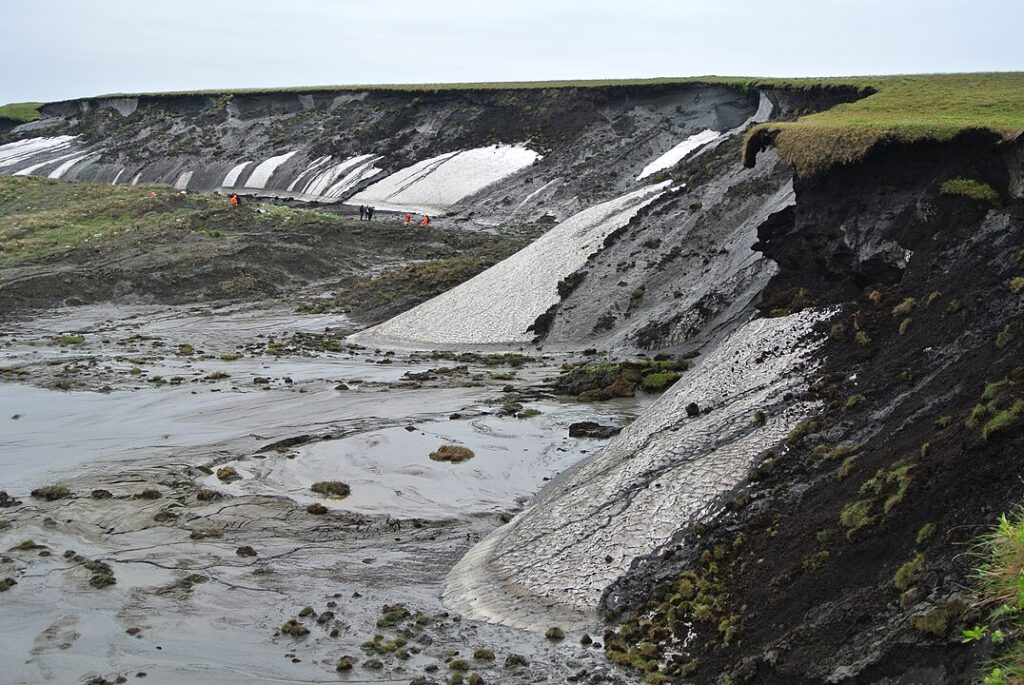
Iceland’s glaciers are retreating at unprecedented rates, with some losing several meters of thickness annually. Permafrost that once remained frozen year-round is thawing in many areas, and the growing season has lengthened by several weeks compared to conditions just a few decades ago. Winters have become milder and wetter rather than cold and snowy, fundamentally altering seasonal patterns that Iceland’s ecosystems and human infrastructure were built around.
7. Scientists are racing to document Iceland’s changing biodiversity before further shifts occur.
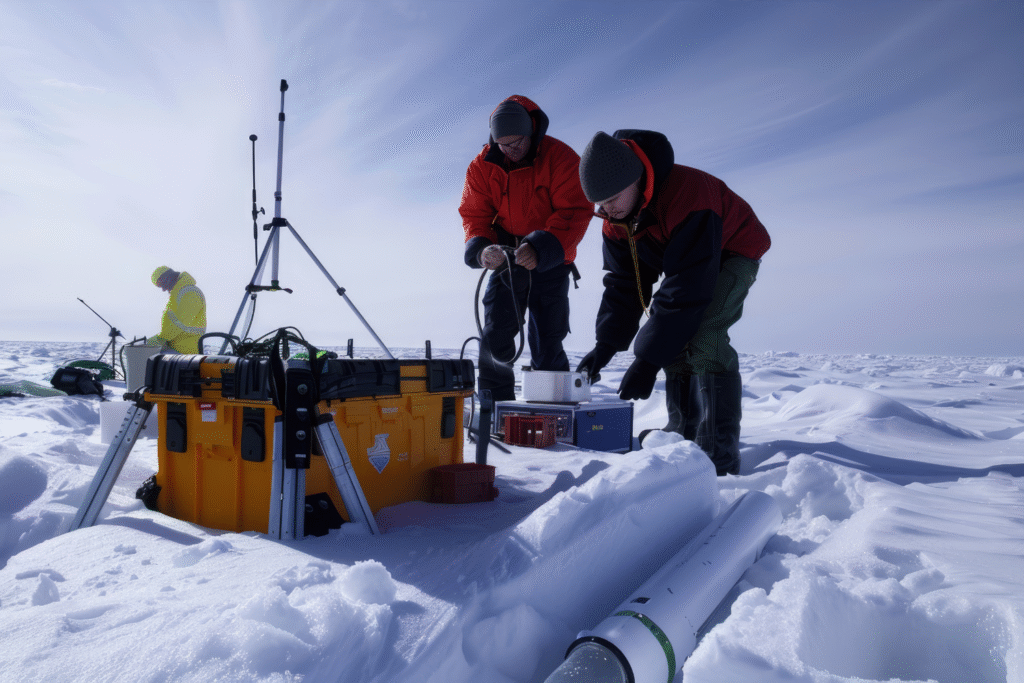
Research teams have intensified baseline biodiversity surveys to catalog what species currently exist in Iceland before additional newcomers arrive or native species disappear. This documentation proves crucial for understanding ecological changes and managing conservation efforts. Entomologists are particularly focused on monitoring insect populations since these organisms respond quickly to temperature changes and often serve as early indicators of broader ecosystem shifts.
8. Residents are grappling with the psychological impact of losing their mosquito-free status.
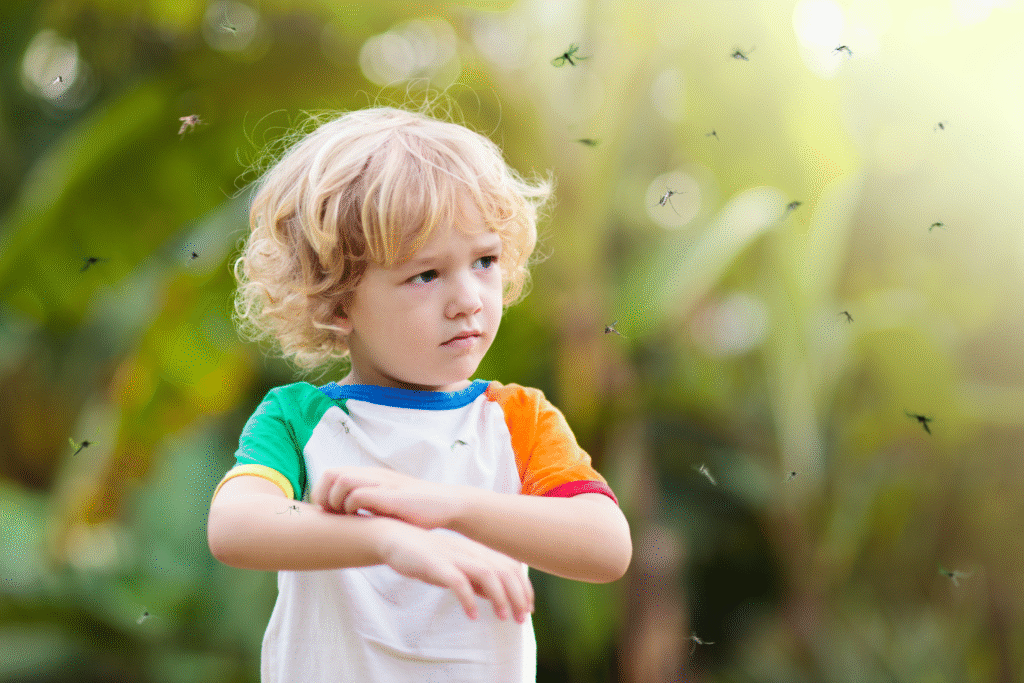
The appearance of mosquitoes might seem trivial compared to other climate change impacts, but for Icelanders it represents an intimate and unavoidable change to daily life. People who never needed window screens or insect repellent now find themselves shopping for these products and adjusting their outdoor habits. Summer evenings that were once spent freely outside may now require protective measures, altering social patterns and recreational activities that have existed for generations.