
Dining rooms still quietly hold onto items that have faded from the rest of the home

Dining rooms have a way of preserving traditions, holding onto pieces that time seems to have retired elsewhere. From crystal fixtures to embroidered linens, these objects offer more than decoration—they speak to changing habits, evolving design, and the rituals of entertaining. Spotting them in one space but not another isn’t coincidence, it’s a subtle map of how we live. Understanding why they remain can reveal how our homes adapt even as they hold still.
1. China cabinets still holding court in the corner.

Tall and sturdy, china cabinets once stood proudly in most homes, displaying prized porcelain and heirloom dishes behind glass. Their wood-framed shelves and mirrored backs made them both storage and stage, anchoring the room with a sense of purpose.
While they’ve vanished from kitchens and open-plan layouts, these cabinets still anchor dining rooms with their quiet authority. You’ll often find them in older homes, still filled with monogrammed plates, scalloped bowls, or a gravy boat that hasn’t moved in years.
2. Matching salt and pepper shakers placed near every setting.
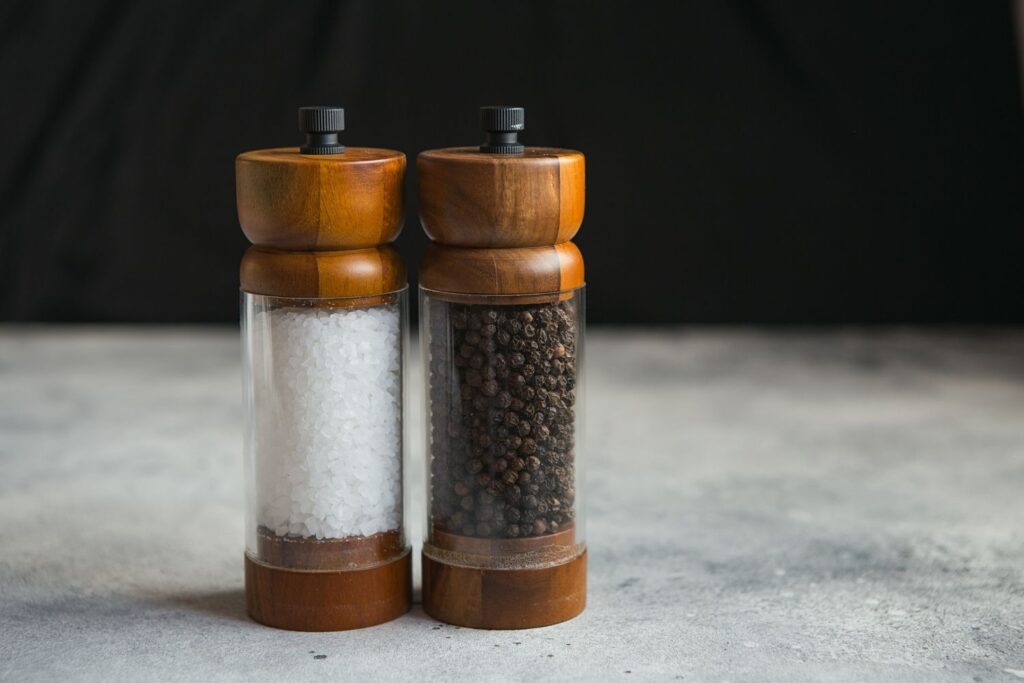
Matching salt and pepper shakers were once a standard across formal dinners, lined up with the symmetry of fine etiquette. Crafted from porcelain, metal, or glass, they lived near each place setting with quiet precision and a sense of order.
Today, minimalist kitchens and open shelving have made matching sets a rarity. But in the dining room, a pair shaped like mallard ducks or classic columns often remains on display, more symbolic than strictly practical.
3. Crystal chandeliers casting a soft glow from above.

Cut glass crystals shimmer slightly even when turned off, and a chandelier’s presence still signals formality. For decades, these ceiling fixtures provided mood lighting while lending flash to quiet dinners and boisterous toasts alike.
Though recessed LEDs now dominate most spaces, crystal chandeliers remain in dining rooms, glowing gently over mahogany tables during birthdays or Sunday roast. The prisms scatter light in irregular flecks, lending a softness no direct bulb can match.
4. Lace tablecloths carefully spread across wooden tables.
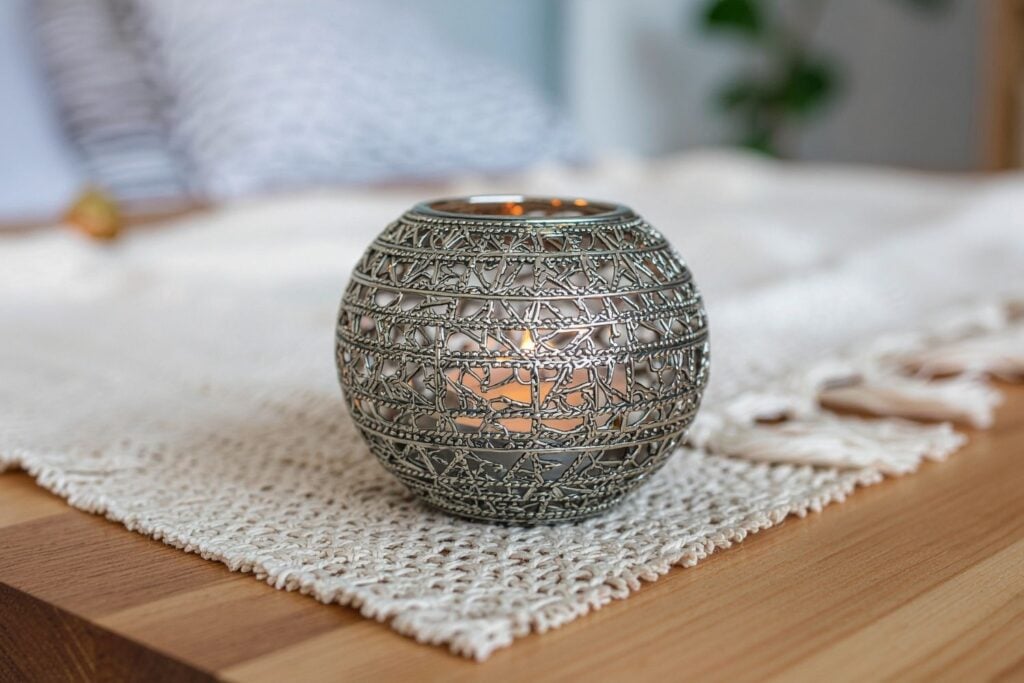
Lace tablecloths once protected wood surfaces and softened the tone of an evening meal. Intricate patterns stretched corner to corner, often hand-sewn or passed down after weddings, yellowing slightly over decades of use.
In other parts of the home, synthetic runners and bare tops prevail. But lace still lays claim to formal dining areas, catching candlelight or the clink of a bread plate with romantic restraint that survives modern minimalism.
5. Silverware sets kept neatly in velvet-lined drawers.
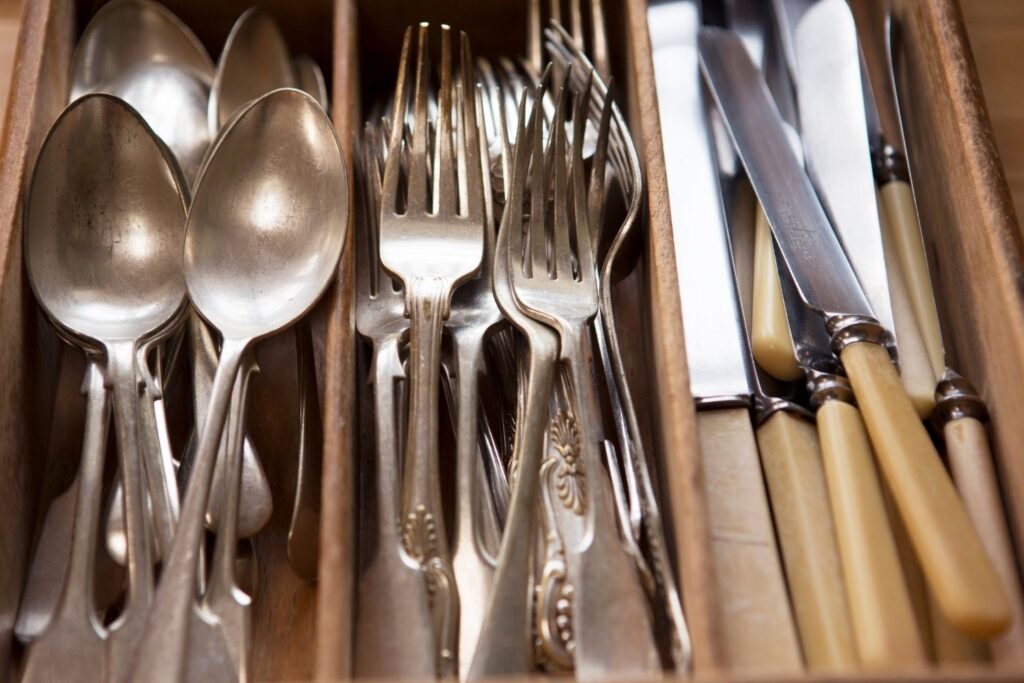
Silverware sets lined in velvet drawers offered more than utensils—they marked occasions and ancestry. Many included matching soup spoons, seafood forks, or carving knives shaped for precision and ceremony.
Plastic-handled cutlery now fills everyday drawers, but full silver sets often remain stored near the table, cleaned before holidays or formal dinners. That tiny, claw-footed pickle fork may go untouched, but its presence signals something enduring.
6. Formal place card holders ready for holiday company.

Place card holders, once staples of organized seating, helped hosts plan around family feuds or social customs. Tiny stands held handwritten names in curls of cursive, guiding guests to their assigned space without fuss.
Though casual dining rarely calls for such formality, a metal swan or ceramic pumpkin holder still appears near stacked napkins during larger gatherings—silent stand-ins for a bygone etiquette that continues to echo.
7. Dining bells once rung to summon meals with flair.

Dining bells sat near the kitchen door, sometimes perched on a tray or mounted on a wall, used to announce when meals were ready. With one ring, households paused for supper without shouting down hallways.
Smart speakers and text chains have replaced the call, yet in some homes, that small brass bell still waits between the sideboard bowls. It’s not always used, but like a mantel clock, it signals tradition more than function now.
8. Velvet drapes pulled shut before every family dinner.

Velvet drapes in jewel tones once framed dining rooms, drawn closed for evening meals to block chill or shut out noise. Their weight provided insulation as much as ambiance, pooling slightly at the floor.
In most rooms, lighter curtains or shades rule the day, but formal dining spaces still feature such drapes. Their deep folds and brass tiebacks create a cozy enclosure that suits long meals or candlelit conversation far better than blinds.
9. Water goblets waiting near every cloth napkin fold.
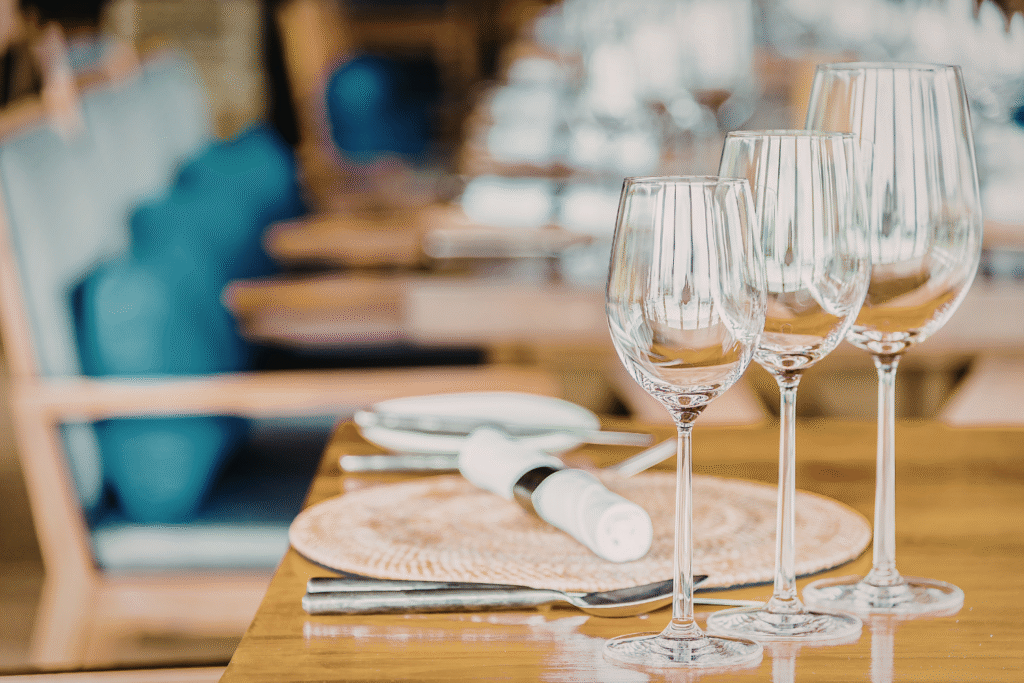
Water goblets, wide-mouthed and solid, once held a dedicated place beside every dinner plate. Distinct from wine glasses by shape and weight, they were part of a set that matched the meal’s gravity.
Now rarely used outside formal settings, these goblets still cluster near the folded napkin on certain tables. Their thick stems and cool rims bring a tactile quiet to dinners that ask more than a sip between courses.
10. Sideboards displaying souvenirs and inherited serving trays.

Sideboards, the low and wide cousins of buffets, once offered both service space and storage. Decorated with framed photos or small statues, they bore silent witness to family rituals and shifting decor.
While living rooms favor floating shelves or media consoles, the dining room sideboard remains stubbornly present. Inlaid drawers hide tarnished tongs or extra candles, while its surface may display odd souvenirs with stories no one minds repeating.
11. Needlepoint chair cushions stitched decades ago.

Needlepoint cushions on dining chairs added a layer of comfort and quiet charm, often stitched with flowers or a cluster of threadworn fruit. Hours of handwork went into each square, bordered carefully by staple and seam.
Modern chairs lean on sleek wood or molded plastic, but in some homes, those softened seats persist. The cushions may sag or fade, but their tactile detail and homemade nature sustain a sense of lived-in warmth the new versions don’t chase.
12. Rotary phones resting quietly on buffet consoles.
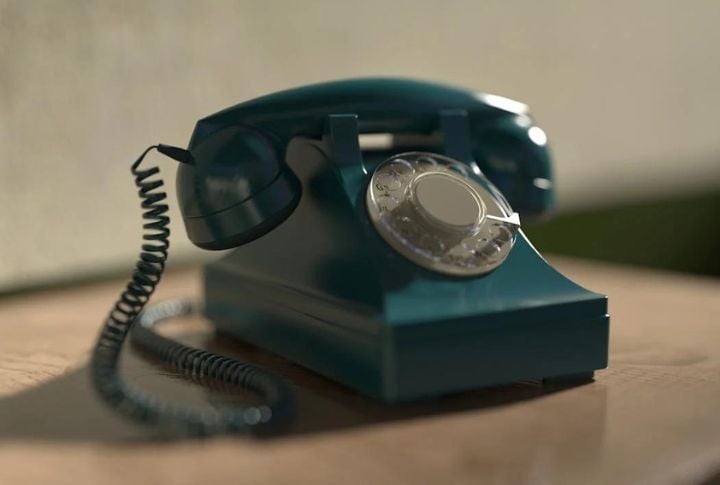
Rotary phones, once fixtures of daily routines, still sit on some buffet consoles, cords coiled tight and dials waiting. Often unplugged, they serve more as sculpture than tool, all bakelite weight and vintage charm.
Few households use landlines today, much less dial tone devices. But in certain dining rooms, that phone remains perched between vases—an object of memory, curiosity, or maybe habit, still placed as if a call might come during dessert.