
Baby boomers often hang onto practical relics that quietly become emotional anchors over time
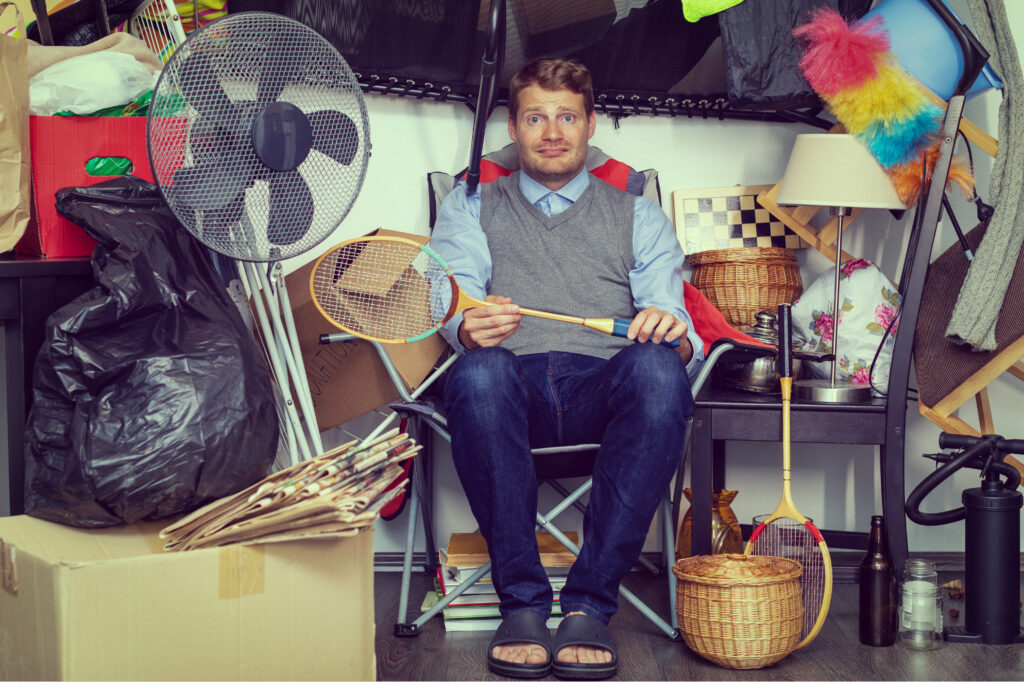
What might read as clutter to some often carries a deeper story for baby boomers. Many household items, from that stack of vintage cookbooks to worn linens—serve as keepsakes of past roles, routines, or relationships. These belongings aren’t just things; they’re markers of identity and history. Understanding why certain stashes are hard to part with opens the door to more thoughtful, respectful conversations around decluttering and generational transitions.
1. Drawers stuffed with old birthday cards from decades past.
Ink-smudged envelopes and fading paper pile up quietly in desk drawers or shoeboxes—birthday cards from decades past, often from people long gone. These small, handwritten notes carry voices frozen in ink, making them tricky to toss even when they haven’t been reread in years.
Over time, the sheer volume can surprise even the most organized households. A drawer once meant for stationery turns into an archive, layered with glitter lettering, loopy script, and postmarks from now-defunct zip codes. Letting go feels less like decluttering and more like severing emotional ties.
2. Shelves lined with cookbooks no one has opened in years.
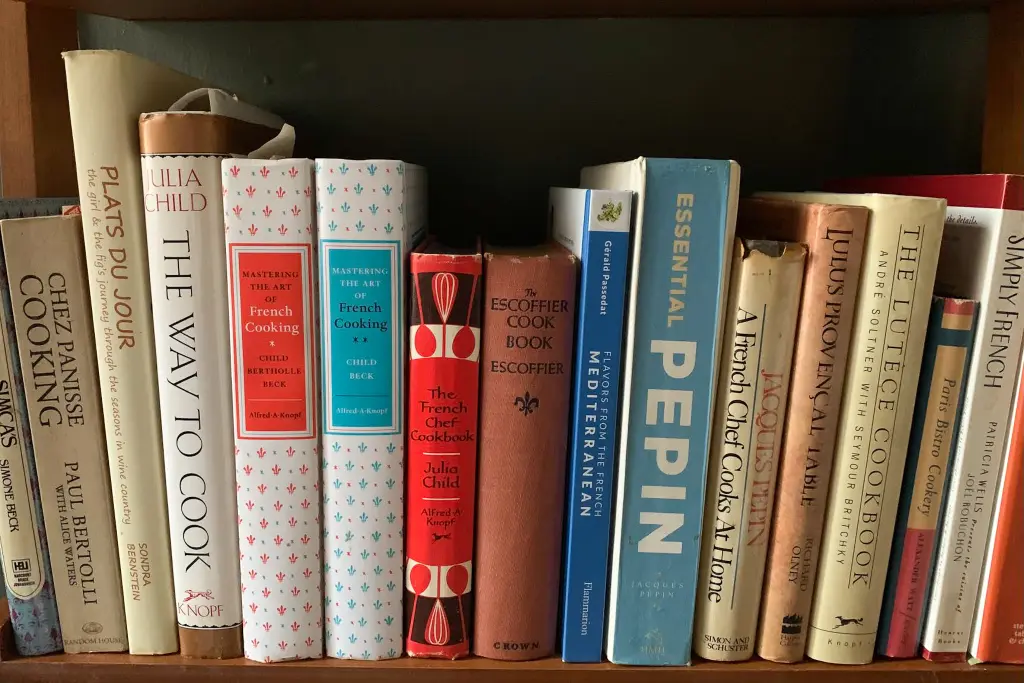
Printed cookbooks—many with cracked spines and tomato-splattered pages—still command entire shelves in kitchens, even when recipes now live online. For some, they’re not just reference tools but artifacts from a slower, analog time tied to family meals and handwritten marginalia.
Even volumes never opened still signal a kind of culinary identity—a phase of life when cooking from scratch was routine and unhurried. A pastel-hued fondue guide or community church compilation can say more about memory than menu planning.
3. Storage bins filled with VHS tapes and cassette collections.

Basement bins stuffed with VHS tapes and cassette boxes often remain untouched because boomers once recorded birthdays, vacations, or radio shows on them. Each volume has a label in fading Sharpie, promising moments too precious—or too complicated—to erase.
Playback requires outdated equipment and patience, which quietly encourages postponement. What starts as preserving family history becomes an accidental time capsule, one that’s heavy to move and quietly hard to open.
4. Closets packed with formalwear saved for imagined future events.

Formalwear like tailored suits or beaded dresses hang untouched behind plastic garment bags, occasionally brushed but rarely chosen. These outfits were expensive, emotionally significant, or tied to once-anticipated events that never arrived.
While styles have shifted, the clothing still serves a hopeful function. It represents a version of preparedness—and a reluctance to admit that those specific evenings may be in the past. Sequin trim and shoulder pads mark more than fashion trends: they reflect former selves.
5. Garage corners overtaken by incomplete tool sets and tangled cords.
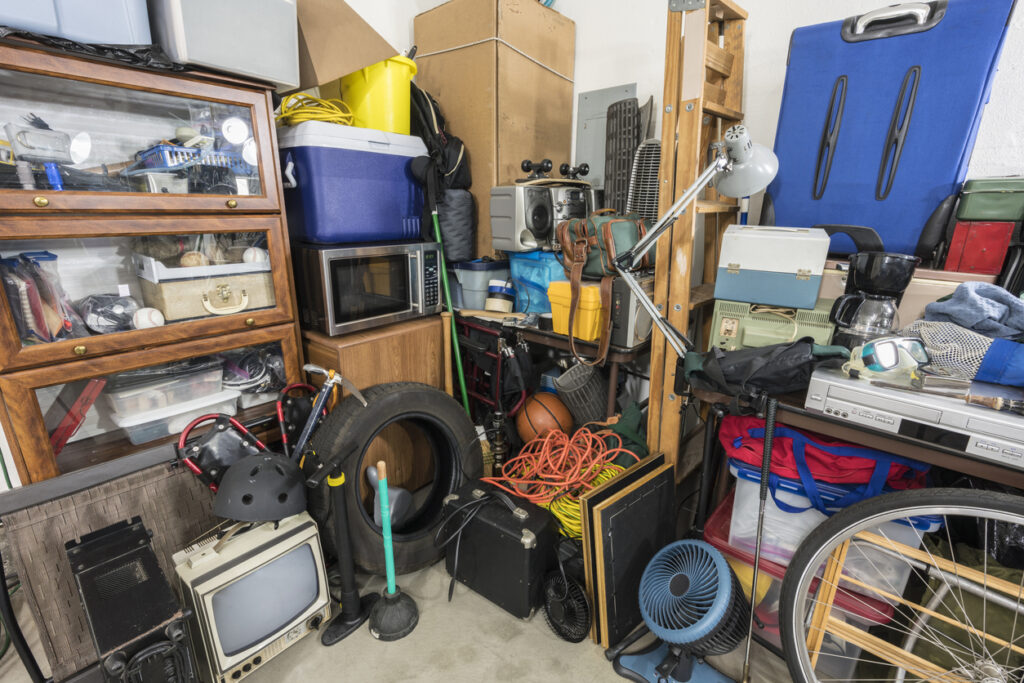
Tool kits accumulate in garage nooks where half-used caulk tubes, rusted Allen wrenches, and lost drill bits find long-term homes. Many sets once belonged to relatives or remind someone of past weekend projects worth repeating—or finishing.
Cords coil together in milk crates, daring someone to identify their former use. These jumbles grow from a reluctance to waste something once useful, even when usefulness has passed. The result is clutter built as insurance against future inconvenience.
6. China cabinets crowded with inherited dishes rarely used for meals.
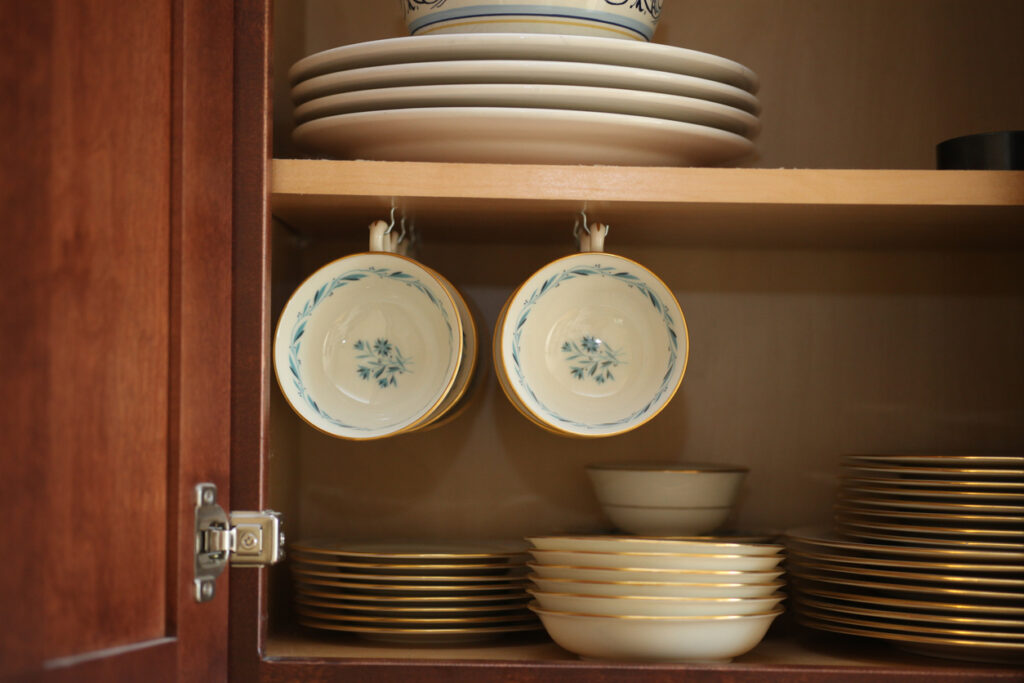
China cabinets often hold pattern-matched dishes passed down through generations—Rosenthal, Lenox, or unmarked bone white. Some sets were wedding gifts or estate leftovers, displayed more to honor memory than serve a meal.
The plates might collect dust alongside fragile glassware with etched rims and handles too dainty for regular handling. These serving pieces outlast trends and appliances, enduring not by function but by association with celebration, loss, or family continuity.
7. Filing cabinets bursting with outdated bills and paper statements.
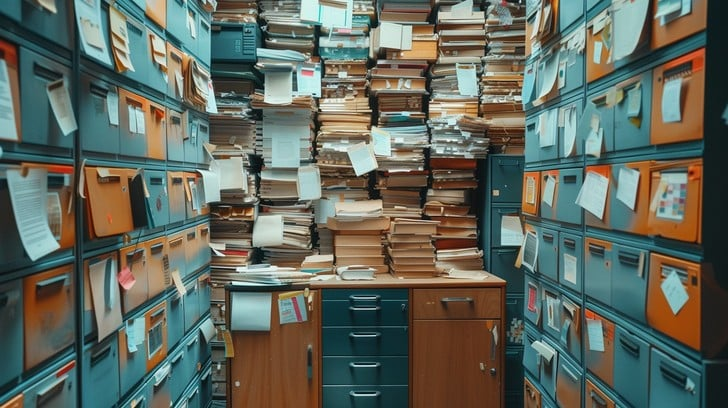
Old filing cabinets groan with outdated utility bills, expired warranties, and yellowing statements. Paper served as proof—of identity, purchase, or stability—and those impulses linger long after digital recordkeeping became the norm.
What starts as responsible habit can morph into weighty ritual. Rows of folders labeled in pencil become resistant not because of their content, but because discarding them can feel like discarding control. Tactile recordkeeping once meant trust—letting go now feels like risk.
8. Boxes of childhood artwork saved from grown children’s school days.
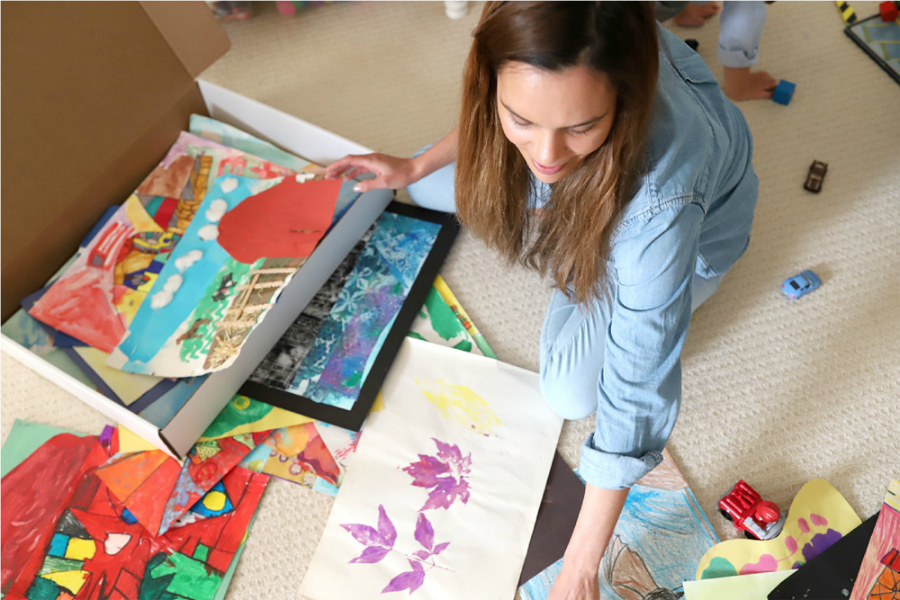
Painted handprints, poster boards with glued macaroni, and finger-painted suns don’t stack easily, but many parents keep them anyway. These projects, stored in boxes or under beds, preserve growth more vividly than a photo album ever could.
Years later, the artwork may resurface when adult children visit or move. The dried glitter and warped cardstock invite joy, nostalgia, or introspection—and occasionally disagreement about which pieces still belong in the family archive.
9. Decorative pieces from every decorating phase stacked in tubs.

Styrofoam corncob holders, lava lamps, wrought iron corner shelves—decor from earlier chapters often winds up in storage tubs. Home trends shift, but the objects stick around, tied to particular homes or eras, even when they’ve rotated out of view.
What once adorned a first condo or hosted a holiday suddenly reads as outdated. But letting it go can feel like erasing a version of domestic life once carefully chosen. These tubs become museum exhibits for private histories.
10. Old electronics kept for parts that never get repurposed.
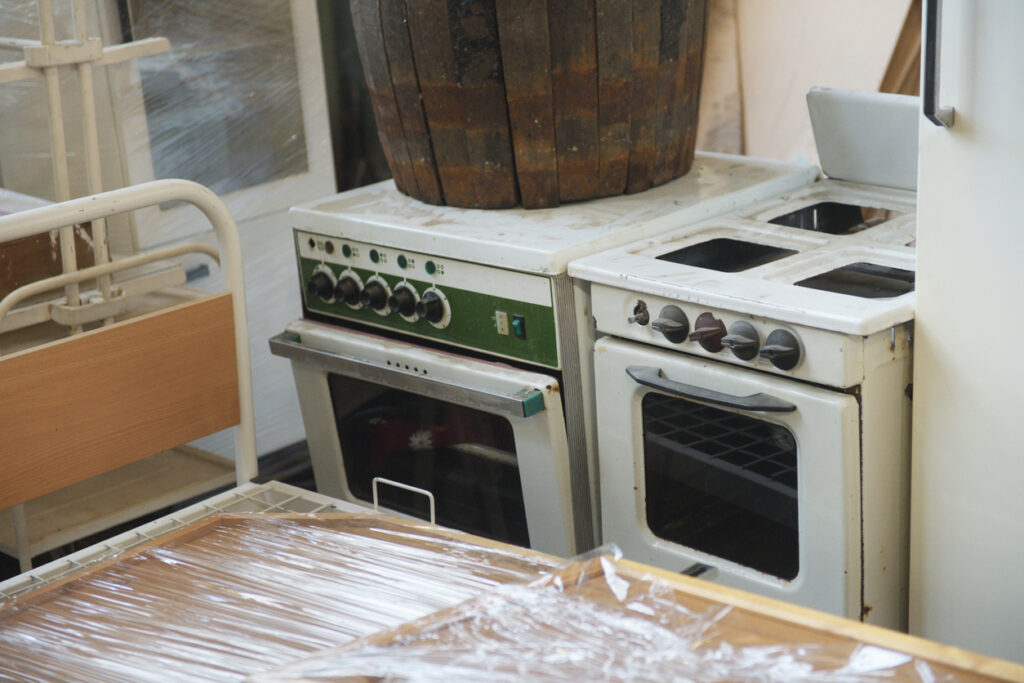
Boxes labeled “Old Tech” often promise backup parts or salvageable pieces but rarely deliver function. Outdated routers, broken cassette players, or iPods with cracked screens hang around because at one time, they were breakthroughs.
The pieces become weirdly symbolic—a mix of nostalgia and unfinished responsibility. Tossing them feels premature or wasteful, so accumulation wins by default. The cords tangle together like nervous habits that once served a purpose no longer needed.
11. Linen closets overloaded with sheets that no longer fit any bed.
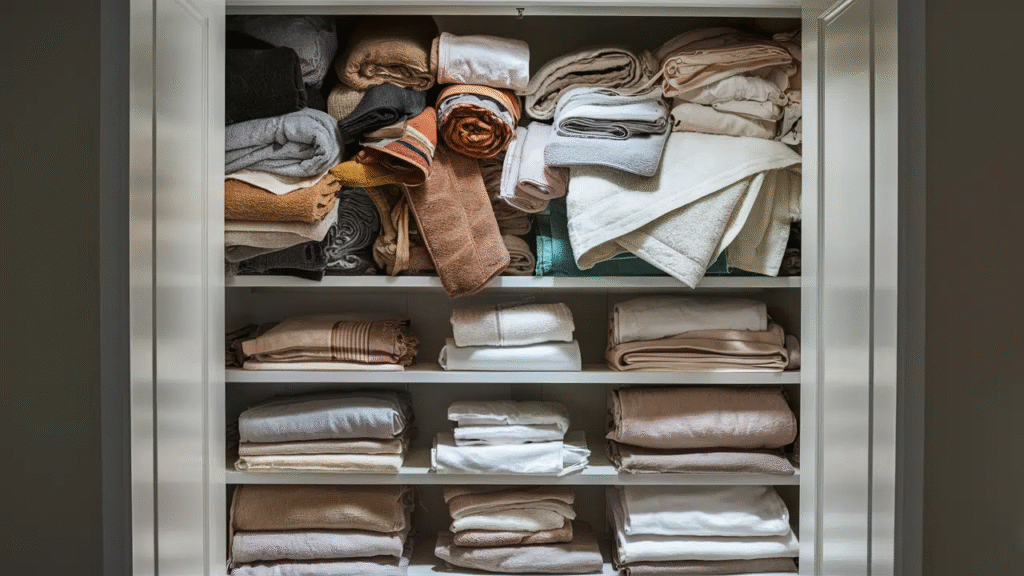
Extra twin sheets—some with cartoon prints, others stiff with age—tend to live in the back of linen closets long after the matching beds disappear. They remain because they once fit someone’s room or backed an air mattress no longer in use.
Though mismatched and rumpled, the piles promise usefulness that rarely materializes. Over time, dim closets deepen the habit, and the softest set gets used while the rest provide a false sense of preparedness—just in case becomes never again.