
It starts with skipping a haircut and ends with questioning your worth.
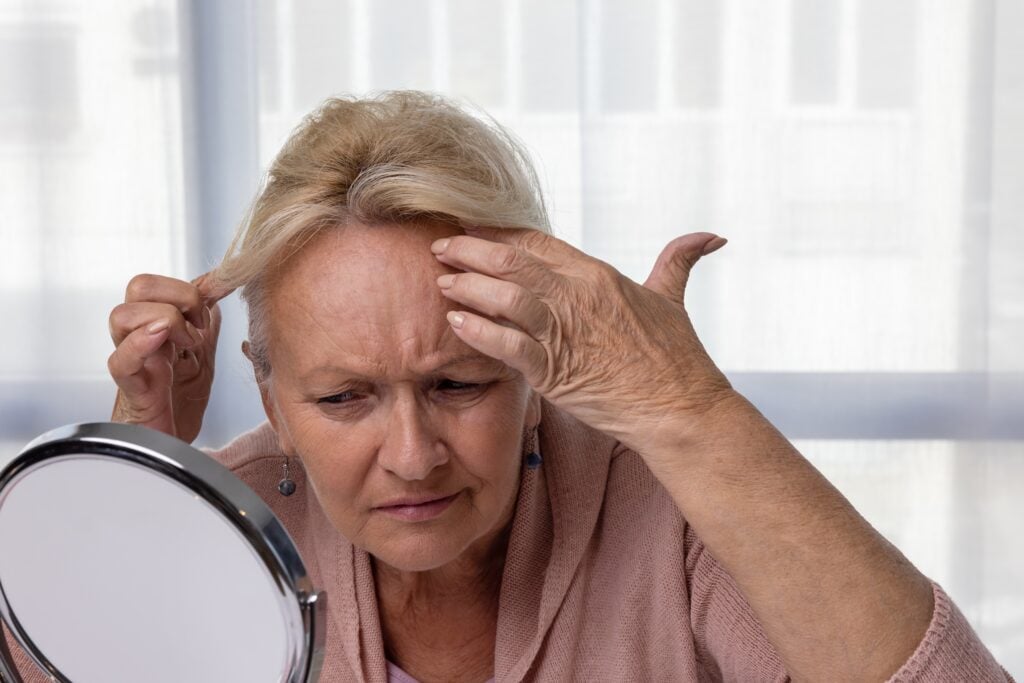
When boomers stop putting effort into their appearance, it’s rarely just about vanity. That moment when the clothes get baggier, the mirror gets avoided, and the grooming habits slip? It often marks the beginning of something deeper unraveling. Not all at once—but in quiet, creeping ways.
These spirals aren’t always obvious. But left unchecked, they can pull a person into a mindset that feels heavier than aging itself.
1. They start feeling invisible in every room.

Once someone stops trying to look their best, they often start feeling like no one sees them. That sense of invisibility creeps in quietly—at the store, at social gatherings, or even within their own family. It’s not that people are being cruel. It’s just that we live in a culture wired to respond to energy, effort, and self-presentation.
When boomers stop showing up as fully as they used to, the world mirrors that energy right back. They notice fewer compliments, fewer invitations, and even fewer smiles, as mentioned in How Stuff Works. It builds a loop: the less they care, the less others notice—and that deepens the sense that they’re fading into the background.
2. They convince themselves that trying is shallow.

There’s a mental shift where looking good starts to feel pointless—or worse, vain. Some boomers tell themselves they’re “past that stage,” as if caring about appearance is reserved for the young or insecure. But often, this is just armor. A way to cope with feeling disconnected from the person they once were.
Calling it shallow is easier than admitting they’ve given up. The truth is, there’s power in still wanting to feel good in your skin. When that desire gets dismissed or buried, it leaves behind a strange emptiness, according to Vox.com. A feeling of having quit on something that once brought joy or pride.
3. They start avoiding mirrors entirely.

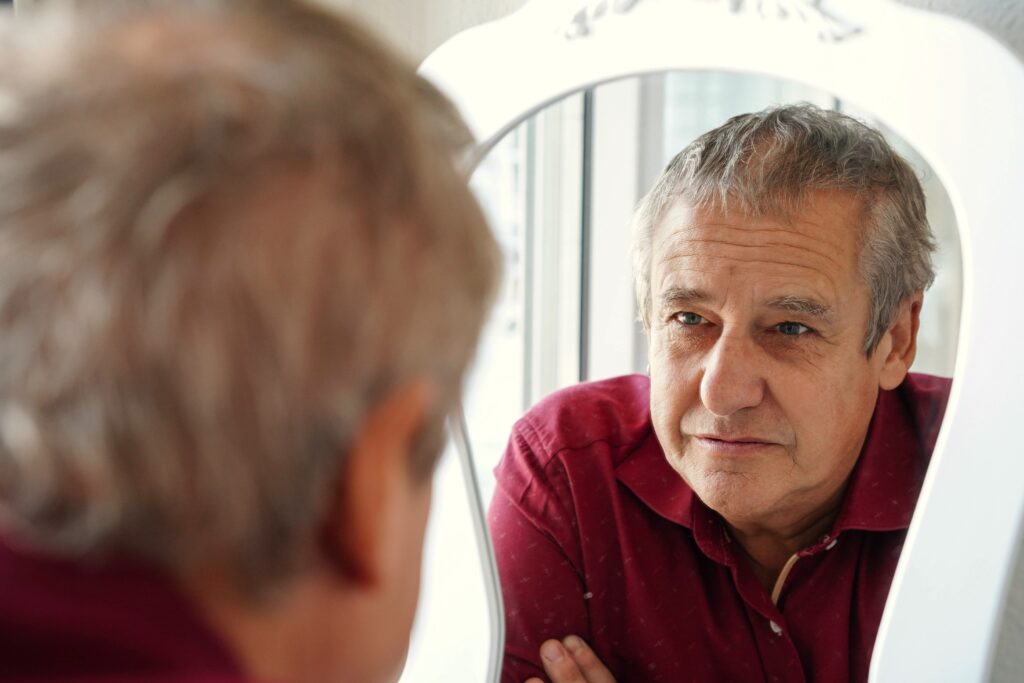
It usually begins slowly—walking past the mirror without looking or keeping the lights low in the bathroom. But over time, that avoidance becomes a habit. Not checking your reflection is more than about age spots or sagging skin. It’s about refusing to engage with who you’ve become.
Avoiding mirrors becomes a metaphor. It’s easier not to look than to confront the fact that time has changed you in ways you didn’t consent to. But that distance from your reflection often creates a deeper emotional disconnection, as stated in Global English Editing. You stop seeing yourself, literally and emotionally.
4. They stop buying clothes that make them feel anything.
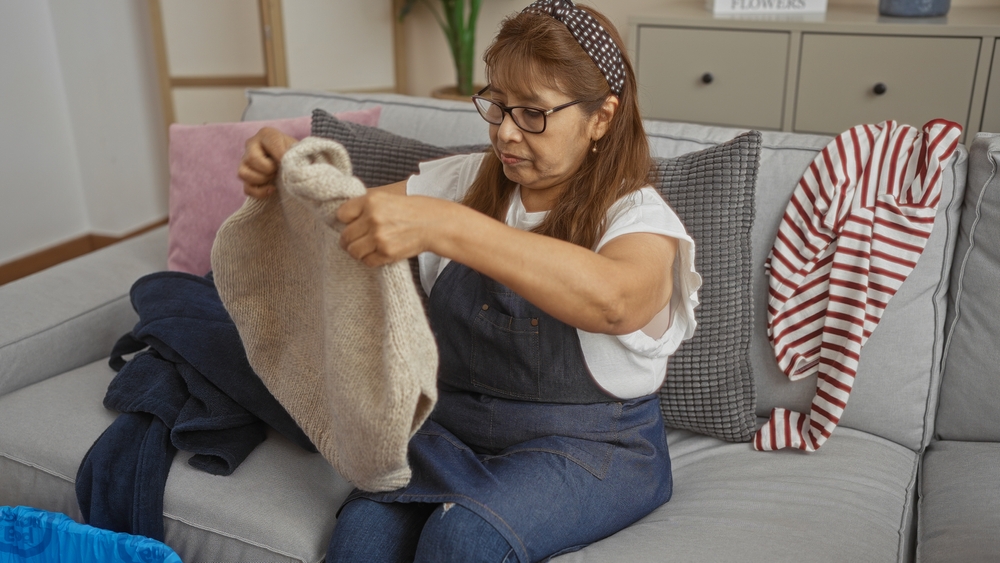
For boomers who once took pride in their look—buying a great coat, getting shoes shined—losing interest in fashion can signal more than just aging. Suddenly it’s all about comfort, neutrality, or hiding. Clothes become a shield rather than an expression.
Shopping used to be a way to tap into identity. Now it feels like a chore or a reminder of what no longer fits. The mental spiral begins when they stop believing they deserve to feel stylish. And when that belief dies, so does a piece of confidence that used to come effortlessly.
5. They retreat socially without realizing it.

As appearance drops on the priority list, so do outings, invitations, and spontaneous meetups. It’s not a refusal—it’s a quiet recalibration. If they don’t feel good in their skin, the idea of being seen becomes stressful. So they stay in. Or say no. Or ghost events they used to enjoy.
What starts as one skipped dinner can snowball into weeks of isolation. The less they go out, the harder it becomes to start again. And without realizing it, they start building a life that requires no effort—but also offers little joy.
6. They internalize that they’ve aged out of relevance.
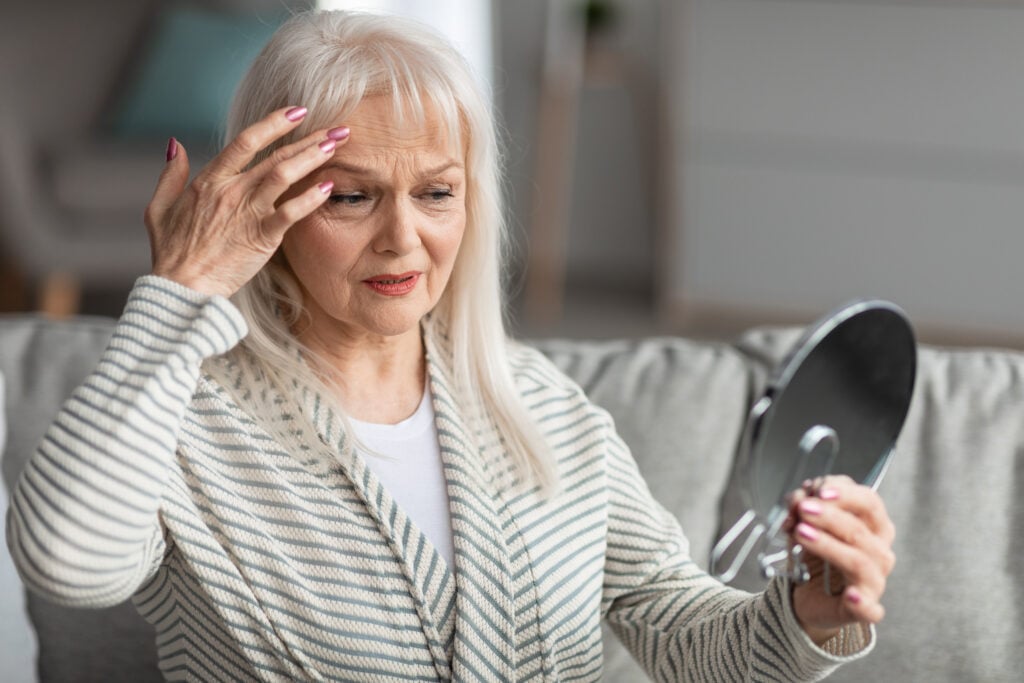
Stopping the effort to maintain appearance often comes with a harsh inner narrative: “I’m not part of the world anymore.” It’s not about beauty—it’s about belonging. The belief that only younger people deserve attention or admiration grows stronger every day they stop showing up as themselves.
This thought spiral affects how they carry themselves, speak, and even make eye contact. That sense of fading relevance isn’t just sad—it’s dangerous. Because once someone decides they no longer matter, they start living like they don’t. And that can spiral into a self-fulfilling withdrawal.
7. They become overly nostalgic for their “prime.”

When you don’t feel good in the present, the past starts to feel like the only safe place. Boomers who stop caring about their looks often find themselves reminiscing—not fondly, but obsessively. They compare every wrinkle, every photo, every outfit to “how it used to be.”
That loop traps them. Instead of moving forward with grace, they dwell in a version of themselves they think they’ve permanently lost. And that mental loop creates a widening gap between who they are and who they think they’re supposed to be.
8. They start measuring worth only through usefulness.

With appearance no longer a source of identity, many boomers shift into productivity mode—trying to prove they still matter by doing, fixing, or helping constantly. The problem is, this coping mechanism runs on empty. It’s exhausting and unsustainable.
The belief becomes: “If I’m not attractive or vibrant, I must at least be useful.” That kind of mindset leads to burnout and quiet resentment. Because eventually, they realize that people shouldn’t have to earn love or attention by being functional. But when self-worth is tied to action, rest starts to feel like failure.
9. They stop taking photos—or wanting to be in them.

Photos are time stamps. And when boomers stop feeling good about how they look, they stop wanting to leave a visual record. They shy away from cameras, family pictures, and even Zoom calls. It’s subtle at first, then it becomes automatic.
This absence from memories has long-term consequences. They start disappearing from their own life’s narrative. Loved ones notice, even if they don’t say it. And over time, that lack of visual evidence feeds the spiral that says, “I’m no longer someone worth capturing.”
10. They treat compliments with suspicion.

Even when someone tries to uplift them—“You look great!”—it often lands wrong. Boomers deep in this spiral tend to assume the compliment is fake, obligatory, or rooted in pity. They can’t receive praise because their internal dialogue has already written a harsher story.
This mistrust of kindness creates distance. It’s hard to connect with others when you don’t believe their affirmations. And when someone can no longer accept a kind word at face value, it reveals how far their sense of self has slipped beneath the surface.
11. They disengage from self-care routines altogether.
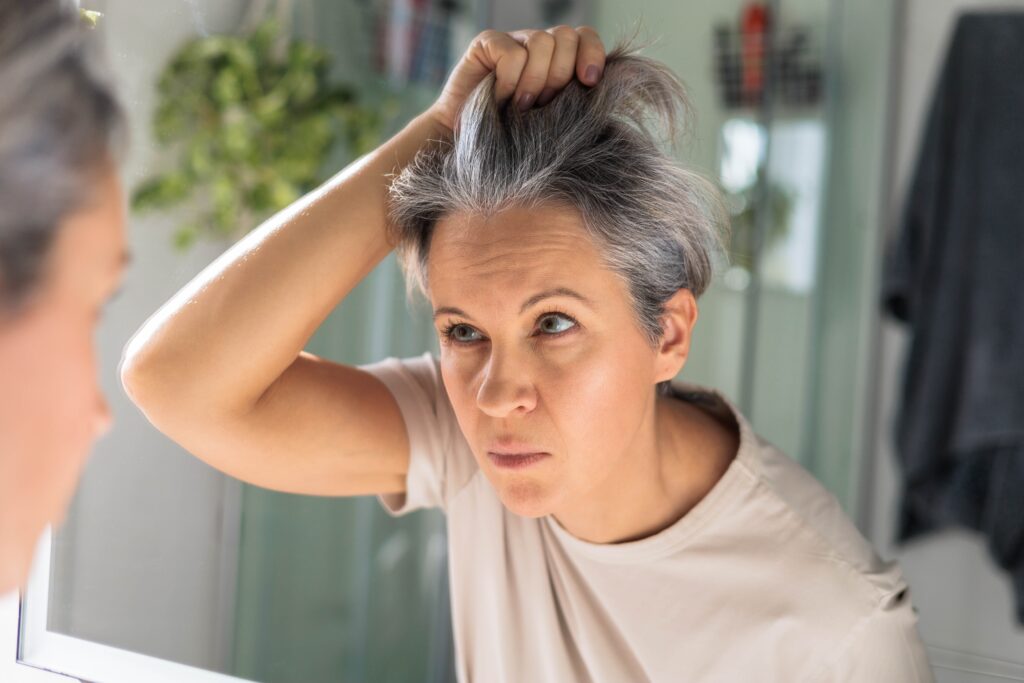
Shaving becomes optional. Skincare gets tossed. Haircuts get spaced out indefinitely. These aren’t lazy choices—they’re quiet declarations that the effort doesn’t feel worth it anymore. That kind of disengagement signals more than physical neglect—it marks emotional fatigue.
When boomers abandon the rituals that once grounded them, it creates a ripple effect. They feel less organized, less motivated, less in control. And every skipped step becomes evidence that they’ve stopped trying. Re-engaging takes more than willpower—it requires a shift in how they view their own worth.
12. They assume no one notices their decline.
A dangerous belief creeps in: “No one cares how I look anymore.” That assumption gives permission to let everything go, because why bother if no one’s paying attention? But the truth is, people do notice—they just may not know how to respond without hurting feelings.
This belief creates isolation. Boomers stop reaching out, updating their wardrobes, or attending events because they’ve convinced themselves it doesn’t matter. But the spiral deepens when they realize how disconnected they’ve become. It’s a quiet form of grief that starts with indifference and grows into regret.
13. They mistake withdrawal for acceptance.

There’s a difference between graceful aging and giving up. Boomers caught in this mental spiral often tell themselves they’re “just being real” or “past all that.” But under the surface, it’s not peace—it’s avoidance. Real acceptance involves presence, not absence.
They use age as a shield instead of a stage. That’s not empowerment—it’s retreat. And the longer they stay in that mindset, the harder it becomes to reclaim the parts of themselves that once felt vibrant, visible, and fully alive. Aging with confidence doesn’t start on the outside—but it sure shows up there.