
Centuries of unusual finds have turned one nest into a surprising scientific discovery.
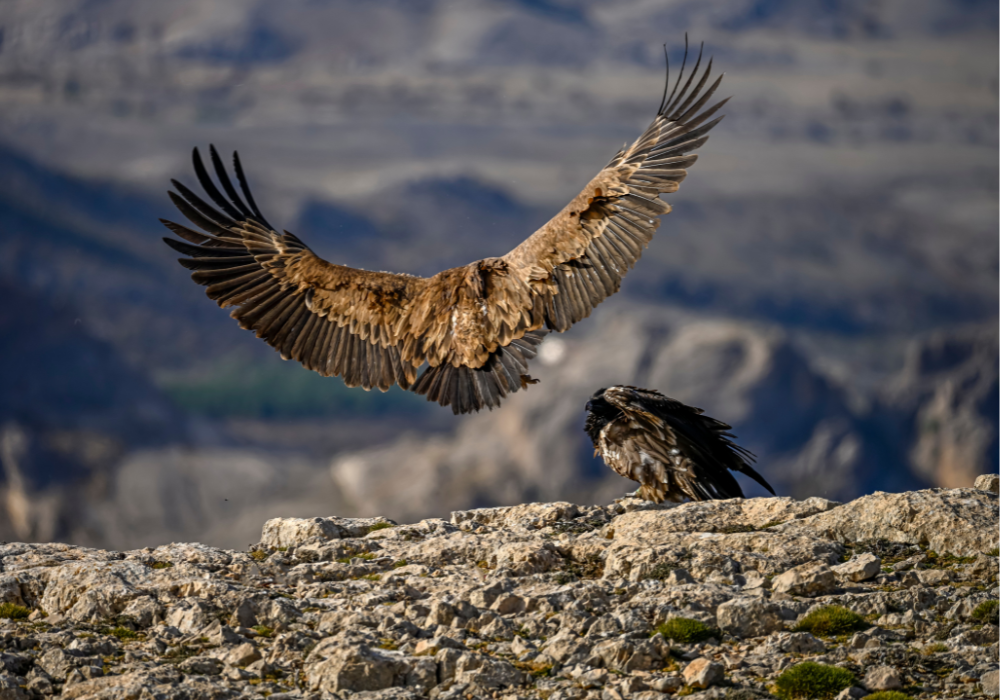
High on a rocky cliff in southern Spain, researchers came across something that did not match expectations. What looked like an ordinary vulture nest turned out to hold a long and complex record of activity.
As scientists studied it more closely, they realized the nest had been used for centuries. The materials inside offered rare insight into both animal behavior and the surrounding environment over time.
1. Researchers identified the nest as being used for hundreds of years.
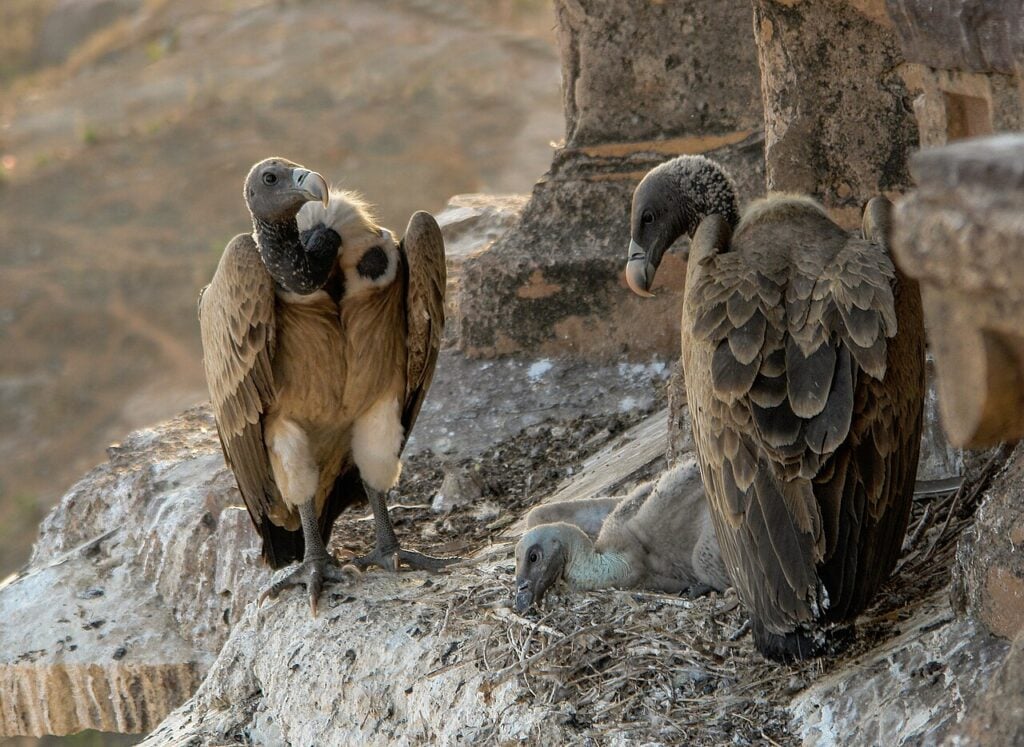
The nest was discovered in a cliffside area where large vultures have nested for generations. By examining the layers of material, scientists concluded that it had been reused and rebuilt over a very long period.
Some estimates suggest the site could date back several centuries, making it one of the oldest continuously used nests of its kind. This long history allowed researchers to study how the nest evolved over time.
2. The nest had built up in distinct layers over time.
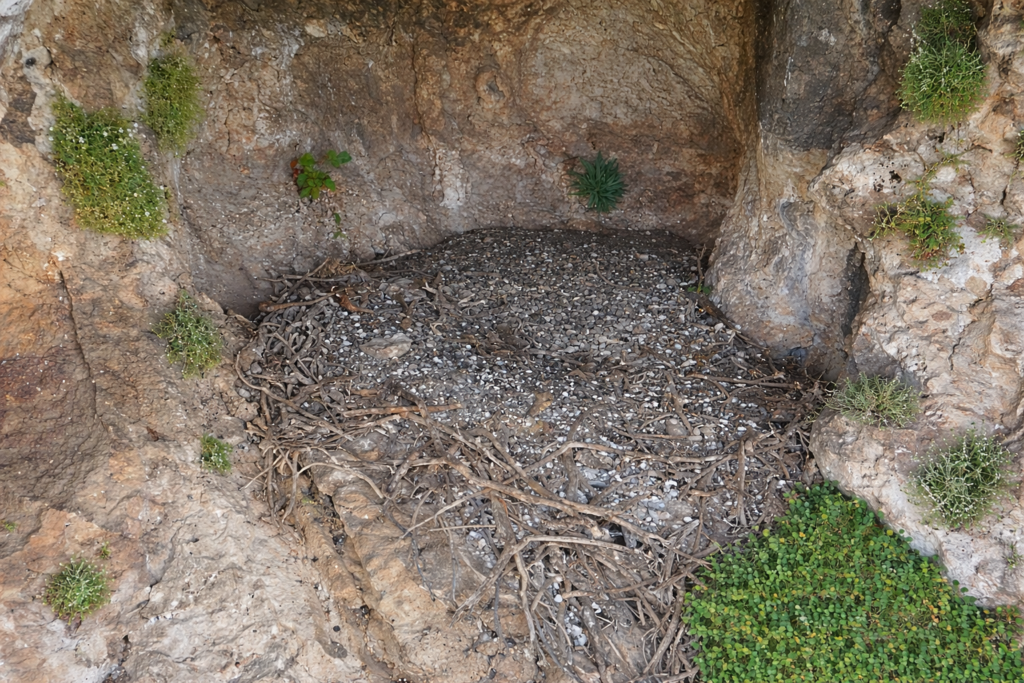
Like sediment in the ground, the nest showed clear layers of accumulated material. Each layer represented a different period of use, preserving a timeline of activity.
These layers helped scientists understand how often the nest was occupied and how materials were added over time. The structure acted almost like a natural archive of the birds’ behavior.
3. The vultures involved are known for their strong nesting habits.
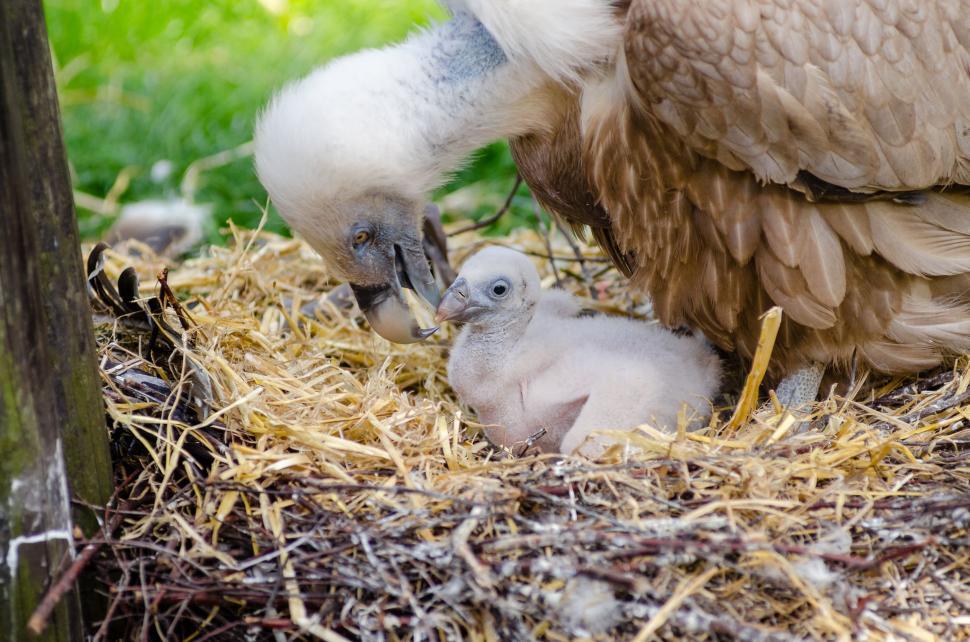
The species observed in the region, including griffon vultures, tend to return to the same nesting sites year after year. This behavior contributes to the long lifespan of certain nests.
Over time, repeated use allows materials to build up and harden. This makes some nests unusually stable and capable of lasting far longer than typical bird nests.
4. The location played a key role in preserving the nest.
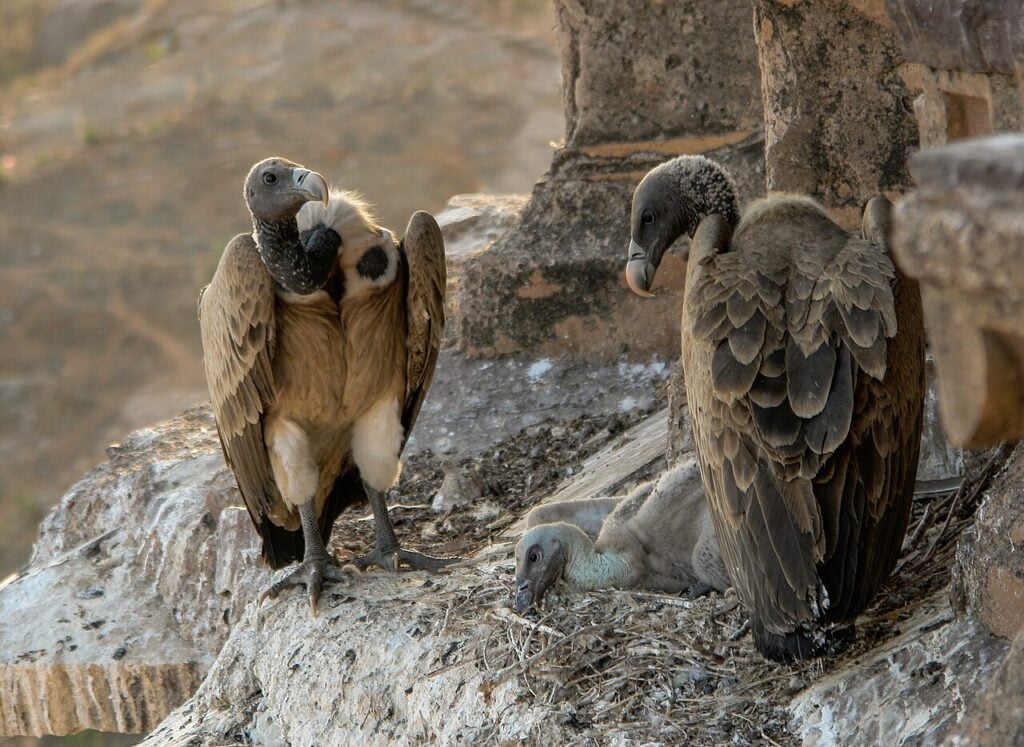
The nest was situated on a protected cliff face, sheltered from heavy weather and human disturbance. This helped prevent erosion and allowed materials to remain intact.
Stable conditions like these are rare for bird nests. Without significant disruption, the contents were able to accumulate and remain preserved over long periods.
5. Scientists were surprised by the variety of materials present.
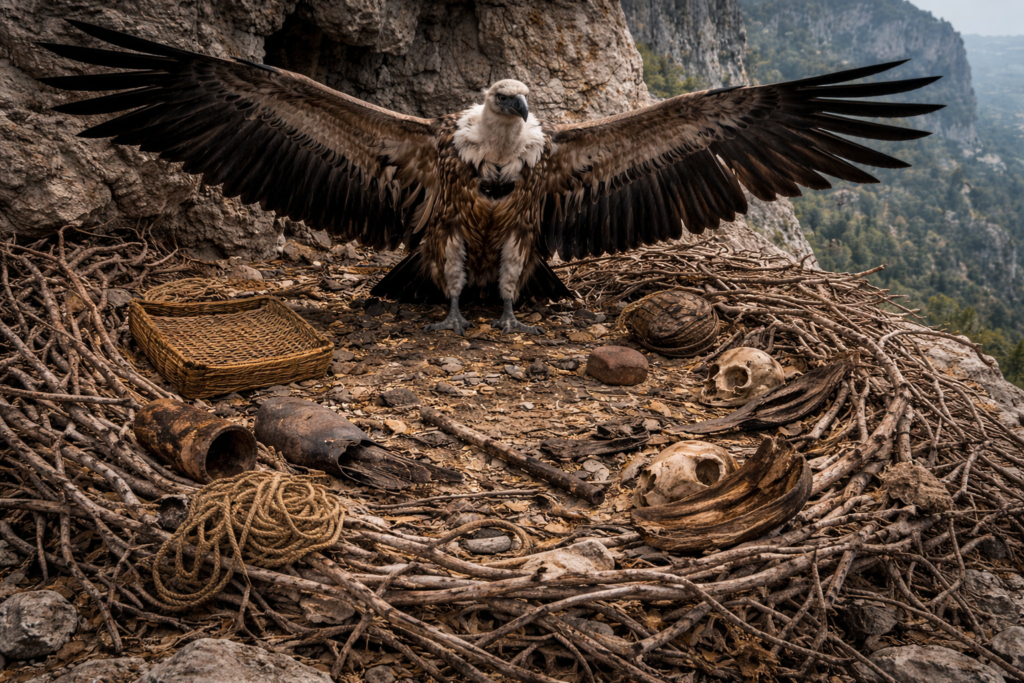
While vultures typically gather natural materials, the nest contained a wider range than expected. This suggested the birds were collecting items from their surroundings over time.
The diversity of materials provided clues about how the environment around the nest had changed. It also highlighted how adaptable vultures can be when building and maintaining their nests.
6. Some materials pointed to changes in the surrounding environment.
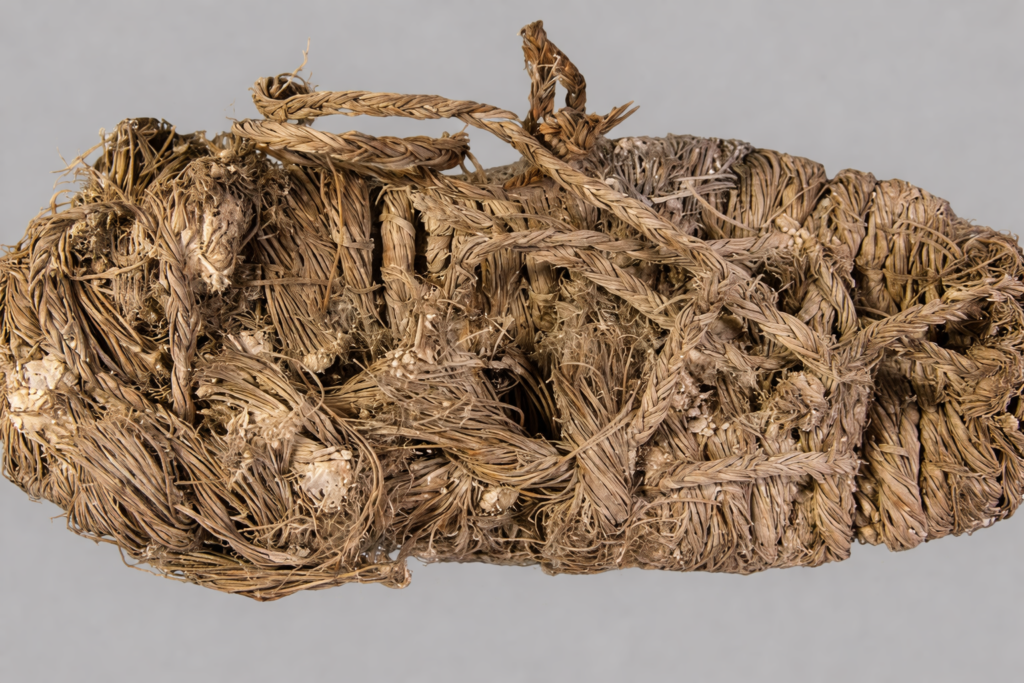
As researchers carefully examined the nest layers, they discovered objects that clearly reflected both natural and human activity. Among the most striking finds were fragments of woven esparto grass, pieces of fabric, and sections of leather that had been carried into the nest over time.
These materials suggest the vultures were collecting items from nearby human settlements. Because some of these fragments date back hundreds of years, they provide a rare snapshot of how the surrounding landscape and human presence evolved across generations.
7. The nest offered insight into how vultures interact with their surroundings.
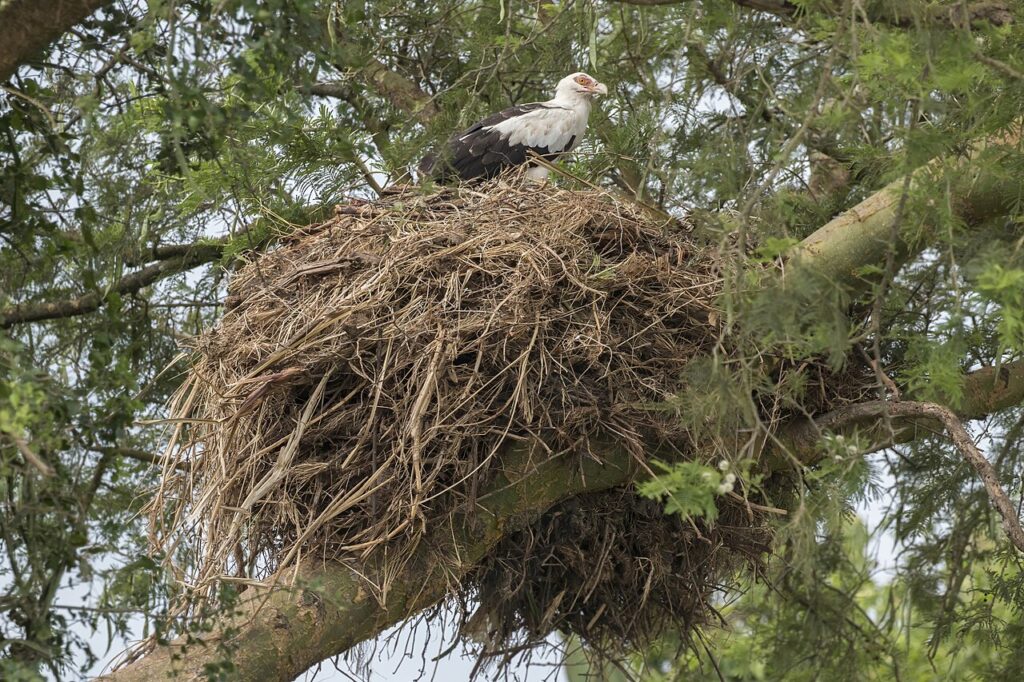
The findings showed that vultures were not just gathering sticks and bones. They also brought back unusual objects such as a crossbow bolt, parts of a sling, and even fragments of basketry, likely picked up while scavenging.
This behavior highlights how opportunistic these birds can be. Over time, their instinct to collect materials turned the nest into a layered record of both wildlife activity and traces of human history that would otherwise have been lost.
8. The structure had become unusually large and compact.
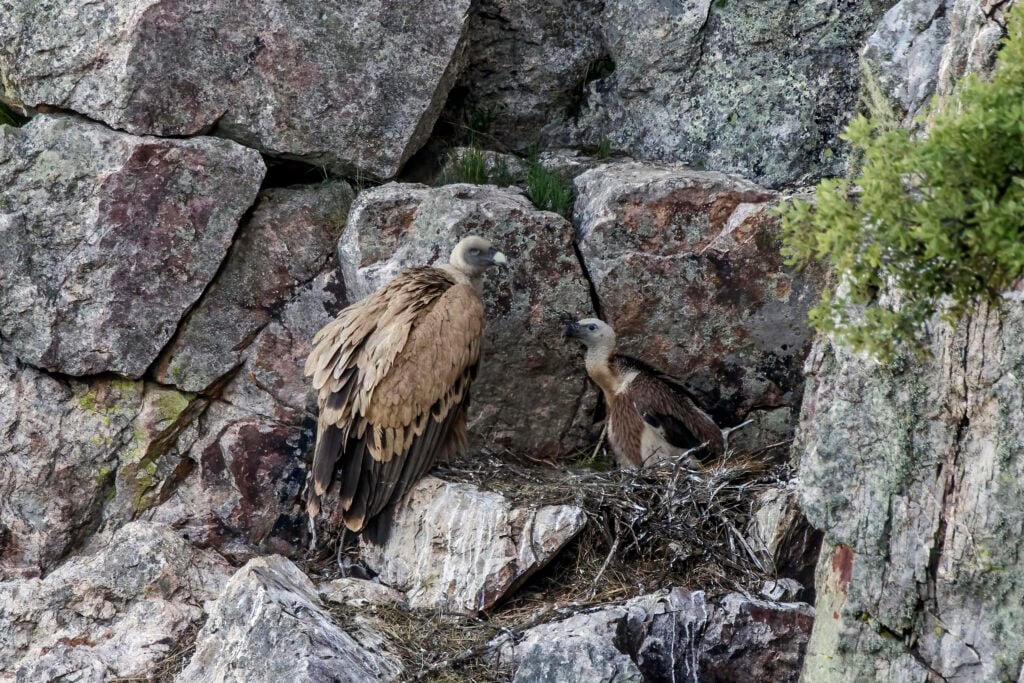
Over centuries of use, the nest grew into a dense and layered structure. The repeated addition of materials caused it to become larger and more solid than a typical nest.
This kind of buildup is uncommon and only occurs under specific conditions. Its size and durability made it possible for the nest to persist across generations of birds.
9. Findings like this are rare in wildlife research.
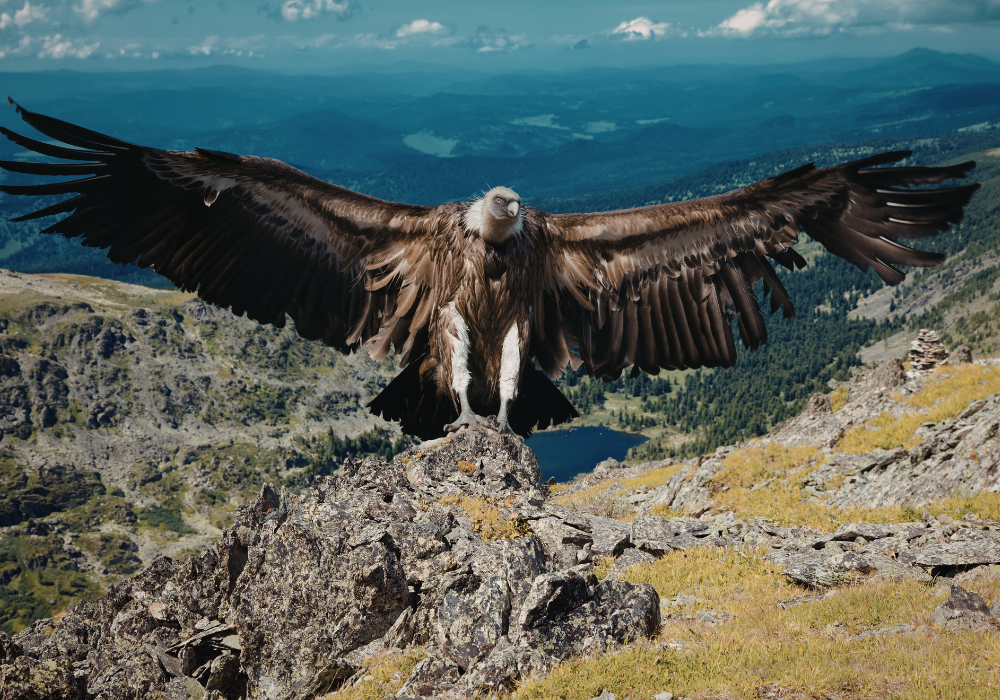
Most bird nests do not last long enough to accumulate such a detailed record. Exposure to weather and predators usually breaks them down quickly.
That makes discoveries like this especially valuable. They provide a rare opportunity to study long-term patterns in animal behavior and environmental change.
10. The discovery is helping scientists ask new questions.
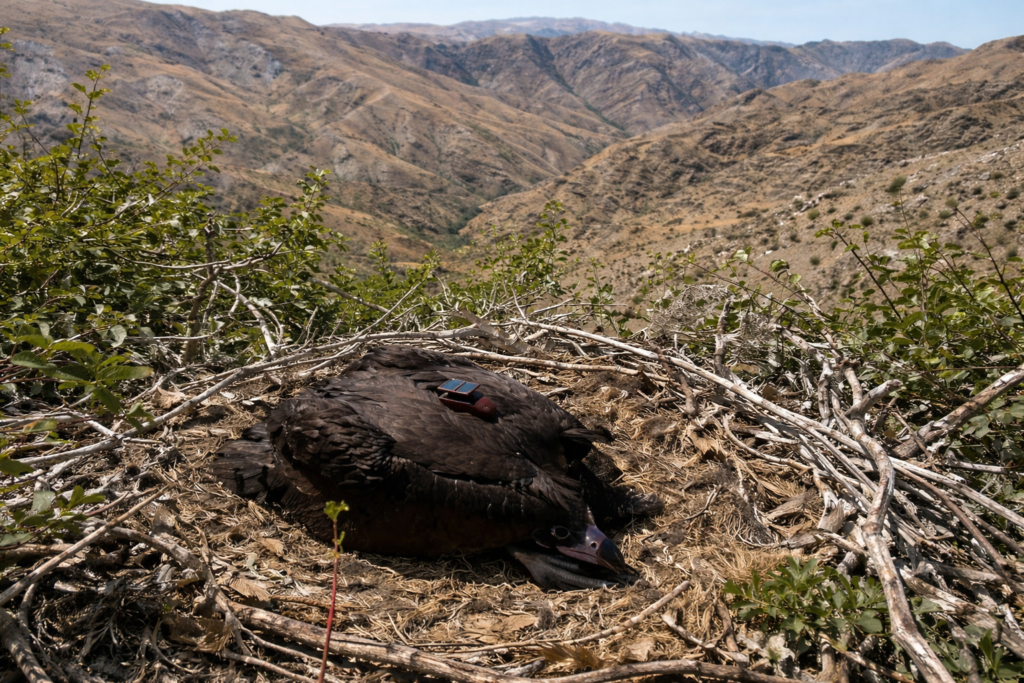
Rather than offering simple answers, the nest has opened up new areas of research. Scientists are now exploring how widespread this type of nesting behavior might be.
It also raises questions about how animals interact with human-altered environments over time. What began as a routine observation has turned into a deeper investigation into both wildlife and history.