
These crazes are so out there that boomers can’t help but feel like strangers in a strange land.
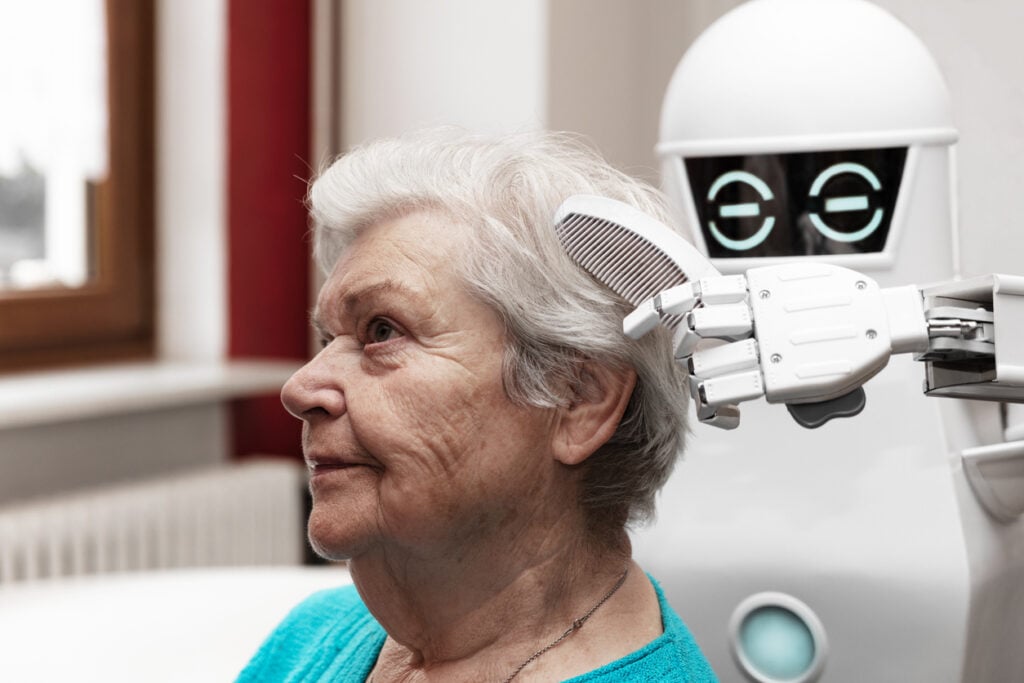
There are moments when boomers look around and wonder if they’ve somehow landed on another planet. The world today moves fast, and what once seemed normal now feels completely outdated. People talk, dress, and behave in ways that make no sense to those who grew up in a different era.
It’s not just about technology—it’s an entire shift in how society operates. Some changes are fascinating, while others leave boomers scratching their heads, questioning how we got here.
1. People are paying real money for digital clothes and accessories.

Once upon a time, buying clothes meant something you could actually wear. Now, people are shelling out cash for digital outfits—yes, clothes that exist only online. Virtual fashion, NFTs, and in-game purchases have turned pixels into a booming industry. To boomers, spending money on something you can’t physically put on sounds absurd. But for younger generations, flexing online is just as important as real life. It’s a strange new world where “wearing” something doesn’t mean actually touching it.
2. Adults are obsessed with talking like teenagers.

It’s one thing for teenagers to invent slang, but why are grown adults adopting it like a second language? Words like “slay,” “vibe check,” and “rizz” are everywhere—even in professional settings. Boomers grew up with phrases that made sense for their time, but today’s lingo changes faster than anyone can keep up with. Some love keeping up with the latest talk, while others wonder why fully grown adults are speaking like they just walked out of high school.
3. People are proudly showing off their messy homes online.
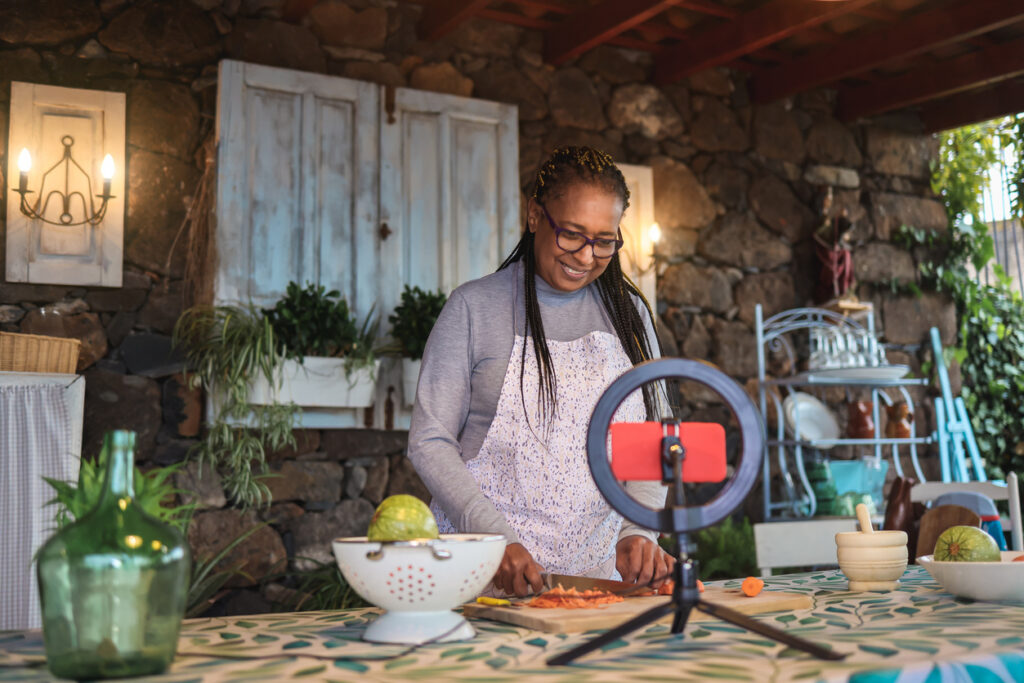
Back in the day, a tidy home was a sign of self-respect. Now, there’s an entire movement around “realistic” homes—meaning cluttered, unmade beds and dishes in the sink. Social media influencers are ditching the perfect aesthetic and embracing chaos. Boomers can’t understand why anyone would willingly broadcast their mess to the world. Growing up, guests were greeted with a spotless house, not piles of laundry. Today, it’s all about keeping it real, even if that means showing pure chaos.
4. Eating entire meals on camera is a full-time job.
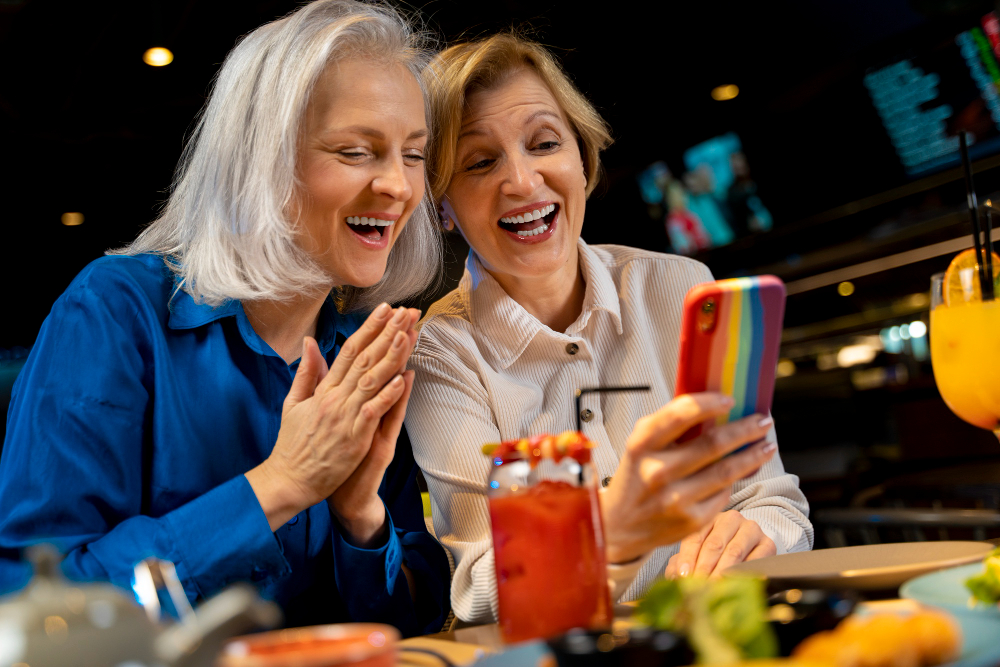
Once, eating was something you did with friends and family. Now, people make a living by recording themselves eating massive amounts of food for strangers to watch online. Mukbang videos, where influencers devour huge meals on camera, rake in millions of views. Boomers may struggle to understand why watching someone slurp noodles or chew loudly is so popular. But for younger audiences, these videos are oddly soothing—and apparently, they’re making some people rich in the process.
5. Sleeping is now a competitive sport.

Once, getting a good night’s sleep was just part of life. Now, people track their sleep like a fitness routine and even compete over who sleeps “better.” Sleep apps, smart rings, and gadgets give people a “sleep score” each night. Boomers remember when you either slept well or you didn’t—no one needed an app to tell them. But in today’s world, everything is measured, analyzed, and turned into a competition, even something as basic as resting.
6. People are treating AI chatbots like their new best friends.
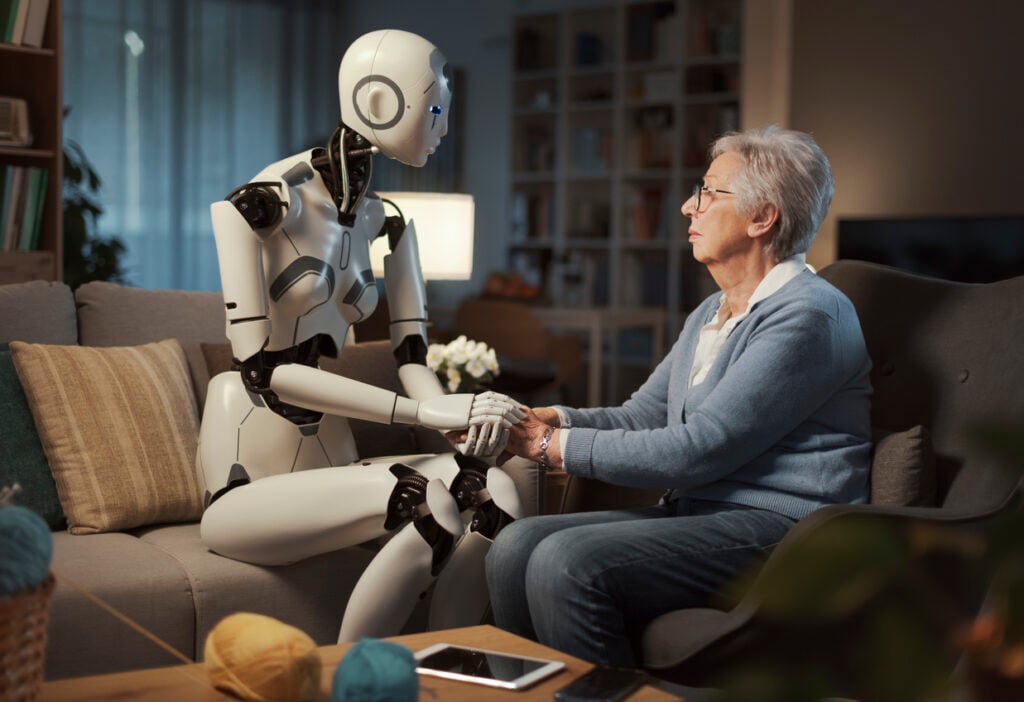
Artificial intelligence used to be the stuff of science fiction, but now people are forming real connections with AI chatbots. Some are even developing emotional attachments, chatting daily with AI “companions” for comfort. Boomers grew up socializing face-to-face, making this trend feel unsettling. Why talk to a machine when you could call a friend? For younger generations, AI offers instant responses and judgment-free conversation—something they crave in an increasingly digital and isolating world.
7. The rise of the “silent” social media influencer.

Boomers remember when influencers had to actually say something to be famous. Now, silent influencers are taking over—people who make viral videos without uttering a single word. They just nod, point, or mime while text pops up on the screen. Millions of people follow them, but why? It’s baffling to older generations who are used to charismatic speakers or entertainers. But in an age of short attention spans, silence is golden—and apparently, highly profitable.
8. People are treating houseplants like pets.
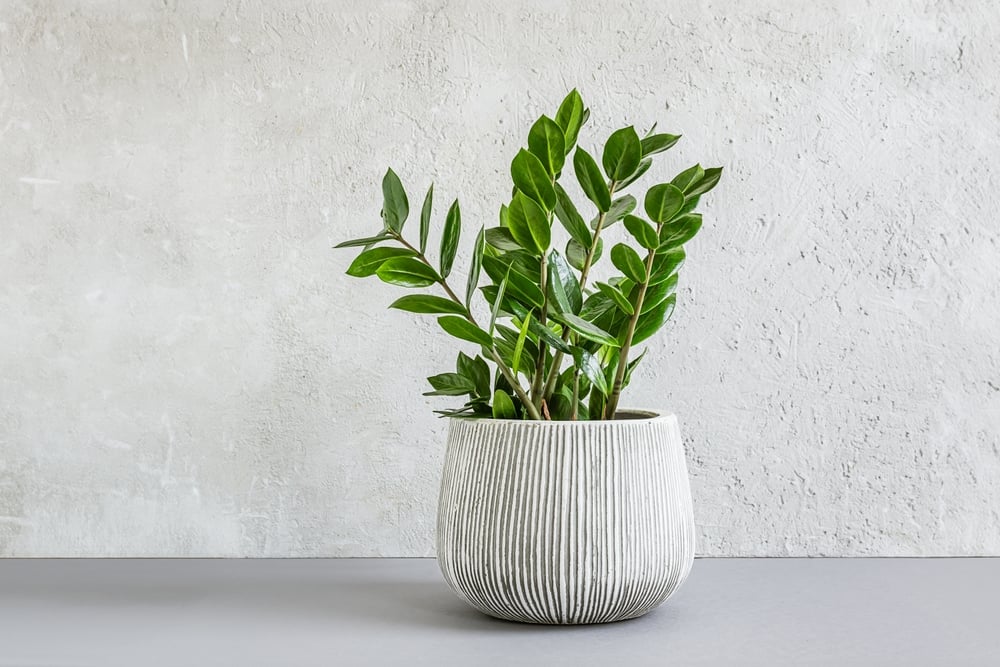
Houseplants used to be just that—plants. Now, they have names, personalities, and Instagram pages. Younger generations obsess over their “plant babies,” talking to them, tracking their growth, and even throwing plant parties. Boomers had houseplants too, but they didn’t treat them like living, breathing family members. This trend feels over-the-top, but for many, caring for plants is a form of therapy. In an era where home ownership feels out of reach, plants are the next best thing.
9. Minimalism is out—maximalism is in.
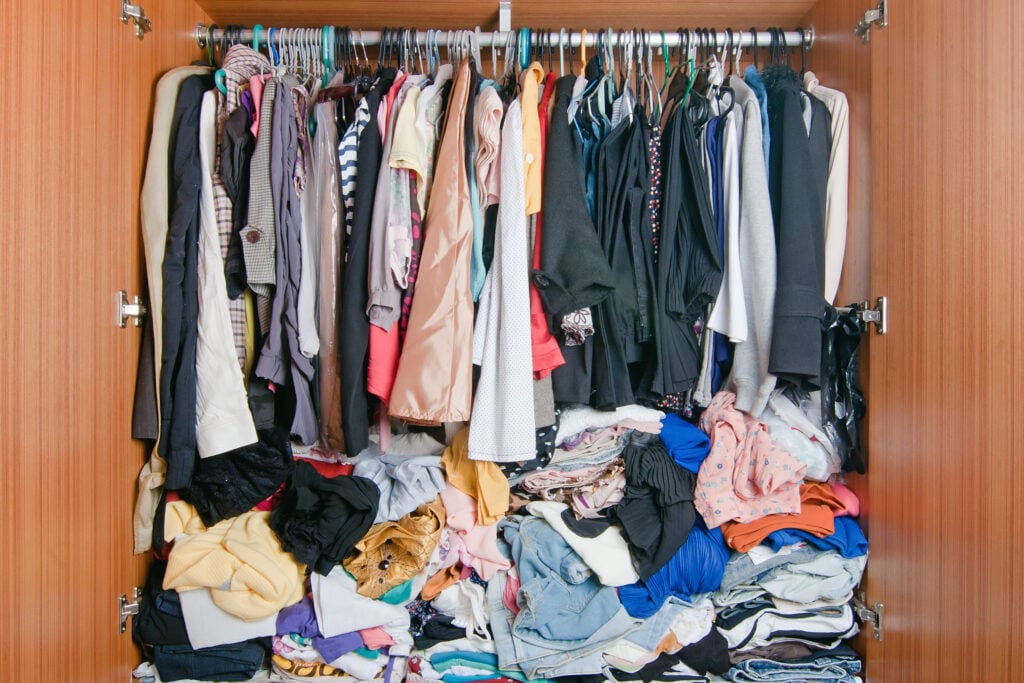
For years, decluttering was all the rage. Now, younger generations are doing a complete 180, filling their homes with bold colors, mismatched patterns, and walls covered in trinkets. Boomers who spent years getting rid of “stuff” can’t understand why anyone would want to surround themselves with clutter again. The idea of living in a space jam-packed with things feels overwhelming. But for those embracing maximalism, it’s all about self-expression—more is more, and blank spaces are boring.
10. People are romanticizing being “chronically online.”
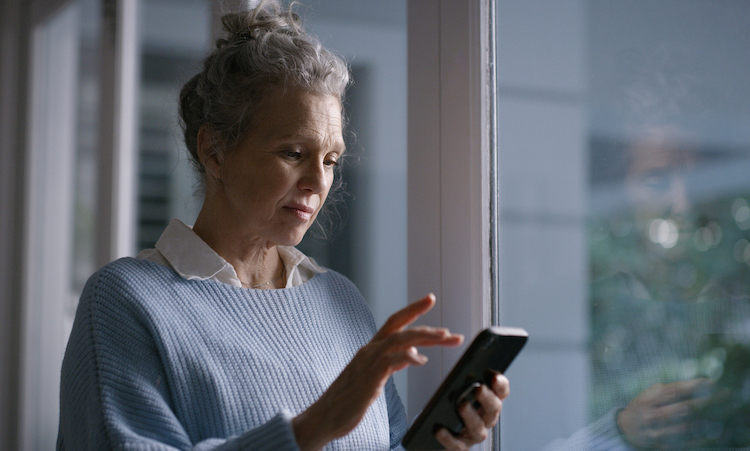
Being glued to a screen used to be something people tried to avoid. Now, some wear it like a badge of honor. The term “chronically online” describes people so immersed in internet culture that they struggle with real-world interactions. Boomers can’t fathom why anyone would brag about spending more time on the internet. In their day, too much screen time meant you needed to “go outside and get some fresh air.” Today, online life is the real world.
11. Working a normal 9-to-5 job is considered outdated.

Boomers were raised to believe in stable careers, pensions, and climbing the corporate ladder. Now, the traditional 9-to-5 is viewed as an outdated concept. Younger generations are all about freelancing, side hustles, and rejecting office life entirely. While this flexible lifestyle sounds appealing, boomers wonder how anyone builds financial security without a steady paycheck. The idea of quitting a job to “travel and find yourself” is baffling—but for many, it’s the ultimate dream.
12. People are paying extra for “de-influencing.”
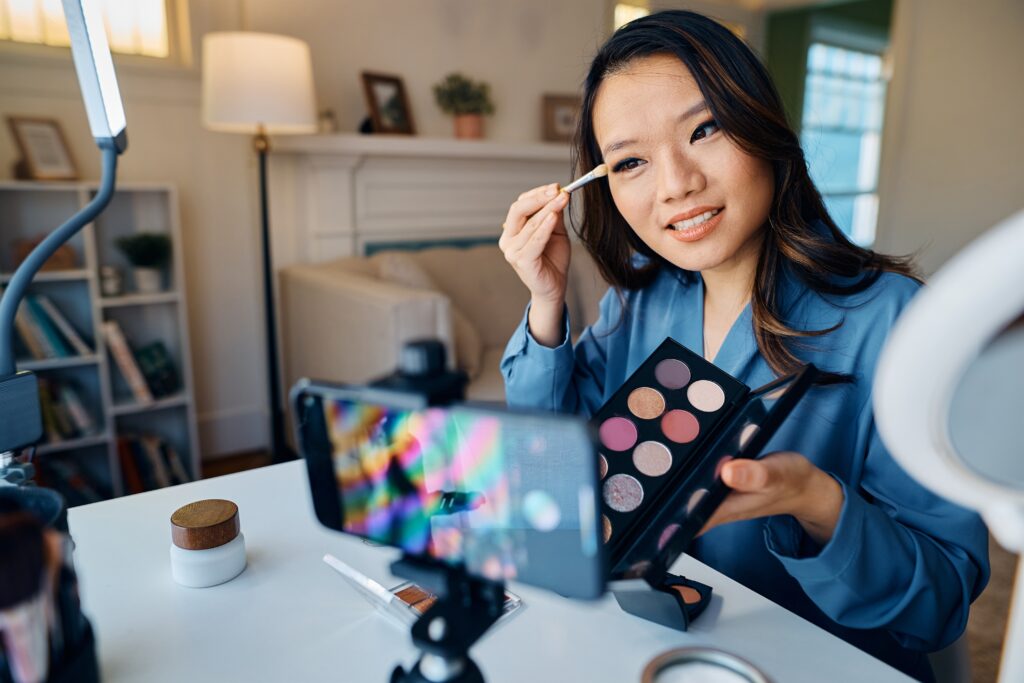
Social media influencers used to exist to sell products. Now, a new trend called “de-influencing” is taking over—where influencers tell you what not to buy. Strangely enough, this reverse psychology is just as profitable. Boomers can’t help but laugh at the idea of people making money by convincing others not to spend money. But in an age of overconsumption, younger generations are craving honesty—and ironically, they’re still buying plenty of products in the process.
13. Therapy-speak is taking over everyday conversations.
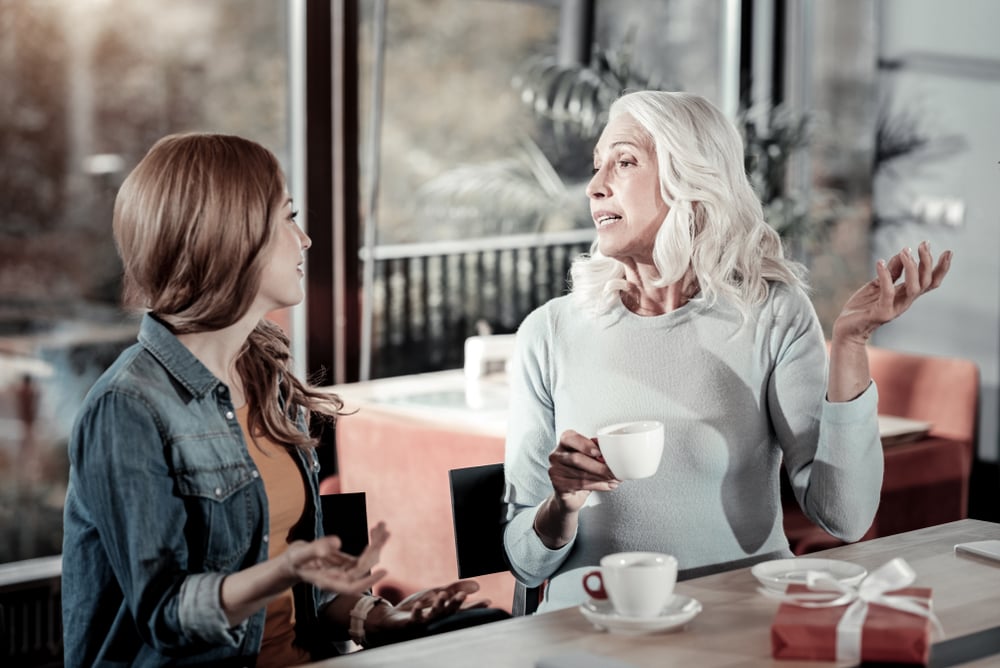
Phrases like “I don’t have the emotional capacity for this” or “I’m setting a boundary” have moved from therapy offices into casual conversations. Boomers, who were raised to just deal with things, find this shift strange. Talking like a self-help book is now normal, and sometimes it feels like younger generations are using psychology to avoid simple conflict. While emotional intelligence is great, boomers can’t help but feel like not every minor disagreement needs a therapy session.
14. People are attending concerts… in the metaverse.

Nothing beats the energy of a live concert—or so boomers thought. Now, people are paying to watch virtual concerts from their couches, complete with holograms, avatars, and digital stages. To older generations, this feels like watching TV, not a real event. But for younger fans, virtual concerts offer front-row seats without the hassle of travel or crowds. It’s a wild concept, but in a world that’s going digital, even live music isn’t immune to change.