
What park officials are asking visitors as they enter and why it’s catching travelers off guard
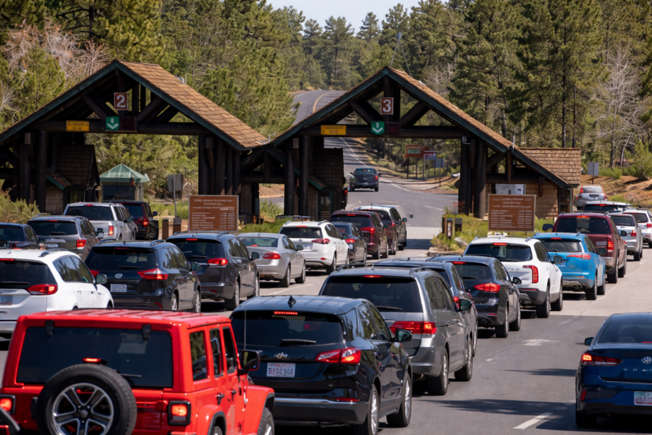
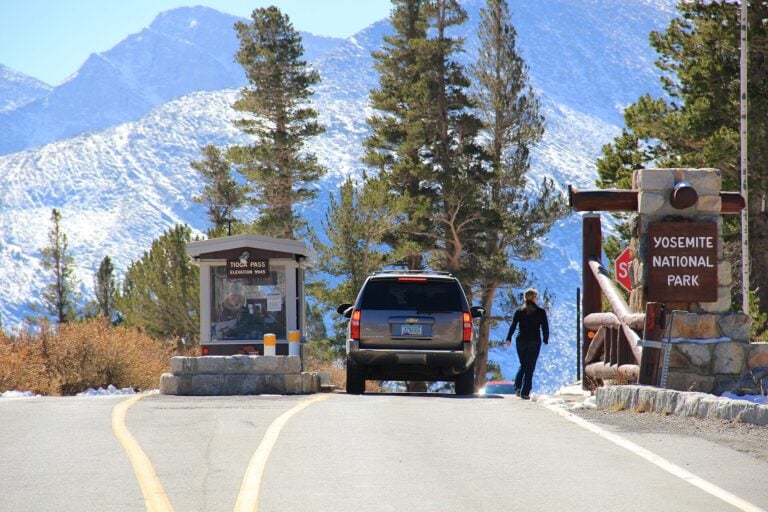
Driving all the way to a national park usually feels like the hardest part. But in early 2026, some visitors finally rolled up to the entrance booth and got hit with a new question that instantly changed the mood: Are you a U.S. resident?
Here’s what’s happening at the gate, why some travelers are turning around, and how to avoid being blindsided on your next winter park run.
1. The surprise question that’s freezing the line at the booth
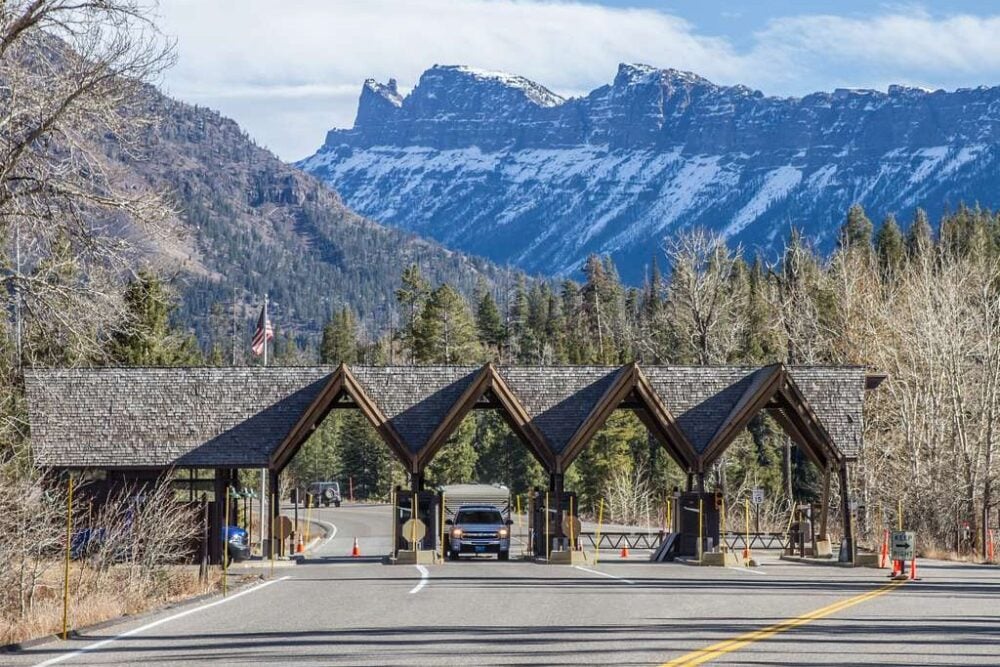
Visitors say the weird part is how unexpected it feels. It’s not the normal gate routine about campsites, permits, or pets. Staff at certain parks are now told to ask if anyone in the vehicle isn’t a U.S. citizen or resident, because the fee can shift depending on the answer.
It’s an easy question on paper, but in the moment, it can feel like a pop quiz. Some travelers answer, pay, and pull forward. Others stall out, either unsure, irritated, or suddenly self-conscious—especially if they’re with friends or family who have different status.
2. The real reason is a new nonresident surcharge

At the parks included in the policy, non-U.S. visitors over 16 now get an extra $100 added on top of the regular entrance cost. Nonresident annual passes also come with a higher price tag, which can feel like a big jump when you’re standing there doing mental math.
If you didn’t know it was coming, the total can hit like a financial slap. And if you already spent heavily on gas, lodging, meals, and gear, you may not have room for a surprise fee. For some people, the decision is immediate: they bail.
3. It’s showing up at 11 of the busiest parks

Most of the reports focus on huge, high-traffic parks where entrance lanes already back up fast. Think Yosemite, Yellowstone, Grand Canyon, Zion, Rocky Mountain—places where the crowds start early and the gate mood can sour quickly when delays build.
In those lanes, even a 30-second pause matters. A quick question turns into a longer explanation. A longer explanation turns into a crawl. And once drivers start stacking behind you, the stress level rises for everyone, especially during weekends and holiday rushes.
4. Rangers say it’s not “immigration checks,” but it can feel that way
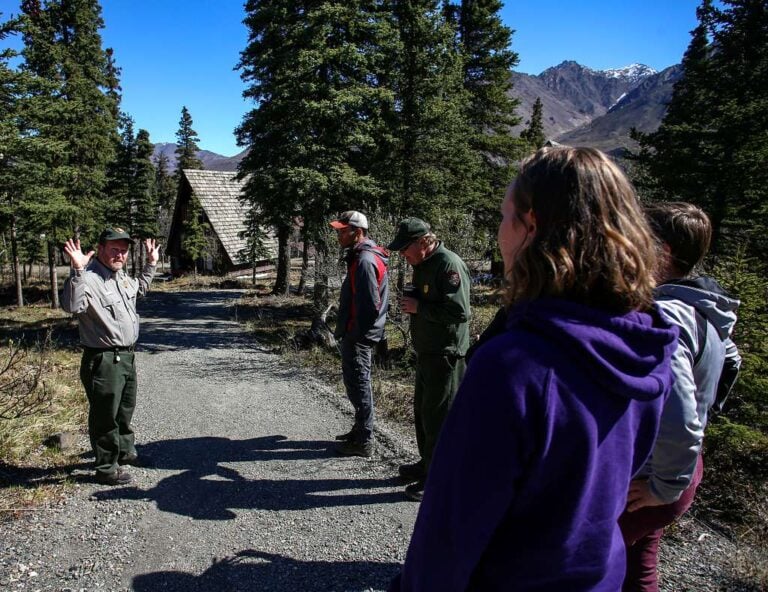
Park officials have said staff aren’t doing immigration checks beyond confirming eligibility for a specific fee or pass. But when you’re arriving for a vacation and get asked about residency, it can feel personal in a way entrance fees usually don’t. People also worry about being judged or misunderstood.
That’s a big reason the story caught fire. Travelers don’t expect identity-based questions at a national park gate. Even if the goal is pricing, the vibe can feel like a checkpoint, especially to international visitors who expected a warm welcome, not an awkward interrogation.
5. Proof of residency can suddenly become a big deal

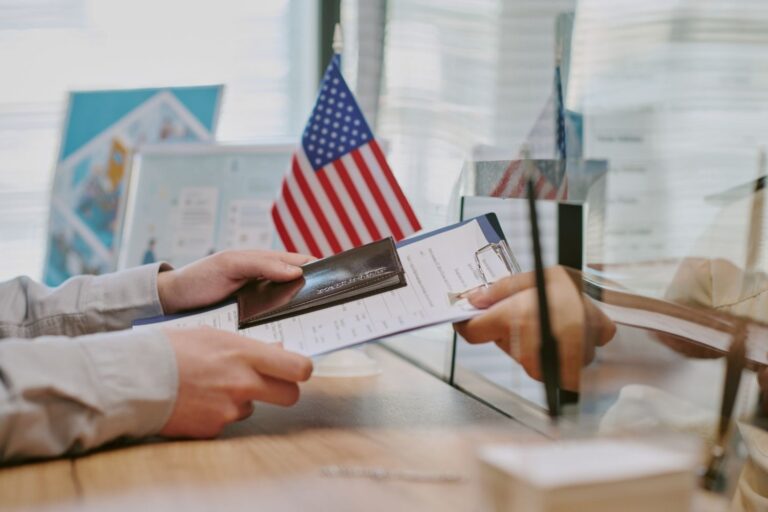
Some annual passes are now described as resident-restricted, which means people may be asked to show U.S. government-issued ID. If you don’t have it, staff might tell you to pay a different rate or purchase the nonresident option instead.
That’s where road trips get messy. Maybe the ID is buried in luggage. Maybe one person bought the pass and everyone else assumed it would work. Maybe the vehicle has mixed residency. Those little complications at the booth can quickly turn into “forget it, let’s just leave” energy.
6. Confusion is doing the most damage
Most travelers say the biggest issue isn’t being asked—it’s being surprised. People plan park trips down to the dollar, then find out about the new cost while they’re already idling in line, trapped in that awkward space between excitement and irritation.
Then the chain reaction starts. People argue in the car. Staff try to explain. The lane slows. Tempers rise. In busy parks with limited staffing, even tiny slowdowns can snowball into long waits and a tense tone that hangs in the air all morning.
7. The gate moment affects the whole day inside the park
Even when visitors decide to go in, the entrance interaction can set the emotional tone. Some people report feeling less welcome or more on edge, and that mood can follow them onto trails, shuttles, viewpoints, and visitor centers. It’s surprisingly hard to shake off a stressful start.
And when a family turns around, it doesn’t just affect their day. Nearby towns lose restaurant stops, hotel nights, and gift shop spending. Park gateway communities run on visitor flow, and sudden changes like this can hit local businesses faster than people realize.
8. What to do before you drive to the entrance station

Treat the park gate the way you’d treat an airport check-in. Look up the current entrance rules for that specific park, confirm whether any surcharge applies, and screenshot the fee information in case cell service disappears. Do it the night before, not while you’re creeping forward.
If you’re using a pass, bring the same ID tied to the purchase. If your group has mixed residency, decide ahead of time how you’ll handle it and who’s paying. A little planning turns an uncomfortable surprise into a smooth five-minute stop.
9. What to do if you’re asked and you didn’t expect it

If you’re already at the window and didn’t budget for the extra cost, keep it calm and keep it short. Ask what your options are, including day passes versus annual passes, and get the exact total before paying. One polite question saves you from a long, tense back-and-forth.
If you decide it’s not worth it and want to leave, do it safely. Don’t panic-turn across lanes or stop on the shoulder. If possible, pull into a nearby lot, regroup, and check official info before rewriting your entire trip plan in frustration.
10. Why this situation is bigger than one awkward question

This is really about the bigger pressure national parks are under. Crowds keep growing, infrastructure keeps aging, and staffing is stretched thin. So when a new rule adds friction at the gate, it doesn’t stay small—it shows up instantly in lines, delays, and frustrated visitors.
It also opens up a wider debate about access. National parks are often described as shared public treasures. When cost and identity get tied together at the entrance booth, people pay attention. The argument isn’t only about money, but about who feels welcome at the gate.
11. The likely next chapter is better communication
No matter where people land politically, most visitors agree on one thing: surprise policies at the entrance booth are a bad experience. Clear signs, updated fee messaging, and consistent staff training would reduce conflict and keep traffic moving. When people know the rules, they rarely fight them.
Until the process gets smoother, assume entrance policies can change without much warning. Check current fees before each trip, bring the right ID for any pass you’re using, and give yourself extra time in case the line is slow. A calm entrance often makes the whole park day feel better.