
Many retirees stay put because of past investments, even when it costs them happiness and freedom.

Retirement is supposed to feel like a fresh start, but for many people, it doesn’t turn out that way. Instead of enjoying their freedom, they find themselves stuck in routines, commitments, or decisions that no longer feel right.
What keeps them there often isn’t obligation or necessity, but a quiet mental trap. It’s the feeling that too much has already been invested to walk away now, even when staying no longer makes sense.
1. It starts with a decision that once made perfect sense

At some point, the choice you made felt right. Maybe it was a home you loved, a financial commitment, or a lifestyle that fit your goals at the time. You had good reasons, and you likely put in effort, time, and money to make it work.
The problem is that life keeps changing, even when your decisions stay the same. What once felt exciting or secure can slowly become limiting. Many retirees don’t notice the shift right away, which is how this pattern quietly begins.
2. Then something begins to feel slightly off
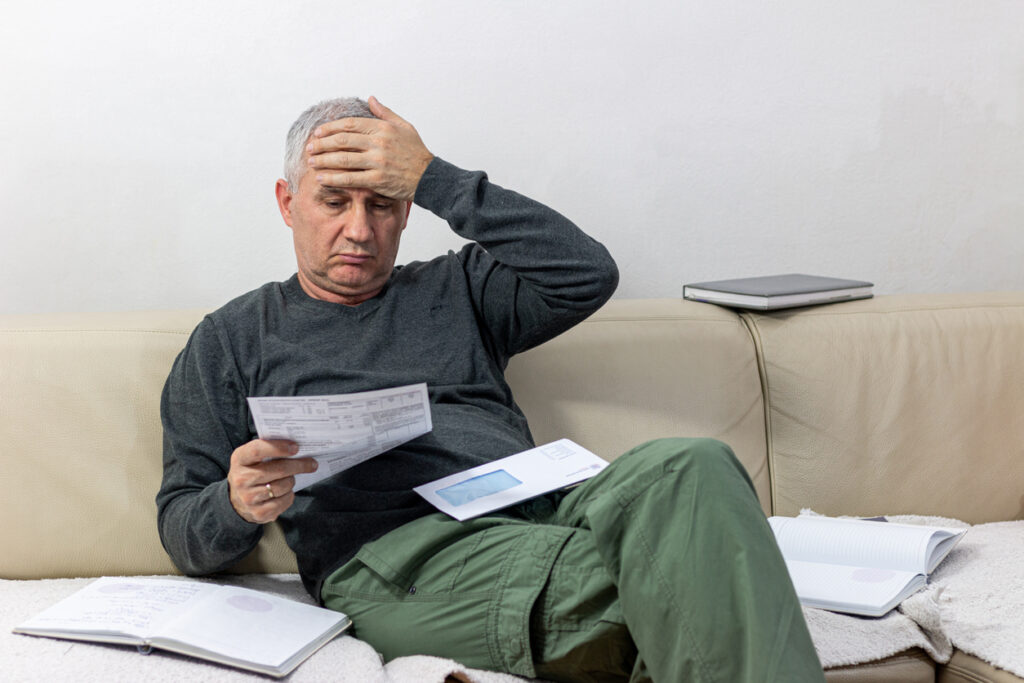
It usually doesn’t hit all at once. There is just a growing sense that something is no longer quite right. Maybe the house feels too big, the expenses feel heavier, or the routine feels more draining than enjoyable.
These feelings are easy to brush aside at first. After all, nothing is technically wrong. But over time, that subtle discomfort builds into something harder to ignore, even if you cannot quite explain it.
3. You tell yourself it’s too late to change course

Once that discomfort sets in, a common thought follows close behind. You start thinking about everything you have already put into the situation. The time, the money, the energy, all of it begins to weigh on your decision making.
Instead of asking what would make you happiest now, your mind shifts to protecting what you have already invested. That shift is where many retirees unknowingly get stuck.
4. The idea of walking away starts to feel like losing

Letting go can feel less like a smart move and more like a personal failure. Even when something is no longer serving you, leaving it behind can feel like admitting you made the wrong call.
That emotional weight makes it harder to think clearly. You are no longer just evaluating your current situation. You are trying to justify the past, which can keep you tied to something long after it stops making sense.
5. So you stay and try to make it work

Instead of making a change, many people double down. They tell themselves things will improve or that they just need to adjust their expectations. Sometimes they invest even more time or money to fix what no longer fits.
This can feel productive in the moment, but it often deepens the attachment. The more you put in, the harder it becomes to step back and reassess whether staying is truly the best option.
6. Small frustrations begin to pile up

Over time, the gap between what you hoped for and what you are experiencing becomes more noticeable. Little annoyances start showing up more often, and they tend to linger longer than they used to.
You might find yourself feeling irritated, tired, or quietly disappointed. None of it feels big enough to force a change, but together, these small frustrations start to chip away at your overall sense of satisfaction.
7. You start adjusting your expectations downward

Rather than making a change, many retirees begin to lower their expectations. They tell themselves this is just how things are now, or that no situation is perfect anyway.
While that mindset can feel practical, it can also limit what you believe is possible. Over time, settling becomes the norm, and the idea of something better starts to feel unrealistic or out of reach.
8. The cost of staying becomes harder to ignore

Eventually, the emotional and financial costs of staying begin to stand out. You may notice you are spending more than you want, or giving up time and energy you would rather use elsewhere.
At this stage, the tradeoffs become clearer. What once felt like a safe or logical choice now feels heavier. The question shifts from whether you can stay to whether staying is actually worth it.
9. A moment of clarity forces a new question

For many people, there comes a moment where everything clicks. It might be triggered by a conversation, a life event, or simply taking a step back to reflect honestly.
Instead of asking what you have already invested, you begin asking what you truly want going forward. That shift can feel uncomfortable, but it also opens the door to decisions that are based on your present reality.
10. Letting go becomes a path forward, not a failure

The biggest realization is often the simplest. Walking away is not about wasting what you have invested. It is about choosing what makes the most sense now.
When you see it that way, letting go starts to feel less like a loss and more like a form of freedom. It allows you to realign your life with what actually matters to you today, which is what retirement was meant to be about in the first place.