
What looks like detachment is often empathy, awareness, and calm shaped by emotional intelligence.

Pausing during conflict, staying quiet in group settings, or declining requests without apology can seem cold to others. But these behaviors often stem from emotional intelligence, not aloofness. Traits like self-awareness, boundary-setting, and calm communication signal thoughtful restraint and empathy. Recognizing these quieter signs of emotional maturity helps reframe how we interpret others’ intentions and strengthens our own emotional toolkit in everyday interactions.
1. Taking quiet time to process emotions before responding to others.

Stepping back before speaking allows the brain’s emotional centers time to cool and align with problem-solving regions. Rather than ignoring others, this habit reflects self-monitoring—a brief silence that makes room for nuance and prevents reflexive replies loaded with unintended sting.
In a tense moment, someone who goes quiet might seem cold, but they’re often scanning for clarity, not distance. Giving thoughts a moment to settle—like mist clearing before sunrise—lets empathy find the tone, not just the words, and sets up a saner exchange.
2. Choosing to listen more than speak in charged conversations.

In emotionally charged exchanges, saying less often signals presence, not disinterest. A person who listens first may be absorbing more than just the words—they’re reading cues, weighing context, and resisting the impulse to dominate the air.
Their restraint helps prevent escalation and keeps emphasis on understanding over reaction. A long pause between someone’s comment and their measured response might look like detachment, but in fact, it gently slows the emotional current, anchoring everyone to something steadier.
3. Setting clear boundaries without overexplaining or apologizing.

Communicating needs directly, without offering long explanations or softening language, can make a person seem brisk. In reality, boundary-setting requires self-awareness paired with respect for others’ time and energy—it replaces guilt with clarity and pretense with firmness.
Rather than fumble for justifications, someone might say, “That won’t work for me,” and stop there. That brevity can feel startling, but it clears space for honest interaction without confusion, and it quietly models mutual respect.
4. Pausing before reacting to give space for better judgment.
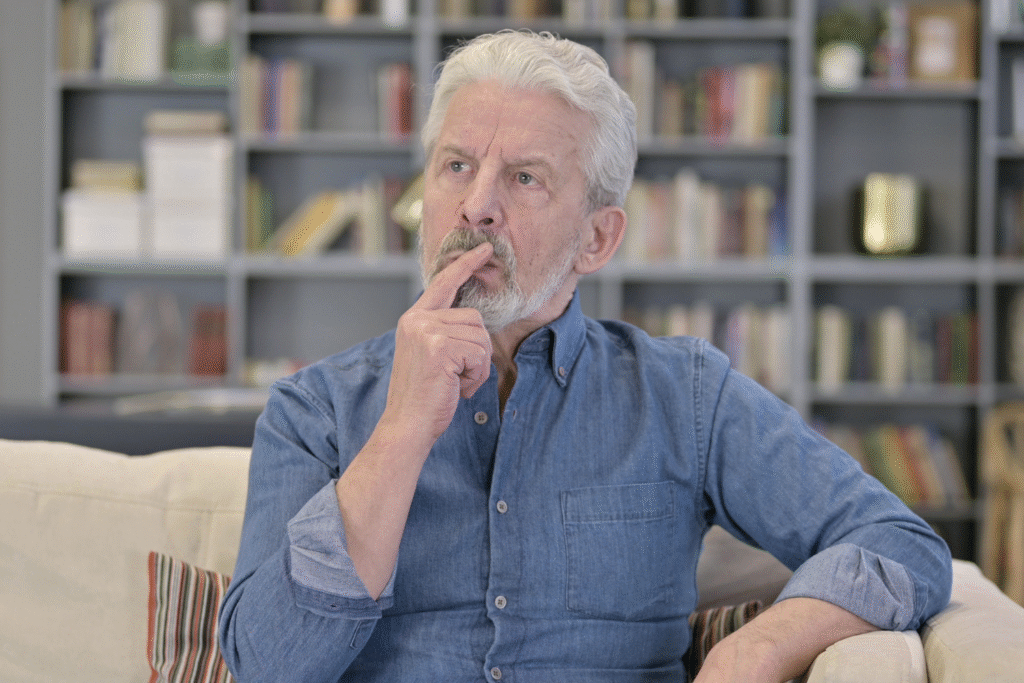
A deliberate pause before reacting, especially during friction, isn’t hesitation—it’s regulation. By allowing a mental and emotional breath, the pause gives thinking a head start on instinct, reducing the odds of impulsive word choice or misread tone.
During an argument over a missed deadline, the person who looks away and counts to five may seem cold. But that stillness keeps reactive energy from spilling out, turning confrontation into conversation through the simple act of waiting.
5. Respecting others’ autonomy instead of offering constant advice.

Choosing not to solve someone else’s problem on the spot isn’t a lack of compassion. Instead, it signals confidence in the other person’s capacity and sets healthy emotional boundaries—an antidote to overfunctioning in personal relationships.
Rather than interjecting with ideas, someone might just nod, offering a steady presence rather than a to-do list. Respect like that can look aloof from the outside but feels grounding from within, offering support without overstepping responsibility.
6. Walking away from drama instead of fueling the conflict.

Removing oneself from emotional theatrics isn’t withdrawal—it’s intention. Emotional intelligence often involves de-escalating drama by refusing to fuel it, not by fanning the flames or rushing in to fix what’s spiraling.
Picture someone quietly picking up their bag and leaving a shouting match unjoined. That exit might read as disengagement, but it’s an act of stewardship: protecting mental calm, preserving relational space, and pausing an emotional storm before it grows legs.
7. Maintaining composure when others are visibly upset or emotional.

Staying composed when others unravel doesn’t mean someone doesn’t care. In fact, remaining calm can help stabilize a room, offering a grounding contrast to sudden emotional surges without matching tone-for-tone.
At a family gathering where tension spikes, the person who quietly refills a water glass or folds napkins instead of escalating may be practicing subtle emotional triage. Their steadiness feels cool on the surface, yet often diffuses silent chaos with minimal fuss.
8. Speaking calmly even when a situation feels heated or intense.

Measured speech under pressure reflects practiced control, not avoidance. When emotion runs high, a calm voice can be more than soothing—it can serve as a signal to the nervous system to slow down, listen, and think again.
In a tense staff meeting, someone who says, “Let’s revisit the facts,” without raising their voice isn’t dodging the issue. Their tone shields the room from spiraling, helping reorient minds toward resolution rather than reaction.
9. Declining invitations or requests without guilt or overjustification.

Declining requests plainly can come off as curt, but it often reflects internal alignment. Emotional intelligence means knowing personal bandwidth, and saying no from that place anchors boundaries in self-respect—not guilt, not obligation.
When a coworker says, “Thanks, I can’t take that on,” and then turns back to their screen, others might read dismissal. But that interaction can be a clear, kind line drawn with trust in the relationship to weather brevity.
10. Prioritizing self-awareness over seeking external validation or praise.

Choosing introspection over applause marks a tether to internal feedback, rather than a constant scan for approval. A person grounded in self-awareness tracks their own reactions and growth, using solitude as a mirror, not an escape.
Someone who quietly notices their triggers after a team critique, without rushing to defend or seek comfort, may be working through the emotion with private honesty. Their silence speaks to maturity—a conversation with oneself that builds emotional depth, quietly and in process.