
The small, surprising details that make elvis feel human again.

Legends get polished until the edges disappear, and that’s a shame with Elvis. The man behind the silhouette was stranger, softer, and more interesting than the myth lets on. I like the version who read late at night, sang gospel until sunrise, and bought cars for people just to see their faces light up.
These aren’t trade-show trivia bits. They’re glimpses of a complicated guy who chased wonder, worried about family, and kept a private code. The stage was huge; the person was bigger.
1. He dyed his hair black to control how the camera saw him.

Elvis was naturally a sandy blond, and under studio lights that shade washed out on film. He wanted depth and drama, so he went dark—sometimes nearly blue-black—long before image “strategy” was a thing. Early on, cheap dye and even shoe polish showed up in the mix because it got the job done and photographed like a dream.
It wasn’t vanity for vanity’s sake; it was visual rhythm. Black hair pulled your eyes to the face, the sneer, the eyebrows. It turned his head into a spotlight that matched the music’s punch. That small decision—call it instinct or craft—helped fix the Elvis silhouette in people’s minds. A simple color shift became part of American iconography, right alongside the collar and the curl.
2. His grammy wins came from gospel, not his rock anthems.

People assume the trophies rolled in for the hits, but the gold hardware arrived when he sang what comforted him most. Gospel was his reset button—the music he reached for after a long night or a hard day. He knew the harmonies the way some folks know family recipes, by feel and repetition, not by sheet music.
Those sessions weren’t showy; they were home base. He’d gather voices, find the pocket, and ride the blend till the room felt settled. The industry noticed, even if casual fans missed it. The irony is delicious: the man credited with kicking down rock’s front door was formally celebrated for quiet devotion. That says something about taste, but it says more about where he kept his heart.
3. He carried the ghost of a twin brother his whole life.

Elvis entered the world with a stillborn twin, Jesse Garon, and that loss shadowed the household. Growing up, he talked about feeling like two people—one out front, one just behind. It wasn’t melodrama; it was the math of grief in a small home where every chair had a story. The sense of being chosen and missing someone at the same time never really left.
That tug shows up in the way he attached to friends and crew. He built big circles, then made them feel like family, because absence had been part of the foundation. You can hear the ache in the ballads and the lift in the gospel. If you listen closely, the career sounds like an argument with loneliness he refused to lose.
4. He trained hard in karate and smuggled it into the show.

The chops and stance weren’t stage gimmicks—he actually put in the hours. Karate gave him posture, balance, and a way to burn nervous energy that didn’t involve more noise. It also explained those sharp, sudden movements on stage that looked like punctuation marks you could hear.
Fans noticed the silhouette; the band noticed the timing. A kick or snap became a cue the way a conductor uses a baton. Offstage, the practice room worked like a pressure valve. It disciplined the body that fame kept tugging in every direction. Call it a mid-century wellness routine if you want. For him, it was a craft that bled into another craft until the borders disappeared and the performance felt carved, not thrown.
5. He collected law-enforcement badges and walked into the oval office.
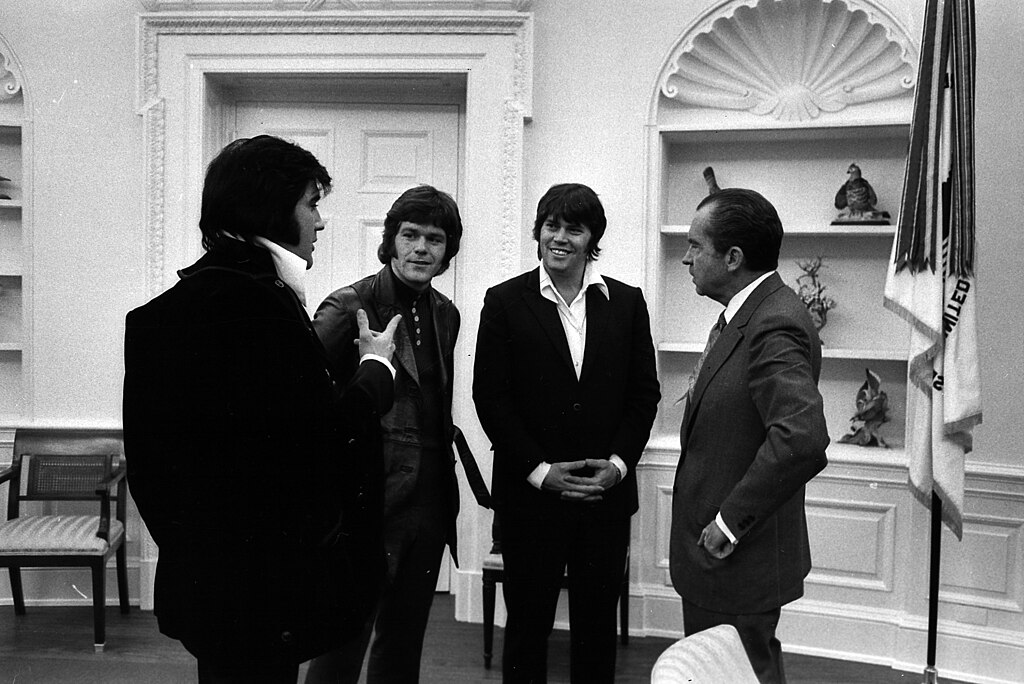
Elvis loved symbols of authority the way kids love superhero gear, except he had the charisma to ask and often receive. The badge collection wasn’t about flashing power so much as carrying talismans that made him feel useful. The most surreal moment in that habit ended with a famous handshake at the White House and a badge that felt like a shield.
There’s tension there—rock star meets rules, rebel seeks permission. Still, the impulse makes sense if you squint: he wanted to protect the thing he understood best, which was the country that made him and the fans who fed him. It’s messy and a little naive, but it’s sincere. He wasn’t play-acting; he was trying to stitch responsibility onto celebrity.
6. He gave away cars, cash, and comfort like it was a hobby.

Stories of surprise Cadillacs aren’t apocrypha; they’re a pattern. He kept an eye out for need or simple delight, then solved it with the flick of a pen. Hospital bills, rent, college tuition—those checks happened quietly, often without press. He liked the immediate result: problem softened, shoulders lowered, someone went home happier than they arrived.
Generosity also grounded him. Fame makes every interaction strange, but giving resets the equation. You’re not buying love so much as creating a clean memory you can believe in later. The habit helped build loyalty inside his circle and goodwill outside it. If gifts were his language, surprises were the grammar—direct, un-fancy, and aimed at the exact place a life was pinched.
7. He rebuilt his sound in memphis with soul musicians who pushed him.
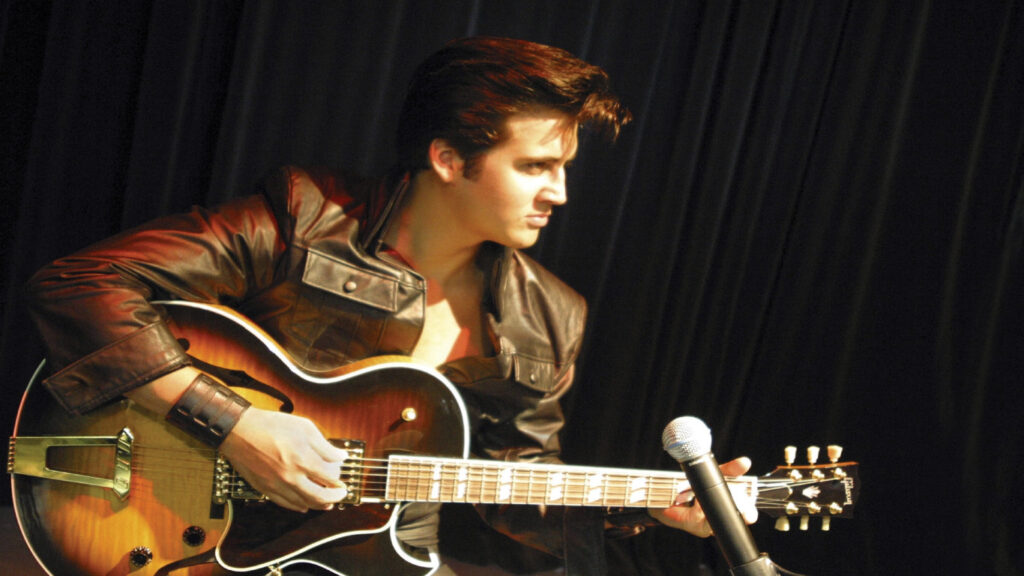
The comeback wasn’t just a black-leather TV special; it was a return to rooms where groove ruled. Memphis studios packed with players who ate rhythm for breakfast gave him a new engine. The material tilted toward country-soul, swampy ballads, and songs with grown-man weather in them. He took direction when it helped and fought for takes when the feeling was right.
Those sessions gave him edges again. The voice sounded lived-in, and the arrangements breathed. You can hear the city inside the mixes—horns leaning into guitar, drums talking to piano. It wasn’t nostalgia; it was evolution. He stepped back into the river at a different bend and let the current carry him someplace that fit the age on his face and the miles on his heart.
8. He read spiritual and mystical books to steady a noisy mind.

Nightstands at Graceland filled with underlined pages. He wasn’t reading to impress guests; he was searching for something that quieted the hum. Poets, sages, practical guides—if it offered a path inward, it earned a place in the stack. The man who made arenas vibrate wanted a private room where the air didn’t move.
Reading also gave him language he couldn’t always find in conversation. Lyrics caught the spillover, sure, but the books shaped how he talked to friends about fear, love, and purpose. When the machine of fame sped up, he looked for sentences that tapped the brakes. That habit doesn’t make him saintly. It makes him familiar: a working person using pages to organize a life that keeps tilting.
9. He sent a concert around the world and turned it into a fundraiser.
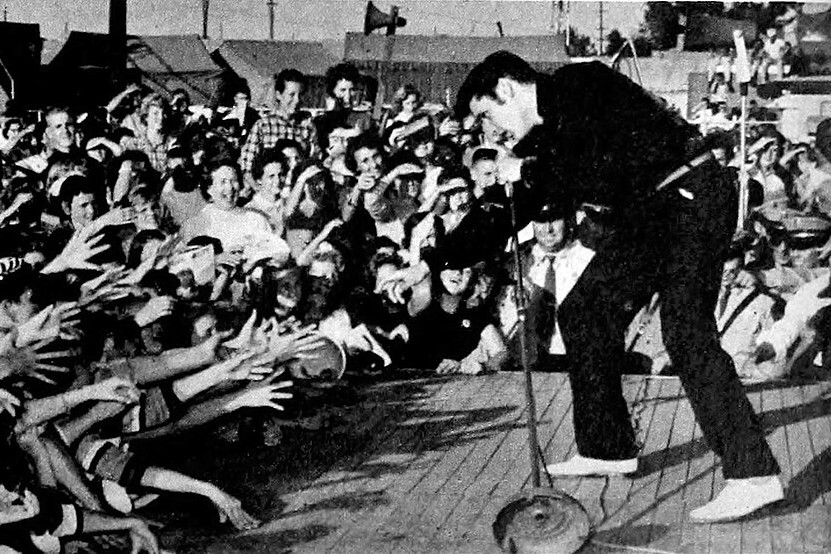
A globe-spanning broadcast sounds routine now; it wasn’t then. He walked onstage knowing people across oceans were watching in real time, then used the moment to raise money close to home. The trick was audacity plus aim: do something huge, point the spotlight at a need, and let the applause become help.
Technically, it was a flex; practically, it was community service with rhinestones. The clothes sparkle, the cameras pan, and underneath it there’s a simple goal—turn spectacle into support. That’s an overlooked throughline with him. Big show, human scale purpose. The scale gets the headlines; the cause rides shotgun. It’s the rare combination of swagger and stewardship that keeps the memory bright without feeling hollow.
10. He built a private motto—tcb with a lightning bolt—and lived by it.

Taking care of business wasn’t just merch; it was the code word for how the operation moved. The lightning bolt added urgency, like a promise to act before excuses showed up. He stamped it on jewelry, planes, and minds until everyone around him knew the rhythm: show up, lock in, deliver.
It worked as a compass when everything else changed. Venues shifted, setlists morphed, and the circle expanded and contracted. The motto stayed put. Crewmates wore it like dog tags, fans copied it because it sounded useful, and he leaned on it when the schedule demanded stamina. Plenty of artists talk about hustle; he branded his, then used it to keep people rowing toward the same shore.
11. He turned a shag-carpeted den into a late-career recording space.

The Jungle Room looks like a time-capsule prank until you notice the microphones. He used the space not just for lounging but for cutting tracks when logistics made leaving the house a headache. It wasn’t textbook acoustics, but it had vibe, and vibe beats diagrams when the singer is right there and the clock is kind.
Those home sessions capture a different temperature—unhurried, lived-in, imperfect in ways that keep you close. You hear furniture in the sound and history in the phrasing. It’s domestic art, the kind that grows around you because you decided to keep working where you live. That choice rounds him out: superstar, yes, but also a guy who wanted to make something meaningful in the room down the hall.