
Avoiding specific foods can help manage inflammation and support healthier aging overall.

Inflammation is a natural response that can become chronic and harmful, especially in older adults. Certain foods may contribute to this ongoing inflammation, impacting overall health and wellbeing. Understanding which foods tend to worsen inflammation can empower individuals to make better dietary choices. By limiting processed items, refined carbs, and unhealthy fats, older adults can support their body’s balance and promote healthier aging through mindful nutrition.
1. Processed meats often contain additives that may increase inflammation.

Processed meats like sausages and hot dogs often contain nitrates and preservatives that can increase inflammation in the body. These additives are meant to enhance flavor and shelf life but may also trigger inflammatory responses, compounding the issue in older adults.
Frequent consumption of processed meats has been linked with inflammatory diseases. Mimicking the resilient dining table that withstands decades of use, a balanced diet can foster stability and health. Filling plates with lean options rather than heavily processed products may reduce inflammation and support long-term well-being.
2. Refined carbohydrates can trigger inflammatory responses in the body.

Refined carbohydrates, such as white bread and pastries, are rapidly digested and can spike blood sugar levels, leading to inflammation. When consumed regularly, these foods may disrupt normal metabolic processes, contributing to an increased inflammatory state.
Opting for whole grains instead of refined options offers a slower energy release and more nutrients. Think of swapping an overstuffed closet for an organized one; choosing unrefined carbs can clear dietary clutter, aiding digestion and decreasing inflammation risks in aging bodies.
3. Sugary beverages contribute to chronic inflammation when consumed frequently.

Sugary beverages like sodas and energy drinks can lead to chronic inflammation, particularly with frequent intake. They contain high levels of added sugars, causing insulin levels to spike and potentially creating destructive inflammatory pathways over time.
Switching to drinks with less sugar may help mitigate this effect. Imagine reducing clutter in a crowded room; reducing sugar intake can clear metabolic hurdles, allowing the body a smoother path to function efficiently. This adjustment supports healthier aging by easing inflammation.
4. Fried foods contain unhealthy fats that may worsen inflammatory conditions.

Fried foods, such as French fries and doughnuts, are often cooked in unhealthy oils that contain trans fats, which are known to exacerbate inflammation. These foods are not only calorically dense but can also worsen inflammatory markers in the bloodstream.
Minimizing the intake of fried items can reduce the inflammatory burden on the body. Picture transforming a cluttered workspace into a calm, efficient area; a cleaner diet helps clear internal disruptions. By choosing healthier fats, one may decrease inflammation risks associated with aging.
5. Excessive alcohol intake has been linked to increased inflammation levels.

Excessive alcohol consumption can increase inflammation, affecting organs and systems over time. Alcohol can trigger inflammation in the liver and throughout the body, leading to various health concerns, especially if consumed heavily and frequently.
Moderation remains crucial, like the steady beat in a well-composed song. Keeping intake in check while opting for anti-inflammatory foods may help maintain body’s harmony. Practicing mindful consumption could ease the inflammatory load and improve quality of life in older age.
6. Artificial trans fats found in some baked goods promote inflammation.

Artificial trans fats, often found in baked goods like cookies and crackers, promote inflammation in the body. These fats are synthetic and used to improve texture and shelf life, but they interfere with metabolic processes and increase inflammatory markers.
Avoiding these foods while choosing healthier alternatives can improve inflammation levels. Visualize repainting an old fence to prevent rust; minimizing trans fats in the diet protects against internal decay. In doing so, it promotes better health and decreased inflammation over time.
7. High-sodium canned soups and snacks can aggravate inflammation over time.
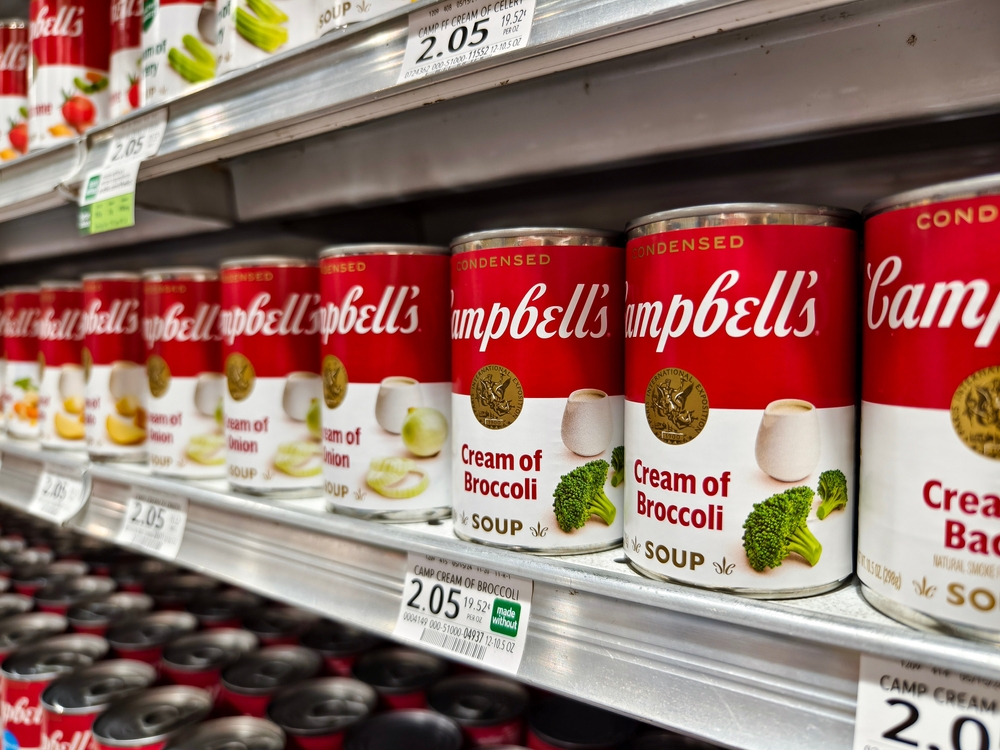
High-sodium canned soups and snacks can aggravate inflammation when consumed frequently. Sodium prompts the body to retain fluid, which may lead to swelling and heightened inflammatory states, particularly concerning for those monitoring heart health.
Lowering sodium intake supports a stable internal environment, much like choosing calm colors to paint a room enhances peace. By selecting low-sodium options, older adults can help reduce inflammation and promote cardiovascular health.
8. Certain dairy products may cause inflammation in sensitive individuals.

Certain dairy products can trigger inflammation in individuals sensitive to lactose or casein, a protein in milk. When these products are consumed by those intolerant, they may cause digestive issues and inflammation in the gut.
Switching to non-dairy alternatives or low-lactose foods can alleviate these effects. Much like replacing an outdated lamp with one that better suits a room’s ambiance, selecting suitable dairy alternatives can balance dietary needs, reducing inflammation and unwanted discomfort.
9. Red meat consumption in large amounts can fuel systemic inflammation.

Red meat, when consumed in large amounts, can heighten systemic inflammation. It’s rich in saturated fats and certain compounds that may worsen inflammatory processes in the body, especially when grilled or charred.
Opting for leaner meats and balancing meals with vegetables can support healthier inflammatory responses. Just as choosing warmer bedding can enhance restful sleep, smart dietary shifts provide comfort and wellness. Prioritizing lean proteins aids in reducing inflammation and maintaining overall health.
10. Some processed snacks contain additives that may encourage inflammation.

Some processed snacks, including chips and flavored crackers, contain additives and preservatives that might encourage inflammation. These compounds may affect gut health adversely, aggravating inflammation through unknown pathways.
Replacing processed snacks with natural options can help mitigate these effects. Think of exchanging synthetic fragrances for pure essential oils to enhance a room’s ambiance naturally; similarly, choosing whole-food snacks can lessen inflammation’s impact, leading to a more balanced and healthful lifestyle.
11. Foods high in omega-6 fatty acids can imbalance the inflammation process.
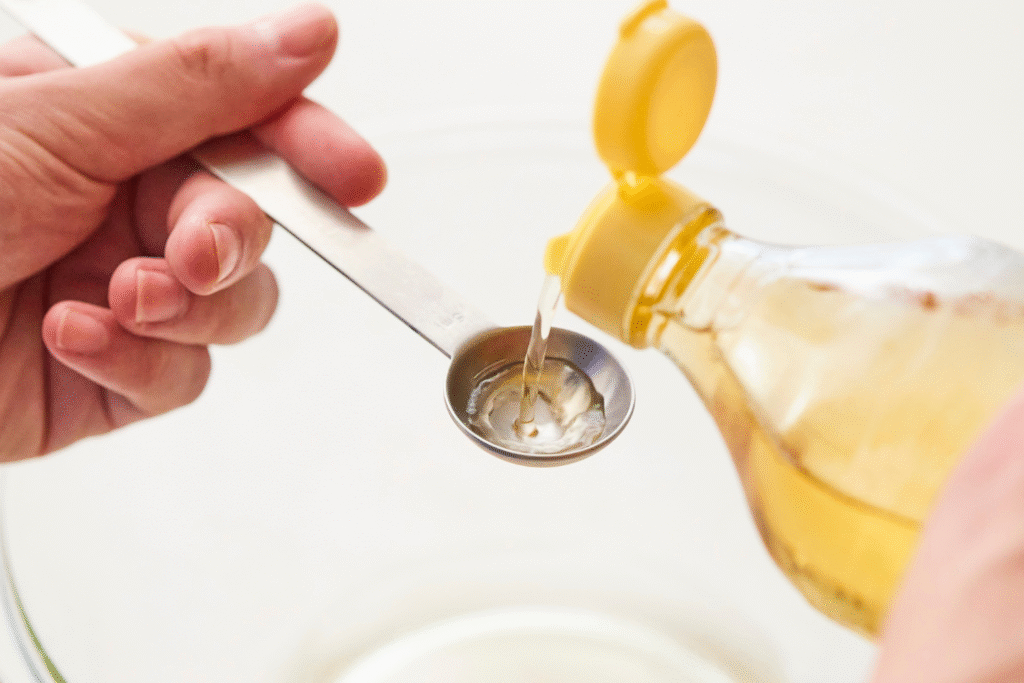
Foods high in omega-6 fatty acids, like certain vegetable oils, can disrupt the body’s balance when consumed excessively. While both omega-3 and omega-6 fatty acids are essential, an overabundance of the latter can tip the scales toward inflammation.
Selecting oils with a healthier fatty acid composition offers a more balanced approach. Imagine adjusting the sails for a smoother sea journey; a diet with balanced omega fatty acids helps navigate inflammatory pathways. In doing so, it supports resilience and health as the years pass.