
The quiet mouth–pancreas connection most people never see coming.

Most folks think of cavities as a minor nuisance, not a messenger. Yet the same chronic gum inflammation that loosens teeth may be whispering about risk far away in the abdomen. The link isn’t doom; it’s a nudge to treat the mouth like part of the whole system, not a separate project.
I’m not here to scare you. I’m here to show you how simple habits in front of a bathroom mirror can lower background inflammation and make the rest of your health plan sturdier.
1. Chronic gum inflammation doesn’t stay put.

Gums aren’t wallpaper; they’re living tissue with blood vessels that carry signals everywhere. When plaque sits and gingivitis smolders, your immune system keeps the alarm on. Those inflammatory molecules don’t clock out at the jawline. They circulate, bump into the pancreas, and add fuel to fires you can’t feel. That’s how a sore gumline can contribute to a disease you’ve only read about.
The fix is unglamorous and powerful. Disrupt plaque daily, and the alarm quiets. Brushing handles surfaces; interdental cleaning breaks up the colonies hiding where bristles don’t reach. When the swelling calms, your blood sees fewer inflammatory messengers. It’s not a magic shield, but it’s one of the cheapest ways to lower the background noise your organs are forced to live with.
2. Bad actors in plaque may travel farther than you think.

Mouth bacteria aren’t all villains, but a few strains get rowdy in neglected plaque. When gums bleed, those microbes and their toxins gain a shortcut into circulation. Some research suggests they can alter immune responses and metabolic signals that touch pancreatic tissue. It’s not a single smoking gun; it’s a pattern that adds weight over years.
You don’t need exotic rinses to push back. Dislodge the biofilm every twenty-four hours and starve it of time. A soft brush, a three-minute routine, and something for the gaps—floss, soft picks, or water flosser—are the core. Mouthwash is optional, not primary. The real win is mechanical disruption. Keep the neighborhoods clean, and the troublemakers have fewer chances to hitch a ride.
3. Tooth loss is often a late clue that the mouth has been inflamed for years.

A lost tooth rarely arrives out of nowhere. It’s usually the final chapter of slow-motion gum damage and bone loss. That history doubles as a clue about systemic risk, including certain cancers. Think of tooth loss as a headline telling you the story underneath has been running a long time.
If you’ve already lost teeth, don’t shrug and move on. Ask your dentist for a periodontal charting and a plan to stabilize what’s left. Well-fitted partials or implants can improve chewing, which helps nutrition—another quiet protective factor. The goal isn’t a perfect smile; it’s a low-inflammation mouth. Stabilize the foundation, and you remove one more chronic stressor your pancreas never asked to handle.
4. Dry mouth quietly boosts risk by turbocharging plaque.

Saliva is your built-in buffering system. It washes away food, neutralizes acids, and carries minerals that repair tiny enamel nicks. Medications, dehydration, or mouth breathing can thin that helpful river. With less saliva, plaque builds faster and inflames gums more easily, keeping the systemic alarm switched on.
If your mouth feels sticky or you wake needing water, act on it. Sip regularly, go easy on alcohol and tobacco, and ask your dentist about saliva substitutes or sugar-free lozenges with xylitol. A countertop water flosser helps when things feel parched. The point is simple: restore flow and you slow plaque. Less plaque means quieter gums, fewer bacterial byproducts in the bloodstream, and a little less pressure on organs you can’t see.
5. Diabetes, gum disease, and pancreatic risk form a feedback loop.

High blood sugar makes gum tissue more vulnerable to infection and slows healing. Inflamed gums, in turn, can worsen insulin resistance, which nudges blood sugar higher. Meanwhile, poorly controlled diabetes is a known risk factor for pancreatic trouble. It’s a triangle where each corner pulls on the others.
Break the loop anywhere you can. Pair dental cleanings with glucose checks and keep a small notebook for both. If your gums bleed after brushing, treat that as data, not drama. Tweak the routine, schedule a cleaning, and talk to your clinician about medication or diet adjustments. Small improvements compound: better gum scores often travel with steadier blood sugar, and steadier numbers lower the stress on vulnerable organs.
6. Tobacco and heavy alcohol stack the deck against you.

Smoke dries the mouth, roughens gum tissue, and changes the neighborhood of bacteria along the gumline. Alcohol, especially in frequent, heavy doses, irritates soft tissue and can worsen reflux and dehydration. Put those together and plaque gets stickier, gums get angrier, and the bloodstream carries more inflammatory cargo toward places that never smoked a day in their lives.
Cutting back is worth it even if quitting feels far away. Swap late drinks for sparkling water, keep gum or lozenges handy in the moments you usually reach for a cigarette, and book a check-in cleaning as a milestone. Your hygienist will see the difference first. Your gums will follow. Downstream organs appreciate the quieter chemistry long before you notice it in the mirror.
7. A simple home routine can lower risk without new gadgets.

People ask for the “best” brush and miss the schedule. Consistency beats features. Use a soft-bristled brush morning and night, add interdental cleaning once a day, and give yourself a two-minute timer so you don’t rush. Finish with a gentle tongue sweep to evict odor-causing film that also feeds plaque.
Upgrade only if it helps you stick with the plan. An electric brush with a pressure sensor can protect tender gums; a water flosser can make tight contacts manageable. Keep supplies visible and the sink area uncluttered so the habit feels frictionless. The outcome we’re chasing isn’t sparkle. It’s calm, pink tissue that doesn’t bleed. That calm radiates beyond your mouth in ways labs can measure.
8. Professional cleanings matter because home care has blind spots.
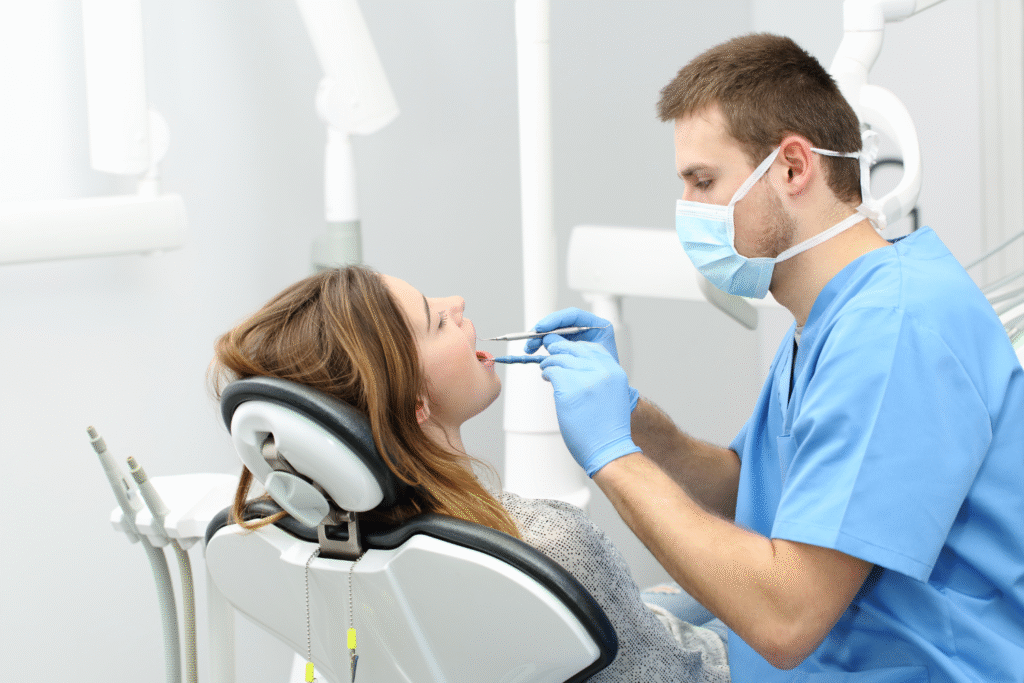
No one cleans every curve perfectly. Tartar cements itself below the gumline where toothbrushes can’t reach, and it keeps irritation humming. Hygienists break up that scaffolding and reset the starting line so your home routine actually works. Skipping care turns small pockets into permanent neighborhoods for inflammation.
Ask for a periodontal chart at least once a year and track pocket depths the way you’d track blood pressure. Seeing numbers move from fives to threes is motivating. If you’ve had deep cleanings, commit to shorter intervals until bleeding stops and tissues tighten. It’s logistics, not luxury. Cleanings are preventative maintenance, the dental version of changing the oil so the engine—everywhere else—runs cooler.
9. Nutrition shapes both your mouth and your pancreas.

Sticky, frequent snacks keep plaque well-fed and your gums annoyed. Ultra-processed foods can drive systemic inflammation, too, which is the opposite of what we want if pancreatic risk is on your mind. On the flip side, fiber, leafy greens, and lean proteins help keep blood sugar steady and support a healthier oral microbiome.
Make it practical. Anchor meals around protein and plants, keep crunchy apples or carrots handy, and cap snack windows so your mouth gets downtime. Finish meals with plain water or milk to rinse acids and reset pH. If you enjoy something sweet, have it with a meal rather than as a lingering solo treat. Small, boring choices are powerful levers when you pull them most days.
10. Red flags in the mouth deserve attention, not stoicism.

Bleeding when you brush, puffy gums, new bad breath, or a tooth that feels longer are early warnings. They’re not scolding you; they’re inviting you to intervene. Waiting turns a small cleaning into a deep one, and deep cleanings into extractions. Meanwhile, the systemic ripple keeps rolling.
Call sooner than feels necessary and describe exactly what you notice. Ask the office for a “perio-focused” visit instead of a quick polish. Clarity speeds care. If you wear dentures or partials, irritation under the acrylic counts too—fungal overgrowth and sore tissue can keep local inflammation simmering. Comfort isn’t vanity here. It’s a health metric you can feel, and it’s worth restoring.
11. Your dentist can be part of your cancer-prevention team.
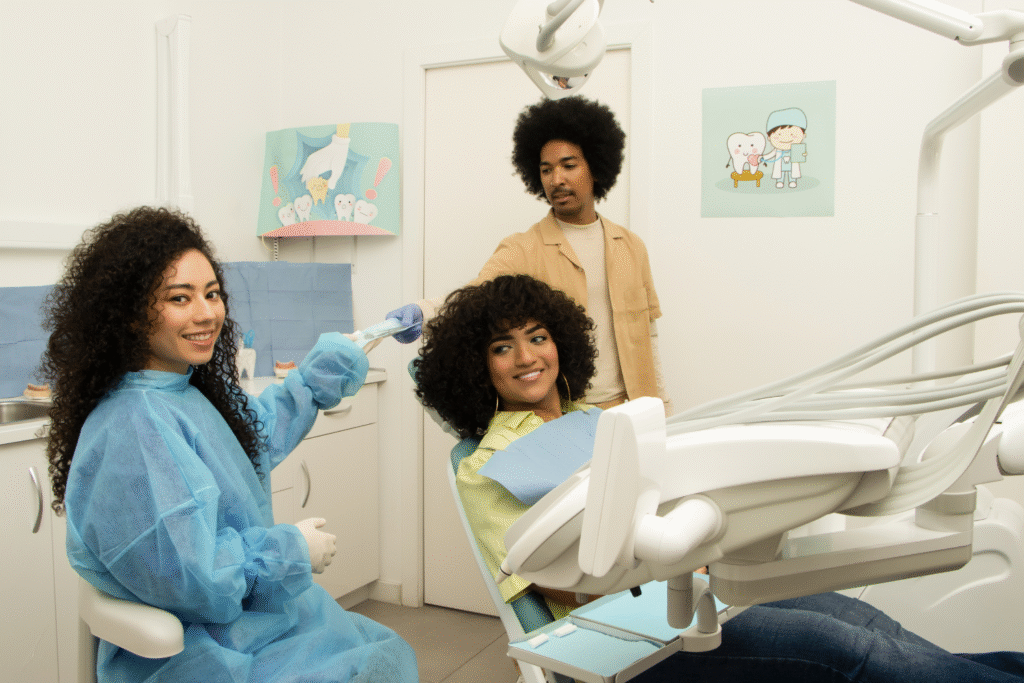
Oral health isn’t a separate silo; it’s a frontline in keeping inflammation low and metabolism steady. Bring your medical history to the dental chair, including diabetes numbers, medications, and any family history of pancreatic problems. Ask for a coordinated plan that respects both sides of the chart.
You’ll leave with very ordinary instructions, and that’s the beauty of it. The mouth offers a daily lever you control with brushes, water, and a two-minute timer. Pull that lever often, pair it with routine cleanings, and you give your whole body—including a very quiet pancreas—less to fight. It’s not a guarantee, it’s a better baseline, and better baselines are how long odds start to move.