
A key vitamin plays a crucial role in protecting and maintaining healthy hearing function.

Vitamin B12, often overshadowed by flashier nutrients, is emerging as a key player in maintaining healthy hearing. New studies suggest that low B12 levels could be linked to tinnitus, hearing loss, and nerve damage in the auditory system. It’s an overlooked connection — one that could reshape how we think about ear health as we age.
The evidence points to a powerful but underappreciated role this vitamin plays in protecting how we hear the world around us.
1. Low B12 levels are showing up in people with hearing loss.

Researchers studying patients with unexplained hearing problems found a surprising pattern: many were deficient in vitamin B12. This deficiency disrupts the myelin sheath — the protective layer around nerves, including those responsible for hearing. When that insulation breaks down, sound signals can weaken or distort before reaching the brain.
People with chronically low B12 often report muffled hearing, balance issues, or tinnitus that comes and goes. Restoring normal levels doesn’t always reverse damage, but it may stop further decline. It’s a striking reminder that hearing health isn’t just about your ears — it’s about nourishing the entire nervous system.
2. The vitamin protects the nerves that carry sound.

Hearing depends on a complex network of nerves that relay vibrations from the inner ear to the brain. B12 plays a critical role in keeping those nerves healthy and functioning properly. Without enough of it, nerve cells can deteriorate, leading to misfired signals that the brain interprets as ringing, buzzing, or static.
This neurological connection explains why some forms of hearing loss aren’t purely mechanical. They stem from communication breakdowns within the auditory nerve itself. Ensuring steady B12 intake helps reinforce those pathways, keeping sound sharp and balanced — especially as the body ages and nerve efficiency naturally declines.
3. Deficiency is more common than most people realize.

Many adults are low on B12 without knowing it, especially vegetarians, vegans, and older adults whose absorption rates naturally drop over time. Symptoms often start subtly — fatigue, brain fog, or tingling in the hands and feet — long before hearing changes appear. By the time auditory problems arise, deficiency may already be chronic.
Because the body doesn’t produce B12 on its own, regular intake through diet or supplements is essential. Foods like fish, eggs, and dairy help, but absorption issues mean some people need higher doses or injections. Addressing the deficiency early can make a real difference in preserving hearing and cognitive clarity alike.
4. There’s growing evidence it may help with tinnitus.

Tinnitus — that persistent ringing or humming in the ears — affects millions, and in many cases, doctors can’t find a clear cause. But recent studies show that people with low B12 are significantly more likely to experience tinnitus symptoms. Restoring B12 levels has been linked to reduced ringing intensity in some patients.
It’s not a cure, but it offers hope for a condition long considered untreatable. By supporting nerve repair and reducing inflammation in the auditory system, B12 may calm the electrical misfires that create phantom sounds. It’s a small intervention with surprisingly large potential.
5. Age-related hearing loss might have a nutritional link.
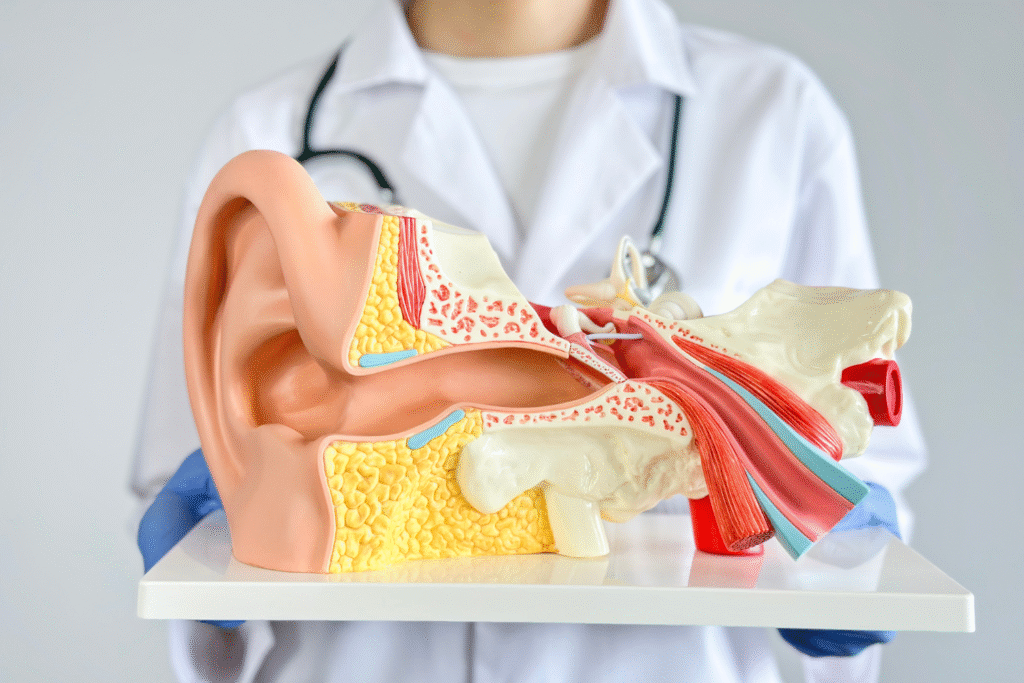
As people age, hearing loss is often dismissed as inevitable. Yet emerging research suggests that nutrition — especially B12 — plays a bigger role than previously thought. Older adults frequently have trouble absorbing B12 due to lower stomach acid, making them particularly vulnerable to deficiency-related nerve damage.
This slow, silent decline can mimic typical age-related hearing loss. Supplementing B12 could help maintain the delicate nerve connections that keep sound sharp. It’s not a miracle fix, but it’s a protective measure that may delay or soften the decline, keeping conversations and music clear well into later years.
6. B12 helps the brain process sound more effectively.

Hearing isn’t just about detecting noise — it’s about interpreting meaning. The brain’s auditory cortex relies on strong neural communication to distinguish voices, tones, and background sounds. B12 supports this process by maintaining the health of neurons involved in auditory processing and focus.
Low B12 can lead to slower cognitive response times and auditory confusion, especially in noisy environments. Maintaining healthy levels keeps the brain sharp and responsive to sound cues. It’s another example of how nutrition and brain function are intertwined — your ears may capture the sound, but your brain decides what it means.
7. It’s a simple fix with outsized benefits.

Unlike many health interventions, improving B12 levels is relatively easy. For most people, it means adjusting diet or taking an oral supplement. Those with absorption issues can benefit from monthly injections. Within weeks, many notice not just better focus and energy, but subtle improvements in hearing clarity.
Given how many adults unknowingly run low on B12, this vitamin deserves far more attention. Supporting your ears might be as simple as nourishing your nerves. It’s a small reminder that sometimes, the body’s most powerful defenses come in unassuming forms — hiding quietly inside something as simple as a single vitamin.
8. May enhance clarity and sharpness of sounds perceived daily.

Daily sound clarity and sharpness can be influenced by nutritional factors. B12 support neural connections in the ear, enhancing sound perception. They ensure that sound waves are effectively converted into nerve signals for brain interpretation.
Increased clarity of perceived sounds also relies on ear structure integrity. By weaving nutrient-rich foods into daily meals, one supports sharper sound experiences and better overall auditory performance.
9. Assists in preserving the delicate structures responsible for hearing.

Hearing relies on finely-tuned ear structures that are sensitive to change. Certain vitamins play a role in preserving these delicate systems, safeguarding their integrity against age and environmental challenges. They offer stability to essential components involved in hearing.
Preserving these structures is key to consistent auditory performance. Enhancing ear health through nutrients, while being mindful of loud noise exposure, ensures these components remain functional and resilient.
10. Plays a role in protecting against noise-induced hearing loss.

Exposure to loud noise can lead to noise-induced hearing loss (NIHL). Vitamins can protect against such damage by reinforcing cells within the ear involved in sound detection. These nutrients help preserve hearing capacity over time.
Protection against NIHL requires more than just vitamin intake. Combining a nutrition-rich diet with habits like using ear protection during high-decibel activities further bolsters defense, maintaining hearing quality.
11. Contributes to overall ear health and resilience against environmental stressors.
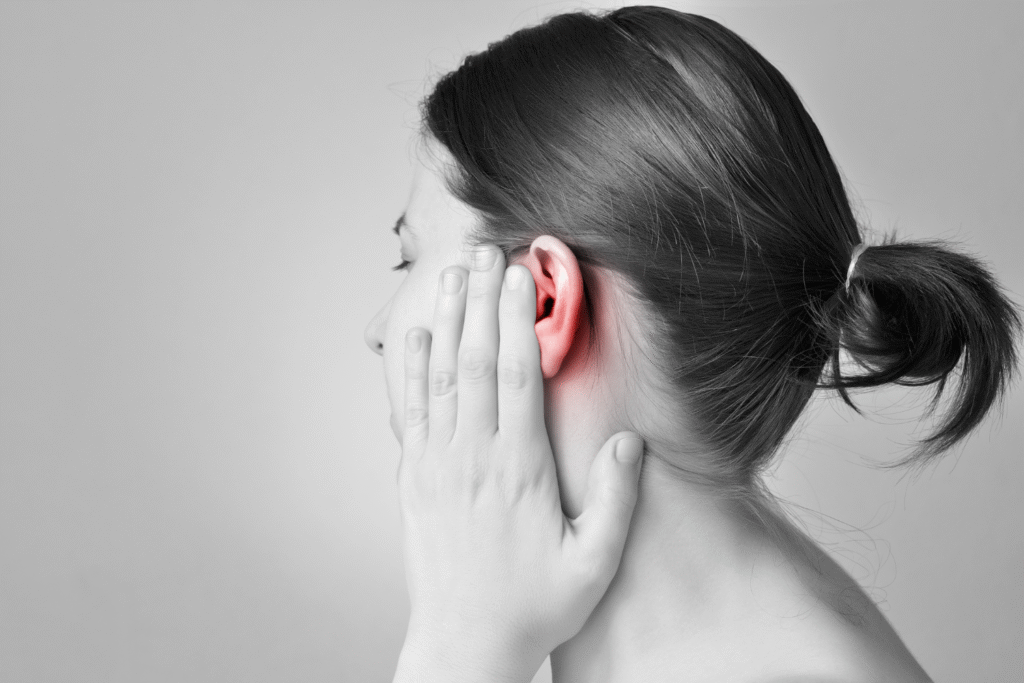
Environmental stressors challenge ear health, making resilience crucial. Certain vitamins contribute to fortifying ear tissues, strengthening their resistance to adverse factors. With their help, the body is better equipped to manage daily auditory demands.
Supporting overall ear health with a balanced diet aids in maintaining strong defense mechanisms. Regular checks with a healthcare provider ensure that interventions align with one’s hearing health needs, promoting resilience.