
The real danger zones in America aren’t where most people think they are.

When you picture dangerous cities, you probably imagine the biggest ones—New York, Chicago, Los Angeles. But the latest crime data paints a different story. The most violent crime rates are showing up in smaller, lesser-known cities that rarely make national headlines.
These aren’t just statistical flukes—they’re snapshots of how economics, policing, and social decline shape local safety. Here are the cities topping the danger list for reasons few expect.
1. Memphis, Tennessee, faces a violent crime crisis beyond its size.
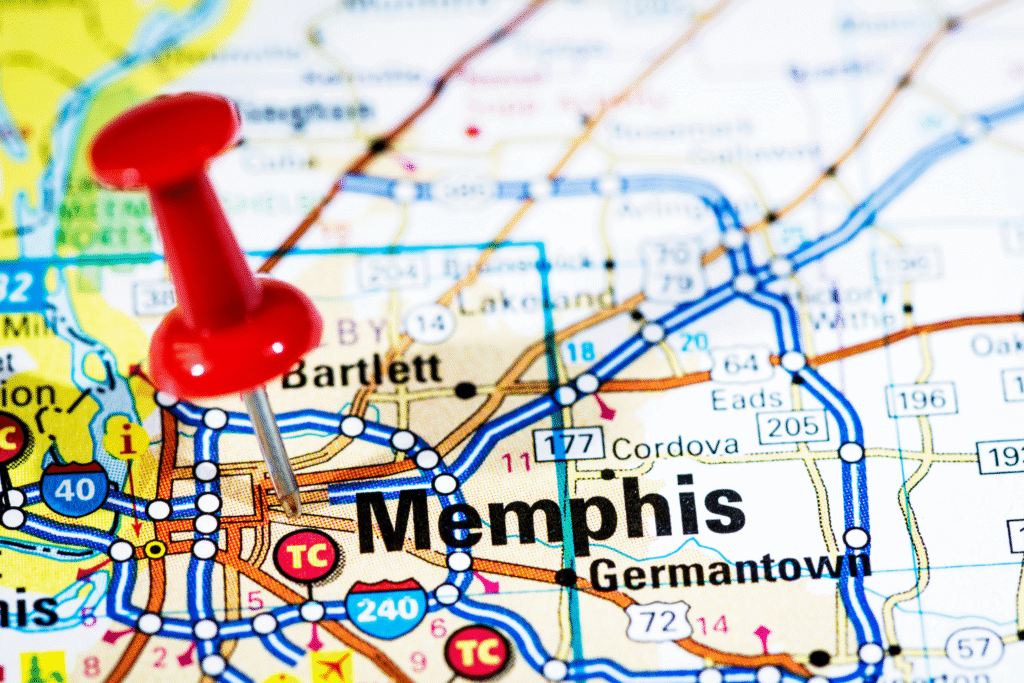
Memphis consistently ranks near the top for violent crimes per capita, with rates of assault and robbery that rival much larger metros. A mix of poverty, limited economic opportunity, and strained law enforcement resources keeps the numbers stubbornly high. The city’s homicide rate, in particular, continues to raise alarms.
Still, Memphis isn’t hopeless—it’s resilient. Grassroots groups are stepping up to rebuild communities and foster youth programs. Locals know the danger, but they also know the city’s deep cultural heartbeat makes it worth fighting for.
2. Birmingham, Alabama, struggles with inequality and urban decay.
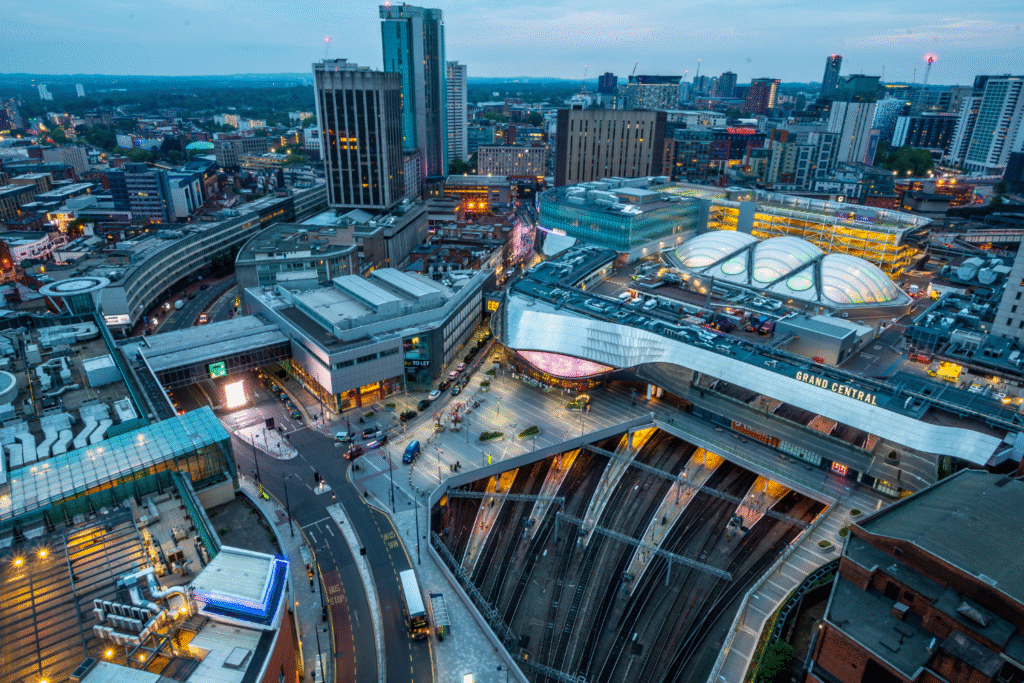
Despite its smaller population, Birmingham has one of the nation’s highest violent crime rates. Economic disparity divides neighborhoods sharply, leaving some areas with chronic unemployment and limited access to opportunity. Police reform efforts have been uneven, adding to the frustration among residents.
Yet Birmingham is a city of contradictions—vibrant cultural events, growing business districts, and local leaders working hard to change the story. The danger is real, but so is the determination to rebuild a stronger civic identity.
3. Detroit, Michigan, continues to battle its long shadow of decline.
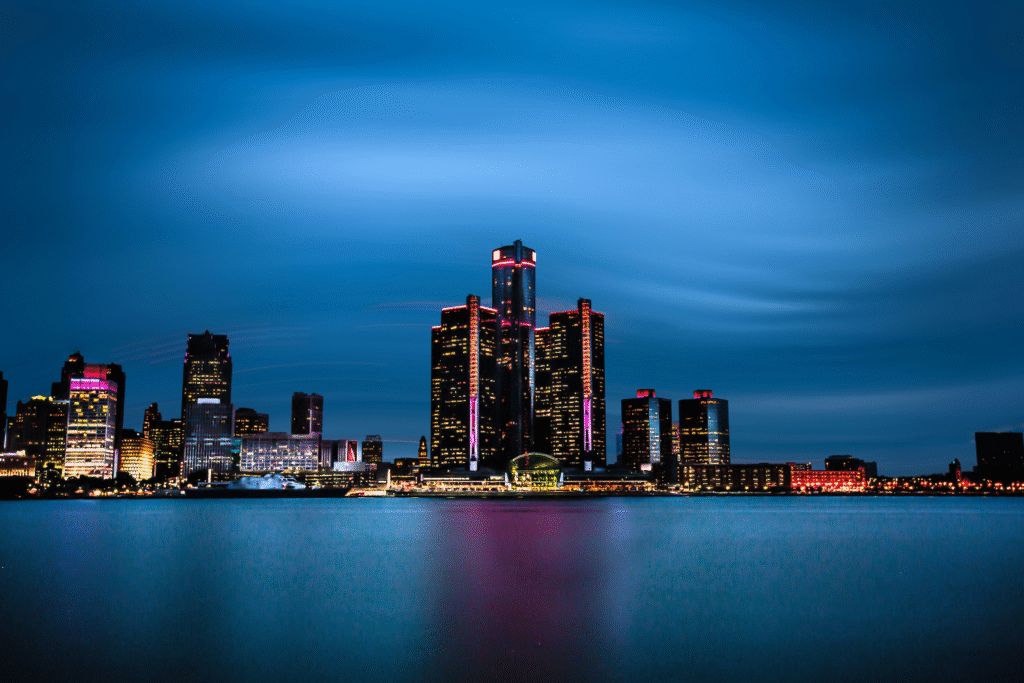
Detroit’s crime problem has deep roots in economic collapse, depopulation, and decades of underfunded public services. While the city has improved since its bankruptcy, violent crime remains a serious issue, particularly in neglected neighborhoods still waiting for revitalization.
Still, Detroiters are famously tough. Community watch programs, art collectives, and small-business initiatives have brought light to dark corners. The city’s rebirth is happening—but its safety challenges remain a sobering reminder of how hard recovery really is.
4. St. Louis, Missouri, tops many violent crime lists yet keeps reinventing itself.

Statistically, St. Louis continues to show one of the highest homicide rates in the nation. The concentration of crime in specific neighborhoods makes the problem complex, blending socioeconomic issues, gun violence, and policing struggles into a single crisis.
Yet visitors often find a completely different city—filled with art, history, and renewal projects. St. Louis is proof that danger and beauty can coexist uneasily, forcing residents to balance optimism with caution.
5. Little Rock, Arkansas, surprises with its growing crime surge.
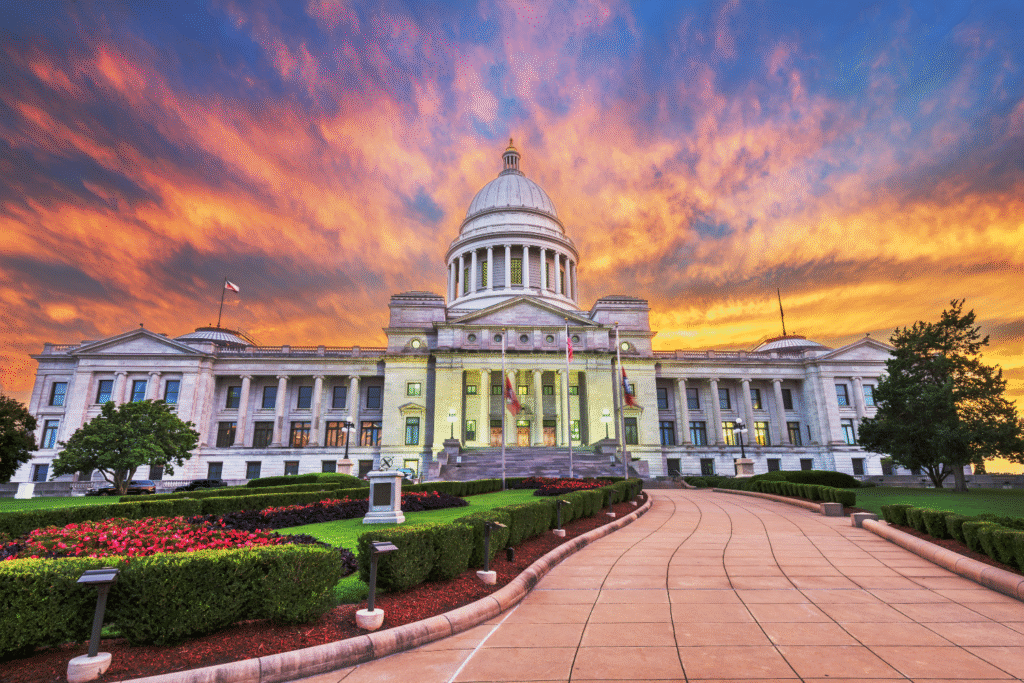
Little Rock might seem like an unlikely inclusion, but its rates of violent crime have quietly climbed in recent years. Experts point to gang-related activity, economic strain, and drug trafficking as the key contributors. The problem has expanded faster than the city’s resources can manage.
Despite the statistics, locals emphasize that danger is concentrated, not widespread. Revitalized neighborhoods and civic engagement are slowly reshaping Little Rock’s reputation, even as it wrestles with crime that belies its small-town charm.
6. Baltimore, Maryland, remains haunted by systemic problems.
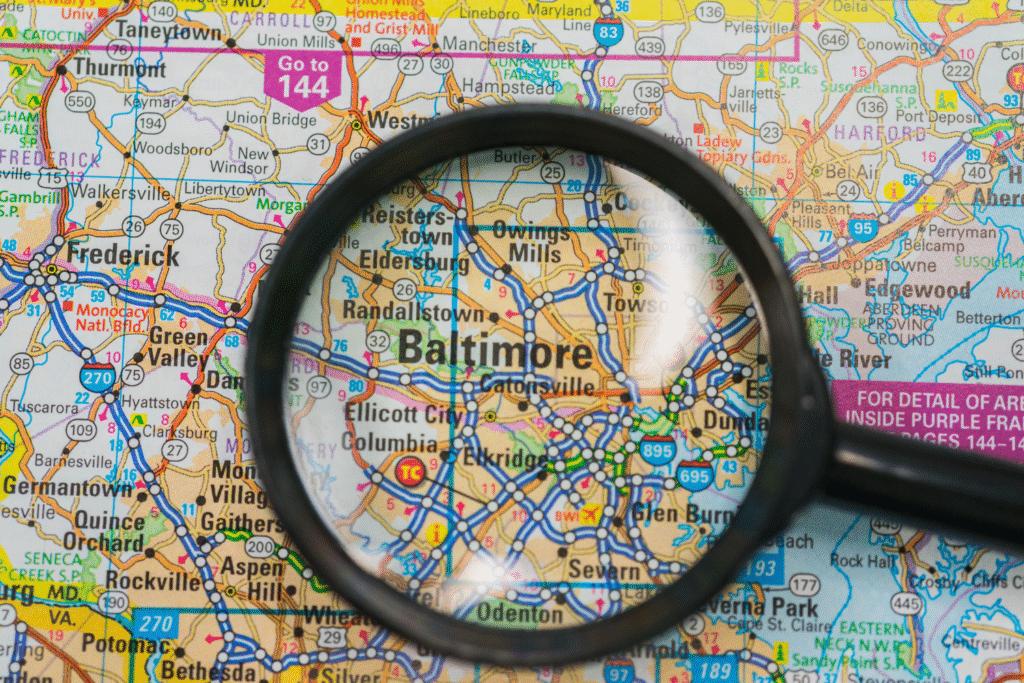
Baltimore’s violent crime challenges have persisted despite national attention and reform attempts. Decades of poverty, political corruption, and distrust between police and residents have left deep scars. Gun violence and drug-related crimes continue to plague specific neighborhoods.
Still, Baltimore refuses to surrender to its statistics. Artists, educators, and activists are rewriting the city’s story block by block. It’s a place where resilience competes daily with hardship—and somehow keeps winning, if only in spirit.
7. Cleveland, Ohio, faces a familiar but stubborn pattern of violence.

Cleveland’s crime rates have spiked in waves, often correlating with economic downturns and social inequality. Despite city-wide redevelopment and a stronger downtown core, outer neighborhoods continue to struggle with gang activity and property crimes.
Residents, however, remain proud and involved. Local initiatives focused on education and youth employment are slowly shifting the narrative. Cleveland’s challenges reflect not chaos, but a city caught between progress and pain—trying to move forward while still mending old wounds.
8. Milwaukee, Wisconsin, shows the cost of growing disparity.

Milwaukee’s crime rise isn’t about population size—it’s about uneven opportunity. Some neighborhoods enjoy renewal, while others languish in cycles of poverty. Gun violence and car thefts have reached record highs, straining both communities and police.
Yet Milwaukee’s spirit remains intact. Activists and faith leaders are collaborating to build bridges where institutions have failed. It’s a reminder that safety isn’t just about policing—it’s about fairness, belonging, and hope in action.
9. New Orleans, Louisiana, struggles under the weight of recovery.
Nearly two decades after Hurricane Katrina, New Orleans still faces deep socioeconomic fractures. Violent crime rates remain among the nation’s highest, and the city’s police department continues to deal with staffing shortages and strained trust.
Even so, New Orleans thrives culturally. Music, food, and community traditions keep its heart beating strong. The city embodies contradiction—deep-rooted hardship intertwined with relentless celebration. Its danger doesn’t define it, but it refuses to be ignored.
10. Kansas City, Missouri, rounds out the list with an alarming murder rate.
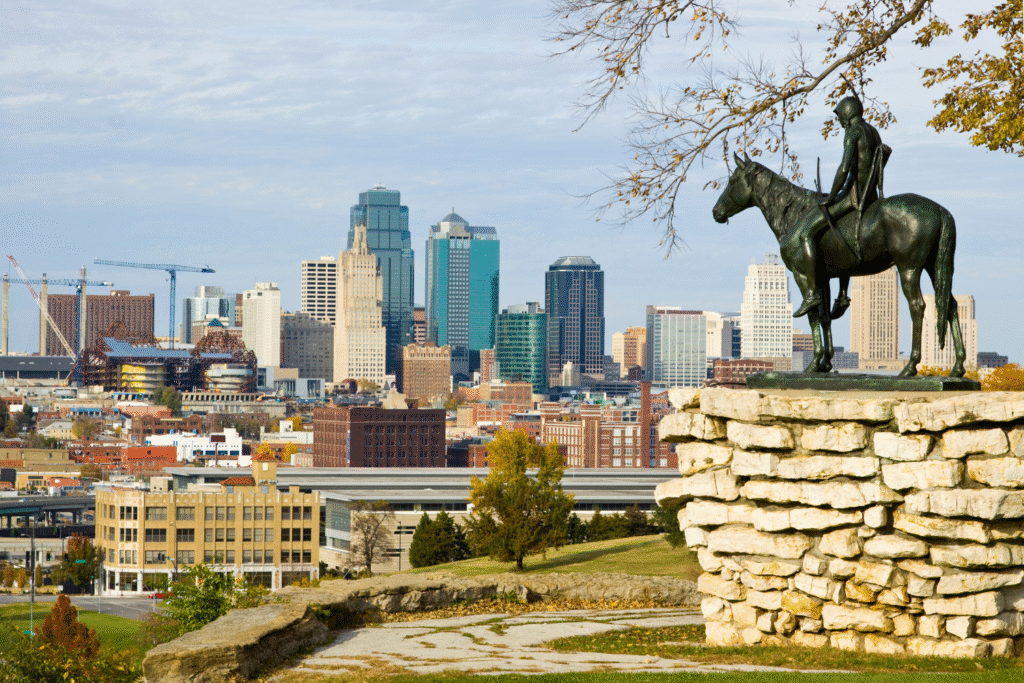
Kansas City’s homicide rate has soared, earning it one of the top spots among America’s most dangerous metros. The mix of gang conflict, easy firearm access, and insufficient community intervention fuels the numbers. Residents say the city’s warmth is real—but so is its edge.
There’s a growing movement to change the tide, with local organizations investing in youth outreach and conflict mediation. For a city so rich in culture and character, the drive to protect its future is deeply personal.