
Classic habits and analog pleasures still resonate with Baby Boomers, even in today’s digital age.

From rotary phones to handwritten letters, many Baby Boomers continue to cherish traditions rooted in personal effort and analog charm. These habits carry emotional weight, shaped by a pre-digital world that valued connection built over time. While younger generations swipe and stream, Boomers often prefer the tactile and deliberate. Understanding these preferences reveals more than nostalgia—it offers insight into a generation shaped by slower rhythms and tangible experiences.
1. Writing checks for everyday purchases instead of using cards.

Paper checks serve as a tangible link between transaction and record, with each handwritten amount anchoring the purchase in memory. Unlike tap-to-pay convenience, writing a check involves a moment of intention—pen in hand, carbon copy beneath curling fingers, attention grounded.
For many Baby Boomers, this slow method still signals control. At a small-town hardware store or doctor’s office, handing over a check can feel more personal, like sharing trust. It’s not resistance to change but a preference for interaction shaped before swiping became default.
2. Flipping through a thick Sunday newspaper with coffee in hand.

On kitchen tables across the country, bulky Sunday newspapers used to sprawl like picnic blankets, each section folded and traded between readers. Few things paired better with a steaming mug than the printed ink smell and the soft papery rustle of turning pages.
Even as headlines now arrive through glass screens and news breaks every hour, some Boomers still prefer the ritual. The newspaper isn’t just information—it’s a weekend routine that invites pause. A crossword near the comics, toast crumbs by the Metro section, time marked in margins.
3. Recording mixtapes straight from the radio on cassette tapes.

In bedrooms until midnight, tape recorders clicked on and off during countdown shows, waiting to catch favorite songs. Mixtapes built this way blended patience with timing, often capturing stray DJ chatter or trailing commercials between tracks.
Every compilation had a story—first loves, road trips, late summer walks—and the imperfections became part of the charm. Unlike shuffled streaming playlists, these tapes held fingerprints and effort. Boomers remember rewinding with a pencil, peeling orange stickers off plastic cases, and swapping mixes like coded messages.
4. Ironing clothes before every outing, even just for errands.

A hot iron hissing against cotton became a daily standard, pressing each seam flat before heading out. Wrinkle-free clothes signaled care, even when the destination was just the post office or grocery store.
While many now lean on wrinkle-resistant fabrics or skip ironing altogether, the act once marked respect—for self, for occasion, for showing up right. Boomers may recall linen skirts on wooden hangers or steam rising above patterned ironing board covers, turning a chore into a quiet start to the day.
5. Browsing a library card catalog to find a good book.

Long wooden drawers held rows of slim cards, each one typed with title, author, and subject. Searching for a novel meant scanning these cards by hand, flipping through to trace the right call number.
Though eclipsed by digital catalogs, the tactile hunt offered something different: discovery alongside intention. A search for Hemingway might lead to Steinbeck three cards away. Boomers often link libraries not just with reading, but also with a gentler pace—chalkboard signs at the circulation desk, sun-slanted silence between shelves.
6. Sending handwritten letters to keep in touch with friends.
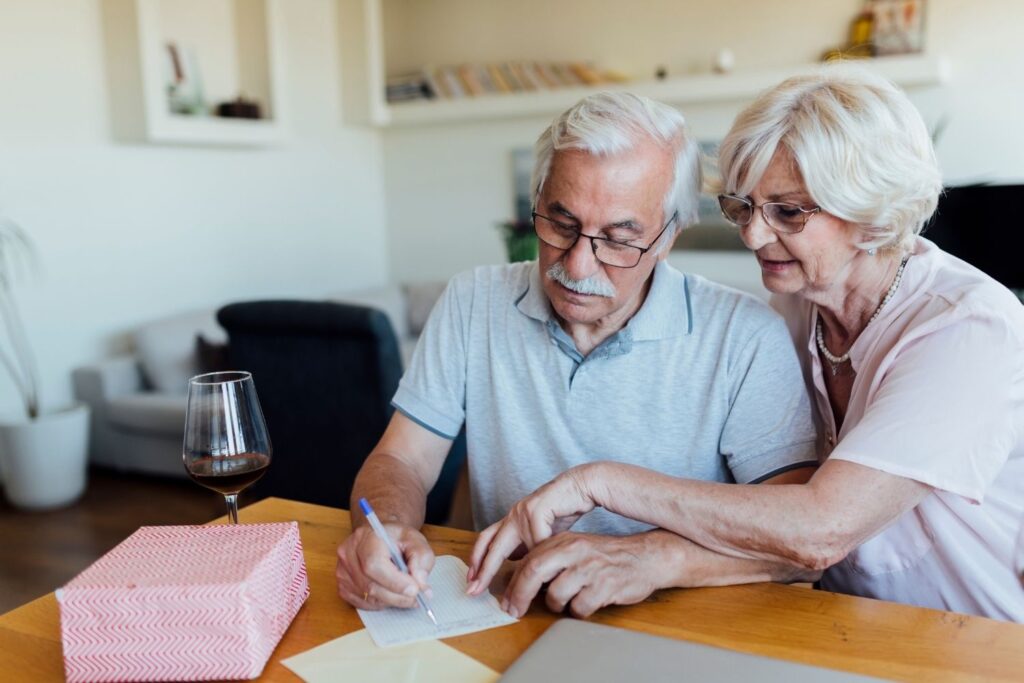
Curved cursive on cream paper carried a different weight than texts or emails. A letter arrived days or weeks after sending, a small surprise in the mailbox among bills and catalogs.
Stamps licked, envelopes sealed, and news of daily life folded neatly inside—the charm lay in the effort. For many Boomers, keeping friendships meant staying present across distance without immediacy. Saved letters, slotted in shoeboxes or tied with yarn, offered a lasting exchange that no screen could replicate.
7. Using a rotary phone and memorizing phone numbers by heart.
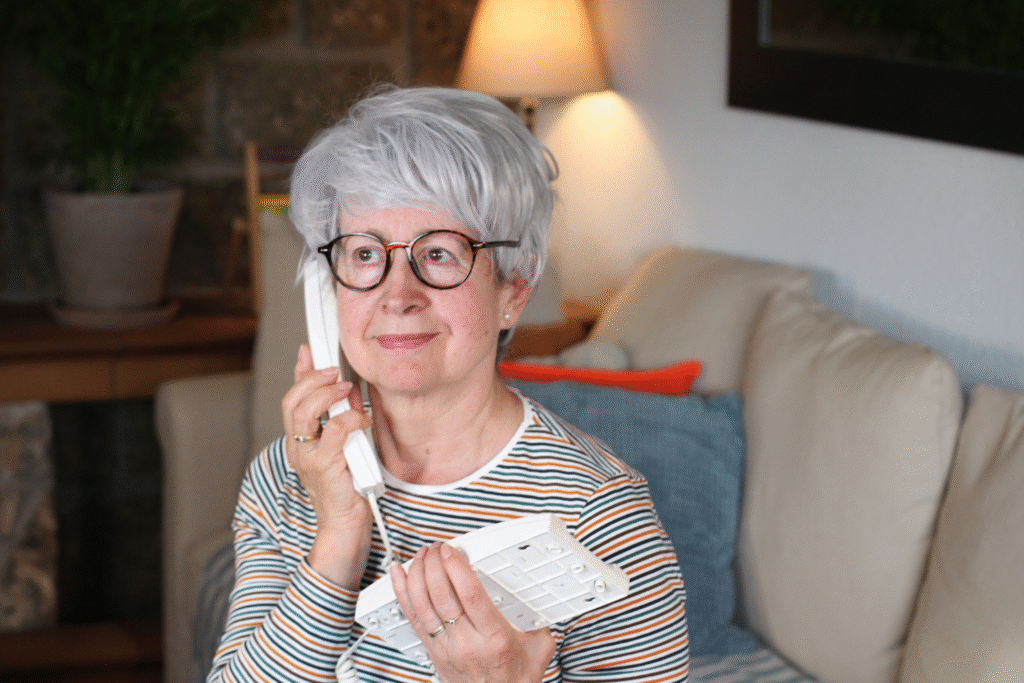
A rotary phone’s circular dial spun back with a soft hum after each number. Memorizing phone numbers wasn’t optional—it was essential, woven into everyday memory like birthdays or addresses.
Evenings might involve sitting on a vinyl kitchen stool, twirling the cord during long chats. Boomers remember the satisfying clunk of each dial, the hesitation with a zero, and the patience in waiting for it to return. Landlines anchored homes; phones didn’t roam pockets, and memorized numbers meant more than speed—they meant connection.
8. Watching variety shows on network TV with the whole family.
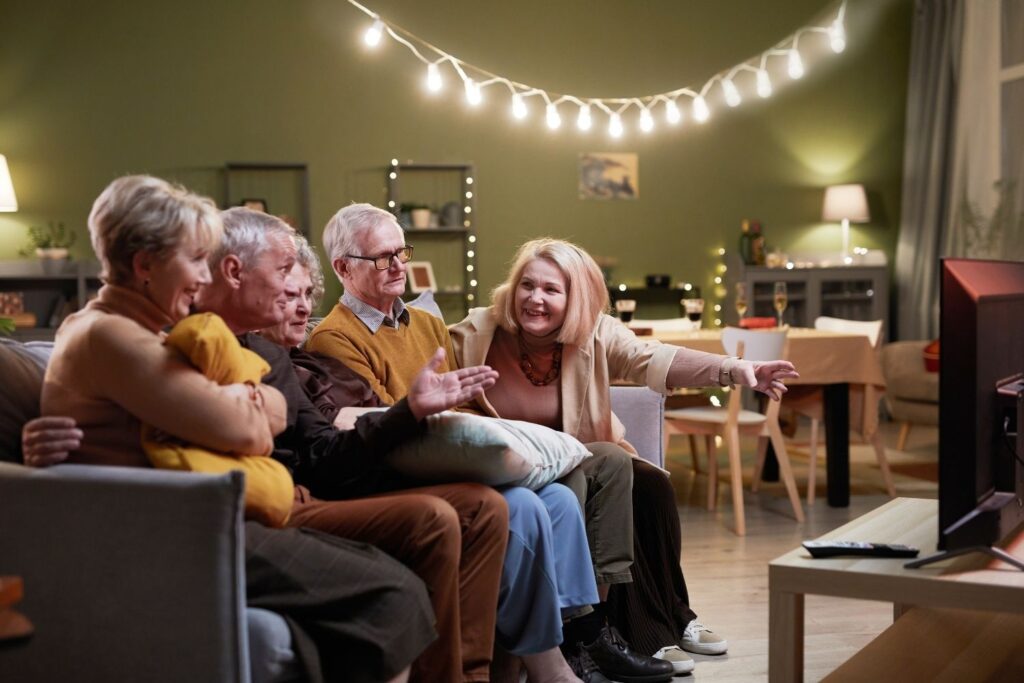
From sequined tap numbers to skits with canned laughter, variety shows blended song, dance, comedy, and celebrity interviews—all in one evening. Families gathered around one TV, watching network programs that served as cultural glue.
Unlike today’s tailored algorithms, these broadcasts offered a shared backdrop for conversation. Boomers recall scratchy channel dials, popcorn on TV trays, and performers who reappeared each week. The shows felt communal, even comforting—a smoothed path across generational tastes under one familiar theme tune.
9. Keeping a printed map in the glove compartment for road trips.

Folded maps sat glovebox-ready, their creases worn from repeated road trips. Tracing a route meant unfolding the state in miniature with fingers pressed along county lines.
Absent GPS guidance, travel required attention and coordination. That old atlas on the dash meant decisions and detours, turning rest stops into planning stations. For Boomers, the map remains a symbol of independence—and of trips where the journey, not the voice from a phone, shaped the route.
10. Hanging laundry out to dry on a backyard clothesline.

Clothesline pins clacked like metronomes in backyard breezes, suspending shirts and sheets beneath the sun. Laundry wasn’t just washed—it was aired, bone-dried, and fresh with a scent dryers can’t quite match.
Drying outdoors wove routine into the rhythm of weather. Boomers grew up watching towels sway across suburban fences and knew the quiet timing of clouds. Pulling stiff denim from the line or folding sun-warmed tees wasn’t just domestic labor—it was part of the day.
11. Saving S&H Green Stamps in a book for household rewards.
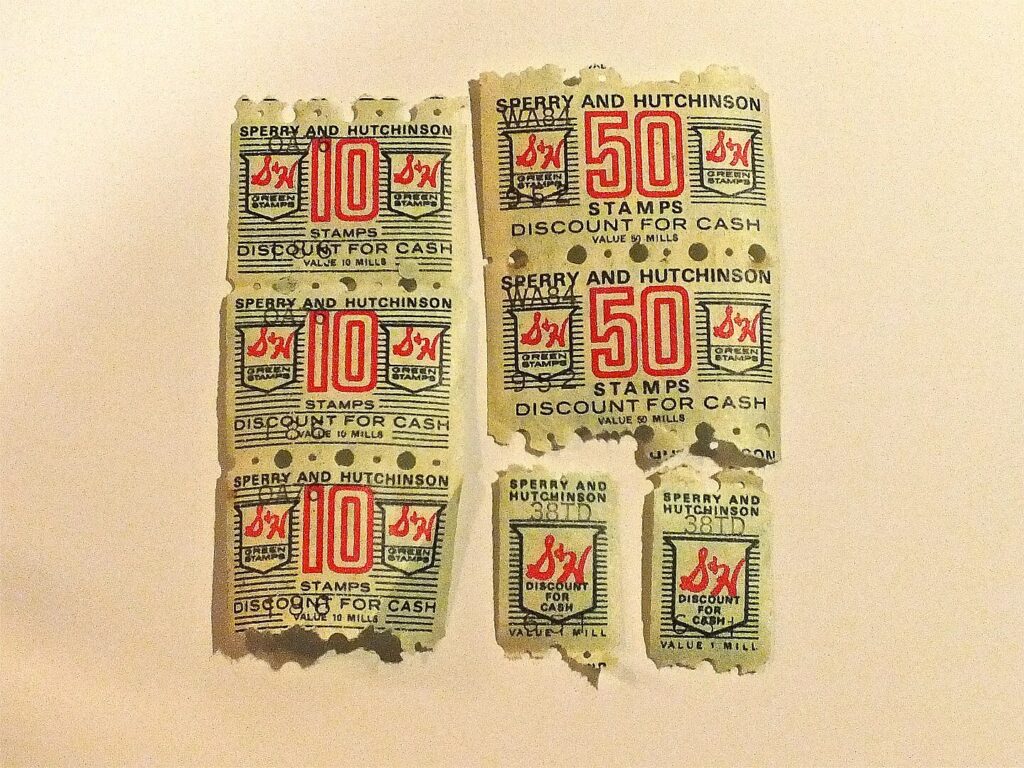
Books of perforated pages opened like calendars, each S&H Green Stamp pressed neatly in rows. Collecting them turned daily spending into a system of rewards, with redemption centers offering housewares or toys once pages filled.
Beyond the prizes, stamps carried anticipation. Visits to the supermarket or gas station might mean a fresh strip—green-paper proof of thrift. Boomers remember damp sponges for sticking them in, the slow pleasure of watching the book grow full, and the lasting pride of a toaster won through patience.
12. Displaying physical photo albums on the living room shelf.
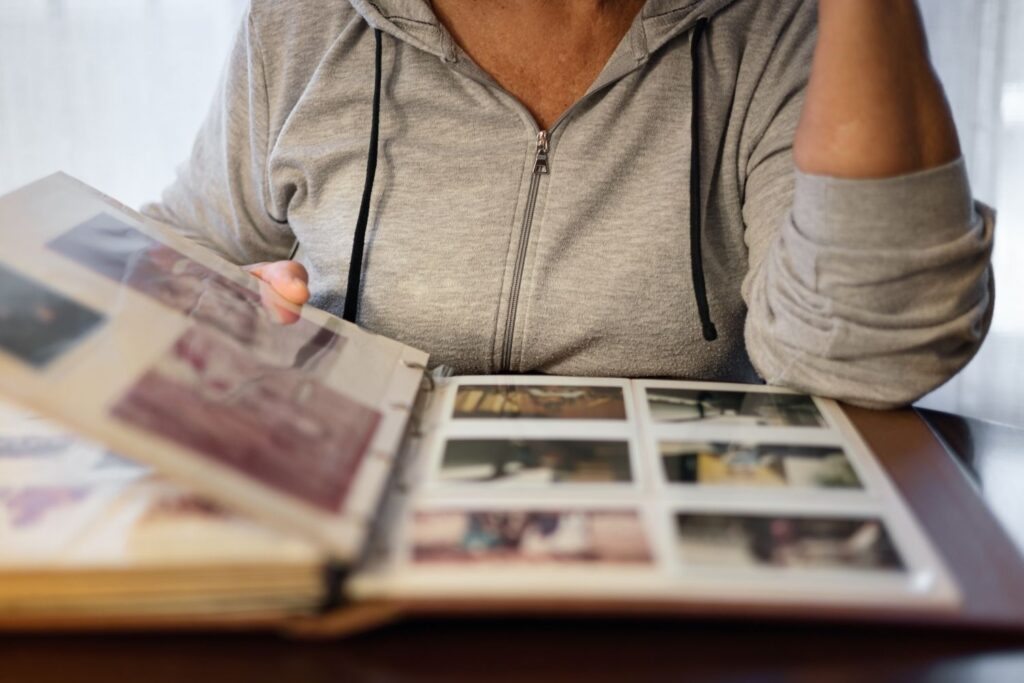
Thick photo albums weighted coffee tables like heirlooms, filled with plastic-sleeved prints and handwritten captions. Paging through them meant reliving birthdays, beach days, and holiday spreads—no scrolling, no filters.
Every photo stayed just as it was taken, whether someone blinked or the light fell flat. Boomers kept these albums in living rooms, ready for guests or quiet weekends. That leather-bound presence reminded visitors—and themselves—of analog permanence in a moment-focused world.
13. Playing board games without digital screens or electronic timers.
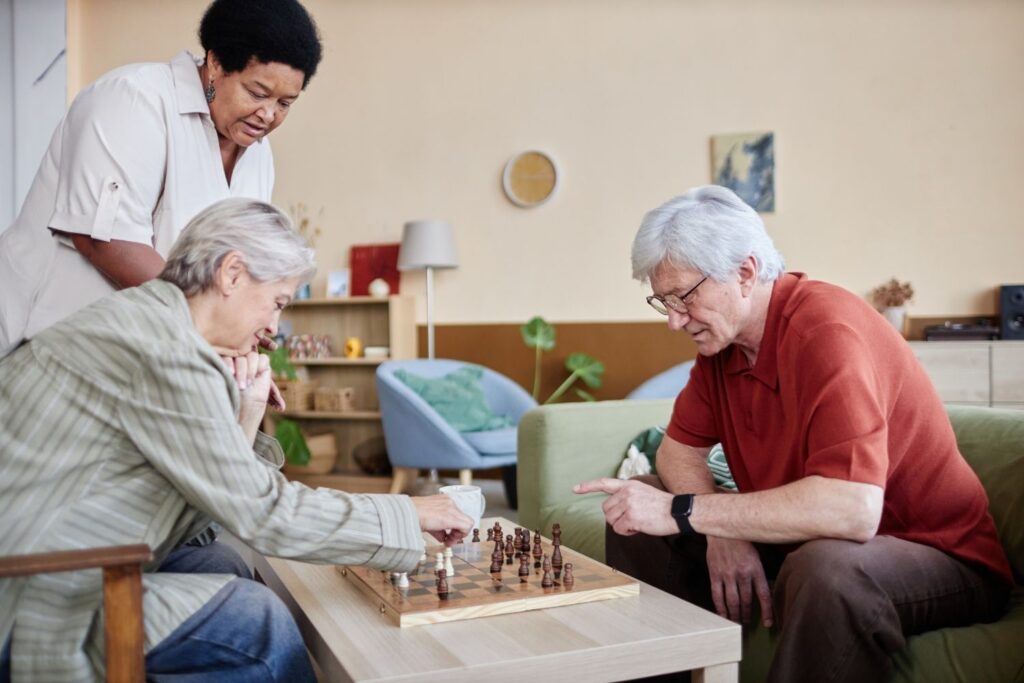
Dice clattered on tabletops, and board game pieces slid across cardboard paths. Games unfolded over hours, often slower than digital counterparts but rich with noise and side conversations.
Families leaned in around Monopoly, Sorry!, or Clue, learning patience, bluffing, and repetition. Boomers recall fraying game boxes stashed in closets, cards creased from use, and laughter that filled winter evenings. Without artificial timers or glowing screens, the experience demanded attention, not multitasking—and rewarded presence most of all.