
America’s Paper Checks Are on the Brink of Extinction — Here’s What Could Replace Them

Paper checks are rapidly becoming a relic of the American financial system. Since the 1990s, check usage has plummeted by over 90% as consumers and institutions embrace the speed of the digital age. With processing costs rising and fraud rampant, the countdown to a cashless reality has officially begun.
The transition is no longer optional; it is inevitable. As banks and government agencies aggressively pivot toward instant transfers and digital wallets, the infrastructure supporting paper payments is crumbling. Americans must now adapt to a financial landscape where physical checks are obsolete and electronic transactions rule the economy.
1. Checks Now Make Up a Tiny Fraction of U.S. Payments

The sheer volume of paper checks has collapsed from a staggering 40 billion annually in the mid-1990s to fewer than 3 billion today. This distinct downward spiral continues every year as the Federal Reserve tracks a mass migration toward debit cards and online bill pay.
This isn’t just a trend; it’s a permanent structural shift. As convenient digital options become the default for daily commerce, the paper check has lost its utility. Financial analysts warn that with adoption rates crashing, the check’s decades-long reign as a standard payment tool is effectively over.
2. Banks Are Phasing Out Check Services Slowly but Steadily

Major banks are quietly dismantling the infrastructure that supports checking. By reducing printing services and limiting branch orders, institutions are steering customers toward low-cost mobile features like Zelle and ACH transfers. The goal is to make digital adoption the path of least resistance.
While a formal ban hasn’t happened yet, the friction of using paper is intentional. This “soft phase-out” mimics the disappearance of passbooks, signaling a future where banking is entirely app-based. Customers clinging to paper will likely face increasing fees and dwindling support as banks modernize their systems.
3. The Government Is Moving Away From Paper-Based Payments
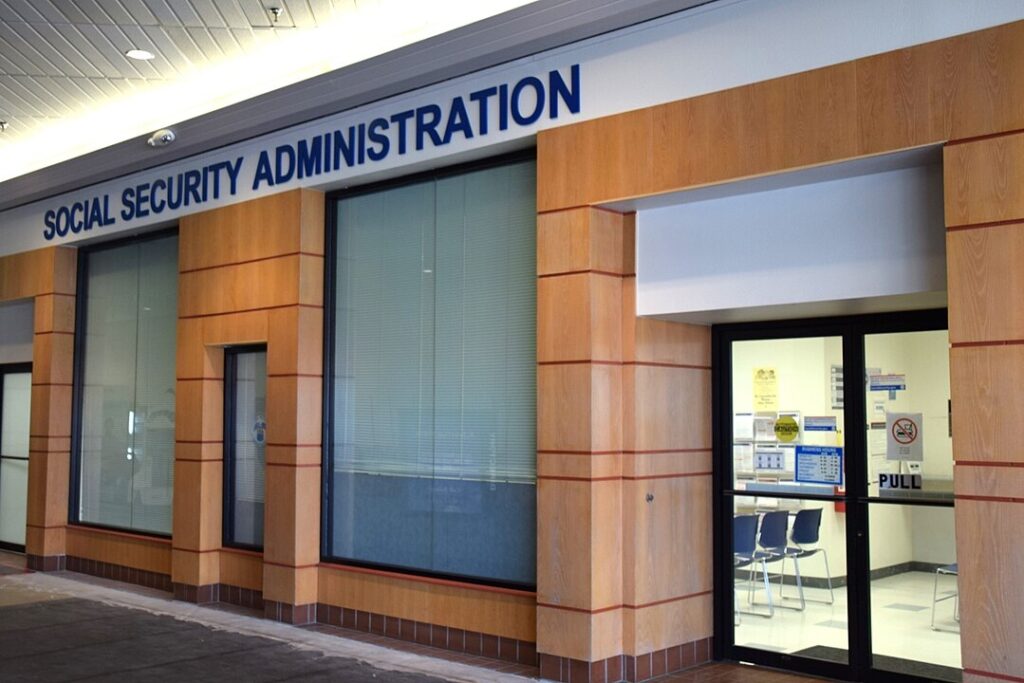
The federal government has led the charge against paper, virtually eliminating checks for Social Security and veteran benefits. By mandating direct deposit or prepaid debit cards, agencies have saved billions in taxpayer money previously wasted on printing, postage, and administrative handling.
Exceptions are now exceedingly rare, reserved only for extreme hardship cases. For federal agencies, paper checks represent an inefficient administrative nightmare. This streamlined digital approach ensures funds arrive faster and proves that large-scale operations can successfully abandon outdated paper-based systems for good.
4. Processing Paper Checks Is More Expensive Than Digital Payments
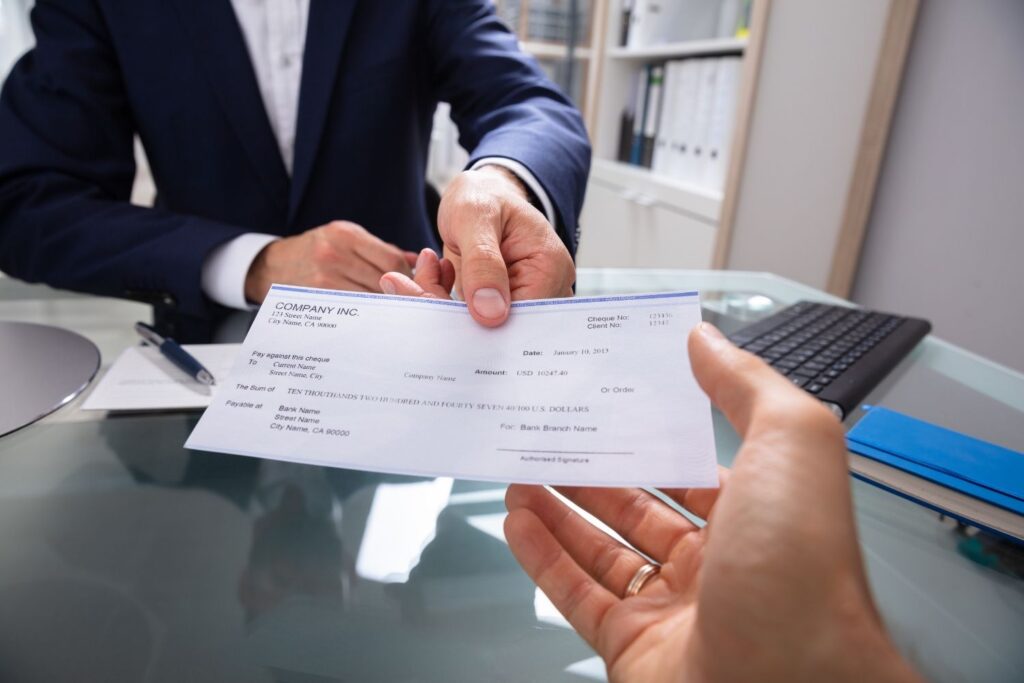
The economics of paper checks are unsustainable for modern businesses. When factoring in labor, printing, postage, and fraud mitigation, a single check can cost over $4 to process. In stark contrast, electronic transactions cost mere pennies and execute in seconds.
Inflation has only widened this gap, making paper physically and financially impractical. Eliminating checks isn’t just about modernization; it is a necessary cost-cutting measure. As profit margins tighten, businesses are rapidly discarding paper to improve their bottom line and increase operational speed.
5. Fraud Risks Are Pushing Businesses Toward Digital Tools

Physical checks have become a primary target for criminals, fueling a surge in mail theft and “check washing” schemes. The U.S. Postal Service and banks are battling a wave of forgery that costs the economy billions, proving that paper is a liability in a high-tech world.
Digital payments offer a secure fortress against these specific threats by bypassing the physical mail system entirely. With encrypted verification and biometric security, electronic transfers provide a safety net that ink and paper cannot match. For security-conscious companies, the switch is a defensive necessity.
6. More Employers Are Requiring Direct Deposit
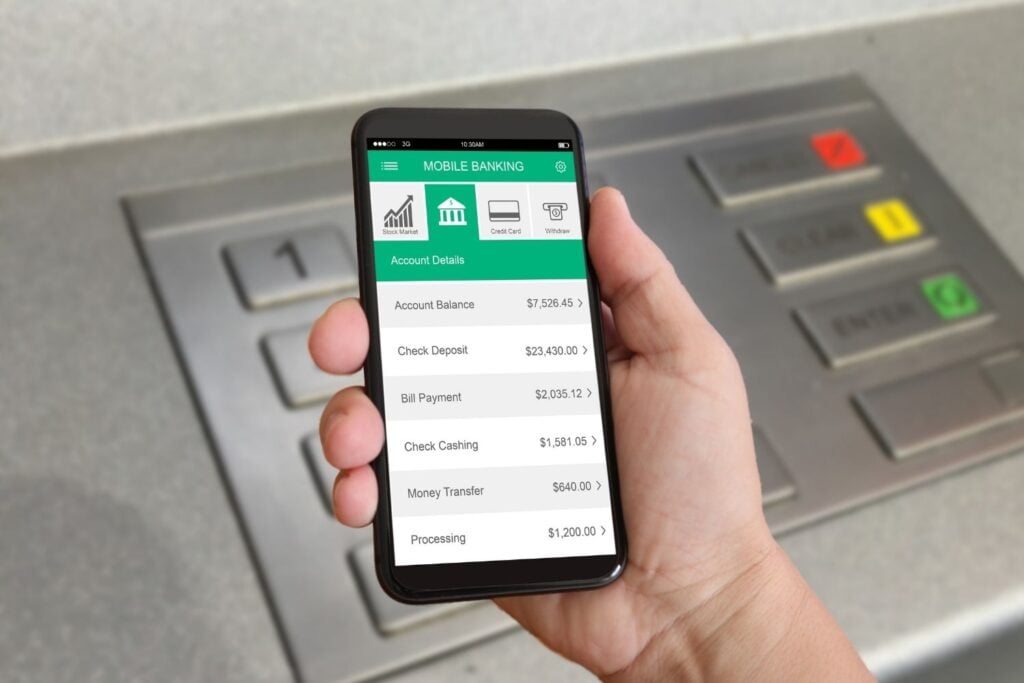
Direct deposit is now the undisputed king of payroll, used by over 93% of the American workforce. Most modern companies have ceased cutting paper checks entirely, offering them only when strictly mandated by local labor laws.
This ubiquity has trained the workforce to expect instant access to their funds. As electronic payroll becomes the universal standard, the concept of “payday” has shifted from a physical handout to a digital notification, further erasing the check from everyday life.
7. Younger Generations Rarely Use Checks At All

A generational divide is sealing the fate of the paper check. Gen Z and younger Millennials rarely, if ever, write checks; many have never even owned a checkbook. Their financial lives operate exclusively through apps and peer-to-peer platforms.
Because these younger demographics drive future consumer trends, their rejection of paper is a death knell for the medium. As they age into greater economic power, their preference for frictionless, paperless transactions will force the remaining holdouts to digitize or become irrelevant.
8. Digital Wallets Are Becoming the New Normal

Digital wallets like Apple Pay, Venmo, and PayPal have normalized cashless commerce for millions. These platforms handle billions of transactions annually, offering a level of speed and encryption that physical checks cannot hope to rival.
The convenience factor is undeniable. As restaurants, retailers, and service providers universally accept mobile payments, the consumer impulse to carry a checkbook has vanished. The smartphone has effectively replaced the wallet, making paper-based payments feel cumbersome and archaic.
9. Real-Time Payment Systems Are Expanding Nationwide

The rollout of the FedNow service and the Clearing House’s RTP network has eliminated the “float” time that kept checks relevant for some. Americans can now execute 24/7 real-time transfers that settle instantly, regardless of banking hours.
This technology removes the last remaining advantage of paper checks: the buffer time before funds clear. With money now moving at the speed of data, the slow, multi-day processing time of a physical check renders it completely non-competitive for time-sensitive bills.
10. States Are Modernizing Tax Refunds and Rebates

State governments are actively modernizing their treasuries by issuing tax refunds and rebates via direct deposit. This shift dramatically speeds up delivery times for residents while slashing the administrative overhead of printing and mailing millions of checks.
As more states adopt these electronic distribution models, the volume of official government mail is shrinking. This trend sends a clear message to the public: even the bureaucracy is moving on. The era of waiting by the mailbox for a government check is rapidly coming to a close.
11. Experts Predict Paper Checks Could Vanish Within a Decade
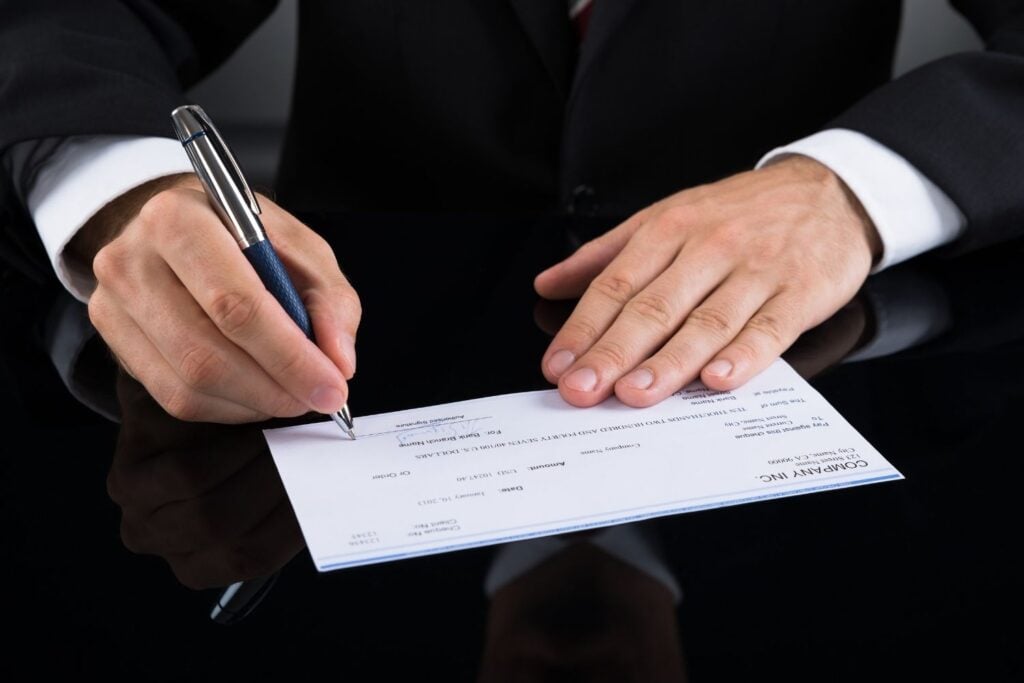
Financial experts predict the paper check is entering its final countdown, with total obsolescence likely within the next decade. The decline is accelerating as the “network effect” of digital adoption makes non-digital payments increasingly difficult to process.
The convergence of rising costs, fraud risks, and consumer preference is creating a perfect storm. While they won’t vanish overnight, checks are destined for the history books. Americans should expect a near-future where requesting to pay by check is met with confusion—or refusal.