You’d Be Surprised How Many People Disappear in U.S. Parks

Thousands disappear in America’s parks each year, and the explanations rarely add up.
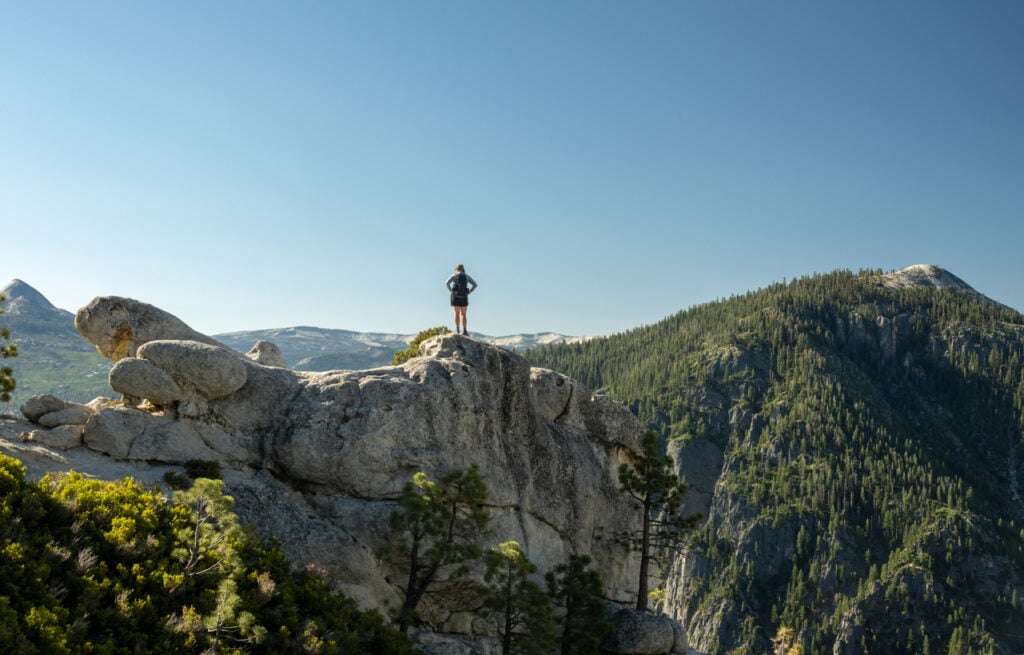
Mountain overlook, lone hiker foreground, wide vista framing, clear daylight, editorial travel photo, one person present.
©Image license via iStock

Every year, people vanish without a trace in national parks, forests, and wilderness areas across the U.S. Some are hikers who stray off the trail, others vanish under circumstances that defy logic. Despite modern tracking technology and widespread media coverage, many cases remain unsolved for decades.

The disappearances raise unsettling questions about how vast, wild, and unpredictable America’s wilderness really is — and what might be lurking within it.


Read more

Study Finds Link to Ultraprocessed Foods and Colorectal Cancer in Women Under 50

New research suggests everyday convenience foods may pose unexpected risks for younger women.

Hospital room, elderly woman with doctor, side view composition, natural light day, documentary style, two people present.
©Image license via iStock

A growing body of evidence shows that ultraprocessed foods could play a larger role in colorectal cancer development than previously understood. While past studies focused mainly on men, new findings reveal a troubling pattern among women under 50, particularly those relying heavily on ready-to-heat and ready-to-eat meals.

The connection isn’t just about calories or fat — it’s about how these foods interact with the gut, metabolism, and long-term disease risk.

Read more

Scientists Find a Frightening Link Between Loss of Smell and Early Death

Scientists say losing your sense of smell could quietly predict how long you’ll live.

Indoor setting, couple holding red wine glasses, close-up composition, soft natural light, editorial travel photo, with people.
Mature couple smelling the wine at home

New research has revealed a startling connection between a fading sense of smell and an increased risk of early death. Multiple long-term studies show that olfactory loss can predict mortality more accurately than some chronic diseases, including cancer and heart failure.

The findings suggest that your nose may be more than a sensory organ—it might be an early warning system for overall health and longevity.

Read more

Gen Z Is Counting on an Inheritance—But Their Boomer Parents Have Other Plans

Boomers’ estate plans increasingly focus on personal needs over leaving inheritances to Gen Z.

Wooden pier over ocean, older couple arm in arm, bright sunlight behind, editorial travel photo, people.
©Image license via iStock

Many members of Gen Z anticipate inheriting wealth from their Baby Boomer parents as a financial safety net. However, economic challenges, longer retirements, and shifting priorities often lead Boomers to reconsider their estate plans. Rather than leaving substantial inheritances, Boomers may prioritize their own healthcare, lifestyle, and financial security, meaning Gen Z’s expectations may not align with their parents’ realities. Understanding these dynamics helps families navigate financial conversations with clarity.

Read more

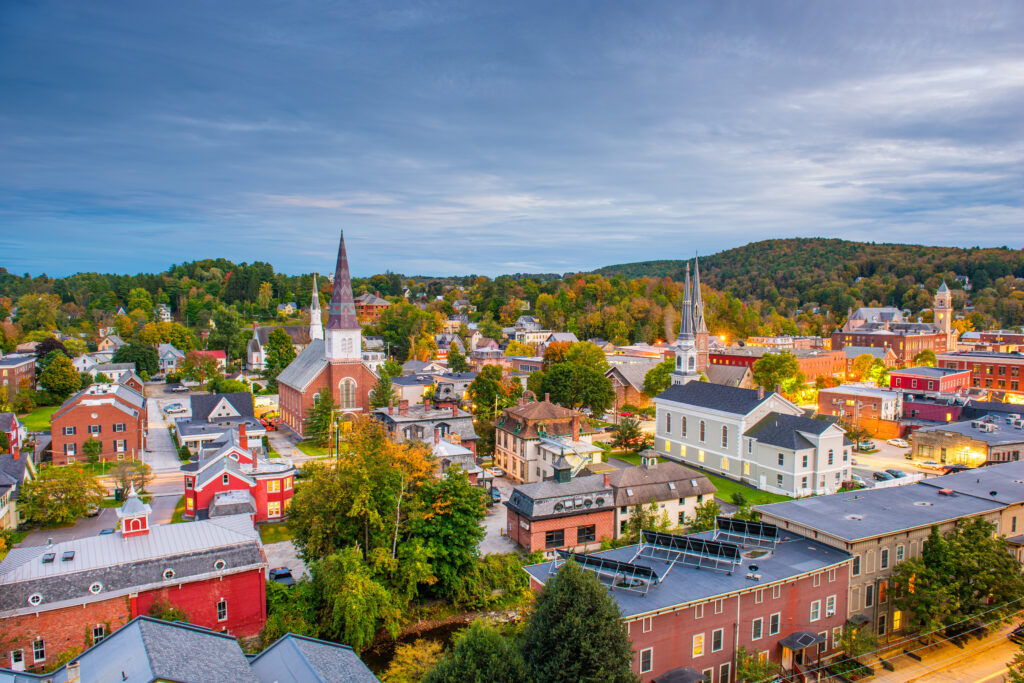
The Safest Places to Be in the U.S. If Everything Falls Apart

Explore U.S. locations that combine natural safety with community strength for survival situations.

Small town, illuminated church steeples, distant forested hills, cloudy twilight, editorial travel photo, no people.
©Image license via iStock

When disaster strikes, choosing the right place to be can make all the difference. The safest locations in the U.S. for surviving catastrophic events balance natural protection, resource availability, and strong community ties. Factors like proximity to fresh water, low population density, mild climates, and robust emergency infrastructure play key roles. Understanding these elements, based on expert guidance from FEMA, CDC, and USGS, helps individuals prepare thoughtfully for uncertain times.

Read more

Baby Boomers Are Holding On Tighter Than Ever—Here’s What It Means for Everyone Else

Boomers aren’t just staying in power—they’re redefining what aging looks like in America.

©Image license via iStock

Baby Boomers, now mostly in their 60s and 70s, are holding on to wealth, property, and influence longer than any generation before them. They’re not retiring at the expected pace, not selling their homes, and not stepping aside in leadership roles. This slow transition is reshaping the economy, housing market, and workplace for younger generations.

The ripple effects are everywhere, and they reveal just how much control one generation still has over America’s future.

Read more

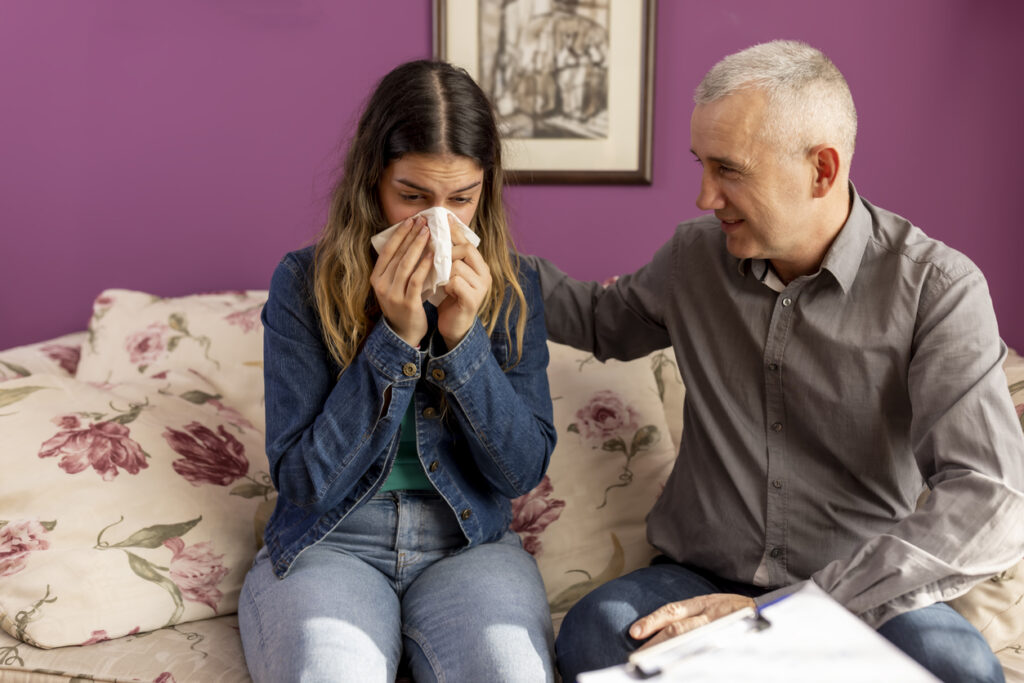
Why Boomers and Gen Z See the World So Differently

Understanding key cultural and technological influences shaping boomer and gen z perspectives

Living room, young woman in tears, comforting older man nearby, soft indoor lighting, documentary style, two people.
©Image license via iStock

Baby Boomers and Generation Z often view the world through different lenses shaped by distinct experiences and values. While Boomers tend to prioritize stability, tradition, and face-to-face communication, Gen Z embraces adaptability, digital interaction, and social change. Recognizing these contrasts involves appreciating each generation’s unique historical context, economic realities, and communication styles, which influence their social values and overall worldview in meaningful ways.

Read more

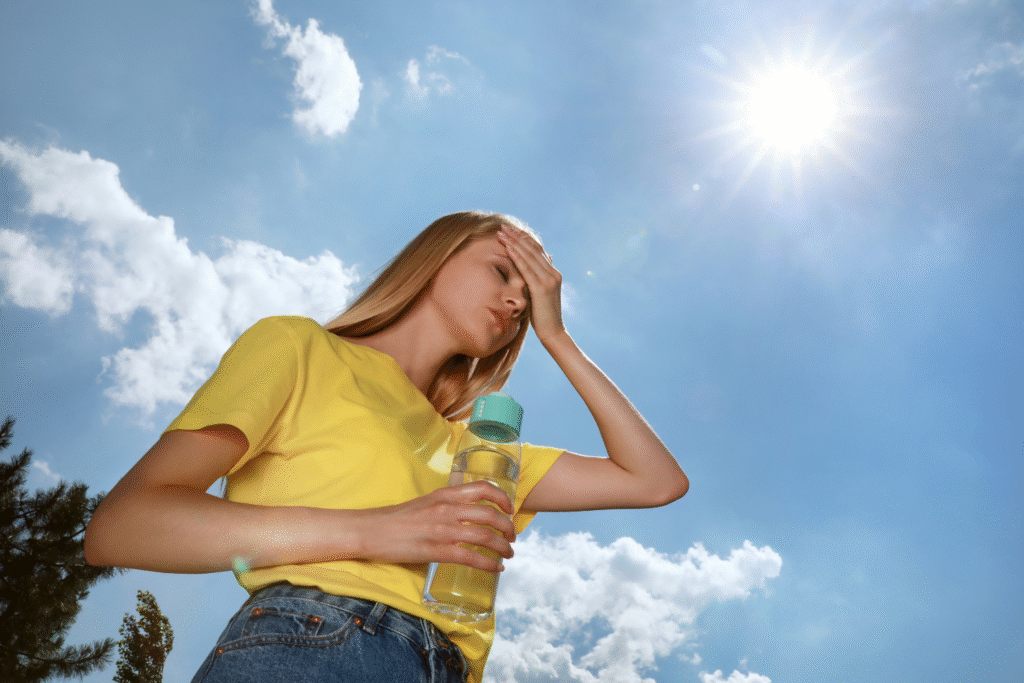
Extreme Heat Isn’t Just Dangerous—It Might Be Making People Age Faster

Scientists say rising temperatures may be quietly speeding up the body’s biological clock.

©Image license via Canva

New research shows that long-term exposure to extreme heat doesn’t just cause discomfort—it could actually make you age faster at the cellular level. Frequent days over 90°F are now linked to DNA changes and faster tissue decline, with effects similar to heavy smoking or drinking.

The findings suggest that as climate change intensifies, the heat outside might be silently rewriting how quickly we grow old.

Read more

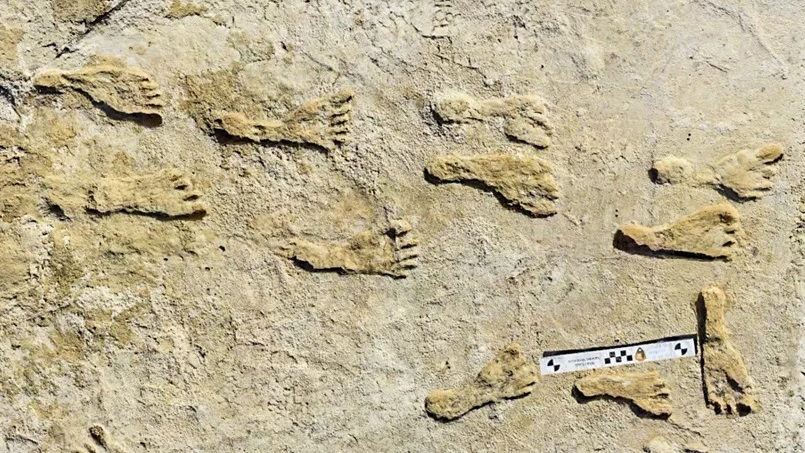
Fossilized Footprints in N.M. Show Humans Lived in America for at Least 23,000 Years

Ancient footprints preserved in dried lakebed mud are rewriting the entire timeline of human arrival in America.

©Image credit via NPR

Researchers discovered thousands of fossilized human footprints at White Sands National Park in New Mexico, dated to between 21,000 and 23,000 years ago. This discovery pushes back the established timeline of human presence in North America by at least 7,000 years, fundamentally challenging what archaeologists thought they knew about migration patterns.

The prints reveal detailed snapshots of daily life during the last Ice Age, showing adults, teenagers, and children walking across mudflats that are now desert.

Read more

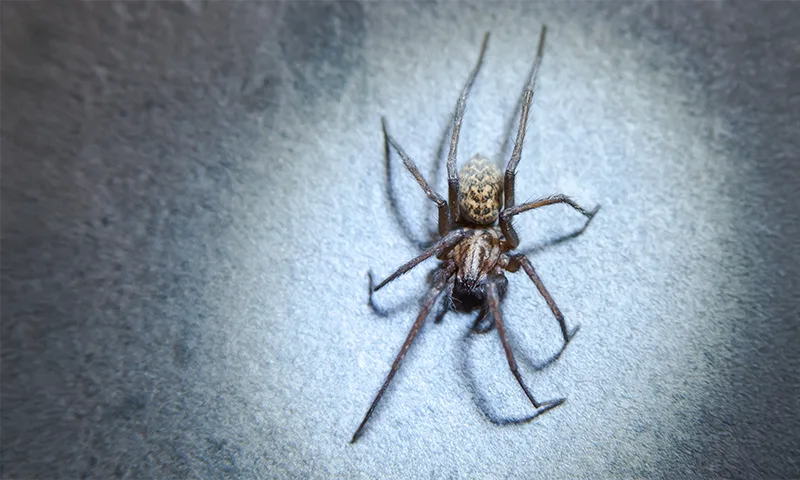
Scientists Discovered World’s Largest ‘Super-Web’ Housing 111,000 Spiders

Scientists stumbled upon a sprawling spider city that defies everything we know about arachnids.

©Image license via Shutterstock

In a wetland in Madagascar, researchers have discovered a colossal interconnected web stretching across hundreds of meters — a shimmering fortress of silk housing over 111,000 spiders. The massive “super-web,” unlike anything previously documented, is the result of cooperative behavior rarely seen among typically solitary creatures.

This discovery challenges long-held beliefs about spider social structures and raises fascinating questions about survival, teamwork, and adaptation in nature.

Read more

It’s Not Just Seniors: Memory Problems Have Doubled in Adults Under 40, Study Finds

Researchers are sounding alarms as younger adults struggle with forgetfulness once linked to aging.

©Image license via Canva

A new study has found that memory problems in adults under 40 have nearly doubled in just a decade. Once dismissed as simple distraction, these lapses are becoming more frequent and harder to ignore. Doctors say the trend reflects a perfect storm of stress, sleep deprivation, and constant digital overload that’s quietly reshaping how the brain functions.

What used to be considered a normal part of aging is now showing up in people still years away from midlife.

Read more

Weak Spot in Earth’s Magnetic Field Is Expanding and Scientists Are Worried

Earth’s magnetic shield is developing a strange weak zone that’s growing fast.

Earth from space, sunrise highlights Europe and Africa, city lights sparkle, galaxy backdrop, editorial travel photo, no people.
©Image license via iStock

A mysterious region above the South Atlantic, where Earth’s magnetic field is weaker than anywhere else, has expanded dramatically in just a decade. Known as the South Atlantic Anomaly, it now stretches from South America toward Africa, covering an area nearly half the size of Europe.

Scientists say this anomaly is changing faster than expected — and what’s happening deep inside Earth may hold the key to understanding why.

Read more

American Fear: Big Rise in Backyard Bunkers as People Rush Underground

Fear is driving Americans to dig deep, turning backyards into modern-day fortresses.

©Image credit via Brand Name Real Estate

Across the U.S., demand for underground bunkers is skyrocketing. Fueled by fears of war, climate disasters, and social collapse, Americans are racing to build personal sanctuaries beneath their feet. What once seemed paranoid is now mainstream, with sales of survival shelters doubling since 2020 and companies marketing bunkers as both safety nets and status symbols.

This growing movement reveals a country increasingly anxious about the future — and willing to go underground to feel secure.

Read more

Shingles Vaccine Isn’t Just for Rashes — It Could Protect Your Heart

Doctors say a vaccine designed to stop a rash may also protect your heart.

Hospital room, elderly woman with doctor, side view composition, natural light day, documentary style, two people present.
©Image license via iStock

New research reveals that the shingles vaccine could do far more than prevent a painful skin eruption. Large-scale studies now suggest it lowers the risk of heart attack, stroke, and even cardiovascular-related death — and the benefits can last for years.

It’s an unexpected bonus that could make a single shot one of the most valuable tools in preventive health.

Read more