13 Chores Your Grandparents Did by Hand That Modern Kids Might Avoid

Many once-daily household chores required effort, patience, and basic tools instead of modern machines.

©Image license via Picryl

Before the rise of appliances and time-saving gadgets, daily chores required consistent physical effort and coordination. Tasks that now take minutes once demanded planning, hand tools, and teamwork—turning routines like laundry or yard work into half-day undertakings. For many older generations, these chores weren’t just duties but important lessons in responsibility. Understanding how much effort went into daily upkeep reveals how dramatically life at home has changed across generations.

Read more

11 Old Etiquette Rules Younger People Often See as Controlling Rather Than Polite

Many traditional rules were about order and control more than mutual understanding or kindness

©Image license via Freepik

What once passed for apparent respect can sometimes feel like subtle control. Etiquette evolves alongside cultural values, and younger generations are rethinking which social norms still make sense. While the goal of good manners remains—showing care and consideration—some older customs now come off as inflexible or unnecessarily formal. Understanding these shifts can help bridge generational gaps and make room for genuine respect grounded in context, not just custom.

Read more

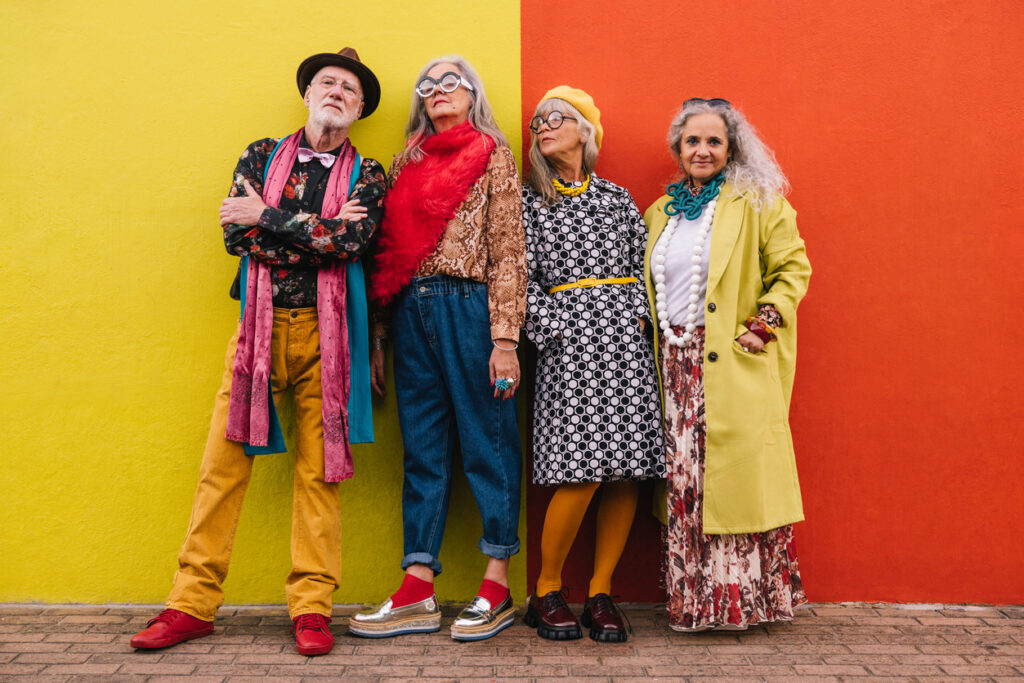
12 Fashion Rules You’re Still Following That Most People Have Forgotten

Fashion has evolved beyond outdated etiquette, making space for freedom, comfort, and personal flair.

Yellow-orange wall, confident older adults, group portrait, bright daylight, editorial fashion photo, four people.
©Image license via iStock

Fashion used to follow a strict rulebook—one that often prioritized coordination over creativity and conformity over comfort. But many of those timeworn style rules no longer apply. Whether it’s mixing metals, wearing white in winter, or ditching the heels, today’s approach to fashion is far more flexible. Embracing a modern wardrobe means understanding which rules are obsolete and how personal style now shapes what’s considered polished and put together.

Read more

11 Ways Boomer Husbands Keep Their Wives Happy

Older husbands often rely on small, steady habits that nurture connection and build lasting love.

©Image license via Pexels

Long-term marriages aren’t fueled by grand gestures alone. Many older husbands have learned that quiet, consistent habits—like active listening, daily affection, and shared routines—matter just as much. These small moments can reinforce trust, respect, and joy over decades together. Rather than letting comfort breed complacency, these men tend to approach marriage as a partnership that still deserves thoughtful care, laughter, and presence every day.

Read more

If Your Kindness Is Often Mistaken for Weakness, Let Go of These 8 Behaviors

Kindness strengthens relationships, but certain habits can unintentionally blur self-respect and self-sacrifice.

Living room, comforting embrace, beige couch foreground, soft daylight, documentary style, two women.
©Image license via iStock

Kindness and weakness are often mistaken for each other, especially when healthy limits go unspoken. If you’re someone who puts others first, it’s easy to fall into patterns that feel generous but slowly chip away at your time, confidence, or voice. Recognizing which tendencies signal compassion and which ones signal over-extension can help you connect more authentically without losing sight of your own needs and values.

Read more

8 Behaviors That Can Help You Make More Friends at Any Age

Building genuine friendships starts with small, consistent actions that signal warmth and interest.

©Image license via Freepik

Making new friends doesn’t require a complete personality shift. Much of it comes down to how you show up, listening well, following through, and creating space for connection. As research and expert observation show, people of all ages tend to feel seen and appreciated when others express genuine interest and offer dependable presence. These behaviors encourage trust to grow naturally and make social environments feel more inviting, no matter your life stage or background.

Read more

10 Things You Should Only Share With Your Closest Family or Friends

Some personal details deserve privacy to protect your well-being, trust, and emotional space.

Park bench, two women holding hands, side-by-side close-up, daytime with natural light, documentary style, people present.
©Image license via iStock

In a world where sharing often feels second nature, knowing what to keep close can protect your sense of self and preserve meaningful boundaries. Trusted relationships offer a safe space for vulnerable truths, but oversharing outside that circle can lead to discomfort or misinterpretation. Understanding which details are best kept private encourages healthier communication, strengthens trust, and helps prevent emotional overexposure in casual or less intimate settings.

Read more

These Character Traits Show Someone You Truly Understand Integrity

Integrity shows up in everyday actions, especially when no one is watching or rewarding it.

©Image license via Canva

Integrity isn’t just about heroic choices or big moments. It’s revealed in how people treat others, own their actions, and stay true to their values even under pressure. Traits like honesty, reliability, and accountability don’t need to be announced—they speak through habit and consistency. Recognizing the signs of true integrity can help you build stronger relationships, lead with confidence, and surround yourself with people you trust.

Read more

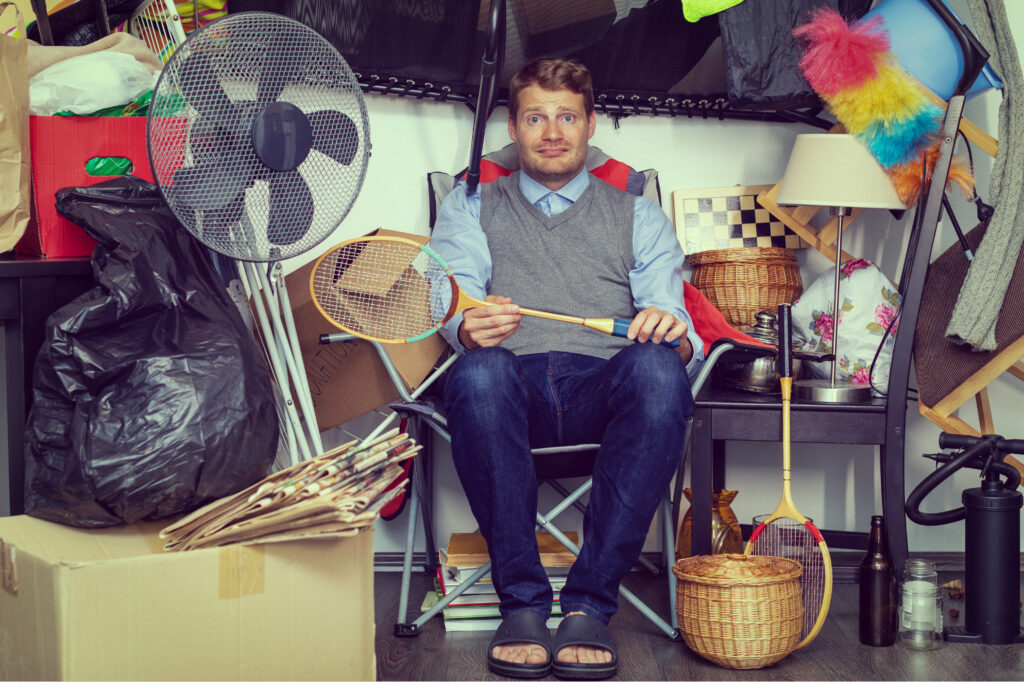
You Call It ‘Saving,’ They Call It ‘Clutter’: 11 Stashes Boomers Won’t Let Go Of

Baby boomers often hang onto practical relics that quietly become emotional anchors over time

Cluttered room, man on folding chair center, household items scattered, even lighting, documentary style, one person.
©Image license via Shutterstock

What might read as clutter to some often carries a deeper story for baby boomers. Many household items, from that stack of vintage cookbooks to worn linens—serve as keepsakes of past roles, routines, or relationships. These belongings aren’t just things; they’re markers of identity and history. Understanding why certain stashes are hard to part with opens the door to more thoughtful, respectful conversations around decluttering and generational transitions.

Read more

These Common Behaviors are in People With Unshakeable Moral Standards

People with rock-solid ethics tend to act with intention, empathy, and quiet consistency.

©Image license via Shutterstock

Some people seem to carry a built-in compass that keeps their behavior steady, even under pressure. These are the individuals who lead with principle, not convenience, and follow through on what they believe is right regardless of recognition or reward. By examining their consistent choices—how they listen, speak up, and treat others—you can better understand the foundation that supports strong moral integrity in everyday life.

Read more

12 Skills Boomers Learned in Childhood That Help Them Succeed in Retirement

Early habits like budgeting, mending, and face-to-face connection still shape independent retired life

Classroom, boy reading at desk, glasses and striped shirt, natural daylight, documentary style, one child present.
©Image license via Canva

Many Boomers entered retirement with a toolkit of skills their younger selves took for granted. What began as routine chores or lessons in self-reliance now contributes to smoother, more confident days without the structure of full-time work. From balancing a checkbook to repairing a loose hinge, these practical abilities bridge the past and present. They help retirees stretch resources, maintain routines, and stay both connected and capable in a changing world.

Read more

12 Common American Complaints That Are Actually Completely Fair

Americans aren’t just complaining—these everyday frustrations often stem from real systemic challenges

Restaurant interior, woman with bowl center, server in apron foreground, daytime light, editorial travel photo, two people.
©Image license via iStock

Across the country, people voice frustrations that go far beyond personal preference or momentary inconvenience. Many of these common complaints reflect deeper structural issues that affect millions, like rising costs, strained services, and limited access to rest or support. Far from nitpicking, these grievances offer a glimpse into how daily life in the U.S. can feel needlessly difficult. By digging into the causes, it becomes easier to understand where change might start.

Read more

13 Ways Your Local Slang Reveals Where You Grew Up

Local slang reveals deep ties between language, geography, and the culture where you were raised.

©Image license via iStock

Regional slang is more than just colorful vocabulary—it’s a clue to where someone grew up. The words and phrases people use every day are often deeply rooted in local culture, geography, and history, shaping the way communities express themselves. Whether it’s how you describe a soft drink or the terms you use for everyday directions, speech patterns can quietly broadcast your hometown without a map or an address.

Read more

If You Grew Up Tough, These 11 Behaviors May Reveal How You Cope With Pain

These subtle signals might trace back to early survival strategies that shaped your emotional habits.

©Image license via Canva

If you grew up in an environment where softness felt unsafe, your everyday behavior may quietly reflect the emotional armor you built back then. From avoiding vulnerability to brushing off kindness, these habits once protected you. But over time, they can limit connection and emotional growth. Recognizing these patterns empowers you to understand where they come from and gently explore new ways of caring for yourself and others.

Read more