
Independence doesn’t fade with age—it’s built into the system.

Sweden has quietly perfected a model of senior living that keeps people in their homes longer, healthier, and happier. Instead of pushing older adults into institutional care, the country designs communities that support autonomy and connection. It’s not luck—it’s planning, policy, and respect for aging as a natural part of life.
Their approach redefines what it means to grow old, blending compassion with practicality in a way few nations have managed to match.
1. Home modifications are treated as essential, not optional.

In Sweden, accessibility isn’t an afterthought—it’s a right. Seniors can get help installing ramps, grab bars, and stair lifts through municipal grants. The goal is simple: remove barriers before they become hazards. These changes allow people to stay home safely instead of being forced into care facilities after a preventable fall.
This proactive mindset saves both lives and money. It acknowledges that independence starts with environment. When homes evolve alongside aging bodies, people maintain dignity, confidence, and control over daily life. Sweden’s system doesn’t wait for a crisis—it prevents one.
2. Personalized home care keeps seniors connected and supported.

Instead of relying on overworked families or underfunded institutions, Sweden provides tailored in-home care. Trained professionals visit regularly to help with meals, medication, and companionship. Each plan reflects individual needs, creating a sense of partnership rather than dependency.
This consistency builds trust. Seniors know who’s coming and when, turning care into a relationship instead of a transaction. It’s one of the reasons Swedes often describe aging not as decline but as adaptation—and that shift in mindset changes everything.
3. Technology quietly fills the gaps without replacing people.

Smart home systems and discreet monitoring tools are part of everyday life for Swedish seniors. Devices track health metrics, alert caregivers to emergencies, and even adjust lighting automatically for better safety. The technology is designed to empower, not surveil.
What makes it work is balance. The tech supports independence without erasing the human touch. By using innovation thoughtfully, Sweden manages to extend freedom rather than restrict it—a crucial distinction that keeps older adults feeling capable, not controlled.
4. Local governments take responsibility for elder care.

In Sweden, municipalities—not families—carry the main responsibility for senior care. That structure ensures consistent funding, professional standards, and equal access regardless of income or location. It removes the guilt and stress often felt by adult children who can’t be full-time caregivers.
This public accountability creates transparency and fairness. Instead of patchwork solutions or charity-driven care, there’s a structured, predictable system. It turns aging into a shared social value rather than a private burden.
5. Community design encourages mobility and engagement.

Swedish neighborhoods are built with seniors in mind—flat sidewalks, benches at regular intervals, and accessible public transport make movement easy. Everything about the design invites older adults to participate in daily life rather than retreat from it.
By making public spaces usable for everyone, Sweden naturally fosters connection. A walk to the store becomes a social event instead of a challenge. The layout itself combats isolation, ensuring aging doesn’t mean disappearing from the world.
6. Preventive health programs delay decline.
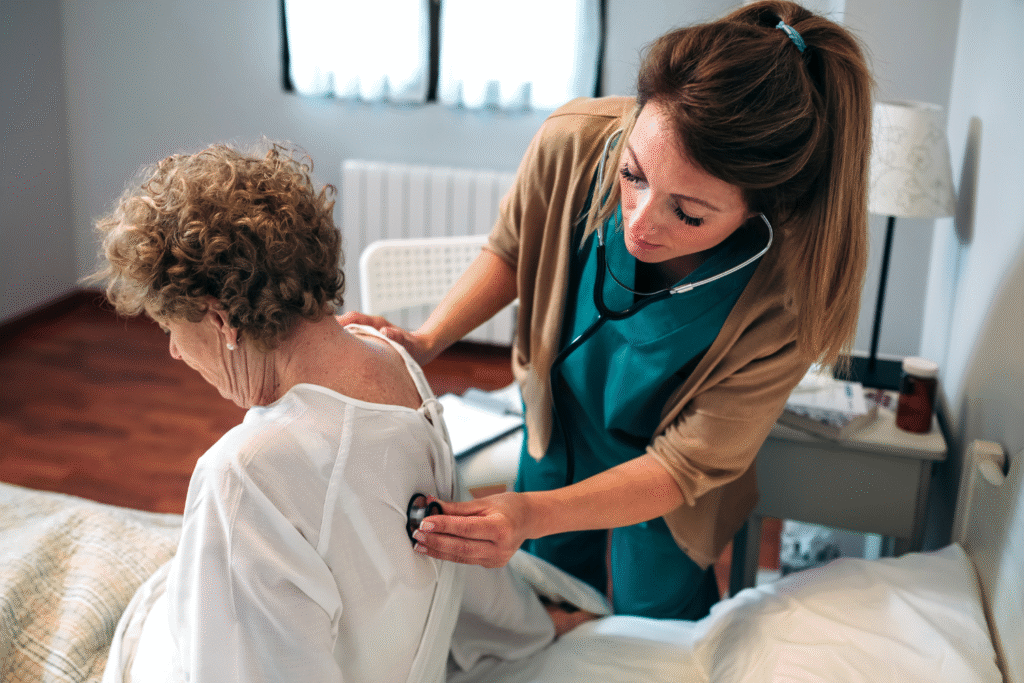
Regular checkups, fitness subsidies, and wellness counseling are standard parts of Sweden’s aging-in-place plan. Health care isn’t reactive—it’s predictive. Early detection and consistent support keep chronic conditions under control before they become emergencies.
This preventive focus saves lives and preserves independence. It acknowledges that aging is a continuum, not a sudden event. By catching problems early, Sweden reduces hospital visits and ensures seniors maintain quality of life well into their eighties and nineties.
7. Affordable housing ensures stability through retirement.

Sweden’s public housing model prioritizes accessibility and affordability for older adults. Rent-controlled apartments, co-living arrangements, and subsidies prevent seniors from being priced out of their own neighborhoods. Stability becomes a key ingredient in mental and physical health.
Knowing you won’t lose your home brings peace that no medication can match. Sweden understands that aging well isn’t just about health care—it’s about security. Housing policies that protect elders help them stay rooted in the communities they love.
8. Social inclusion is woven into daily routines.
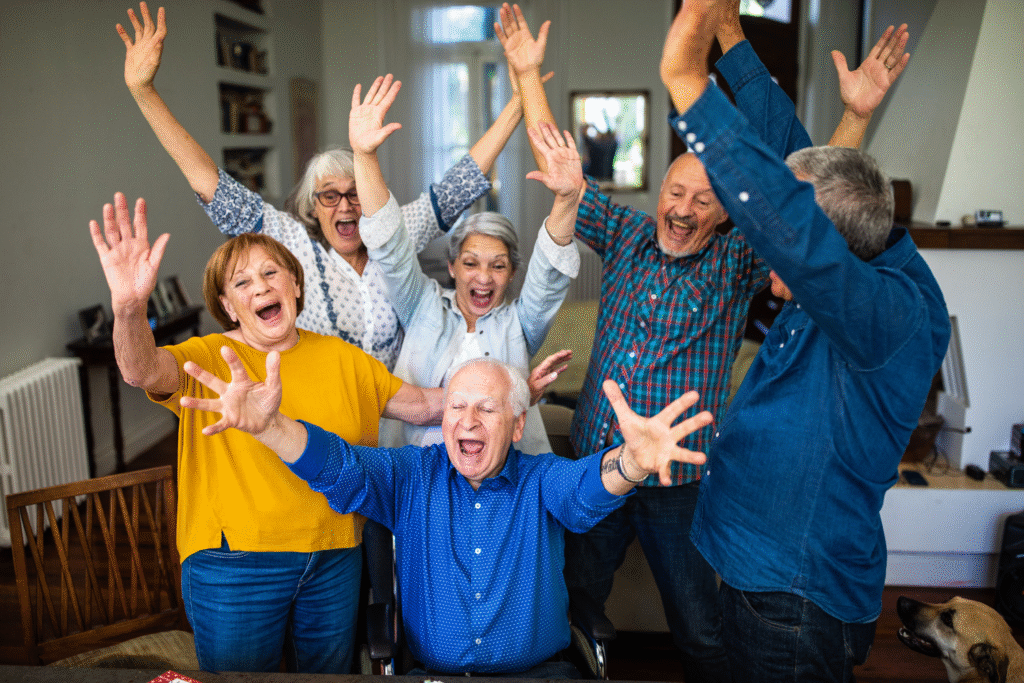
Loneliness is treated like a health risk in Sweden, not a private emotion. Municipalities organize social clubs, walking groups, and cultural programs that encourage connection. Participation is easy, free, and accessible to everyone.
This emphasis on belonging creates invisible safety nets. People look out for each other naturally, reducing the need for constant formal oversight. By normalizing community interaction, Sweden proves that social engagement is just as vital as medication or meals.
9. Family involvement is supported, not exploited.

Families play an important role—but they’re not expected to carry the full weight. The government offers flexible leave policies, respite care, and coordination help for relatives. It lets families be emotionally present without burning out.
This balance keeps relationships intact. Parents and children can enjoy each other’s company without turning visits into unpaid labor. Sweden’s model respects the emotional bond without taking advantage of it—a humane approach that preserves dignity for everyone involved.
10. Aging is viewed as a stage of life, not a problem to solve.

At the heart of Sweden’s success is its cultural mindset. Aging isn’t seen as decline but as a natural continuation of living. Policies, infrastructure, and attitudes reflect that belief, creating harmony between personal independence and public support.
When a society honors aging as valuable, everything else falls into place. Sweden doesn’t just help people live longer—it helps them live well. That quiet respect transforms what could be struggle into graceful continuity.