
Growing up Amish gives immune systems some rare advantages.
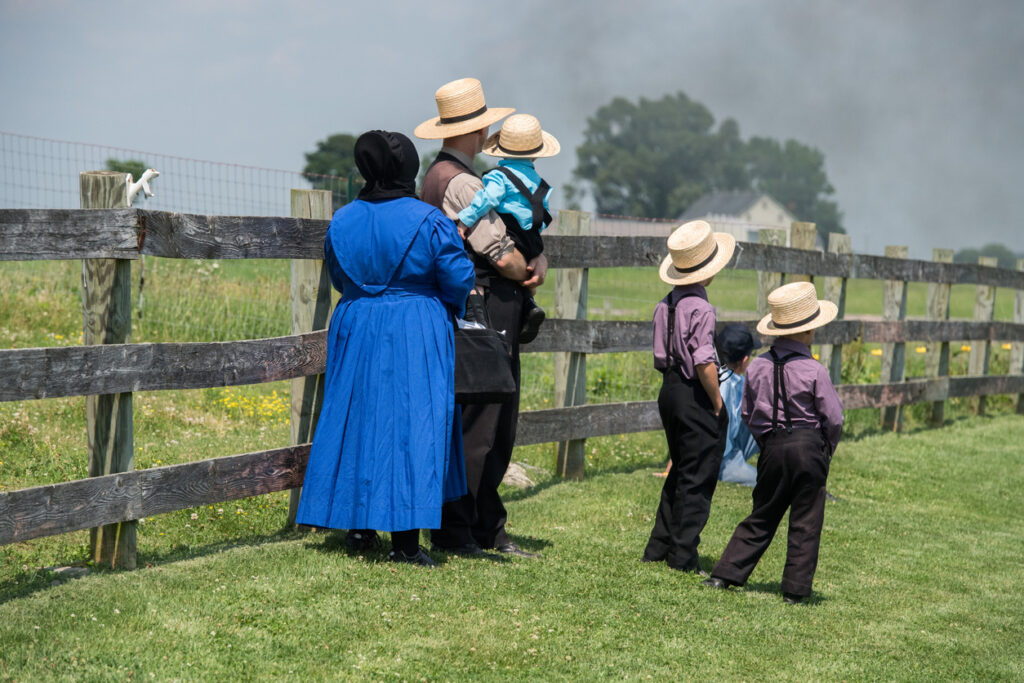
Studies show that children in traditional Amish farming communities have dramatically lower rates of allergies and asthma compared with the general population—only about 7 % test positive for common allergens. Scientists attribute this to early, constant exposure to farm microbes, animals and natural dust—a phenomenon called the “farm effect.”
If you’ve ever wondered how some kids seem almost allergy-proof, the Amish example highlights lifestyle factors that may provide clues.
1. Frequent exposure to farm animals boosts immune training.
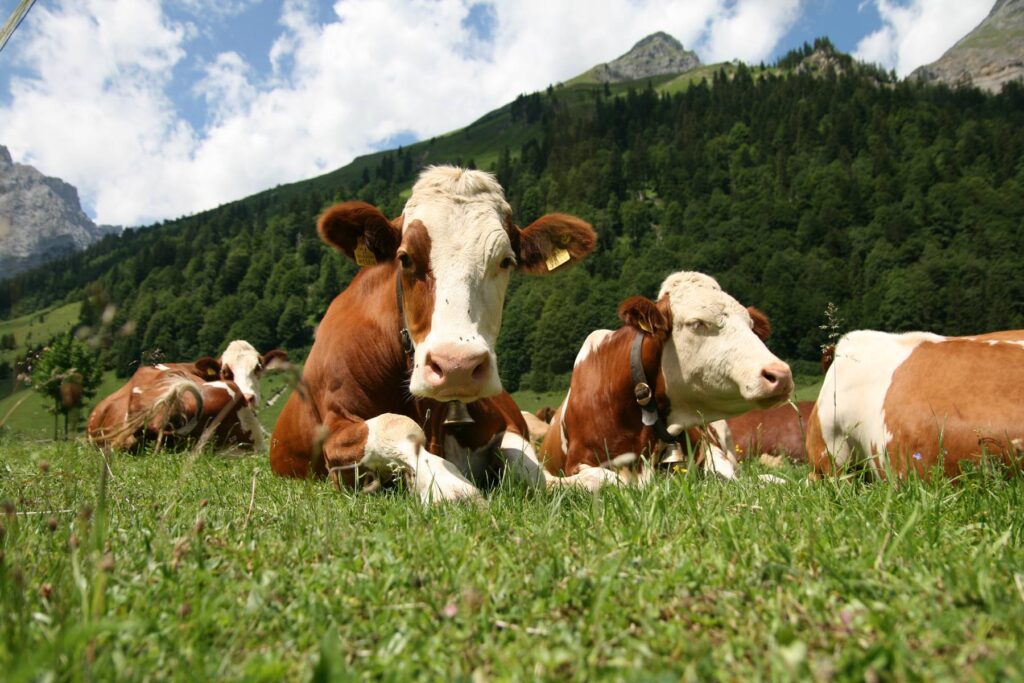
Amish children often spend their early years around cows, horses, barns and stables. This continuous contact with livestock and their microbes appears to “train” the immune system to tolerate allergens rather than overreact. A landmark study found that Amish kids had about one-sixth the rate of allergies seen in nearby populations living away from farms.
This means the immune cells in these kids respond differently—more resilient and less likely to go into allergy overdrive. It suggests that the environment where you grow up matters immensely for how your body learns to handle harmless triggers.
2. Farm-dust living environments increase beneficial microbial exposure.
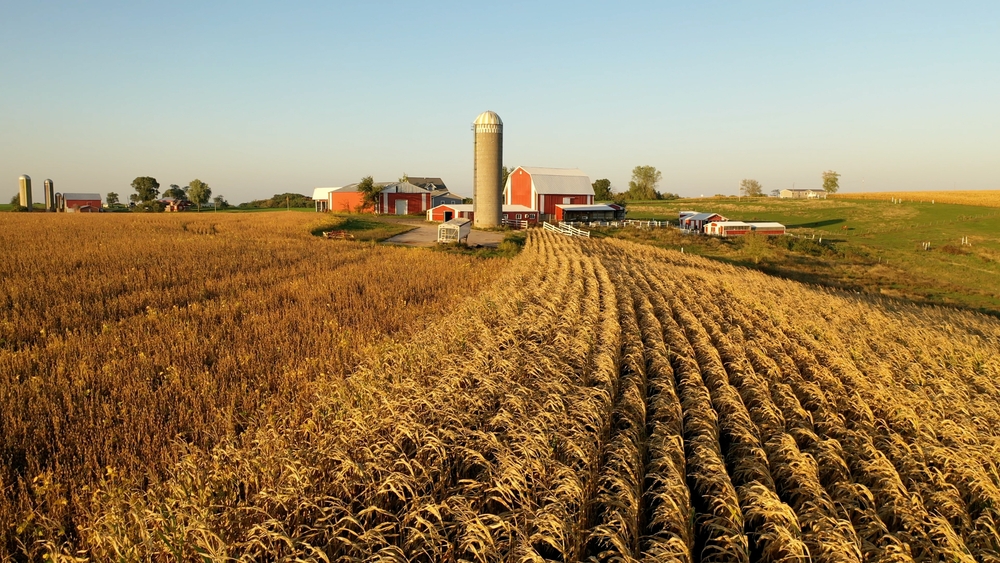
Amish homes and barns hold far higher levels of endotoxins and microbial diversity than typical homes. Research found these elements in house dust, and when exposed in lab animals, the dust reduced allergic airway responses significantly. It seems the constant microbial presence teaches the body that many airborne particles are non-threats rather than allergens.
This micro-environment isn’t flavor of the week—it’s persistent. The childhood immune system develops better maturity in such settings, reducing incidence of eczema, hay fever and asthma. It highlights how everyday surroundings make a huge difference.
3. Big families and sibling exposure provide additional immune coaching.
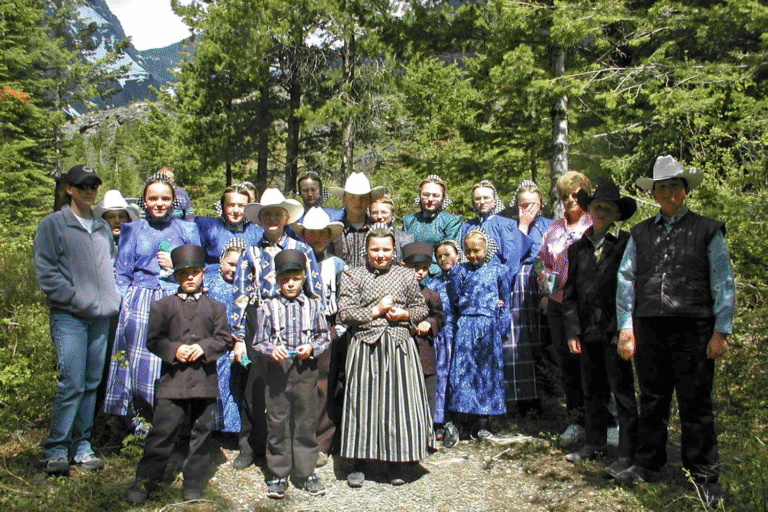
Having multiple siblings and shared living quarters in Amish households means children encounter more germs, older-sibling infections and varied microbiota early in life. The classic hygiene hypothesis—less sanitized childhood equals fewer allergies—is strengthened in this context. Studies showed hay fever and eczema were less prevalent among larger family households.
That doesn’t mean deliberate infection—it means normal exposure. When your immune system meets multiple benign triggers early on, it becomes balanced and less reactive later. Amish kids benefit from that social and microbial mix without even realizing it.
4. Traditional farming methods maintain higher environmental microbial diversity.
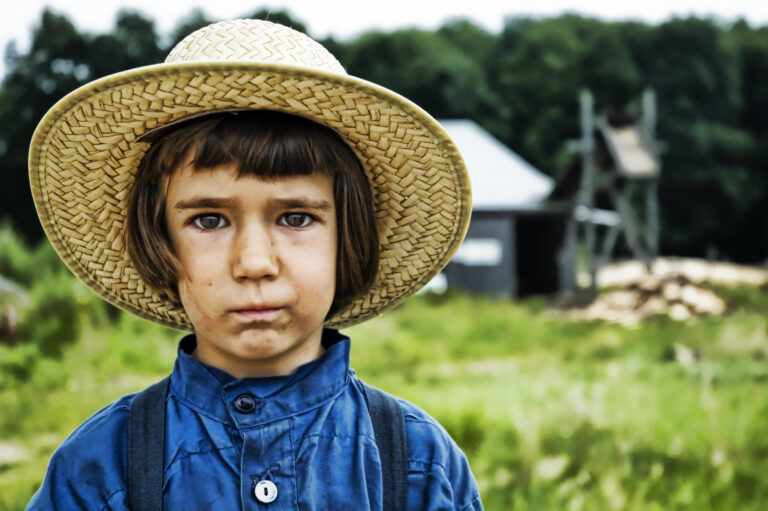
Unlike industrial farms, many Amish farms use horse-drawn equipment, pasture grazing and direct manure management, which preserve microbial diversity in soil and air. Children who grow up in that kind of ecosystem ingest and inhale a wide variety of microorganisms that suburban environments simply don’t provide. Comparative studies between Amish and similar farming groups found allergy rates dramatically lower where farming remained traditional.
This traditional ecosystem isn’t glamorous—it’s practical and constant. It shows that the type of farming, not just getting dirty, matters for immune development. The variety and richness of microbes seem to underpin many of the protective effects.
5. Early-life exposure timing seems critical to allergy protection.

Studies suggest that it’s not just about exposure, but the timing. For Amish children, contact with farm environments often begins in utero or in infancy. Researchers believe that microbial exposure during the first 1000 days of life has a much stronger impact on preventing allergies than exposure later. The “window” for immune training is early and narrow.
This insight means lifestyle changes later in childhood might help—but maybe not as much as early, consistent exposure. The Amish example emphasizes starting young, not just trying to correct things later.
6. Simple diets and minimal processed food may play a supportive role.
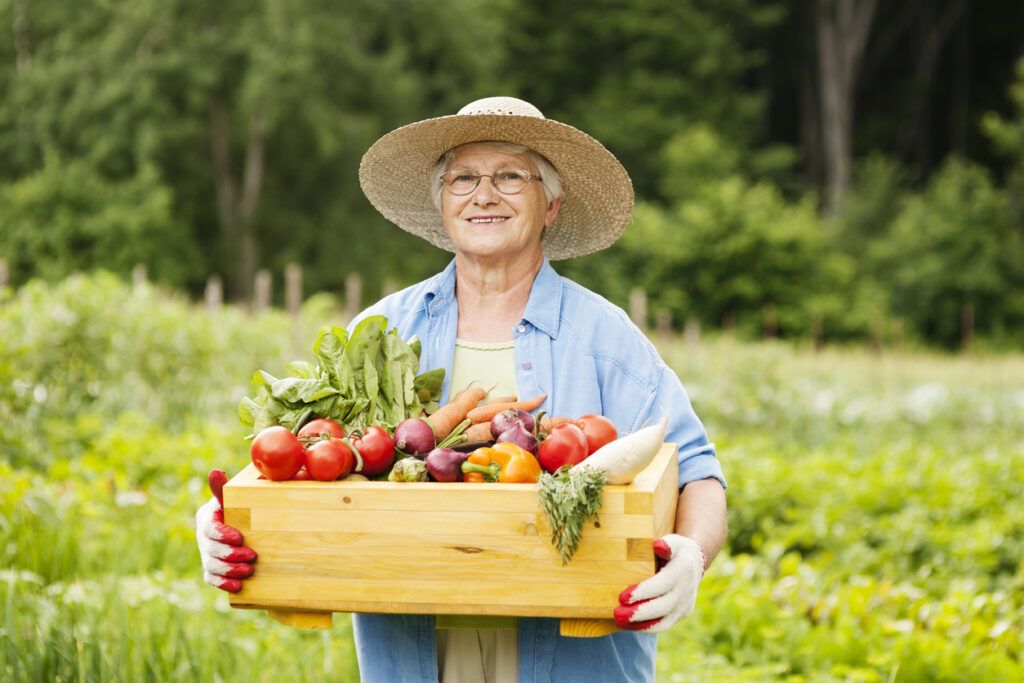
While microbe exposure is the primary focus, Amish children also tend to eat more farm-fresh foods, less processed snacks and fewer additives linked with immune disruption. These dietary factors may support microbiome diversity and immune health, though they receive less attention in studies. Observational research shows lower allergy rates coincide with simpler, farm-based diets in Amish communities.
It’s not about perfection—but about fewer immune stressors, better nutrient variety and microbial richness in food. That combination seems to reinforce the benefits of early life microbial training rather than work against it.
7. Low antibiotic use helps preserve microbial immunity benefits.

Amish children reportedly have lower rates of early antibiotic exposure compared with children in more industrialized settings. Frequent antibiotic use in infancy has been associated with increased allergy risk because it alters gut microbiota and immune development. The Amish lifestyle tends to rely on fewer medical interventions for minor infections, which allows the immune system to grow more naturally.
That doesn’t mean avoiding treatment—it means a different baseline of microbial experience. Immune systems that develop without heavy antibiotic interference seem more robust. The Amish case shows how scaled-down intervention once had immune benefits.
8. Outdoor lifestyle and non-sedentary routines widen immune exposure.

Amish children spend significant parts of their day outside—walking, working barns, playing in open fields. This contrasts with indoor-dominated childhoods where screens and sanitized spaces limit microbial encounters. Outdoor exposure increases contact with soil, vegetation and varied airborne particles, all of which contribute to immune system training. Surveys link traditional youth chores and outdoor time to lower allergy prevalence in farm-based studies.
It’s not about micro-management of play—it’s about living rooted in nature. The immune system gets a broader curriculum when children engage with the earth rather than avoid it. Amish routines give that curriculum continuously.
9. Stable, communal living reduces immune stress and variability.

Amish families typically live in tight-knit communities with less transient movement, fewer daycare shifts and more consistent exposures. That kind of stability reduces fluctuations in microbial and allergen exposure, allowing immune systems to adapt steadily rather than spike. Medical researchers suggest that stable microbial environments and predictable exposures help calibrate immune tolerance more effectively than erratic ones.
If your early years were full of moving homes, daycare changes and varying diets, your immune course may have been more turbulent. Amish childhoods offer contrast: consistent environment, consistent exposure, consistent immune coaching.
10. Evidence points to the “farm effect” being strongest among traditional farming lifestyles.
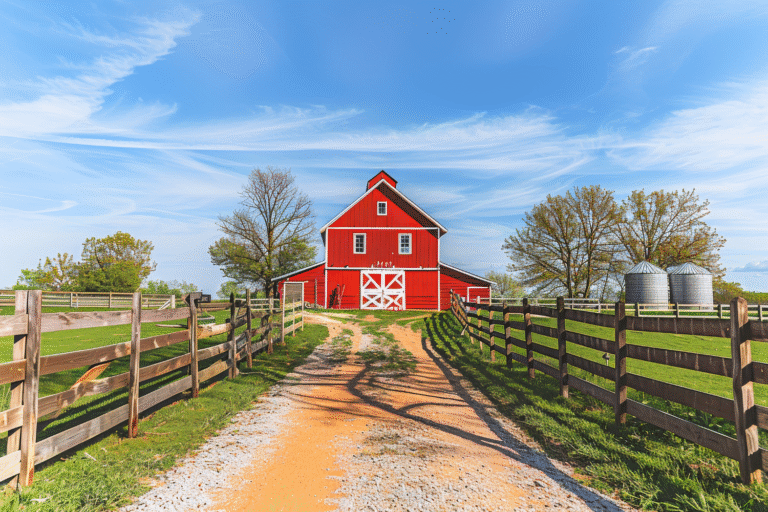
In comparative studies, Amish children had much lower rates of allergies than another farming group, the Hutterites, who use more industrialized practices. Despite both groups having farm backgrounds, the difference lay in how traditional and animal-integrated the farming was. The term “farm effect” describes this phenomenon—early and sustained exposure to farm animals and microbes fosters much lower allergic disease rates in children.
This suggests that not all farms are equal—microbial richness, animal contact and building environment matter. The Amish model shows the parameters of the farm effect clearly: it’s immersion, not minimal interaction.
11. Identifying protective agents in Amish dust may guide future allergy prevention.

Researchers have begun isolating the specific proteins and microbes found in Amish farm dust that seem to confer protective effects. In lab models, exposing mice to Amish dust reduced airway inflammation and allergic responses. These findings suggest future therapeutic approaches may mimic the protective exposures of Amish childhoods, potentially preventing allergies more broadly.
That doesn’t change childhood habits overnight—but it points toward a future where early immune training may be engineered. The Amish story could serve as a blueprint for how environments shape health in deep and lasting ways.