
Affordable senior housing availability varies widely due to market and policy factors in these states.

Finding affordable housing suitable for seniors is increasingly difficult in certain parts of the United States. Factors such as high housing demand, rising costs, and restrictive state policies contribute to shortages that disproportionately affect older adults on fixed incomes. While some states have made progress, others continue to face significant challenges in balancing growth with affordability, leaving many seniors with limited and costly living options.
1. California often ranks high for limited affordable senior housing options.

California’s housing market often places a heavy burden on seniors seeking affordable options. High demand and scarce supply push up rent prices, creating a tough landscape for older Californians. The blend of coastal allure and urban sprawl means prices remain stubbornly high despite numerous efforts.
Policy-driven efforts to increase housing capacity often face hurdles, including local zoning laws and community pushback. The sheer volume of people seeking homes exacerbates the problem. Amidst towering palms, the Golden State’s affordability issue continues to be a glaring concern for those on a fixed income.
2. New York faces ongoing challenges securing affordable homes for seniors.

New York presents a formidable challenge for seniors looking for affordable housing. Dense urban areas like New York City witness steep rent increases, making low-cost options rare. The contrast between available luxury apartments and budget-friendly homes highlights the disparity.
Rural areas suffer too, with limited development of senior-friendly accommodations. State policies aimed at development clash with high construction costs. From bustling streets to quiet towns, many seniors struggle to find suitable housing that meets their financial needs in the Empire State.
3. Massachusetts sees a tight market for budget-friendly senior housing.

Massachusetts experiences a squeeze in its affordable senior housing market, often attributed to its robust economy and strong educational sector. This prosperity doesn’t trickle down to affordable housing for seniors, creating competition that drives prices up.
The state’s policies, while supportive of affordable housing construction, can’t always keep pace with demand. Dense cities and quaint New England towns see similar issues. Seniors on fixed incomes often face limited options in this vibrant, history-rich state.
4. New Jersey continues to struggle with affordable living for older adults.

New Jersey’s efforts to provide affordable living for aging residents meet with mixed success. Seniors face a landscape where high property taxes and expensive suburban markets deter affordability. The scarcity of low-cost rentals further complicates matters.
Various housing programs try to bridge the gap, yet enrollment is often slow or capped. The state’s juxtaposition of bustling cities and serene coastlines masks the underlying tension in housing access. Older residents frequently see their budget stretch thin in this densely populated area.
5. Maryland offers few affordable housing choices for the senior population.
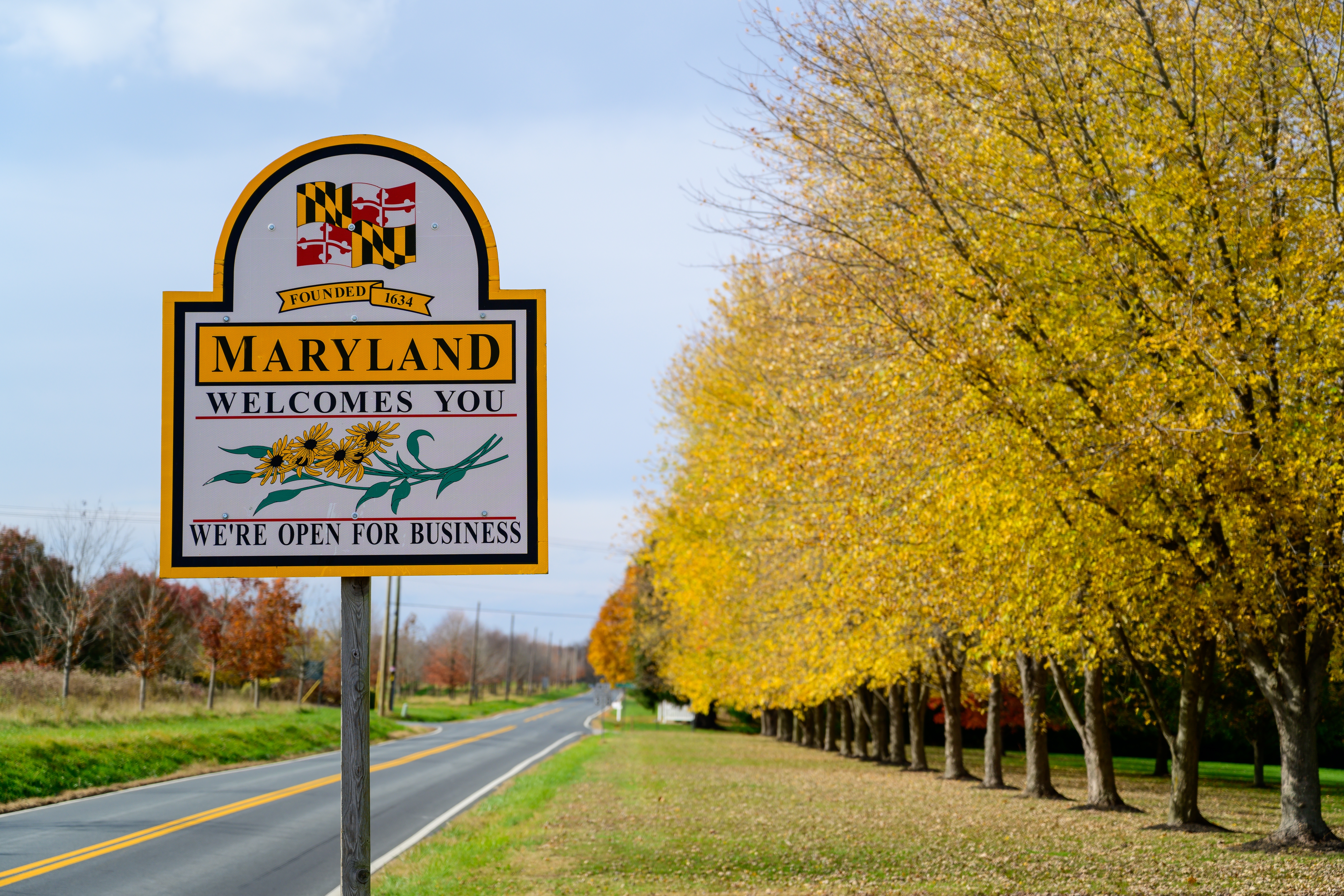
Maryland’s senior population confronts a shortage of affordable housing choices amidst a stable economy. Many areas around Washington D.C. and Baltimore suffer from inflated costs, limiting accessible options for older adults. State efforts to expand affordable housing remain challenging against market pressures.
Rural counties face a different battle: sparse developments can’t satisfy the rising demand. Seniors seek refuge in the state’s rolling hills and bayside communities but find limited relief. Balancing growth with affordability continues to demand attention.