
Understanding the parallels between feline and human dementia could lead to better care for pets and valuable insights into Alzheimer’s research.
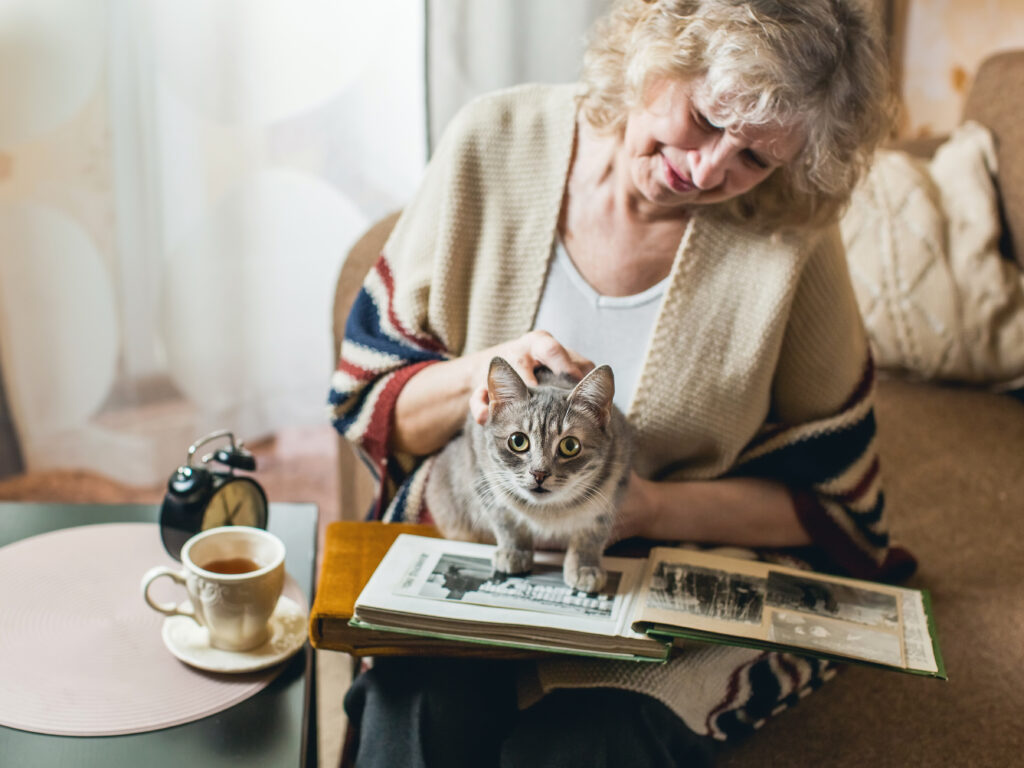
Cats can experience cognitive decline as they age, developing symptoms similar to dementia in humans. This condition, often called feline cognitive dysfunction, can affect memory, behavior, and daily functioning. The underlying changes in the brain share surprising similarities with those seen in people, making cats a potential model for studying neurodegenerative diseases.
Exploring this connection not only helps pet owners recognize and respond to their cat’s changing needs but also offers researchers clues that may advance understanding of Alzheimer’s. By learning how dementia manifests in cats and what measures can support them, you can provide better care at home while following developments that could shape human treatments in the future.
1. Cats can develop age-related cognitive decline.
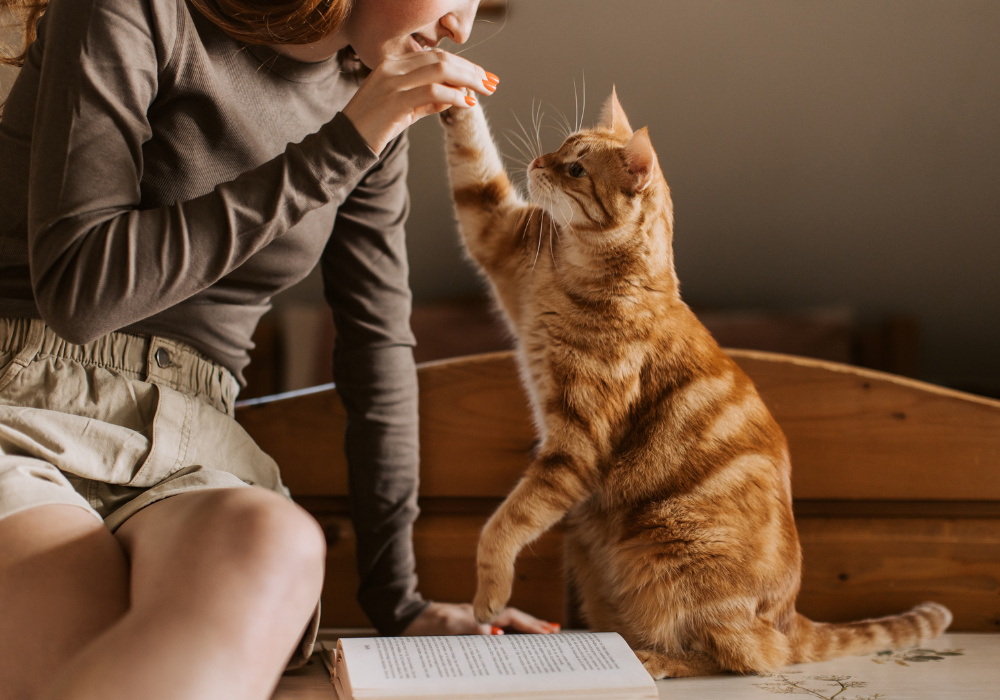
Feline cognitive dysfunction (FCD) is a condition in older cats that mirrors dementia in humans. It affects thinking, learning, and memory, leading to changes in behavior over time. This decline is linked to changes in the brain’s structure and chemistry, such as reduced nerve cell function. Recognizing FCD is important because symptoms can be subtle at first. If you notice confusion, altered sleep patterns, or disorientation, it’s worth discussing with a veterinarian, according to Euronews. Early recognition can help you adjust routines and provide environmental support that makes life more comfortable for your cat.
2. The symptoms can resemble human dementia.
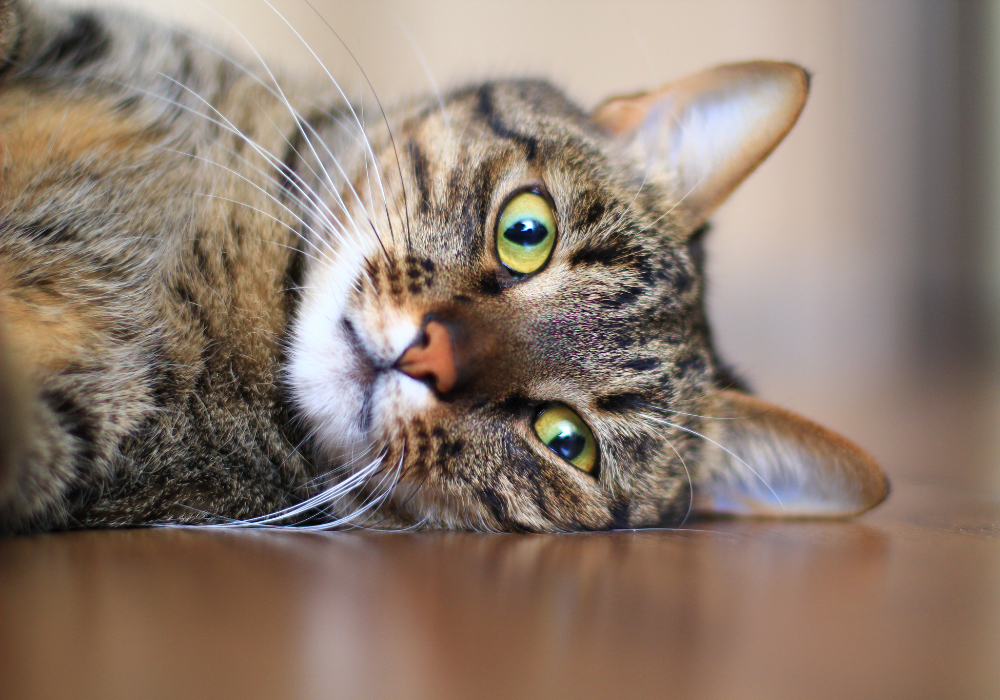
Cats with dementia may show signs like getting lost in familiar spaces, forgetting litter box habits, or appearing withdrawn. These behaviors parallel those seen in people with Alzheimer’s. The similarity in symptoms is one reason researchers study cats as models for human cognitive decline. For pet owners, keeping a log of changes in behavior can help track patterns and identify triggers, as mentioned at BBC. Structured daily routines, predictable feeding times, and gentle reassurance can ease anxiety in affected cats and improve their day-to-day comfort.
3. Brain changes in cats are surprisingly similar to humans.

In both cats with FCD and humans with Alzheimer’s, researchers have found abnormal protein deposits and changes in brain tissue. These changes interfere with communication between brain cells, leading to gradual loss of cognitive function, as stated by The Independent. Studying these shared features helps scientists understand disease progression in a real-world setting. While you can’t prevent the natural aging process, providing mental stimulation through play and environmental enrichment may help keep your cat’s brain active longer.
4. Age is the biggest risk factor.
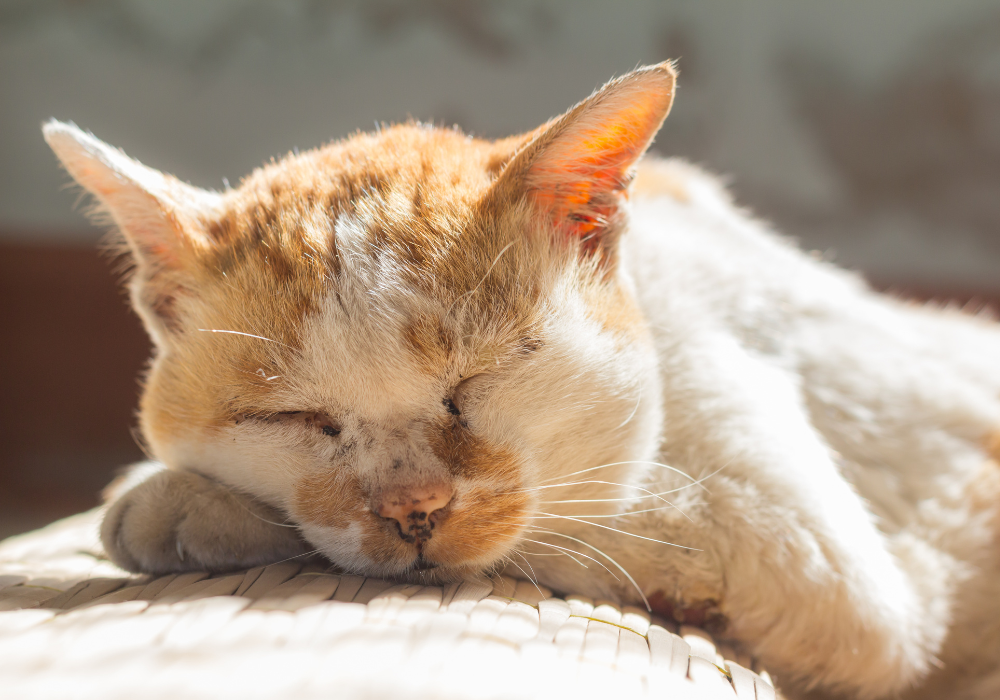
Most cats begin to show signs of cognitive decline in their senior years, often after age 10, though it can happen later. Just like in humans, the risk increases steadily with age. This makes regular veterinary checkups even more important for older cats. By establishing a baseline for behavior and health, changes can be spotted earlier. You can help by keeping your cat at a healthy weight, encouraging gentle activity, and maintaining a stable, low-stress environment as they age.
5. Environmental changes can ease symptoms.
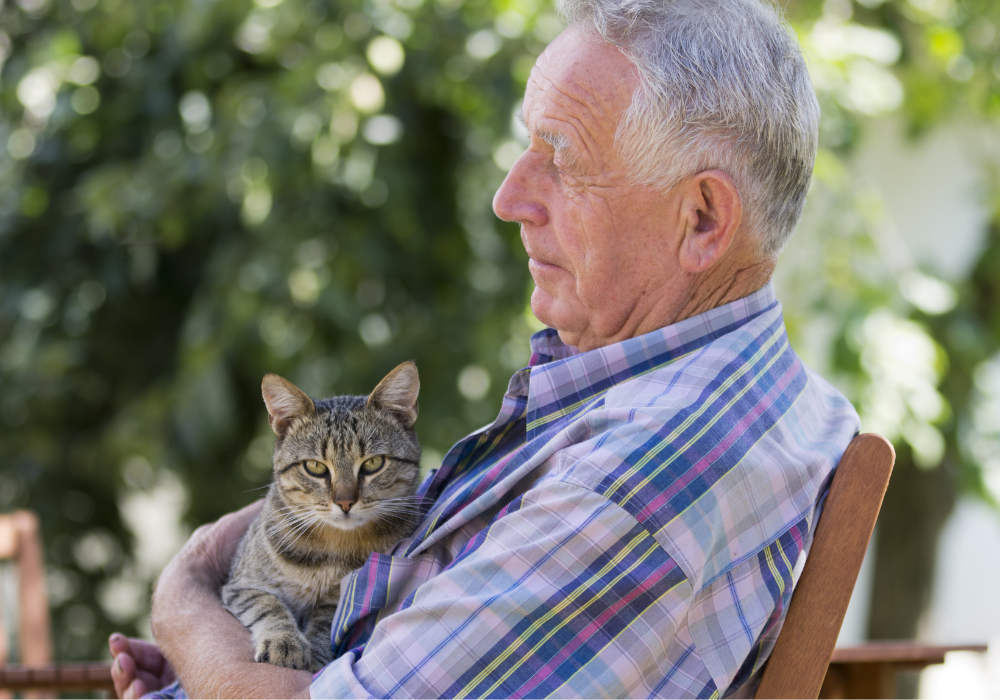
Cats with dementia can become easily disoriented or anxious. Small adjustments at home—like keeping furniture in the same place, using night lights, and limiting access to unfamiliar areas—can reduce stress. This approach works much like modifying a home for a person with memory loss. Think of it as creating a predictable and safe space where your cat can navigate confidently. Reducing noise and providing cozy resting areas can also promote a sense of security.
6. Nutrition plays a role in brain health.
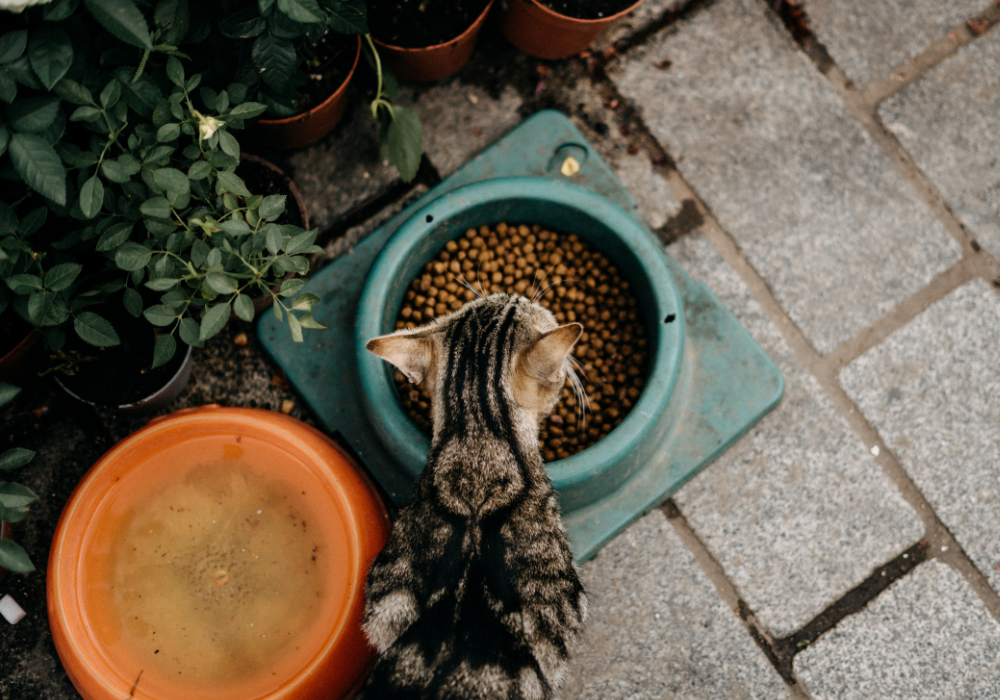
Certain nutrients, such as antioxidants, omega-3 fatty acids, and vitamins, have been linked to better cognitive function in animals. While these aren’t a cure, they may help slow decline and support overall brain health. Always consult a veterinarian before making dietary changes, especially for senior cats with other health conditions. You can also encourage hydration with fresh water sources, which supports overall organ function and can improve comfort in daily life.
7. Mental and physical activity help maintain function.
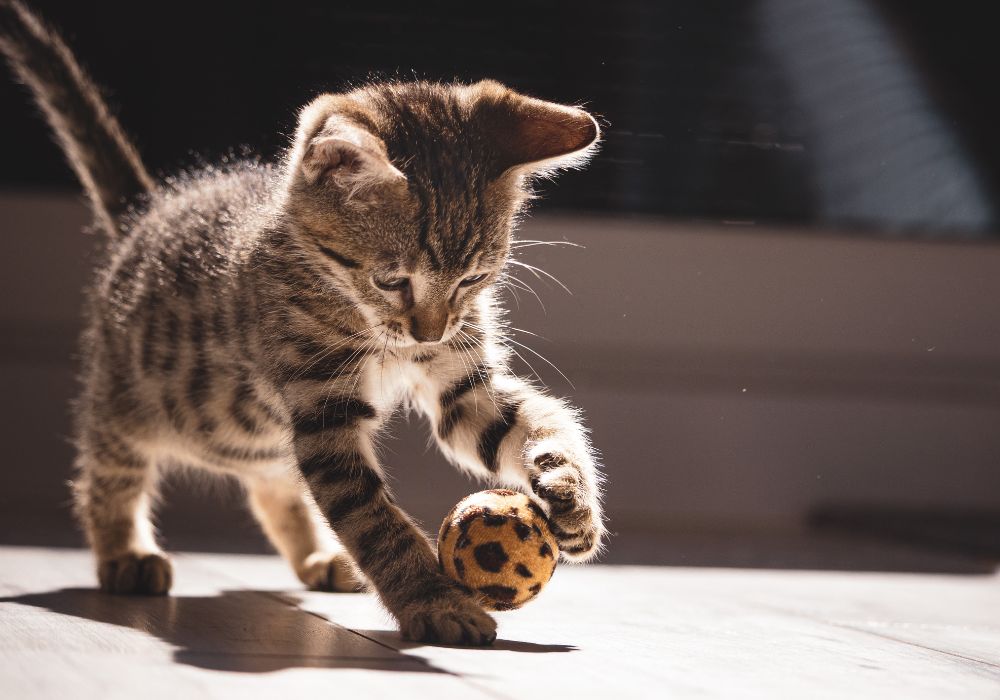
Engaging your cat in gentle play and offering puzzle feeders can stimulate the mind and body. Mental activity promotes healthy brain connections, while physical movement supports circulation and joint health. Even short sessions of play can make a difference. Rotating toys and creating safe climbing or scratching spaces can keep your cat’s environment interesting. Think of it as cross-training for the brain and body, tailored to your cat’s abilities.
8. Stress can worsen cognitive symptoms.
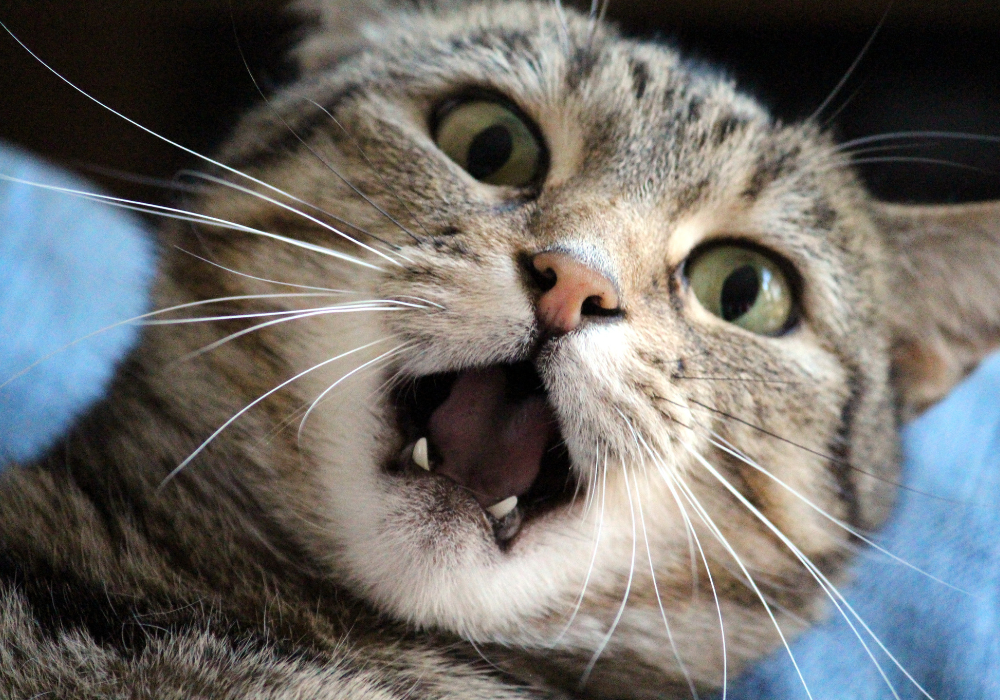
Cats with dementia may react more strongly to stress, leading to increased confusion or withdrawal. Minimizing loud noises, limiting exposure to unfamiliar animals, and keeping a consistent schedule can help. In human dementia care, reducing stressors is a key strategy—and it works similarly for cats. Watch for subtle signs of stress, like hiding or overgrooming, and make changes to ease their experience.
9. Veterinary monitoring is essential.
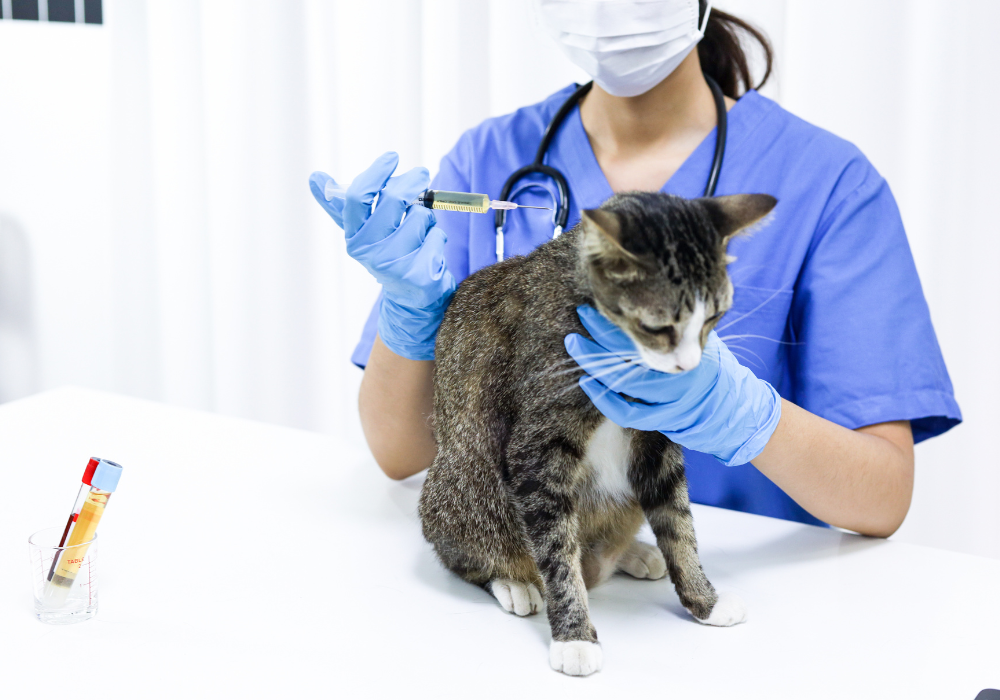
Regular checkups can help rule out other conditions that mimic dementia, such as vision loss, hearing impairment, or thyroid issues. A veterinarian can recommend supportive care strategies and, in some cases, medications that improve quality of life. Just as early detection benefits people with Alzheimer’s, identifying feline dementia sooner can make management more effective. Keep a record of any behavioral changes to share during appointments.
10. Misconceptions can delay care.
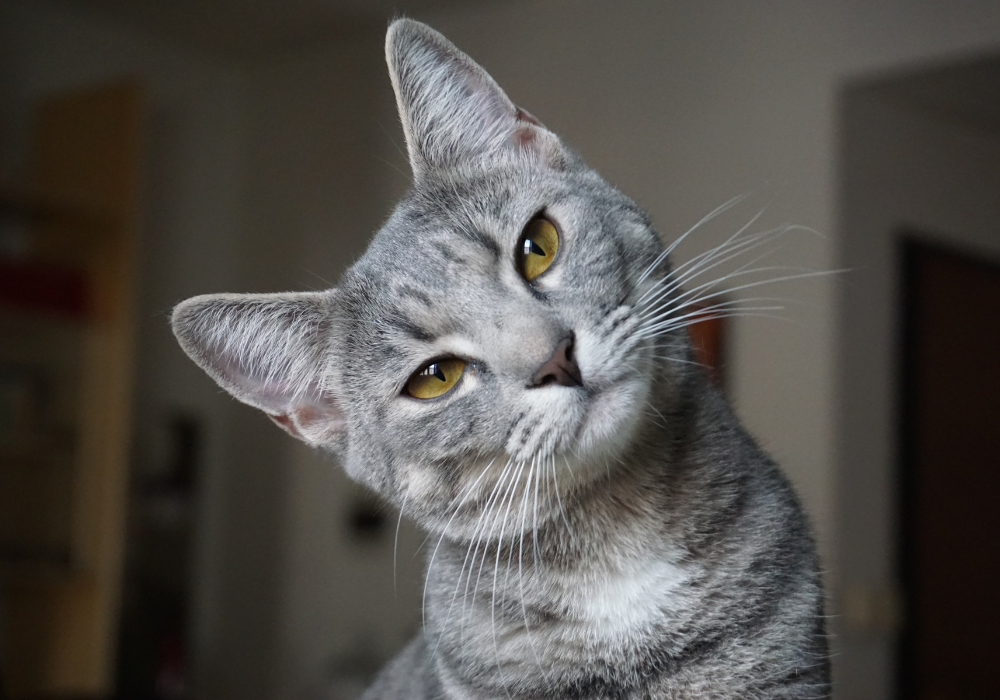
Some owners assume changes in behavior are just “normal aging” and not worth investigating. This can lead to missed opportunities for interventions that make life easier for the cat. Similarly, in humans, dismissing early symptoms as inevitable aging delays diagnosis and support. If your cat is showing new or worsening behaviors, it’s worth asking your vet about cognitive health. Acting sooner can mean a smoother transition into senior care routines.
11. Studying cats may unlock clues for Alzheimer’s research.
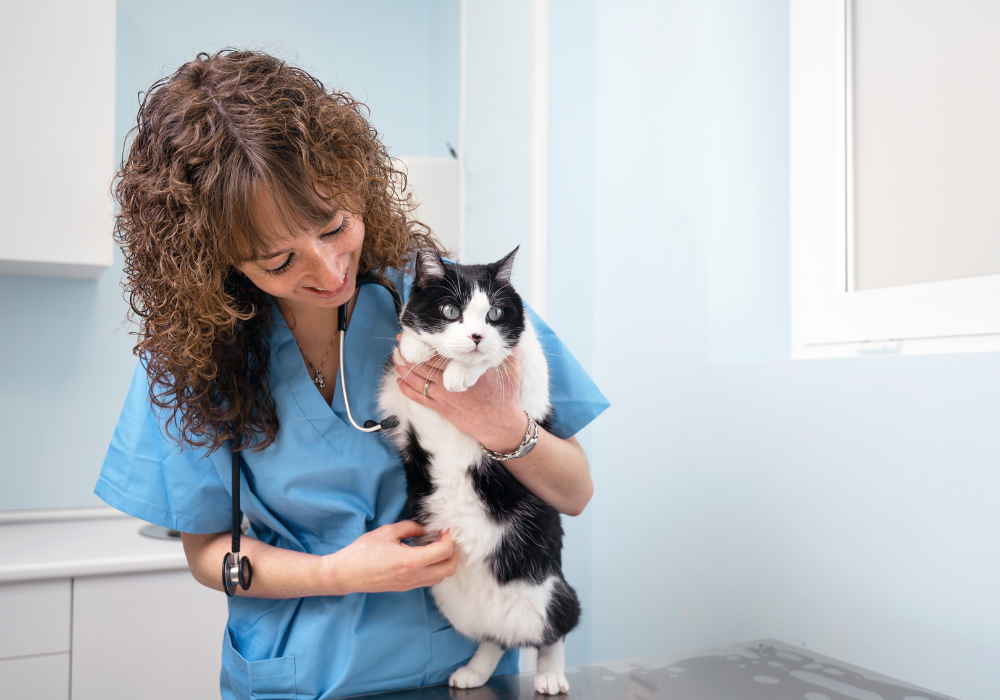
Because cats naturally develop brain changes similar to those in humans, they offer a valuable model for studying the disease. This can lead to insights into prevention, early detection, and treatment strategies. For everyday readers, it means advances in feline health research may eventually benefit people, and vice versa. Staying informed about emerging research can help you better support your cat while contributing to broader awareness of Alzheimer’s science.
12. Simple routines make a big difference.
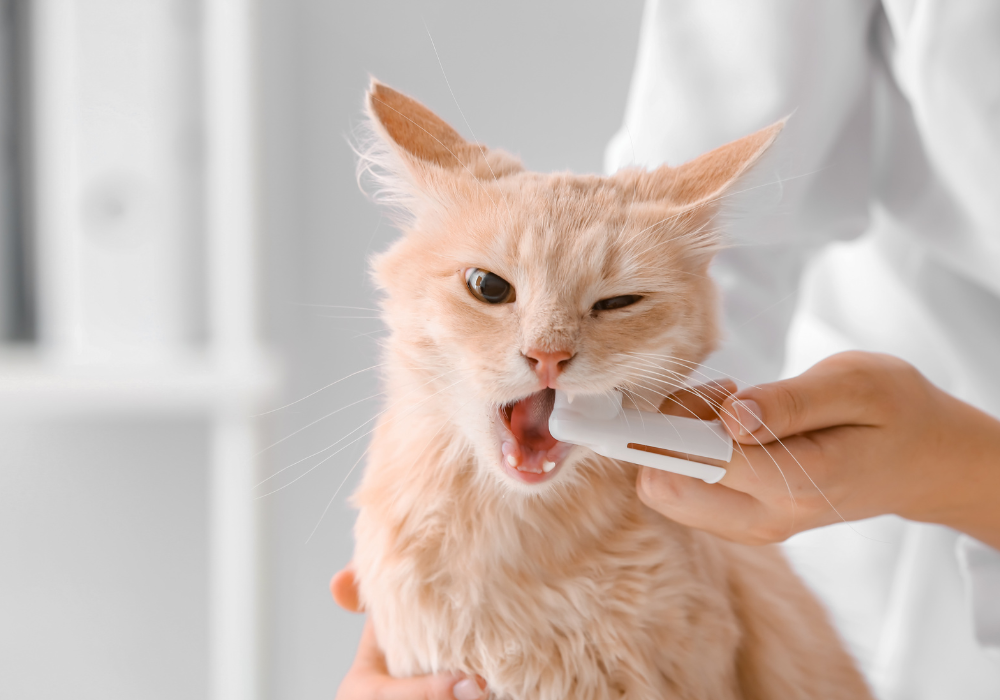
Establishing consistent feeding times, grooming sessions, and play periods can help anchor your cat’s day. Predictable routines reduce confusion and make it easier for your cat to navigate their environment. In human dementia care, familiar daily patterns can provide comfort—and the same principle applies to feline care. You can think of it as offering a steady rhythm that helps your cat feel secure and engaged.