
Active planning and small lifestyle shifts help retirees build more rewarding and balanced daily lives

Retirement brings freedom, but it also requires thoughtful planning to avoid drifting through open days. Seniors who take deliberate steps toward structure, health, and social connection tend to feel more fulfilled. From maintaining physical routines to exploring new hobbies, small actions can shape a deeply satisfying retirement. Focusing on purpose, community, and curiosity adds color and rhythm to each day, creating a lifestyle that feels vibrant and grounded rather than idle.
1. Prioritize daily movement with walks, stretching, or light exercise routines.

Daily movement shifts the body out of idle mode and into gentle action. Walking around the block, stretching in a sunlit room, or light gardening keeps joints limber and circulation steady. Even ten minutes of balance exercises on a firm rug can reawaken core muscles.
Rhythmic motion does more than protect physical health; it serves as a quiet ritual. After a morning walk beside the duck pond, the day takes shape. Patterns form from repetition, and the simple act of moving regularly affirms both presence and agency in everyday life.
2. Volunteer regularly to stay connected and contribute meaningfully to others.

Volunteering transforms downtime into meaningful connection. Whether reading to schoolchildren, sorting books at the library, or tending a neighborhood garden, it offers shared purpose without pressure. The hours spent helping others often echo back in stories, laughter, and fresh perspectives.
In joining a local effort, one also joins a fabric of trust and familiarity. A retired nurse mentoring new caregivers, for instance, brings lived knowledge into someone else’s fresh start. The experience grounds time with value and keeps conversations textured by generosity, not just routine.
3. Create a weekly schedule to add structure and boost motivation.
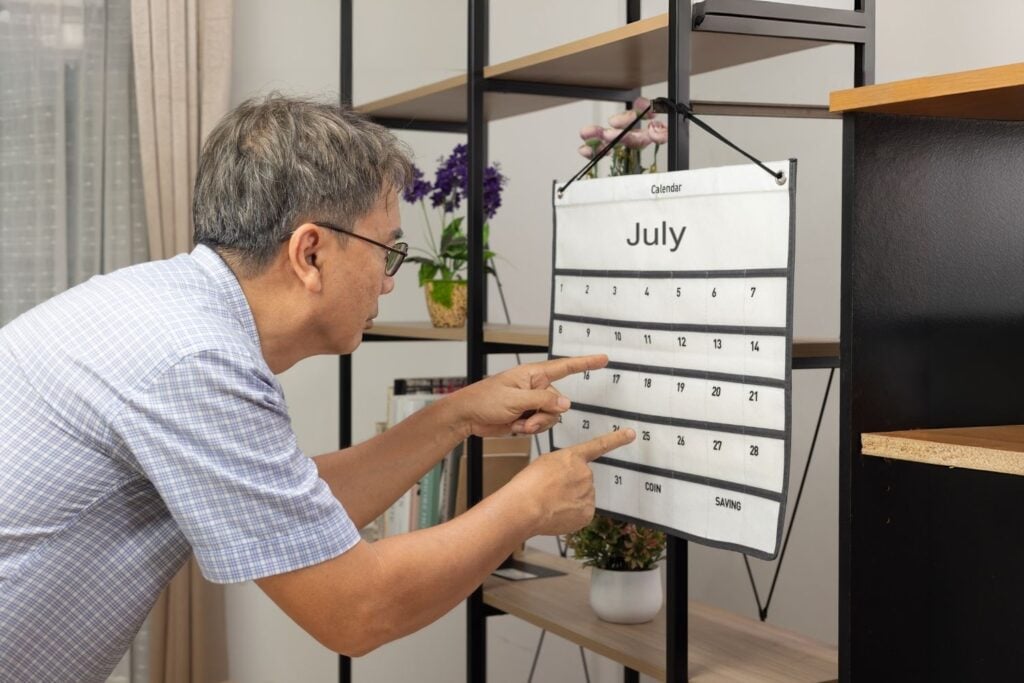
A weekly schedule shapes unstructured time into something purposeful. With space to decide but not drift, even loose appointments—Tai Chi on Wednesdays, crossword over coffee at noon—create rhythm without rigidity. The calendar becomes a friend, not a taskmaster.
Once the days start to flow with shape, motivation quietly follows. A simple morning note to oneself on the fridge—“Call Gwen, tend basil”—offers a reason to start. The structure gives lift to each hour, replacing blank spaces with momentum and intention.
4. Explore new hobbies to keep the mind active and engaged.

New hobbies tap into curiosity long paused by responsibility. Painting, birdwatching, learning to play the ukulele—each one invites focus and discovery. The process matters more than the outcome, and the journey through a new interest often awakens parts of the self left waiting.
Tackling an unfamiliar craft or subject brings the satisfaction of trying. A retired accountant attending a pottery class may leave with uneven bowls but a steady grin. Doing something for the joy of it, not perfection, refreshes the mind and stirs gentle pride.
5. Maintain a consistent sleep routine for better energy and focus.

The body relies on sleep not just for rest but repair. Setting a regular bedtime and waking time—even when the schedule is flexible—helps recalibrate everything from mood to metabolism. The consistency works like a lighthouse for biological rhythms.
Living without fixed hours may seem appealing at first, yet scattered sleep often leads to muddled days. After three late nights and groggy mornings, even small tasks feel slippery. A steady sleep cycle offers clarity, reinforcing alertness, balance, and emotional steadiness throughout the day.
6. Schedule regular catch-ups with friends to strengthen social bonds.

Relationships thrive on regular attention, not just big occasions. A casual coffee meetup or monthly lunch with longtime neighbors can feel like recharging a shared battery. These regular touchpoints act as small anchors in the social tide.
When days stretch wide, planned conversations narrow the distance. For a widowed retiree chatting with a book club friend on Thursdays, the predictability becomes part of life’s fabric. Familiar voices carry memories and matter, and showing up for each other—often—makes bonds resilient.
7. Join local clubs or groups to stay socially and mentally stimulated.

Local clubs and groups hold more than shared interests; they offer shared energy. A garden club, chess afternoon, or folk dancing night mixes routine with conversation and surprise. In those circles, people gather around a theme but stay for the warmth.
Seeing the same faces week to week builds quiet trust. A retired couple attending language night at the community center may begin for travel prep, but the laughter over word games keeps them coming back. Social engagement stays sharp when spaced with pleasure, not obligation.
8. Practice mindfulness or meditation to manage stress and enhance clarity.

Mindfulness invites the mind to stop chasing and just observe. Ten minutes of slow breathing or silently sipping tea by a window can renew mental clarity. The focus isn’t fixing thoughts but watching them arrive and pass like soft waves on sand.
In practice, the daily pause buffers life’s noise. After a rushed call or a bit of bad news, meditation acts like a reset switch. The sense of calm it brings doesn’t eliminate tension but restores some space between stimulus and response, as if widening the hallway of the mind.
9. Plan monthly outings or short trips to fuel curiosity and joy.

A planned outing, even modest, creates a sense of anticipation. Visiting a nearby gallery, exploring a farmer’s market, or walking a coastal trail changes the day’s scenery and invites new impressions. Shifts in environment often spark reflective mood and deeper rest later.
Sprinkling bigger joys through the month also keeps the calendar from blending too smoothly. A short train ride to a vineyard with friends, for example, may bring laughter and fresh air to an otherwise quiet week. The change builds momentum and leaves behind shared stories.
10. Keep learning new skills to challenge the brain and build confidence.

Engaging the brain with new skills reinforces mental agility. Learning to play an instrument, navigate a smartphone, or speak a few phrases in Cantonese stimulates cognitive pathways and encourages resilience. The brain, like a muscle, benefits from challenge over comfort.
Even a single pursuit can ripple into other areas. A retiree taking online art history courses may find sharper focus during conversations or while reading the morning paper. Confidence grows when knowledge stretches, and small gains often carry unexpected personal rewards.
11. Cook nutritious meals at home to support health and independence.

Preparing meals at home blends creativity with care for one’s well-being. Washing herbs, simmering lentils, or setting the table by candlelight sharpens the senses and invites presence. Cooking becomes both nourishment and an act of quiet independence.
Staying involved in one’s dietary choices also supports long-term health without chasing trends. A senior blending fruit for breakfast or roasting cauliflower dinner sides maintains more control over ingredients and portions. The kitchen becomes a familiar space where flavor, memory, and function meet with ease.
12. Set personal goals to maintain purpose and a sense of direction.

Personal goals heal the drift that often comes with open schedules. Whether it’s finishing a memoir, walking a certain number of miles, or memorizing poetry, each goal provides focus beyond obligation. Setting them turns passive time into self-guided purpose.
Milestones, even private ones, carry psychological weight. A retired teacher aiming to digitize photo albums finds deeper satisfaction as moments take shape again. These internal commitments may not show outside but steady the inner compass toward growth, meaning, and forward motion.
13. Declutter living spaces to simplify life and reduce daily stress.

Decluttering clears not just surfaces but mental backlog. Sorting through closets, stacking old files, or finally letting go of untouched china resets the relationship between space and energy. A room breathes easier when shelves no longer groan or distract.
With fewer objects in the way, daily life feels smoother. Finding a book isn’t a hunt, and cleaning becomes quick instead of daunting. A retiree who donates heirlooms no longer needed is making peace with history and shaping a house that serves the present—not just the past.