
Society may have moved on, but good manners never go out of style.

Remember when people actually had manners? These days, it feels like common courtesy is on life support, and a lot of the old-school etiquette rules that kept society running smoothly have vanished. Sure, some were outdated, but others? People secretly miss them—whether they admit it or not.
There was a time when respect, grace, and a little self-restraint weren’t optional. Maybe it’s time to bring some of those back. Here are the ones people secretly wish would make a comeback.
1. Saying “sir” and “ma’am” wasn’t offensive—it was just respectful.

Back in the day, calling someone “sir” or “ma’am” didn’t spark debates about ageism or outdated formality—it was just how you showed respect, as mentioned by Janelle Davis in a CNN Report. Kids were taught to say it automatically, and adults appreciated it as a small sign of courtesy. It wasn’t meant to offend or assume anything about a person’s identity; it was a verbal nod that acknowledged someone’s humanity.
Today, it’s common to hear people scoff at these titles or reject them altogether. Some even interpret them as condescending. But the original intent was rooted in kindness and politeness, not power dynamics. Bringing back this simple habit could reintroduce a little mutual regard into our increasingly impersonal interactions.
2. Dressing up for travel made the experience feel special.

There was a time when going to the airport felt like stepping into an event. People wore tailored pants, clean shoes, blouses, jackets—sometimes even a little cologne or perfume. Flying was a treat, not a chore, and your outfit reflected that anticipation. Even if you weren’t rich, you made an effort because travel was a privilege.
Now, airport fashion has hit rock bottom, Brenda Coffee of 1010 Park Place reported. People show up in wrinkled sweats, fuzzy slippers, and outfits that scream “bedroom, not boarding gate.” While comfort matters, there’s something about dressing well that boosts confidence and elevates the mood. Looking good can actually make the whole trip feel more enjoyable—and maybe even remind us to treat each other better in those crowded cabins.
3. Writing thank-you notes showed real appreciation.
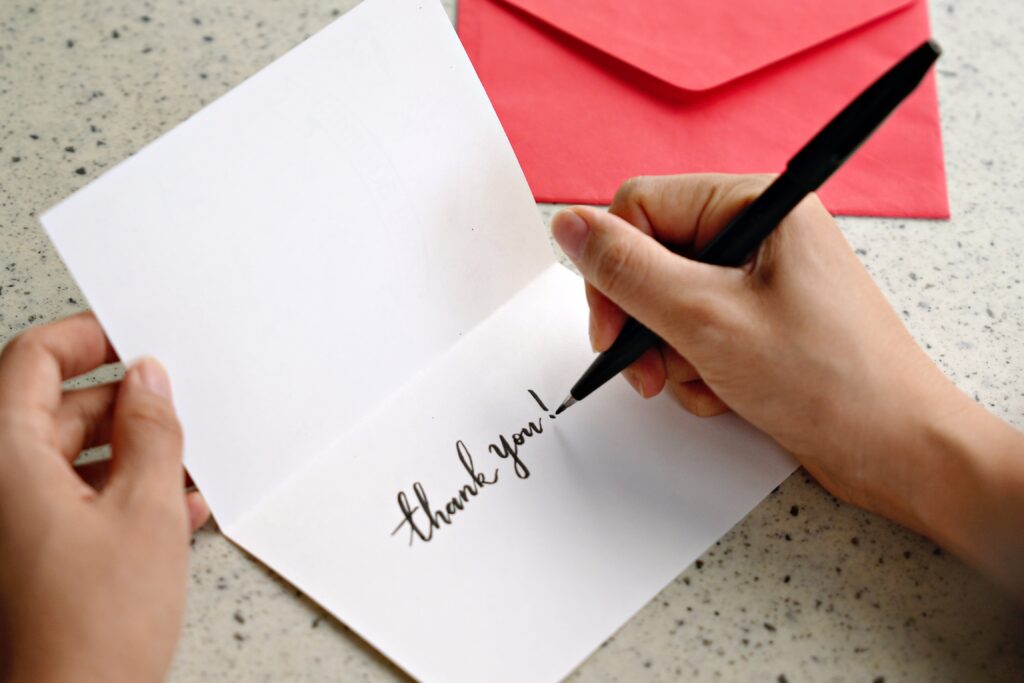
Once upon a time, if someone gave you a gift, hosted you for dinner, or did you a big favor, you wrote them a thank-you note. Not a quick emoji-laced text. Not a generic email. A real, handwritten card. You bought stationary, found a pen that worked, and took five minutes to express honest appreciation, as stated by the writers at Emily Post. It was a simple gesture that carried weight.
Today, the thank-you note has practically disappeared. We fire off a “thx” and call it good. But that kind of shorthand gratitude feels transactional, not heartfelt. Holding a tangible note in your hand feels meaningful—like someone truly acknowledged your kindness. It wasn’t just manners; it was an act of emotional generosity. Let’s bring it back.
4. Talking about politics at the dinner table was considered rude.
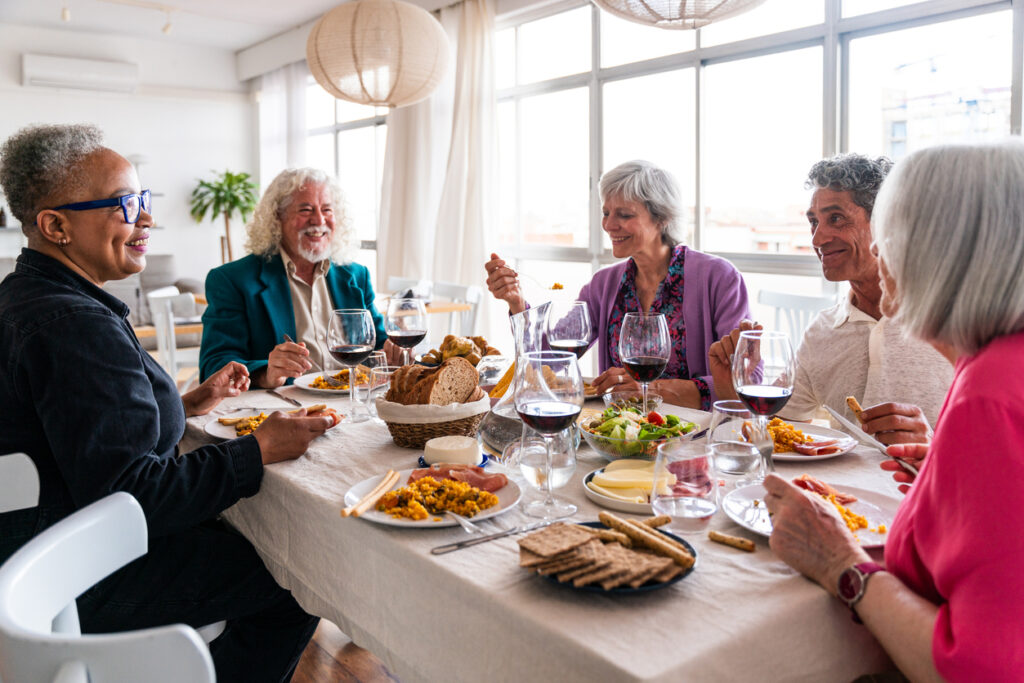
There was an unspoken rule at most dinner tables: no religion, no politics, no heavy drama. Meals were for bonding, not battles. If Uncle Bob had strong political opinions, he saved them for after dessert—or better yet, kept them to himself. Civility reigned, at least until the plates were cleared.
Now, politics seems to be the main course. From Thanksgiving feasts to backyard barbecues, someone inevitably steers the conversation into polarizing territory. It’s exhausting. We don’t have to agree on everything, but we should be able to enjoy a meal without turning it into a debate stage. Not every moment has to be a crusade. Sometimes, breaking bread should just mean sharing peace.
5. Standing up when someone entered the room showed respect.

This small act once spoke volumes about how you saw other people. When someone entered a room—especially an elder, guest, or woman—it was customary to rise to your feet, even briefly. It was a way of saying, “I see you. You matter.” It had nothing to do with submission and everything to do with basic civility.
Now, most people barely lift their eyes from their phones. Whether you’re at a dinner party or a doctor’s office, that once-automatic gesture of rising has faded into history. But imagine how different interactions would feel if we brought back even a sliver of that courtesy. Respect doesn’t have to be loud—it can be as simple as standing up.
6. Calling instead of texting was the polite thing to do.

We get it—texting is fast, easy, and efficient. But there was a time when a phone call meant you genuinely cared. If you had something important to say—good news, condolences, an apology—you picked up the phone and used your voice. You allowed emotion and tone to carry your message, not just words on a screen.
Now, people avoid phone calls like they’re contagious. Voicemail? Forget it. But some conversations still deserve the warmth and nuance that only the human voice can offer. Hearing laughter or empathy or even silence on the other end of the line connects us in ways no text ever could. Let’s not lose that completely.
7. Being fashionably late wasn’t a thing—people respected others’ time.

Being late used to be a sign of disrespect. If you agreed to meet someone at 7:00, showing up at 7:10 meant you didn’t value their time. People planned ahead, left early, and did their best to be punctual. It wasn’t about perfection—it was about consideration.
Somehow, lateness has become almost expected now. “Running late” texts are routine, and chronic tardiness is brushed off as quirky. But making people wait sends a clear message: your time is more important than theirs. Showing up on time isn’t just punctuality—it’s respect in action. And the world would run a lot smoother if we honored each other’s time again.
8. Swearing in public wasn’t considered normal.

Cursing used to be reserved for private conversations—or at least said under your breath. There was a time when dropping F-bombs in front of strangers, elders, or kids was unthinkable. People self-censored out of decency, not repression. It wasn’t about being a prude—it was about knowing your audience.
Now, profanity is practically background noise. People swear in line at the bank, at the dinner table, even while talking to customer service. Sure, freedom of speech matters—but so does a little social awareness. Not every sentence needs to come with a side of vulgarity. Holding back a few curse words could actually make the ones you do use more powerful.
9. Holding the door open wasn’t a gender issue—it was just polite.

Holding a door open used to be second nature. Man, woman, young, old—it didn’t matter. If someone was right behind you, you paused, held the door, and gave them a smile. It wasn’t a political statement or a comment on someone’s capabilities. It was just… kind.
Now, some people feel awkward doing it. Others don’t bother at all. But kindness isn’t outdated—it just got mislabeled. A small gesture like this can shift someone’s entire day. It’s not about old-school chivalry—it’s about basic decency. And we could all use more of that in our daily routines.
10. Keeping your voice down in public was expected.

There was a time when being loud in public was considered poor manners. People lowered their voices in libraries, restaurants, and waiting rooms. You didn’t want to disrupt others or draw attention to yourself. It was about blending into the environment, not dominating it.
Today, it feels like we’re surrounded by megaphones. Phone calls on speaker, loud personal stories in cafés, even full-volume FaceTime sessions in quiet corners—it’s sensory overload. Public spaces aren’t private stages. Volume control isn’t just polite; it’s a sign of social awareness. And it might just make those shared spaces a little more enjoyable for everyone.
11. Personal space actually meant something.

There was once an unspoken agreement: you gave people space. At the ATM, in line, on public transportation—everyone understood the invisible bubble around each person. Invading that bubble was seen as awkward at best and creepy at worst.
Now, it seems like some people have no sense of boundaries. They lean in too close, stand practically on your heels, or crowd you without a second thought. Respecting personal space is more than just physical courtesy—it’s emotional too. It signals that you understand others’ need for comfort and safety. It’s a simple, silent way to say, “I respect you.”
12. Gossiping in public was looked down upon.

Everyone gossips—it’s part of human nature. But there used to be a social understanding: you didn’t do it loudly, and definitely not in public. Talking behind someone’s back in a quiet booth or over the phone was one thing. Broadcasting your judgments in line at Target? That was a no-go.
Now, people seem to have zero filters. Personal stories, scandals, and insults are spilled loudly and proudly anywhere and everywhere—sometimes even with names attached. The concept of discretion has all but disappeared. But saving those juicy conversations for private settings isn’t just respectful—it’s wise. You never know who’s listening.