7 Risky Investments Many Financial Experts Recommend Avoiding

Financial experts highlight investments that often lead to significant losses and volatility.

©Image license via Canva

Many investments carry risks that can undermine financial stability, especially when overlooked or misunderstood. Experts including those from the Federal Reserve and OECD caution against high-risk assets like concentrated individual stocks, speculative cryptocurrencies, and complex leveraged instruments. Recognizing the hazards of chasing trends or engaging in unregulated schemes is vital to protect your portfolio and ensure long-term growth. Thoughtful diversification and informed decisions remain essential strategies in managing investment risk effectively.


Read more

Financial Pitfalls That Can Lead Retirees to Bankruptcy

Avoiding common financial mistakes is crucial to maintaining a secure retirement without bankruptcy risk.

Kitchen table, worried elderly couple with bills and laptop, woman head in hand, daylight, documentary style, two people.
©Image license via iStock

Retirement can bring unexpected financial challenges that put savings and security at risk if not carefully managed. Many retirees face hardships due to overlooked expenses, inadequate budgeting, and investment missteps. Understanding typical pitfalls—from rising healthcare costs to inflation and debt accumulation—helps retirees protect their nest egg. With insights from authoritative economic sources, this guide highlights key mistakes to avoid for a stable and comfortable retirement.

Read more

This is When to Seek Couples Therapy Over Age-Gap Issues

When age-difference stress grows more than the gap suggests.

Indoor living room, two people talking, seated on couch, soft daylight, documentary style, older man and younger woman.
©Image license via iStock

Age-gap relationships can thrive, yet research shows they face unique pressures. A recent article noted that open communication and shared values matter even more when there’s a decade or more between partners. When issues like future health, power imbalances or social judgment surface repeatedly, those are the moments to consider professional support.

If you’re noticing recurring clashes that revolve around age-related topics rather than personality or stage of life, therapy isn’t a sign of failure—it’s a tool to help you bridge differences, build deeper understanding and protect what matters.

Read more

Midlifers Who Trade City Life for the Countryside Often Share These 9 Traits

Midlifers relocating to rural areas share qualities that support their lifestyle and personal growth.

Countryside path, red-capped figure, tree-lined with golden leaves, sunny autumn light, editorial travel photo, one person.
©Image license via iStock

Many midlife individuals choose to leave city life behind for the countryside, driven by a mix of personal values and lifestyle goals. These movers often seek simplicity, a closer connection to nature, and stronger community bonds. Along the way, they develop adaptability, patience, and resilience to navigate the slower pace and unique challenges of rural living. Understanding these common traits sheds light on what motivates and sustains this significant life change.

Read more

10 Things That Made Every ’80s and ’90s Kid Think You Were Rich

Classic toys, gadgets, and styles shaped childhood status symbols in the ’80s and ’90s.

Classroom, kids at desks, crafts on wall, warm daylight, nostalgic documentary style, with teachers and students.
©Image license via iStock

During the 1980s and 1990s, certain items and experiences became clear markers of wealth among children. From handheld gaming consoles to designer sneakers, these possessions conveyed a sense of status and privilege. They reflected not only family affluence but also access to the latest trends and technology. Understanding these symbols offers insight into childhood nostalgia and the ways kids perceived social standing through material culture.

Read more

FAA Cuts 4000 Daily Flight Before the Holiday Season Due to Shutdown

Airline disruptions are accelerating just as holiday travel peaks for 2025.

©Image license via iStock

The Federal Aviation Administration (FAA) has announced significant reductions in flight capacity amid ongoing federal shutdown conditions, and major U.S. airlines are bracing for it. With controllers working without pay and staffing deficits acutely affecting the system, the result is thousands of grounded or delayed flights ahead of the busiest travel season.

For travelers, this signals the need for extra caution: booking decisions, connection times and even the option to fly may require more flexibility—and quicker response—than ever before.

Read more

A Common Habit May Quietly Raise Your Risk of Pancreatic Cancer

Understanding everyday habits that subtly increase your risk of pancreatic cancer is crucial for prevention.

Modern kitchen, older man with green shirt drinking water, glass pitchers on counter, daylight, editorial travel photo, one person.
©Image license via iStock

Pancreatic cancer remains one of the most challenging cancers to detect early, partly because many common lifestyle habits silently influence its risk. Smoking, excessive alcohol use, poor diet, and physical inactivity can all contribute to the likelihood of developing this disease. Additionally, maintaining a healthy weight and managing chronic conditions like diabetes play significant roles. Recognizing these factors empowers individuals to make informed choices and discuss concerns with healthcare professionals for better long-term pancreatic health.

Read more

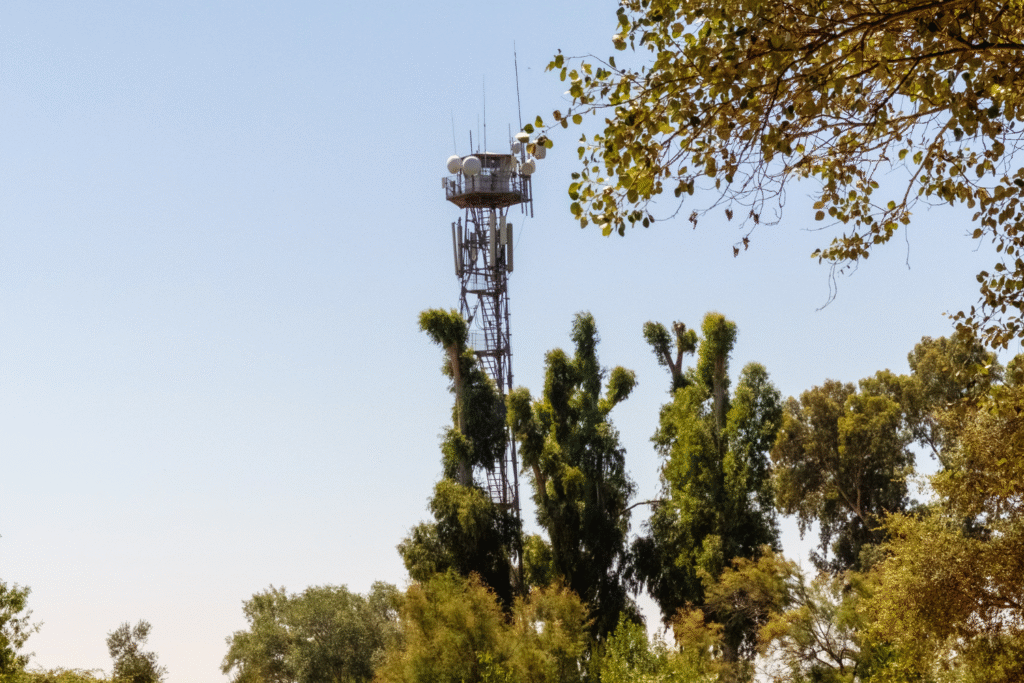
Why Trees Near Cell Towers May Be Dying: Possible Causes and Evidence

Exploring environmental and biological factors contributing to tree decline near cell towers.

©Image license via Canva

Trees located near cell towers often show signs of decline due to a combination of factors rather than a single cause. Research from the USDA Forest Service and other expert organizations highlights the complex interplay between electromagnetic radiation, soil conditions, water availability, and maintenance activities. Understanding these influences helps clarify why tree health deteriorates in these areas and emphasizes the importance of comprehensive environmental assessment rather than attributing damage solely to radiation exposure.

Read more

10 Kitchen Smells That Transport Boomers Back to Childhood

Discover how familiar kitchen aromas unlock cherished childhood memories for Boomers today.

©Image license via Canva

Certain kitchen smells have a remarkable ability to transport Boomers back to their childhoods, evoking vivid and emotional memories. These aromas act as sensory triggers that reconnect individuals with moments of family, comfort, and tradition. Whether it’s the scent of fresh bread or simmering tomato sauce, these familiar smells carry deep meaning and nostalgia, illustrating how our sense of smell uniquely preserves and revives past experiences.

Read more

11 Hotel Perks Boomers Love That Younger Guests Barely Notice

Baby Boomers value hotel perks that emphasize comfort, convenience, and personalized service.

Hotel room, friends on bed, morning feast and drinks in foreground, natural light, editorial travel photo, with people.
©Image license via iStock

Hotels offer a variety of amenities and services, but not all perks appeal equally across age groups. Baby Boomers tend to appreciate features that prioritize comfort, ease, and thoughtful touches. From quiet lounges and complimentary breakfasts to personalized welcome gestures, these subtle differences highlight how seasoned travelers seek experiences that enhance relaxation and convenience. Understanding these preferences helps hotels accommodate Boomers in ways younger guests might overlook.

Read more

7 Habits That Help Keep Your Mind Sharp After 70

Adopt key daily habits to sustain cognitive health and mental clarity beyond age 70.

©Image license via iStock

Maintaining a sharp mind after 70 involves more than chance—it depends largely on everyday habits that support cognitive health. Engaging in mental exercises, staying physically active, and fostering social connections all play crucial roles in preserving brain function. Alongside quality sleep and stress management, these practices form a lifestyle framework that encourages mental wellness and healthy aging, helping seniors maintain clarity and memory over time.

Read more

Why the Wealthy Are Relocating to Climate ‘Safe Zones’

Wealthy individuals prioritize long-term security and stable environments when choosing climate safe zones.

Coastal road, rocky shore, winding path through greenery under blue sky, midday light, editorial travel photo, no people.
©Image license via iStock

Affluent individuals increasingly relocate to regions less affected by climate change, seeking to protect their investments and wellbeing. These climate safe zones offer reduced risks from extreme weather, stable resources, and cleaner environments, appealing to those prioritizing safety and sustainability. This migration trend influences real estate markets and regional economies, reflecting a strategic response to growing climate uncertainties backed by insights from economic and policy institutions.

Read more

Why Car Ownership May Become a Luxury Few Can Afford

Rising expenses and evolving urban lifestyles are reshaping car ownership accessibility for many.

©Image license via iStock

Car ownership, once considered a standard milestone, is increasingly slipping beyond the financial reach of many households. Factors such as rising fuel costs, expensive maintenance, climbing insurance premiums, and higher interest rates contribute to this shift. Additionally, urbanization and improvements in public transit reduce the practical need for personal vehicles. Understanding these challenges is essential for anyone evaluating the true cost and feasibility of owning a car today.

Read more

Traditional Marriage Beliefs From the 1950s That Would Be Called Toxic Today

If you still believe these outdated marriage rules, you might be destroying your relationship without even realizing it.

©Image license via Shutterstock

You won’t believe what married couples used to accept as normal. Back in the 1950s, society had some wild ideas about what a “good” marriage should look like—and most of them were completely one-sided. Women were expected to shrink themselves, men had all the power, and love took a backseat to duty. Obedience was glorified, and staying together at all costs was the ultimate goal, even if it meant sacrificing personal happiness and self-respect.

It’s hard to imagine anyone putting up with these toxic beliefs today, but some of them still linger in subtle ways. These hard truths may be uncomfortable to face, but they can open the door to stronger, more respectful partnerships.

Read more