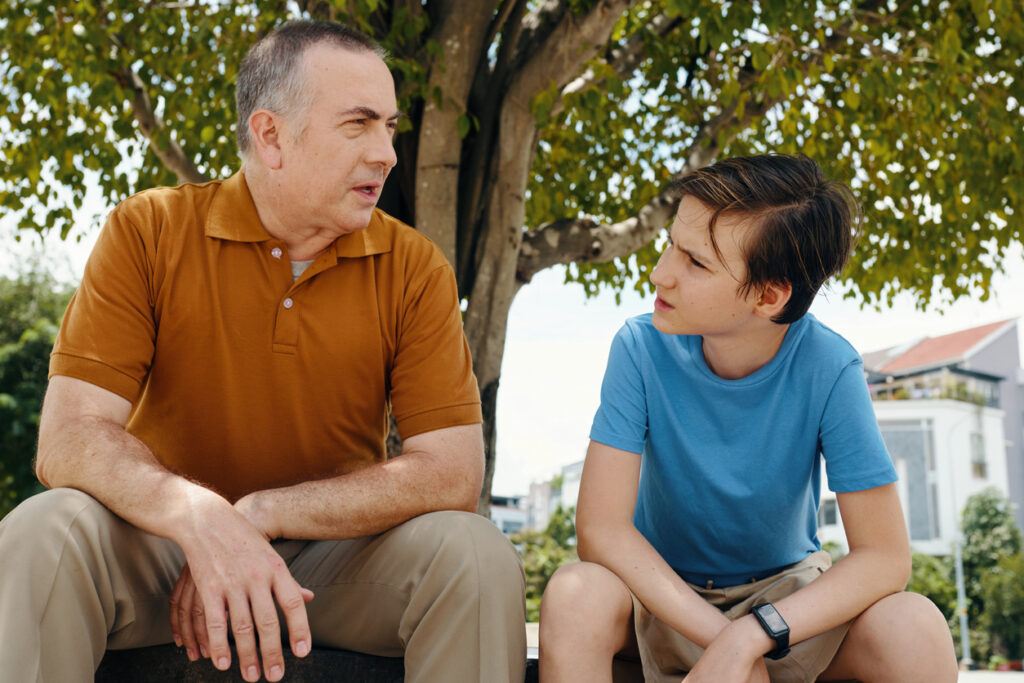
11 signs you’re more obsessed with your adult kids’ lives than they are

Learn the alarming truths about how your involvement could be damaging their independence and your relationship forever.

©Image license via Shutterstock

Are you secretly obsessed with your adult kids’ lives? You might think you’re simply being a caring, hands-on parent, always ready to help and guide. But what if that help has started crossing the line? Sometimes, love that’s too involved can smother growth instead of supporting it. When you micromanage, overcommunicate, or try to shield them from all discomfort, it may feel helpful—but in reality, it could be causing serious damage to their confidence and your bond.

You might not even realize how deep you’ve gotten until you take a closer look at your habits. If you’re overly focused on every aspect of their day-to-day life, your good intentions could actually be stunting their independence. The tricky part is, many of these behaviors come from love and worry—but that doesn’t mean they’re healthy. Here are 11 powerful signs it’s time to loosen your grip and let your adult children take the lead in their own lives.

Read more

8 Airport Luggage Scams to Watch Out for While Traveling

Spotting luggage scams at the airport can help prevent theft, stress, and costly surprises.

©Image license via Canva

Airports can be hectic, and that chaos creates opportunities for scams targeting your luggage. From impostors posing as airport staff to effortlessly swapped bags at claim carousels, these tactics are designed to catch travelers off guard. Knowing what to watch for, where these scams tend to happen, and how to respond can give you the upper hand. A few simple precautions can help keep your belongings safe and your trip on track.

Read more

11 Things Gen Z Finds Expensive That Boomers Got for Free (or Cheap)

What felt like everyday basics to boomers now stretch Gen Z’s wallets and expectations

©Image license via Canva

Across generations, the cost of staple goods and services has risen far faster than wages, creating a stark contrast between what baby boomers once received affordably or for free and what Gen Z must now budget carefully to obtain. From college tuition to concert tickets, these shifts reflect more than nostalgia—they underscore the lasting impact of policy, inflation, and evolving market forces on how each generation navigates adult life.

Read more

13 Parenting Principles Millennials Embrace and Boomers Question

Millennial parents favor empathy, flexibility, and emotional awareness over tradition and authority alone

©Image license via Canva

Millennial parenting often looks and feels different from the approaches boomers grew up with—less command, more conversation. At its core, this shift reflects evolving beliefs about child development, emotional intelligence, and individuality. While one generation stresses respect and structure, the other leans into communication and cooperation. The contrast doesn’t mean one is better, but it helps explain why today’s parenting choices include everything from gentle discipline to screen time guided by content, not clocks.

Read more

11 Traditional ‘Husband Duties’ Modern Boomer Men Are Rejecting

Boomer men are rethinking old marital roles and redefining what partnership looks like today

©Image license via Canva

Long seen as the foundation of marriage, traditional husband duties are getting a second look from many in the Boomer generation. Rather than sticking to roles shaped by past expectations, some Boomers are choosing dynamics that reflect modern values and mutual respect. From financial decisions to emotional communication, these men are quietly rejecting outdated templates and opting for marriages built on shared responsibility and evolving definitions of masculinity.

Read more

12 Common Complaints About Baby Boomers’ Accumulation of Wealth

Many younger adults question how policy and timing helped boomers build lasting financial advantages

©Image license via Canva

Baby boomers came of age during a time of rising wages, accessible home ownership, and employer-backed pensions—factors that made wealth-building more attainable than it is for many today. While not all boomers are affluent, certain financial benefits from past policies and economic conditions continue to shape generational wealth gaps. Understanding these perceived imbalances can help foster more informed conversations about equity, mobility, and expectations across age groups.

Read more

10 States with Notable Increases in Unemployment

Several states are seeing unemployment rise due to regional industry shifts and structural job mismatches.

©Image license via Pexels/Ron Lach

Unemployment trends vary widely across the United States, shaped by local economies and dominant industries. States experiencing notable increases often face a mix of sector-specific challenges, such as workforce mismatch, slowed hiring, or shifts in consumer demand. Using data from sources like the Bureau of Labor Statistics and Federal Reserve, economists can pinpoint where and why labor markets soften. Understanding these variations helps policymakers, employers, and job seekers adapt to changing economic conditions at the state level.

Read more

13 Real Reasons Adult Children Choose Family Estrangement

You won’t believe how common these reasons are—and one might hit close to home.

©Image license via Shutterstock

Family relationships can be incredibly layered. They often come with years of shared memories, unspoken expectations, and complex emotions. We’re taught from a young age that family should come first, that blood is thicker than water, and that loyalty to our kin is sacred. But for many, that narrative doesn’t hold up against the reality of painful experiences, ongoing dysfunction, and unmet emotional needs. The bond of blood doesn’t always guarantee love, respect, or safety.

Deciding to step back from family isn’t something most people do lightly. It usually follows years of trying to make things work, hoping for change, and putting others’ comfort ahead of their own well-being. Understanding why people walk away from relatives helps us build more empathy—for others and maybe even for ourselves. These thirteen reasons reflect how nuanced, painful, and ultimately necessary this decision can be.

Read more

Seniors Who Are Still Doing These 11 Things Are Destined for Old Age Misery

Clinging to these bad habits after 60 is setting you up for decades of regret and loneliness.

©Image license via Shutterstock

If you’re over 60 and still holding on to certain habits, you might be unknowingly shaping a future filled with missed opportunities, emotional isolation, and regret. These behaviors can seem small or even justifiable, especially when they’ve been part of your life for decades. But habits that once served you—or at least didn’t harm you—can slowly become roadblocks to your happiness as you age.

Read more

9 Unexpected Moments When People Who Were Always the “Strong One” Might Break Down

Even the most composed Boomers face moments when quiet emotion rises to the surface unexpectedly.

©Image license via Canva

Behind their steady presence and unwavering support, many Baby Boomers carry quiet emotional weight that often goes unnoticed. Life transitions, personal memories, and subtle shifts in identity can reveal vulnerable moments, even in those seen as pillars of strength. Understanding these triggers can help family and friends offer meaningful support when resilience gives way to reflection. Recognizing vulnerability doesn’t diminish strength—it deepens compassion and brings connection into sharper focus.

Read more

The Art of Earning Respect: 11 Ways to Make People Value and Admire You

Simple, steady behaviors can shape how others see you in lasting, meaningful ways

©Image license via Canva

Earning respect isn’t about impressing everyone or chasing approval. It’s about showing up with integrity, communicating clearly, and treating others with steady fairness. Whether at work, among friends, or in day-to-day interactions, small consistent choices—like listening fully or admitting mistakes—tend to carry the greatest weight. While admiration can’t be forced, the way you carry yourself sets the tone for how you’re valued by others around you.

Read more

People Who’ve Faced Cruelty and Managed to Stay Kind Have These Traits

Traits like empathy, resilience, and patience help kind people endure even when life gets hard.

©Image license via Pexels/Liza Summer

Staying kind after experiencing cruelty isn’t about being naturally soft-hearted or overly optimistic. For many, it’s a deliberate choice shaped by emotional strength, self-awareness, and a clear moral compass. These individuals have weathered pain without becoming hardened, using their challenges to deepen their empathy and clarify their values. Their kindness isn’t naivety—it’s resilience in action, a quiet strength that makes space for compassion without letting go of personal boundaries or truth.

Read more

Wildlife Experts Warn: This One Move Could Save Your Life If You Encounter a Mountain Lion

The Ambush Predator’s Perspective: A Wildlife Expert’s Guide to Mountain Lion Encounters

©Image license via Canva

While mountain lions (puma concolor) are masters of invisibility, human expansion into wildland-urban interfaces means encounters are increasingly possible. As a wildlife expert, I can tell you that a mountain lion isn’t looking for a fight; they are looking for an easy meal. Most dangerous escalations occur when a human inadvertently mimics the behavior of prey. Survival depends on operant conditioning: you must convince the cat that you are a dangerous adversary rather than a fleeing target. Here is how to manage an encounter using biological principles.

Read more

10 Subtle Clues Someone Lacks True Compassion and Is Faking Empathy

False kindness can be hard to spot, but subtle emotional red flags often speak volumes.

Living room couch, two women hugging, one facing camera annoyed, soft lighting, documentary style, people.
©Image license via iStock

Not everyone who sounds caring is truly compassionate. Sometimes, what looks like empathy is really a rehearsed performance meant to appease or impress. Recognizing the difference between genuine concern and manufactured emotion helps protect your emotional well-being. By paying closer attention to body language, follow-through, and how people respond when no one is watching, you can better distinguish emotional authenticity from superficial connection.

Read more