People Who Hide Their Inner Pain While Seeming Happy Exhibit These 11 Behaviors

They seem perfectly fine, but these hidden signs reveal the struggles they’re keeping to themselves.

©Image license via iStock

You’d never guess they’re struggling, but behind the smiles and upbeat demeanor, some people are carrying a heavy load. Maybe it’s someone you know—or maybe it’s you. It’s easy to put on a brave face and act like everything’s fine, but certain behaviors can reveal the truth. People often become skilled at appearing strong while feeling fragile inside, especially when they don’t want others to worry or judge them.

These signs might seem small or even harmless, but they’re a window into the pain someone’s trying to hide. Behind the deflections and distractions, you’ll find clues about the emotional battles they’re quietly fighting. These subtle behaviors aren’t just quirks—they’re cries for understanding that rarely get heard. Let’s take a closer look at these 11 quiet but powerful indicators that someone might be struggling more than they let on.

Read more

Are You Accidentally Hoarding? 12 Clues Hidden in Your Home Right Now

Your clutter might be more than just a mess—these warning signs reveal the truth.

©Image license via Shutterstock

If your house is starting to feel more like a storage unit than a home, you might be hoarding without realizing it. It doesn’t always look like those extreme cases on TV, where people are buried under piles of junk. Hoarding can be sneaky, creeping in under the guise of “keeping things just in case” or “saving memories.” One day, you’re holding onto a few extra knick-knacks, and the next, you’re drowning in stuff you never actually use.

It’s easy to justify—sentimental value, future plans, good intentions—but at some point, the clutter takes over. But here’s the tricky part: hoarders often don’t see themselves as hoarders.

If you’ve ever felt a little too attached to your belongings, it’s time to take a closer look at the habits that could be piling up around you.

Read more

People Who Are Smart and Informed Would Never Believe These 11 Things

Smart people know better, but these 11 beliefs still fool the uninformed every day.

©Image license via iStock

You won’t believe the nonsense some people still fall for. In a world bursting with information and endless access to facts, it’s amazing how many outdated or outright false beliefs still circulate. Even more surprising is how often these ideas fool otherwise well-meaning people simply because they haven’t had a chance—or the motivation—to dig deeper. It’s not about intelligence; it’s about awareness, skepticism, and the ability to question what you’ve been taught.

If you see yourself as someone who values growth and wants to avoid being led by half-truths, these 11 beliefs are worth inspecting. From myths that have overstayed their welcome to comforting lies that cloud judgment, the following list breaks down popular misconceptions that smart people know to steer clear of. The truth might sting at first, but facing it head-on is the first step toward true clarity and wisdom.

Read more

10 Harsh Realities Seniors Face If They Live Too Long (And How to Overcome Them)

Life can be fulfilling even as the years stretch on, but only if you prepare for the challenges ahead.

©Image license via Shutterstock

Living a long life is undeniably a privilege, but it doesn’t come without its own unique set of challenges. While many people dream of a peaceful and joyful retirement, the reality can be more complex. Aging brings physical changes, emotional hurdles, financial shifts, and evolving social landscapes. The beauty of getting older is found in the wisdom, resilience, and stories we carry—but navigating these later years well requires preparation, adaptability, and self-compassion.

With the right mindset, these years can become a deeply fulfilling chapter of life. But that only happens when we’re honest about what lies ahead and take intentional steps to meet those challenges. Whether it’s maintaining your health, staying connected with others, or finding meaning beyond a job title, there are practical ways to thrive as you age. The following insights highlight common difficulties seniors face—and offer hope, encouragement, and practical advice for rising to meet them.

Read more

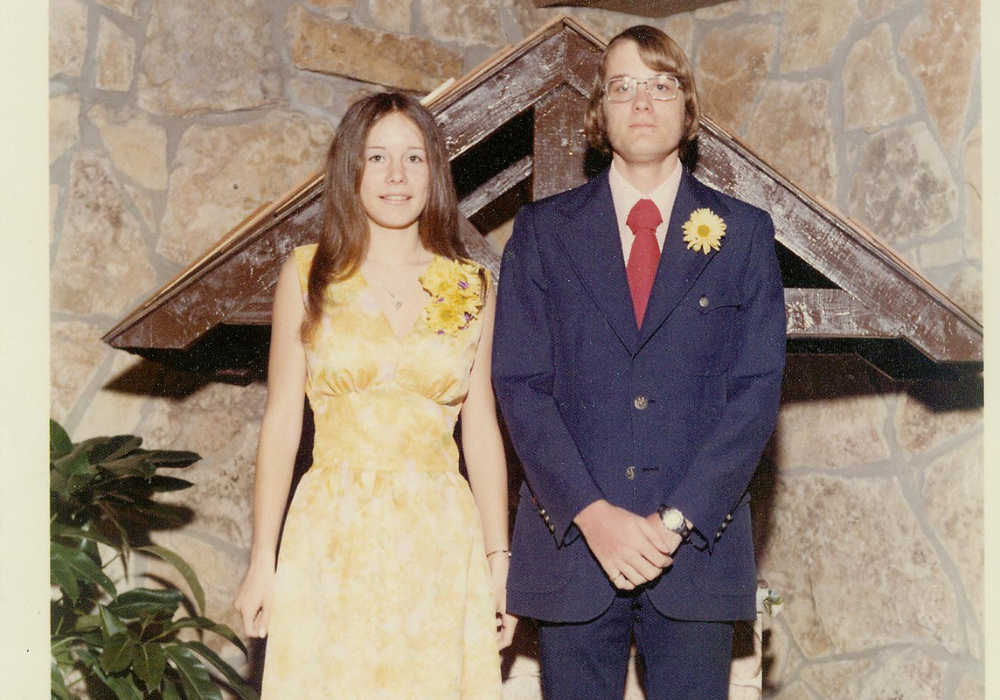
14 Slow Dance Songs from the ’70s That Made Your High School Prom Unforgettable

These timeless tunes will take you back to the dance floor and the magic of your teenage years.

©Image license via Canva

If you were a teenager in the ’70s, you remember how the slow dance was more than just a prom tradition—it was the emotional peak of the night. When the upbeat tracks faded and the lights dimmed, something magical happened. You’d nervously glance around, heart pounding, searching for someone to share those sacred three minutes with under the glittering disco ball. The music wrapped around you like a warm hug, capturing the intensity of every high school crush, heartbreak, and unforgettable first kiss.

Even if you weren’t part of a couple, the slow dance still held a special meaning. It was a time to feel connected, vulnerable, and alive, even just for one song. The melodies, the lyrics, the closeness—all of it turned gymnasiums into dreamscapes. Let’s revisit 14 unforgettable slow dance songs from the ’70s that captured the essence of youthful love, longing, and hope.

Read more

We Bid Farewell to These 19 American Iconic Figures That Died

Honoring the remarkable lives of American icons who lived long lives.

©Image license via Shutterstock

These 18 legendary American icons lived extraordinary lives that inspired generations across the world. Through their unmatched talents, groundbreaking achievements, and relentless perseverance, they carved out legacies that shaped both American culture and global consciousness. Each of them contributed something profoundly unique to their respective fields—be it entertainment, sports, activism, or public discourse—offering lessons in courage, creativity, and resilience.

As we remember their contributions and reflect on the influence they had in our lives, we also acknowledge the beauty of longevity and the richness of lives well lived. These icons not only accomplished incredible things but did so while evolving through decades of personal and societal change. Join us in celebrating their enduring impact and offering them a heartfelt farewell.

Read more

13 Toxic Communication Patterns in Marriage That Kill Your Love and Intimacy

The way you and your spouse talk to each other could be slowly destroying your connection.

©Image license via Shutterstock

Your marriage might feel fine on the surface, but the way you communicate could be slowly tearing it apart. You don’t need shouting matches or dramatic fights for real damage to happen—sometimes, it’s the little, everyday conversations that chip away at your closeness and trust.

The worst part? You may not even realize you’re doing it. Over time, these toxic communication habits create distance, resentment, and emotional walls. If you want a strong, lasting marriage, it’s time to recognize the danger signs.

Read more

Your His Wife, Not His Servant: 13 Things Women Should Never Feel Pressured to Do for Their Husbands

Marriage is about love, not servitude—stop feeling guilty for refusing these outdated expectations.

©Image license via iStock

Being a good wife doesn’t mean being a personal assistant, maid, or emotional punching bag. Yet, so many women feel pressured to do things for their husbands that go way beyond love and partnership. Society, family, and even outdated relationship advice can make you believe that saying “no” is selfish—but it’s not.

A healthy marriage is built on mutual respect, not silent sacrifices. If you’ve ever felt obligated to put your needs last, it’s time to rethink what you really owe your husband.

Read more

11 Comments You Should Never Say When Dating an Older Woman—Unless You Want To Blow It Up

Thoughtful tips to avoid sabotaging your relationship with a mature woman.

©Image license via Shutterstock

Dating an older woman can be one of the most enriching and fulfilling experiences you’ll ever have—if you treat the relationship with the care and respect it deserves. Mature women often bring emotional intelligence, self-assuredness, and depth to their connections, making them exceptional partners. But the success of that bond depends heavily on your ability to communicate thoughtfully and avoid making assumptions based on age. Small slips in language or tone can create distance, even when your intentions are good.

If you’re serious about cultivating a meaningful connection, it’s essential to be mindful of the way you speak and the implications of your words. Some comments may seem harmless at first but can come off as dismissive, patronizing, or tone-deaf when directed at a woman with more life experience. These 11 remarks are better left unsaid—not because older women are fragile, but because they deserve to be seen for their whole selves, not defined by stereotypes or shallow compliments.

Read more

If Your Adult Child Ignores You, These 13 Habits Could Be to Blame

Stop wondering why they don’t call—these common mistakes could be ruining your relationship forever.

©Image license via iStock

You thought you’d always be close, but now your adult child barely talks to you—or worse, completely ignores you. The silence can feel brutal, especially when you remember the days when you were their entire world. It’s natural to feel confused, even devastated, by the distance that’s grown between you. You might be lying awake at night, mentally retracing every conversation, trying to figure out where things took a wrong turn. It’s a lonely place to be—filled with hurt, guilt, and the nagging question of what you did wrong.

The truth is, emotional distance doesn’t usually come out of nowhere. Sometimes, it’s the result of small, repeated behaviors that quietly erode trust and connection over time. You may not even be aware that your words or actions are affecting them deeply. If your texts go unanswered or phone calls never come, it’s time to take an honest look inward. These subtle mistakes could be creating a wall between you and your adult child—and if left unaddressed, they might damage your relationship beyond repair.

Read more

OK Senior, If You Don’t Make These 11 Mind Shifts, You Won’t Stay Relevant

Don’t get left behind the times because you cling to outdated mindsets.

©Image license via Canva

As the world races forward with innovation, new cultural norms, and shifting values, staying relevant isn’t just about keeping your resume fresh—it’s about staying mentally, emotionally, and socially engaged with the world around you. For many Boomers, the speed of change can feel overwhelming. It’s easy to fall into the trap of nostalgia and stick with what’s familiar, even if those old habits and ways of thinking no longer serve you.

But relevance isn’t about youth—it’s about adaptability. It’s about having the humility to grow, the courage to question your own patterns, and the willingness to step outside your comfort zone. If you want to avoid becoming disconnected from the people, ideas, and energy that shape the future, these are the 11 mindset shifts that will help you stay vital, valuable, and vibrant.

Read more

15 Eye-Opening Facts About Younger Generations Seniors Can’t Afford to Miss

These key insights will help you stay connected and relevant in today’s fast-changing world.

©Image license via iStock

You might be more out of touch than you think. The world is changing fast, and it’s not slowing down for anyone—especially when it comes to younger generations. They’re reshaping everything from the workplace to relationships, and if you’re not actively paying attention, it’s easy to fall behind without even realizing it. Many of the values, norms, and expectations that shaped your experience may no longer apply—and clinging to them could leave you feeling frustrated, confused, or even irrelevant.

But staying connected isn’t about pretending to be young. It’s about staying curious, open-minded, and willing to learn from people who see the world differently. These younger generations aren’t trying to erase what came before—they’re just building something new. And if you want to understand them, support them, or even just have better conversations with them, these 15 insights can help you bridge the gap and remain grounded, thoughtful, and relevant.

Read more

Europeans Love to Critique the U.S.—But They Secretly Want These 13 Things

They roll their eyes at America, but they’d take these 13 things in a heartbeat.

©Image license via Shutterstock

They love to bash the U.S., but if we’re being honest, they kind of want what we have. Europeans are quick to call out America’s flaws—too loud, too big, too over-the-top. But behind the eye rolls and sarcastic comments, there’s a little bit of envy lurking under the surface.

They might scoff at our way of life, but certain American conveniences, freedoms, and cultural staples have them secretly wishing they could get in on the action.

They won’t always admit it, but you can see it in the way they light up when visiting the States. So while they critique our fast food, our enthusiasm, and, well, just about everything, there are more than a few things they wouldn’t mind having for themselves. And some of them? They want badly.

Read more

Why Boomers Criticize Gen Z’s Anxiety Epidemic and Completely Miss the Point

Older generations mock gen z’s anxiety, but they ignore what’s causing it.

©Image license via Shutterstock

Anxiety isn’t just some personal flaw—it’s a direct response to a world that feels increasingly unstable. Yet, instead of recognizing this, older generations dismiss Gen Z’s struggles as overdramatic, self-inflicted, or the result of too much time on their phones. They act like young people are simply weaker, claiming that past generations had it just as hard but didn’t complain as much.

But Gen Z isn’t making this up. They’ve grown up in an economy where financial security is slipping away, a climate crisis that keeps getting worse, and a digital world that never turns off. They’re not anxious because they lack resilience—they’re anxious because they’re paying attention.

The real question isn’t why Gen Z is struggling; it’s why older generations refuse to acknowledge what’s making life so overwhelming. Here’s what they keep getting wrong about the modern anxiety epidemic.

Read more