
Scientists say evolution may have quietly designed women to live longer.

A new study is challenging long-held assumptions about why women consistently outlive men across nearly every culture and time period. Researchers believe the answer isn’t just biology or lifestyle — it’s evolution itself. The traits that once helped women protect offspring and ensure survival may still be extending their lives today.
These findings shed light on how ancient pressures shaped the modern human lifespan in ways that continue to play out centuries later.
1. Women’s longevity may be rooted in survival instincts.

Evolution favors traits that enhance the chances of reproduction and survival. For women, this meant developing stronger immune systems and better adaptability to environmental stress. The study found that, even in harsh historical conditions like famine or disease outbreaks, women tended to live longer than men. That resilience wasn’t accidental — it was built through millennia of natural selection.
This pattern suggests that women’s bodies evolved to protect not just themselves but their offspring. A longer lifespan meant mothers and grandmothers could ensure the survival of younger generations. In evolutionary terms, that gave humanity an advantage. The very instincts that once protected families from extinction may now be extending women’s lives far beyond their reproductive years.
2. The “grandmother effect” helped shape human longevity.

One of the most fascinating theories in evolutionary biology is that post-menopausal women played a crucial role in human survival. By caring for grandchildren, sharing food, and passing on knowledge, older women increased the survival odds of their descendants. Over time, evolution favored women who lived longer and stayed healthy well past childbearing age.
This “grandmother effect” is unique to humans and a few other species like whales. It shows how cooperation and caregiving became evolutionary assets. The presence of grandmothers in early societies may have been the secret ingredient behind humanity’s success — and it still echoes in the lifespan gap between men and women today.
3. Female hormones offer natural protection against aging.
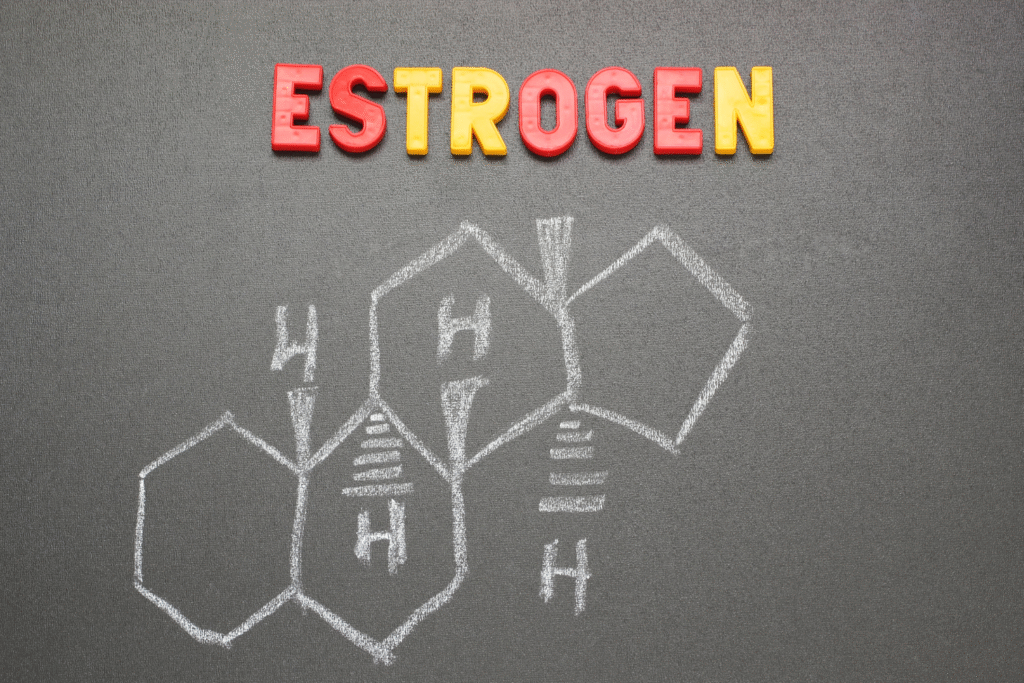
Estrogen isn’t just a reproductive hormone; it’s also a biological safeguard. It helps regulate cholesterol, protect blood vessels, and reduce inflammation — all factors linked to longer life. Men, who have far less estrogen and more testosterone, tend to experience faster cellular aging and higher rates of cardiovascular disease.
This hormonal advantage gives women a biological head start, especially before menopause. While aging eventually levels the playing field, the early protection compounds over decades. The result is a subtle but consistent edge that helps women live longer. Evolution didn’t just favor fertility — it built a chemical shield that quietly extends life itself.
4. Risk-taking behavior may explain part of the gap.

Throughout evolutionary history, men often took on more physically dangerous roles — hunting, warfare, and competition for mates. Those instincts persist today in subtler ways. Men are still more likely to engage in high-risk behaviors, from reckless driving to substance use, which contribute to shorter lifespans. The pattern appears less cultural than deeply biological.
Testosterone fuels competitiveness and aggression — traits that once helped ensure survival in a primitive world. In modern life, those same impulses often work against longevity. Women’s evolutionary tendency toward caution and cooperation, once a survival strategy, now translates into healthier, longer lives. Evolution, it seems, rewards those who play the long game.
5. The immune system may be the hidden advantage.

Studies show that women’s immune systems respond more effectively to infections and vaccines, thanks in part to genetics. Two X chromosomes mean a double set of immune-related genes, while men’s single X leaves fewer defenses against disease. Over a lifetime, that difference adds up. Women recover faster and maintain stronger immunity into old age.
The tradeoff is that women are more prone to autoimmune diseases, but the benefits outweigh the risks in evolutionary terms. A robust immune response increased survival during outbreaks and childbirth — key evolutionary bottlenecks. The legacy of that adaptation continues to protect women today, long after its original purpose faded.
6. Energy metabolism may play a quiet role in aging.

Men and women process energy differently at the cellular level. Women’s mitochondria — the power centers of cells — are more efficient and less prone to damage. This means their cells accumulate fewer harmful byproducts that accelerate aging. Over time, those microscopic advantages add up to healthier organs and longer life expectancy.
Researchers suggest this difference evolved to support the demands of pregnancy and child-rearing. Efficient energy use ensured women could endure stress without depleting vital resources. The same biological systems that once supported reproduction now serve as an unintentional longevity mechanism, helping women’s bodies stay stronger for longer.
7. Evolution may simply prioritize survival over strength.

In the early stages of human evolution, male survival was less critical to species continuity. Once men contributed genetically, their biological investment in offspring was limited. Women, on the other hand, were central to gestation, caregiving, and community survival. Evolution likely reinforced traits that extended female lifespans while leaving male longevity as a secondary concern.
That evolutionary bias may still be playing out today. Men’s bodies burn faster and wear out sooner, while women’s are designed to endure. The gap isn’t just about biology — it’s about purpose. Evolution didn’t design women to live longer for luxury; it did so to keep humanity alive.