
When caring turns into parenting, the romance fades, and the weight of responsibility becomes unbearable.

A strong relationship should feel like a partnership, not a parental dynamic. Yet, many women wake up one day and realize they’ve taken on the role of their husband’s mother rather than his wife. When nurturing turns into constant management and caretaking becomes exhausting, the romance dies.
Recognizing these moments is crucial for reclaiming equality and ensuring respect within the relationship.
1. Household tasks are constantly delegated to her
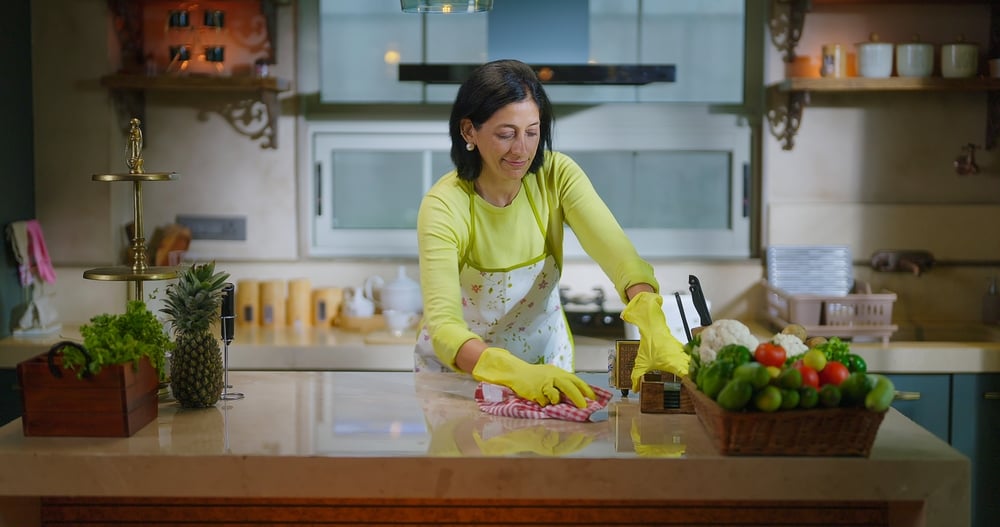
Running a home requires teamwork, but when one person starts treating the other like an unpaid housekeeper, resentment builds, says Dr. Sharone Weltfreid, a clinical psychologist interviewed by NBC News. If he expects reminders about basic responsibilities or avoids contributing unless specifically asked, the burden of managing the household falls entirely on her shoulders.
Instead of feeling like partners maintaining a shared space, the dynamic shifts into a child-parent relationship. The frustration of always having to assign chores or remind him of tasks leaves little room for mutual appreciation or romance.
2. He expects praise for minimal effort

Accomplishing small tasks should be part of adulthood, yet when a husband waits for applause after completing the simplest household duty, it signals an unhealthy imbalance. Expecting validation for taking out the trash or doing the dishes reveals a lack of responsibility and maturity. Writing for the New York Times, Brooke Williams suggests her husband announces his completed chores to prove he does more work than she does.
A grown adult shouldn’t need a gold star for handling basic responsibilities. If he seeks approval for routine tasks while his wife carries the mental load without acknowledgment, it’s clear who’s been placed in the parental role.
3. Simple decisions are placed on her shoulders

From what’s for dinner to when bills should be paid, if he constantly defers even minor choices to her, the relationship dynamic suffers. Having to decide everything removes any sense of shared leadership, forcing her into a managerial position rather than an equal partner.
Decision fatigue sets in when one person is responsible for every detail. A partner who refuses to make choices, even when capable, is silently shifting the mental workload onto the other—another sign she’s functioning as a mother rather than a wife.
4. Nagging has become the default communication style

Reminders should be unnecessary in an equal relationship, yet when requests are ignored until repeated multiple times, frustration follows. If he tunes her out until she’s exasperated, then labels her a nag, he’s reinforcing a toxic pattern.
No woman wants to feel like she’s raising another adult. Being forced into constant reminders drains energy and affection, making it difficult to see him as a responsible partner rather than someone who needs to be managed.
5. His emotional regulation depends on her soothing efforts

Supporting a spouse through difficult moments is normal, but if he relies on her to manage his moods and emotions, it’s a problem. Constantly de-escalating his frustrations, offering endless reassurance, or absorbing his stress shifts the relationship into a caretaker dynamic.
A mature adult should handle their own emotional well-being. If he leans on her for all emotional support while failing to provide the same in return, she’s being placed in a maternal role rather than an equal partnership.
6. She handles all planning and scheduling

From doctor’s appointments to vacations, when one person takes on all the organizing, the imbalance becomes clear. If he has no idea what’s on the calendar or expects her to manage everything, he’s avoiding basic responsibilities.
When a wife becomes the household’s personal assistant, it drains the relationship of its romance. Taking on all logistical duties makes it impossible for her to relax, shifting her role from partner to coordinator.
7. Teaching him basic life skills has become a routine

Explaining how to sort laundry or cook a simple meal might make sense early in a relationship, but if she’s still guiding him through life’s basics, the dynamic is unhealthy. A grown man should not require constant instruction to handle everyday tasks.
If he refuses to learn or acts helpless when asked to take responsibility, she’s left playing the role of a teacher rather than a spouse. This lack of initiative slowly erodes respect and attraction.
8. His personal hygiene requires her reminders

A romantic relationship should never feel like parenting a teenager, yet when hygiene becomes an issue, that’s exactly what happens. Having to remind him to shower, trim his nails, or change his clothes strips away attraction and respect.
Self-care is a personal responsibility. If she feels compelled to manage his hygiene, she’s no longer seeing him as an equal partner but as someone who needs supervision—an undeniable sign of imbalance.
9. She’s making excuses for his behavior to others

When friends and family notice his lack of effort, the pressure falls on her to justify it. Whether covering for his forgetfulness or explaining his irresponsibility, she becomes his spokesperson rather than his partner.
A healthy relationship doesn’t require constant defense. If she’s always rationalizing his inaction or making up for his shortcomings, she’s unknowingly slipping into a motherly role—one that only breeds resentment.
10. He avoids responsibility until she steps in

Procrastination becomes a tactic when he knows she’ll eventually take over. Whether it’s a home repair or an important phone call, if he delays long enough for her to do it, he’s passively shifting responsibility.
This behavior forces her into a problem-solving role while he remains passive. Over time, this drains her energy, making it clear that she’s handling responsibilities he should be managing himself.
11. His financial decisions are reckless, requiring her intervention

A partner who makes impulsive purchases or ignores budgeting puts strain on the relationship. If she’s constantly bailing him out, reminding him to pay bills, or managing all finances alone, she’s taken on an unwanted parental role.
Financial maturity is crucial for a partnership. If he refuses to take ownership of his financial responsibilities, she’s forced into the exhausting role of managing both their stability and his reckless habits.
12. She feels guilty for taking time for herself

Guilt should never accompany self-care, yet when a husband relies entirely on his wife for meals, organization, and emotional support, she feels pressured to sacrifice her own needs. If she can’t step away without worrying, something is deeply unbalanced.
Independence is necessary in any relationship. A partner who depends entirely on another for every small thing places unfair weight on the other, turning love into obligation.
13. Conflict is avoided because she’s tired of teaching him

Disagreements are normal, but when she stops engaging because she’s tired of repeating herself, frustration replaces communication. If he refuses to learn or adjust, she’s no longer arguing with a partner—she’s correcting a dependent.
A relationship should evolve, not feel stagnant. If she feels exhausted explaining basic expectations, she’s no longer engaged in a partnership, but stuck in a dynamic that mirrors raising a child.
14. She handles every health-related concern

From scheduling his doctor’s visits to making sure he takes his medication, managing his health responsibilities should not fall entirely on her. If he refuses to take initiative, she’s left with the mental and emotional load.
Health is personal responsibility. If he expects her to oversee everything related to his well-being, she’s being pushed into a caretaker role, which makes intimacy and attraction difficult to maintain.
15. The relationship lacks the spark of an equal partnership

When a woman feels like she’s raising a grown man instead of sharing a life with him, emotional exhaustion sets in. If the dynamic has shifted so drastically that the romance has disappeared, the imbalance is undeniable.
True partnerships require shared effort, respect, and maturity. If she realizes she’s doing all the work—emotionally, physically, and mentally—she’s not just his wife. She’s his mother in disguise, and reclaiming balance is the only way forward.