
Businesses are scrambling as these surprising millennial choices threaten to upend entire industries.

Millennials are shaking things up, and it’s making waves in the economy. Unlike their parents, this generation isn’t buying into traditions—or traditional products. From everyday items to luxury goods, their spending habits are forcing companies to rethink how they do business.
Some industries are struggling to keep up, while others are reinventing themselves to survive. Curious what’s on their “no-buy” list? You might be surprised by the products they’re rejecting—and the huge impact it’s having on the market.
1. They refuse to buy diamonds because they no longer see the sparkle.

Diamonds have long been seen as a rite of passage—an engagement ring centerpiece, a luxury item to celebrate milestones. But millennials aren’t buying it—literally. They’re far more likely to seek out lab-grown gems or entirely different stones that align better with their values. The environmental and ethical concerns tied to diamond mining are a big part of the pushback. Why spend thousands on a stone when that money could go toward paying off student debt, investing in travel, or simply building financial stability?
Another major shift lies in how millennials define meaning and value. A flashy piece of jewelry doesn’t carry the same weight when you prioritize experiences over things. In fact, many are even choosing to forego engagement rings entirely or opting for minimalist designs that reflect a more practical mindset. Jewelry brands, once booming from bridal traditions, are scrambling to stay relevant by offering ethically sourced options and highlighting sustainability in their messaging.
2. Paper napkins are out because millennials think they’re a waste.

It might seem like a small change, but skipping paper napkins is making a big dent in an industry that used to thrive on convenience. Millennials, raised with a growing awareness of environmental issues, see disposable products as part of a wasteful past. Many households have completely swapped in reusable cloth napkins, citing both environmental benefits and long-term cost savings. What once was a household staple has become unnecessary clutter in a generation’s pursuit of minimalism.
Beyond sustainability, there’s a cultural element at play. Millennials often value aesthetics and intentional living, and reusable options often feel more refined and aligned with their lifestyle goals. Brands that once built fortunes on throwaway paper goods are now rethinking everything from packaging to product innovation. In the grand scheme of millennial spending, skipping paper napkins is symbolic of a deeper shift toward conscious consumption.
3. Cable TV is toast because millennials hate being tied down.

Remember when channel surfing was the norm? Not anymore. Cable TV has been rapidly losing ground to on-demand, subscription-based streaming platforms. Millennials want content when and how they want it, and the idea of paying for hundreds of channels they never watch is laughable. Younger generations overwhelmingly prefer streaming services, drawn by their flexibility and affordability. Add in the fact that many grew up watching content on laptops and phones, and cable starts to feel like a relic.
The decline in cable subscriptions has sent shockwaves through the traditional TV industry. Networks are rushing to launch their own apps and digital platforms, but they’re playing catch-up in a space already dominated by Netflix, Hulu, and other established streamers. Millennials’ refusal to commit to inflexible bundles or long-term contracts has made one thing clear: convenience and autonomy rule in the digital age. The entire entertainment delivery system is being reshaped in response.
4. Stocks are unappealing because they trust other investments.

For many millennials, the stock market feels risky, outdated, and often inaccessible. They watched their parents lose retirement savings during the 2008 financial crisis, and that trauma hasn’t faded. Instead of putting faith in traditional Wall Street offerings, they’re exploring more diverse avenues like cryptocurrency, real estate, and socially conscious investing. This isn’t just a change in risk appetite—it’s a total rethinking of what financial empowerment looks like.
Millennials want to invest in causes and technologies they believe in, not faceless corporations that don’t align with their values. They use apps like Robinhood or Coinbase, and they’re more likely to back companies with ethical missions or green energy portfolios. Financial institutions that once thrived on conventional investors are now scrambling to understand this values-driven demographic. Traditional finance is being pushed to evolve—or risk being left behind.
5. Big SUVs are a hard pass since they want smarter options.
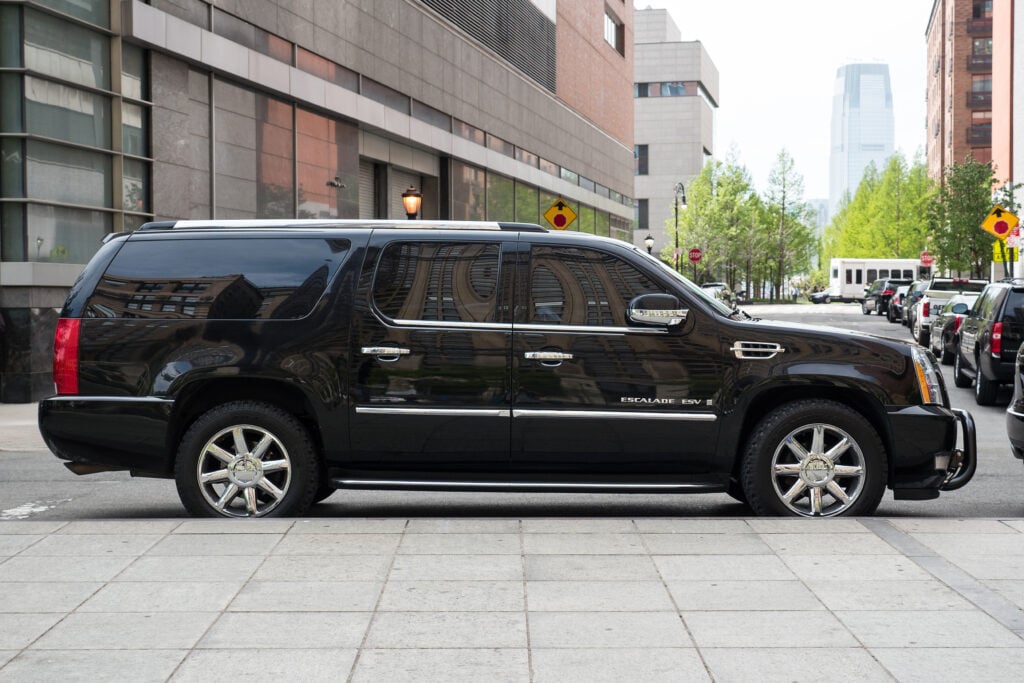
Millennials aren’t interested in driving oversized vehicles that guzzle gas and rack up insurance costs. Instead, they’re opting for compact cars, hybrids, and electric vehicles that reflect both their financial concerns and environmental priorities. The shift away from large SUVs isn’t just about preference—it’s a rejection of the status quo. Car ownership, in general, is also being re-evaluated, with many millennials choosing public transit, car-sharing services, or biking.
Automakers that once marketed power and size are rebranding themselves to appear more eco-conscious and tech-savvy. Tesla, for instance, has become a status symbol in a way that appeals to both aesthetics and values. Millennials aren’t just buying cars—they’re making a statement about who they are and what matters to them. The era of “bigger is better” on the road is being replaced with “smarter is better,” and companies are taking note.
6. Luxury handbags are losing their shine because millennials prioritize experiences.
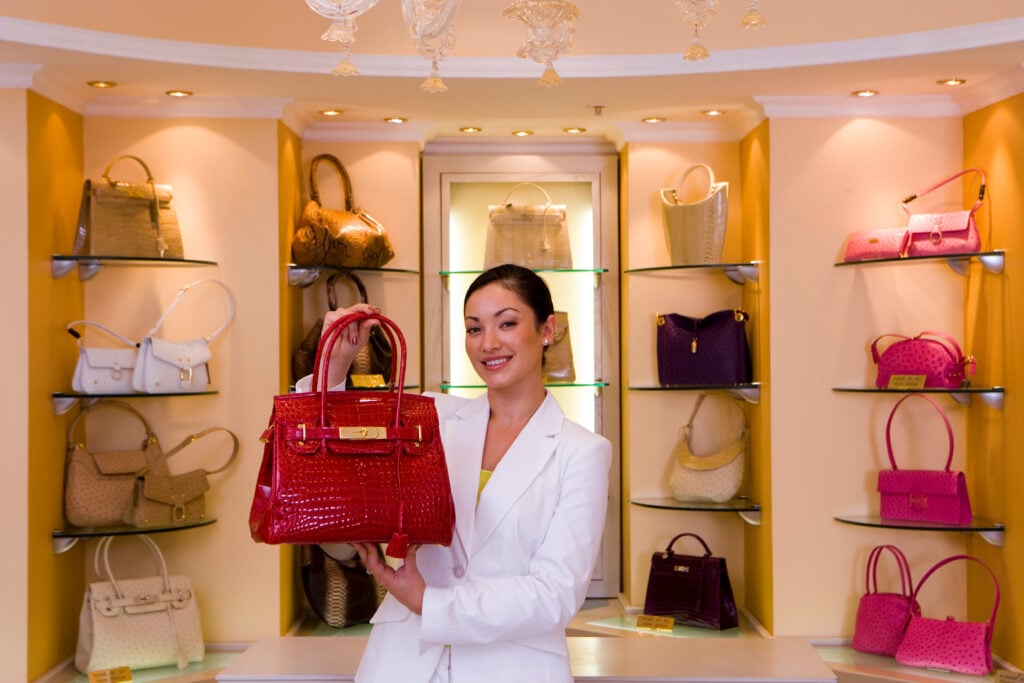
Spending thousands on a designer handbag feels outdated to a generation that values memories over materialism. Millennials are more likely to splurge on travel, wellness retreats, or meaningful experiences than high-end accessories. A purse, no matter how fashionable, doesn’t hold as much appeal when it competes with a month in Southeast Asia or a weekend music festival.
Luxury brands are struggling to adapt. Many are launching lower-priced lines or leaning into resale and rental markets just to stay afloat. Millennials also care deeply about authenticity, and flashy logos often come off as trying too hard. Subtlety, versatility, and ethical sourcing now play a bigger role in how luxury is defined. The shift isn’t just economic—it’s philosophical.
7. Golf is out because they think it’s boring and expensive.

Millennials have turned away from golf, seeing it as a slow, pricey, and exclusionary sport. Unlike their parents, they don’t have the time—or the desire—to spend four hours on a course followed by cocktails in the clubhouse. Add in the cost of equipment, memberships, and green fees, and it’s easy to understand why interest has waned. Golf simply doesn’t fit the millennial lifestyle.
Instead, they’re leaning into more inclusive, high-energy activities like group fitness, hiking, or recreational sports leagues. Mini-golf and virtual golf experiences have gained popularity precisely because they’re more casual and accessible. Golf clubs across the country are trying to attract younger players, but for many millennials, the appeal just isn’t there. The game’s golden era may be over—at least for now.
8. Fabric softeners are fading away as millennials don’t see the point.

Many millennials are questioning whether fabric softener is even necessary. For them, it’s just another product taking up space in the laundry room—one that adds cost, chemicals, and little perceived benefit. Instead, they’re choosing dryer balls, natural alternatives, or skipping it altogether in favor of a more minimalist, health-conscious routine.
Laundry brands that once dominated supermarket shelves are watching sales drop and trying to pivot. New marketing efforts now tout “green” options and multifunctional products, but trust is hard to regain. For millennials, simplicity often wins out over tradition, especially when it comes to everyday chores. If it doesn’t add clear value, it’s getting cut.
9. Homeownership has stalled because many are priced out or uninterested.

Skyrocketing home prices, stagnant wages, and massive student loan debt have made buying a home a distant dream for many millennials. But it’s not just affordability—it’s also about priorities. Renting offers flexibility, mobility, and fewer responsibilities, which aligns with a generation that values experiences over roots.
This has major implications for the housing market, especially in suburban and rural areas where millennial interest has waned. Developers and realtors are now marketing smaller homes, co-living spaces, and urban rentals to match millennial needs. The white-picket-fence ideal has faded, replaced by visions of mobility, freedom, and low-commitment living.
10. Traditional mayonnaise is a no-go as they choose better options.

Plain mayo? Millennials say no thanks. Instead, they’re opting for trendy, flavorful alternatives that bring more excitement to the table—think avocado mayo, sriracha aioli, or plant-based spreads. Health-conscious and adventurous, they want condiments that are as unique as they are, and traditional brands are being left behind.
Legacy condiment makers are racing to stay relevant, releasing “hip” new lines and rebranding to appeal to younger buyers. But the bigger takeaway is this: millennials won’t stick with a product just because it’s familiar. They crave flavor, customization, and ingredients that feel intentional. In the condiment world, that’s a total game-changer.
11. Department stores are dying since millennials shop differently.
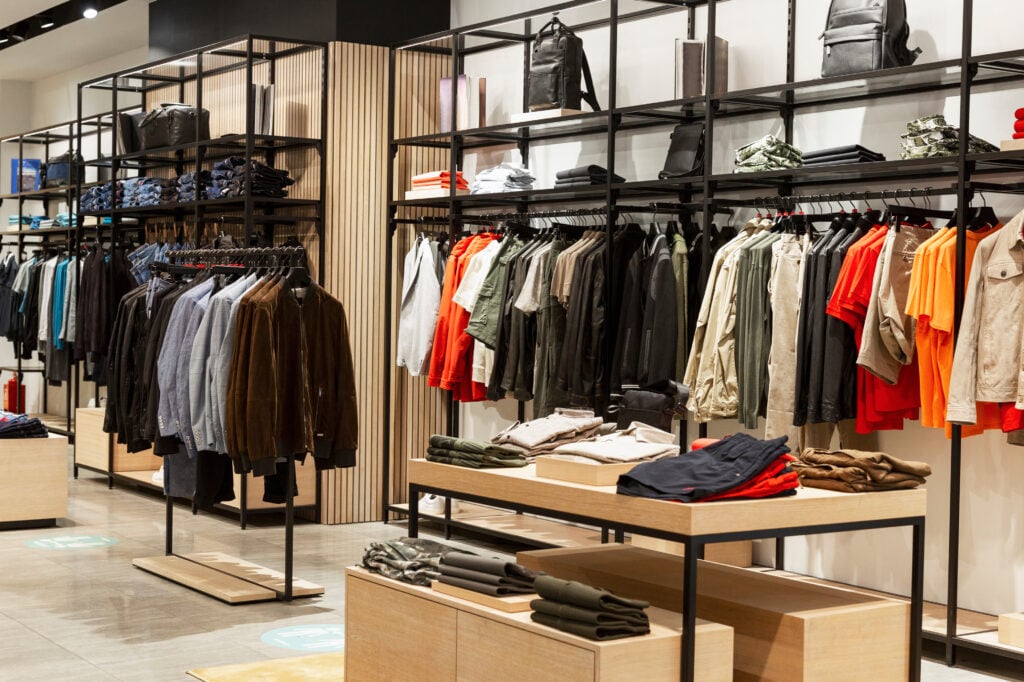
Millennials are ditching the department store experience in favor of online convenience and curated shopping. Why wander aimlessly through aisles when you can scroll through personalized recommendations and next-day delivery from the couch? Even when shopping in person, they prefer smaller stores that offer unique items and good vibes.
Department stores, once the heart of shopping malls, are now struggling to attract foot traffic and compete with e-commerce giants. Many are closing down or rebranding entirely. This isn’t just a retail shift—it’s a cultural one, driven by a desire for meaningful, efficient, and engaging shopping experiences.
12. Fancy china sets are obsolete because they want practicality.

The idea of owning a full set of fine china for “special occasions” feels out of touch to millennials. With smaller living spaces and a preference for casual dining, they see little point in owning something that stays packed away 364 days a year. Instead, they’re buying durable, stylish dishware that can handle daily use—and look good on Instagram.
Brands that once relied on wedding registries and gift-giving traditions are watching their market shrink. Millennials want simplicity and functionality, not elaborate place settings they’ll rarely use. Formality is out, flexibility is in—and the dinner table is reflecting that shift in a big way.
13. They are ditching cereal because it’s just too much work.

To older generations, cereal is a fast, no-fuss breakfast. But for millennials, even rinsing out a bowl feels like a chore in the rush of modern life. Add in health concerns over sugar content and preservatives, and cereal starts to look like an outdated option. Smoothies, protein bars, or pre-made breakfast bites are far more appealing.
This shift is reshaping breakfast product lines. Brands are introducing new, healthier cereals or entirely new products designed for speed and nutrition. But the glory days of a big bowl of cereal with Saturday morning cartoons may be long gone—especially when the blender or coffee shop is just easier.
14. 9-to-5 office jobs are over because millennials demand flexibility.

The traditional office job with its rigid 9-to-5 schedule is rapidly losing favor among millennials. This generation values work-life balance, autonomy, and purpose, and they aren’t afraid to walk away from companies that don’t offer flexibility. For them, commuting for hours only to be micromanaged in a cubicle feels outdated and soul-crushing. Instead, they’re embracing freelance gigs, remote work, hybrid roles, and even creating their own businesses. Flexibility isn’t a perk anymore—it’s a baseline expectation.
Employers are being forced to adapt or risk losing talent. Offering remote work options, flexible hours, and results-oriented culture has become key to retaining millennial employees. Those who don’t evolve are watching their best workers jump ship for jobs that allow them to live—and work—on their own terms. Millennials aren’t rejecting hard work; they’re rejecting the outdated systems that dictate how it must be done. The future of work is flexible, digital, and deeply personal—and it’s already here.