
Midlifers relocating to rural areas share qualities that support their lifestyle and personal growth.
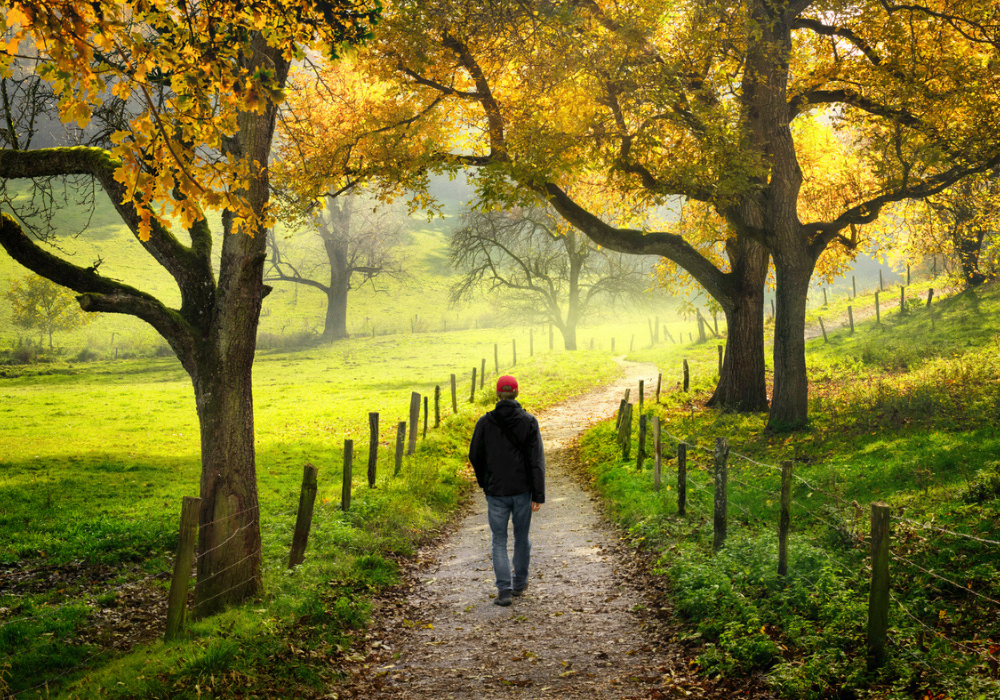
Many midlife individuals choose to leave city life behind for the countryside, driven by a mix of personal values and lifestyle goals. These movers often seek simplicity, a closer connection to nature, and stronger community bonds. Along the way, they develop adaptability, patience, and resilience to navigate the slower pace and unique challenges of rural living. Understanding these common traits sheds light on what motivates and sustains this significant life change.
1. They value simplicity and seek a slower pace of living.

Simplicity beckons many midlifers looking to swap urban chaos for rural calm. The countryside offers a slower pace, where traffic noise fades, replaced by the rustling of leaves. Here, days unfold gently, inviting one to savor each moment without rush or intrusion.
Away from city hustle, the less hurried environment encourages reflection and genuine connections. It’s not an escape from responsibilities but a shift in rhythm. Individuals find room to explore hobbies and passions, shedding the relentless urge to multitask, allowing contentment to flourish.
2. They have a strong appreciation for nature and open spaces.

Nature provides a grounding force for those seeking a deeper connection to the earth. Wide open spaces and the beauty of changing seasons draw individuals outside. Such environments offer more than just scenic views; they cultivate an enduring appreciation for life’s subtleties.
The abundance of green landscapes nurtures a sense of peace and renewal. In the countryside, a simple walk can transform one’s day, offering moments of clarity and inspiration. This natural immersion fosters an awareness of one’s surroundings that often eludes city dwellers.
3. They enjoy cultivating self-sufficiency through gardening or small farming.

Gardening and small-scale farming offer more than sustenance; they cultivate empowerment. Engaging with the land provides midlifers a sense of achievement through tangible results. Green thumbs delight in growing vegetables and herbs, transforming backyard plots into bountiful havens.
The hands-on experience fosters a deep connection to the environment. Even small harvests bring fulfillment and the satisfaction of self-reliance. Practicing such skills often enriches life in rural settings, inviting others to share in the bounty, fostering community spirit and resilience.
4. They prioritize close-knit community connections over anonymity.

Midlife migrants often seek community bonds over urban anonymity. The countryside’s intimate networks allow for genuine connections, where neighbors know and support one another. In small towns, faces become familiar, and shared experiences form a comforting backdrop.
The ability to engage deeply fosters a sense of belonging. Many cultivate networks through local events or volunteer commitments. Building these ties requires effort but brings rewards, creating friendships that buffer the challenges of rural living, fulfilling the human need for social inclusion.
5. They embrace new skills and adaptability in rural settings.
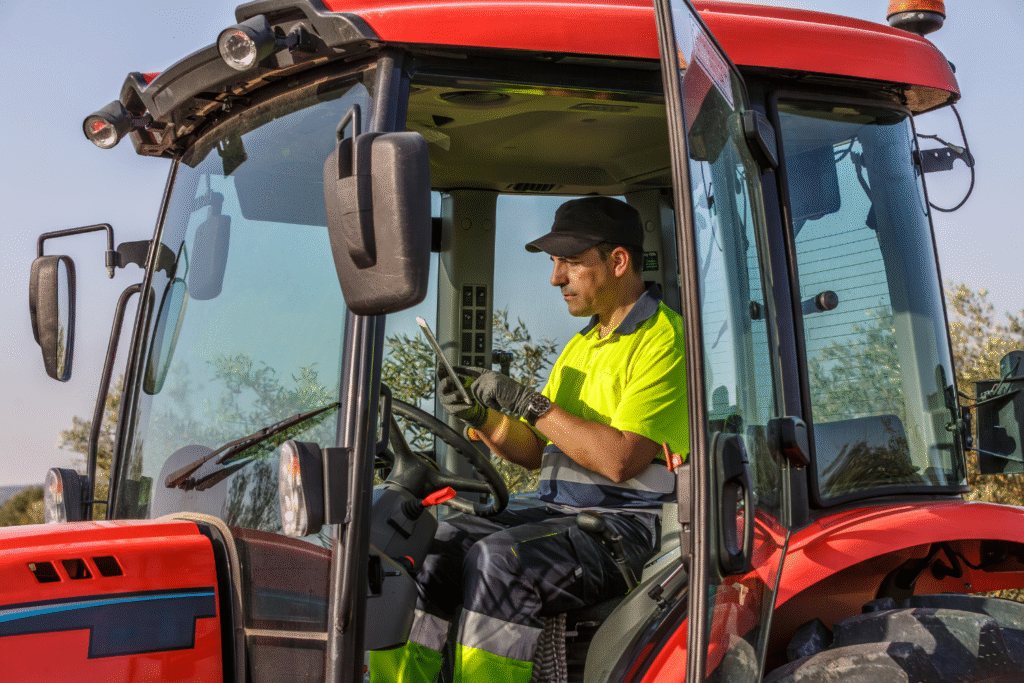
Adapting to rural life often involves acquiring new skills and embracing change. Midlifers draw on flexibility developed through experience to navigate unfamiliar settings. They find opportunities in learning, whether it’s mastering tractor maintenance or joining local community boards.
Such adaptability enhances the rural transition, transforming potential obstacles into avenues for growth. By engaging with new tasks hands-on, individuals empower themselves, crafting an enriching lifestyle aligned with personal values and aspirations against the backdrop of a supportive community.
6. They appreciate quiet moments and solitude without feeling isolated.

Quiet moments hold a unique appeal for those who thrive in solitude. Away from urban noise, rural living offers a retreat where tranquility prevails. Time spent alone becomes a treasured opportunity for introspection and creativity.
Here, solitude does not equate to isolation. Interaction with the natural world and occasional community gatherings offer balance. Such settings challenge the assumption that a bustling social life is necessary for happiness. Instead, they provide space for self-discovery and peaceful contemplation.
7. They possess patience for slower services and rural rhythms.

Rural rhythms operate at a gentler pace, requiring patience with slower services. Midlife relocators often anticipate this shift, developing resilience to navigate potential frustrations. Embracing rustic processes, they learn to appreciate and respect the time it takes for small town efficiency.
In these slower settings, patience turns from a burden into a virtue. The experience encourages them to let go of rigid expectations. Recognizing the unique flow of country life fosters mindfulness, bringing awareness to the value in each unhurried interaction.
8. They often have a deep desire for balance and wellness.

Seeking balance, many midlifers find wellness in rural locales. A slower pace and proximity to nature enhance physical and emotional well-being. These environments invite daily reflection and encourage mindful practices, promoting a healthier lifestyle far removed from urban stressors.
Living amidst nature reinforces holistic wellness ambitions, fostering calm and encouraging simplicity. This sense of balance aligns with life’s core values and supports sustainable habits, offering a fulfilling lifestyle grounded in what truly matters. From morning walks to close community ties, every choice reflects intentional living.
9. They approach challenges with resilience and a positive mindset.

Resilience thrives amidst change, a vital trait for those embracing rural challenges. Midlife individuals often possess the optimism necessary to face uncertainties with a positive outlook and unwavering spirit. They rise to meet difficulties by adapting creatively to unforeseen circumstances.
Living in rural areas tests this resolve but also strengthens it. Unpredictable weather or limited access to services become opportunities to innovate and connect. Cultivating this mindset fosters a supportive community, ensuring that every hurdle faced becomes a lesson learned, reinforcing the resilience of rural life.