
Scientists are unveiling revolutionary treatments that could help you live longer, stay healthier, and feel younger than ever.

Imagine hitting 60 and realizing the best years of your life are still ahead—because science is making it possible. Groundbreaking medical advances are shattering old beliefs about aging, giving people over 60 more energy, sharper minds, and stronger bodies.
These aren’t futuristic dreams; they’re either available now or will be within the next five years. Researchers are changing the game, and the benefits are staggering. If you’re ready to embrace a longer, healthier, and more vibrant future, here’s what’s coming next.
1. AI-driven health monitoring is revolutionizing how you track your well-being.
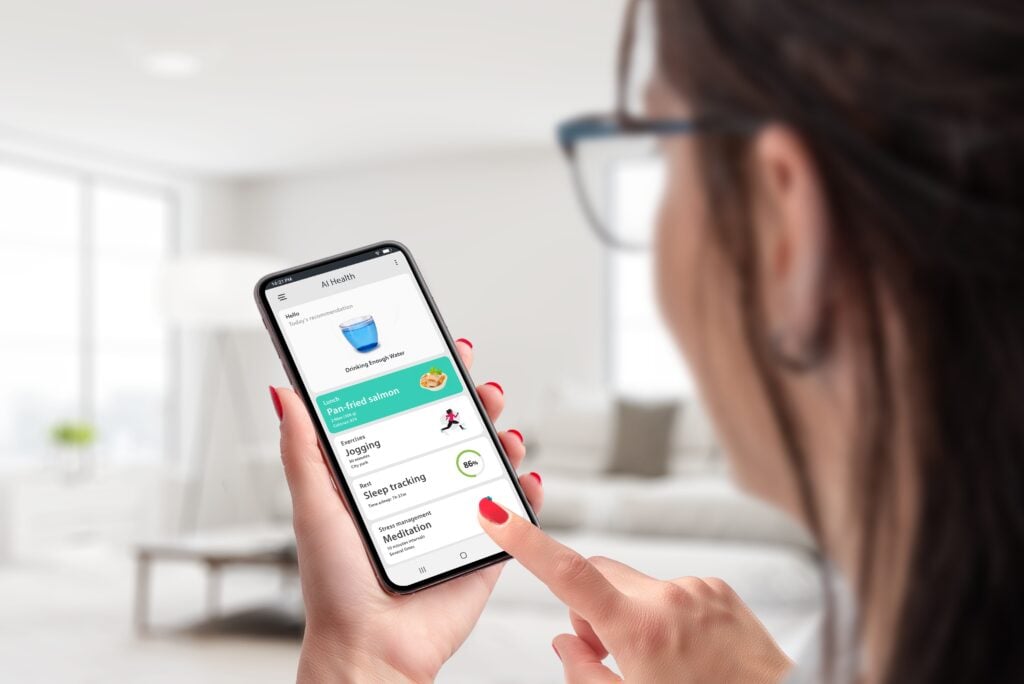
Imagine having a personal health assistant that never sleeps. AI-powered monitoring systems continuously track your vital signs, detect unusual patterns, and alert you to potential health issues before they become serious. These intelligent systems analyze data from wearable devices, medical history, and lifestyle habits to provide real-time insights. Early detection of heart issues, diabetes complications, or even respiratory problems can now happen from the comfort of your home—giving you peace of mind and a longer, healthier life.
2. Remote health monitoring devices are making wearables smarter than ever.
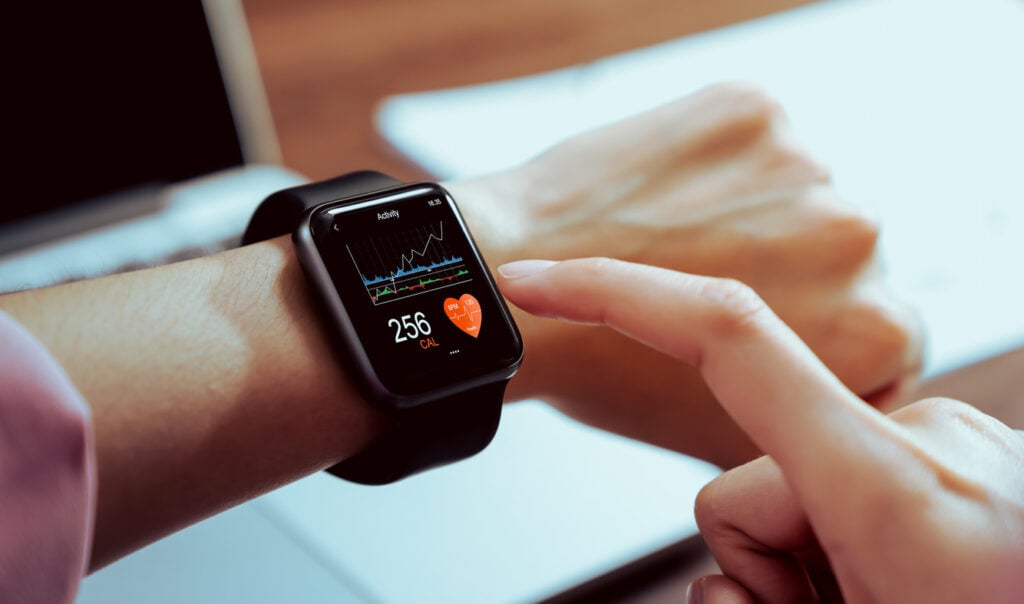
The latest generation of smartwatches and health trackers do more than count steps. These advanced wearables can detect irregular heart rhythms, track oxygen levels, and even predict falls before they happen. Sleep tracking has also improved, offering deep insights into sleep quality and potential health risks. With real-time alerts and seamless data sharing with doctors, these devices provide a safety net, helping older adults stay independent while keeping health risks in check.
3. Virtual care platforms are bringing personalized healthcare to your fingertips.
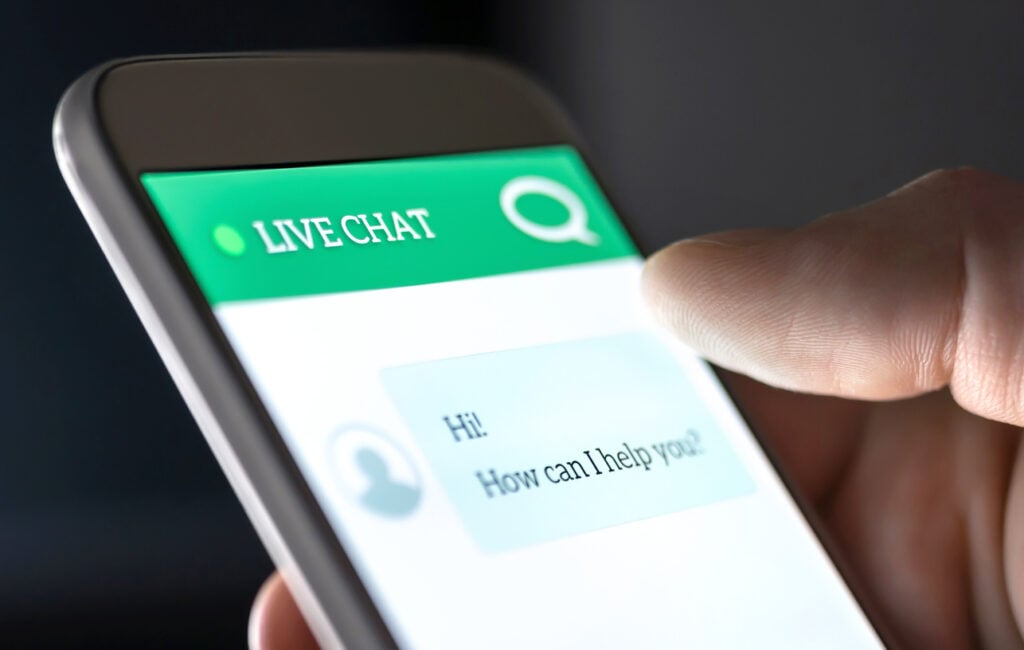
Doctor visits no longer require sitting in a waiting room. AI-powered virtual care platforms are making healthcare more accessible, offering personalized advice, medication reminders, and even mental health support—all through an app. These intelligent systems learn your health patterns, provide early intervention suggestions, and connect you to medical professionals when needed. For those managing chronic conditions or mobility issues, virtual care is a game-changer, ensuring expert support is always just a click away.
4. Smart home technologies are making aging in place safer and easier.
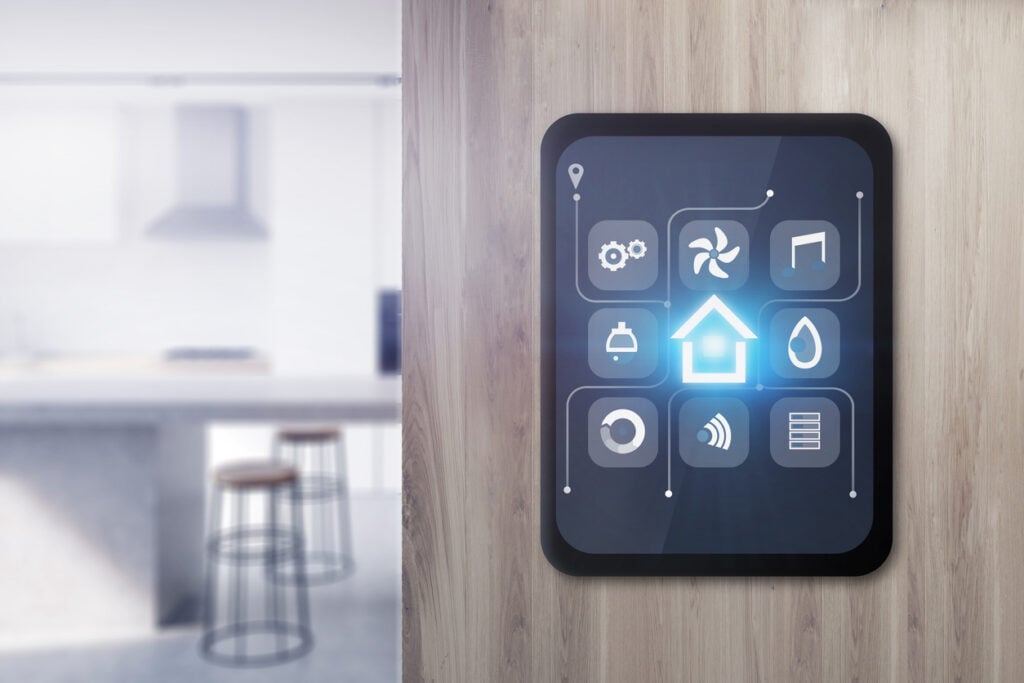
Home automation has gone far beyond voice-controlled lights. Today’s smart homes can remind you to take medication, adjust lighting based on time of day, and even detect unusual activity that could indicate a fall or emergency. Voice assistants can call family members, adjust room temperatures for comfort, and provide gentle reminders for daily tasks. These high-tech upgrades are designed to enhance safety, convenience, and independence, making it easier to stay in your home longer.
5. AI-assisted diagnostics are catching diseases earlier than ever.

Artificial intelligence is revolutionizing early disease detection, spotting health issues before symptoms even appear. AI-powered tools are now being used to detect early signs of dementia, cancer, and heart disease with remarkable accuracy. These systems analyze medical scans, genetic markers, and patient history to identify patterns that humans might miss. The result? Faster diagnoses, earlier treatment, and a better chance of managing or even reversing some age-related conditions before they take hold. (Source: National Institute on Aging)
6. Personalized medicine is tailoring treatments to your unique genetic makeup.

One-size-fits-all medicine is quickly becoming a thing of the past. Thanks to advances in genetic testing, doctors can now create highly customized treatment plans designed specifically for your body’s needs. Whether it’s choosing the most effective medication with minimal side effects or identifying potential health risks before they develop, personalized medicine is making treatments safer and more effective. This breakthrough is particularly important for older adults, helping them avoid unnecessary medications and enjoy better health outcomes. (Source: National Human Genome Research Institute)
7. Virtual reality is keeping brains sharp and memories strong.
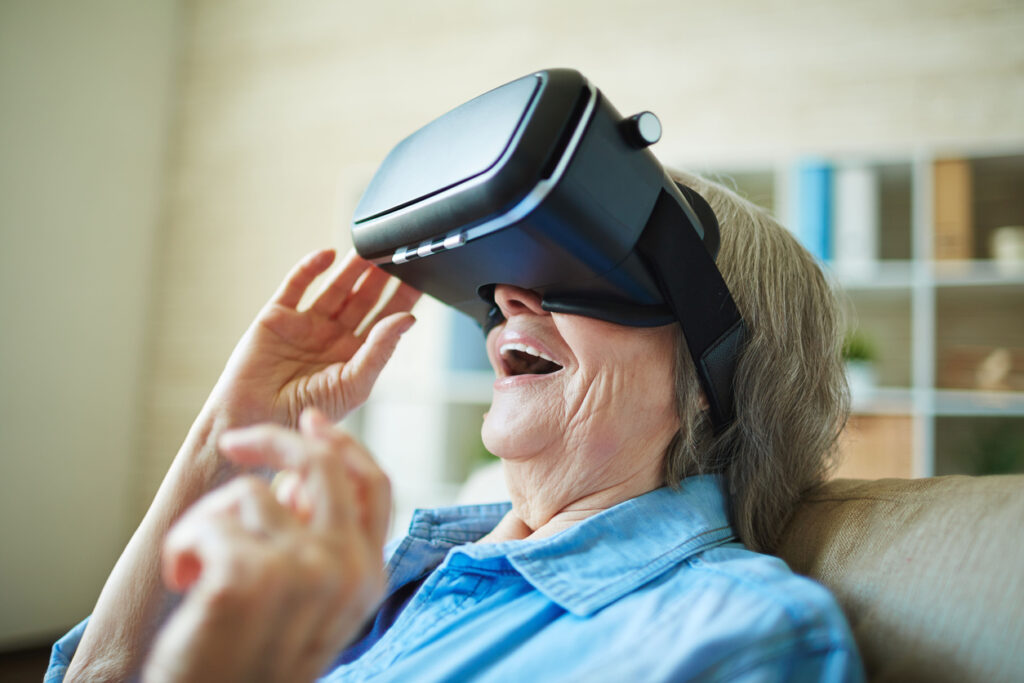
Who knew video games could help fight cognitive decline? Virtual reality is being used to improve memory, focus, and problem-solving skills in older adults. These immersive experiences stimulate different areas of the brain, helping to slow or even reverse the effects of aging on cognition. VR programs are already being used in memory care facilities and senior centers, offering fun, interactive ways to maintain brain health. It’s not just entertainment—it’s brain training for the future.
8. AI-powered care assistants are providing 24/7 support for older adults.
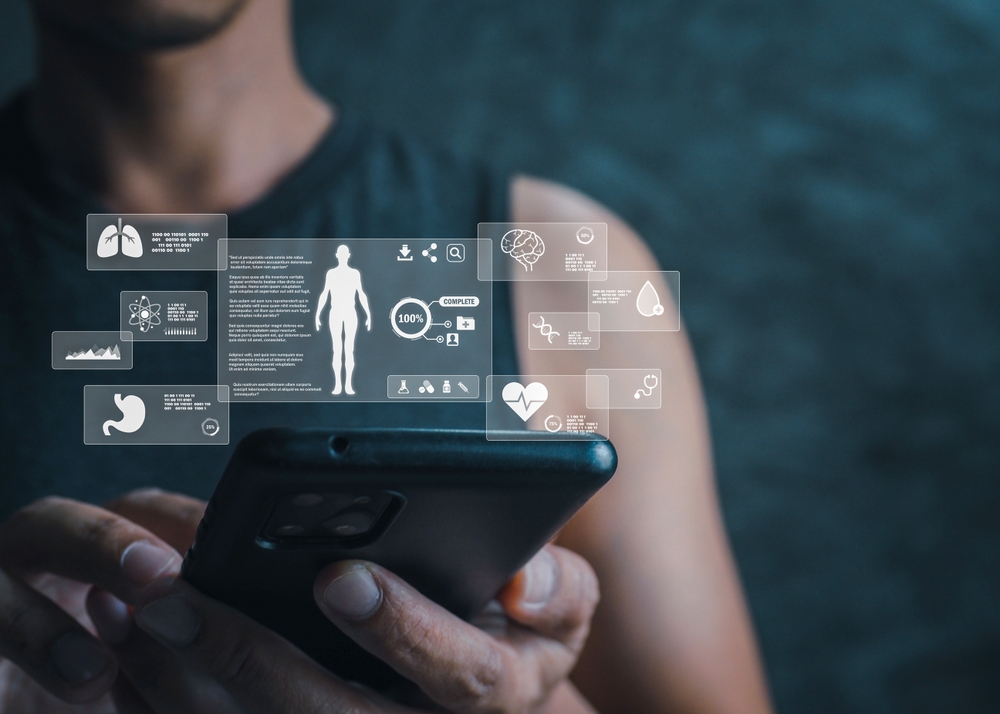
Imagine having an intelligent assistant that never forgets a doctor’s appointment, medication schedule, or daily routine. AI-powered care assistants are now helping older adults manage their health by providing real-time reminders, answering questions, and even scheduling medical visits. These virtual caregivers reduce the burden on family members while ensuring seniors get the support they need. Whether it’s reminding you to take your pills or offering companionship through interactive conversation, these digital assistants are making life easier and safer.
9. Telemedicine advancements are making doctor visits more convenient than ever.
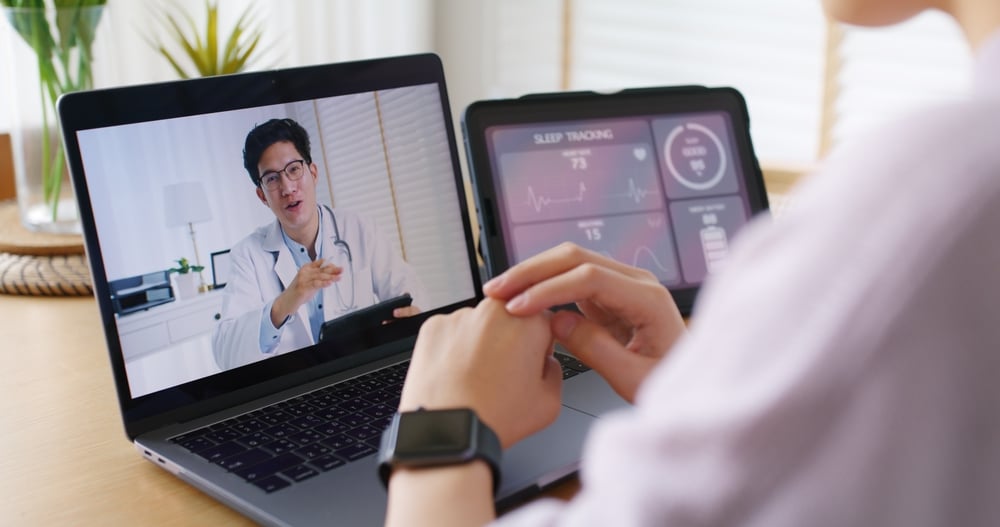
Seeing a doctor from the comfort of your own home has never been easier. Telemedicine has expanded rapidly, with virtual appointments becoming the norm for everything from routine check-ups to specialist consultations. This is especially beneficial for those with mobility issues or living in remote areas. With high-resolution video calls, real-time health monitoring, and instant prescription refills, telemedicine is eliminating the hassle of in-person visits while ensuring top-notch care is always within reach.
10. Connected care ecosystems are keeping doctors, caregivers, and family members in sync.

Health data no longer sits in isolated systems. Connected care ecosystems allow smart devices, wearables, and medical records to communicate in real time. This means your doctor, caregiver, and even family members can be instantly alerted to any health changes. If something seems off—like an irregular heartbeat or a sudden drop in activity levels—help can arrive before a crisis happens. This seamless integration of health data is making proactive care a reality for seniors everywhere. (Source: Milken Institute)
11. Digital therapeutics are bringing doctor-approved treatments straight to your phone.

Forget expensive treatments with endless side effects—digital therapeutics are offering evidence-based interventions through apps and devices. These doctor-approved programs are designed to treat chronic conditions like diabetes, depression, and high blood pressure using behavioral coaching, interactive therapies, and personalized health plans. With insurers and healthcare providers increasingly supporting these digital solutions, they’re becoming a powerful, accessible tool for managing health without relying solely on traditional medications.
12. Senolytic drugs could be the key to reversing aging at the cellular level.

Scientists are making huge strides in developing senolytic drugs—compounds that target and eliminate aging cells responsible for inflammation and disease. These breakthrough drugs have already shown promising results in extending healthspan by reducing age-related decline in muscles, joints, and cognitive function. While still in clinical trials, experts predict that within the next five years, these drugs could become widely available, helping older adults stay stronger, healthier, and more resilient as they age. (Source: Nature.com)