
If you held one of these jobs, you’ve witnessed a true workplace revolution.
Work looked a whole lot different when Boomers were just getting started. You clocked in, kept your head down, and did the job—no apps, no remote work, no digital anything. Offices buzzed with typewriters, phones had cords, and you actually had to talk to people face-to-face. It was a hands-on, analog world, and for a while, it all felt permanent. But as technology sped up and the economy shifted, entire roles started disappearing. Not gradually—suddenly.
One day you were doing a job that felt essential, and the next, it was gone. Obsolete. Replaced by machines, software, or just a faster way of doing things. It’s wild to think about how quickly the working world can change. Boomers lived through one of the biggest workplace evolutions in history, and some of the jobs they started out with now sound like something out of a museum. If you remember them, you’ve seen it all.
1. You knew the office hustle if you ever worked as a switchboard operator.
Switchboard operators were once the nerve center of every business, connecting calls manually by plugging in cables and saying things like, “Please hold.” It took real focus and fast fingers to keep up during a busy shift. People relied on them to get important messages through, and in a weird way, they had their finger on the pulse of everything happening. It wasn’t just about connecting calls—it was about knowing who was who, remembering names, and handling everything with a calm voice. When phone systems got more advanced, these jobs slowly disappeared.
Now, it’s all automated menus and digital assistants. But there was a time when this job came with real responsibility and respect, suggests Timothy Taylor in an article for the Conversable Economist. If you worked one of those boards, you know just how essential that role used to be—and how wild it is that no one does it anymore.
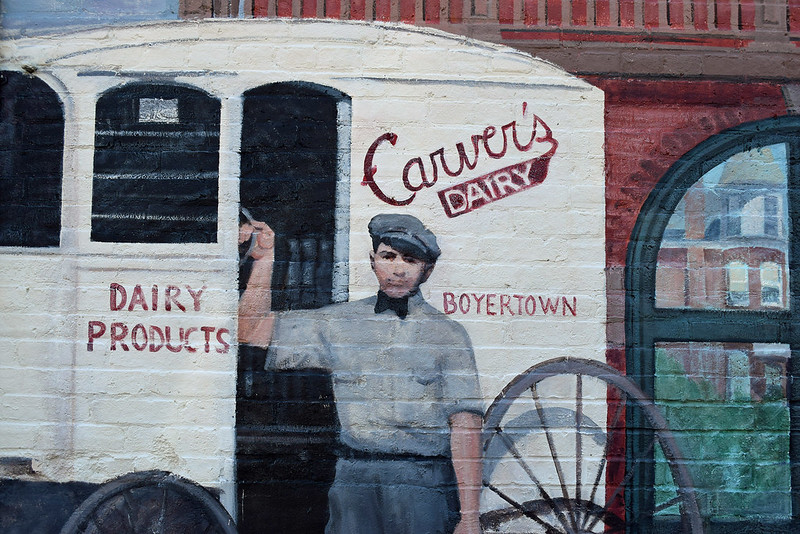
2. Being a milkman meant your workday started before the sun came up.

The milkman wasn’t just a delivery guy—he was part of the neighborhood. You knew your route, waved at kids on their bikes, and dropped off fresh milk in glass bottles right at people’s doors. In some towns, folks left notes asking for extra butter or eggs, and you’d deliver those too, remarks Caroline Lange writing for Food 52. It was early, physical work, and required real commitment. Rain or shine, the job had to be done. For a while, having milk delivered felt like a little luxury. But as supermarkets expanded and refrigeration improved, the need for milkmen slowly faded away.
These days, grocery delivery looks completely different. No friendly wave, no clinking bottles, no quiet morning ritual. It’s hard to believe how quickly such a common job vanished. If you were a milkman—or knew one—you remember a time when work felt personal and people trusted each other to do their jobs without a barcode.
3. You had to be quick on your feet if you were a telegram messenger.

Telegram messengers were the original urgent delivery service. If someone had big news—good or bad—it got sent by telegram, and you were the one racing across town to hand-deliver it. It might’ve been a birth announcement, wedding update, or sometimes something more somber. You didn’t just pass off a message; you delivered a moment in someone’s life. Most messengers were young, often riding bikes or sprinting through crowded streets, say writers at Wikipedia. It wasn’t glamorous, but it felt important. Each delivery mattered.
Once telephones became more widespread and affordable, telegrams lost their grip. The need for messengers faded, and eventually, the entire system shut down. It’s wild to think that there was once a job where your main task was running a piece of paper to someone’s doorstep. But if you ever did it, you probably remember the sense of urgency—and how no one dared to ignore a telegram.
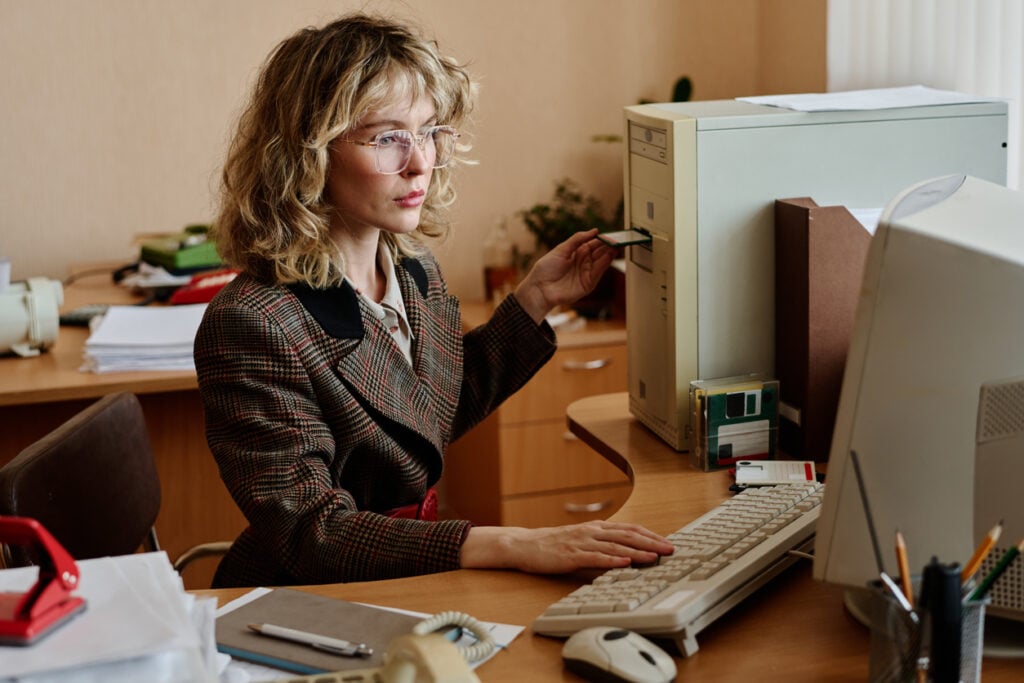
4. If you were a keypunch operator, your job was basically data entry with noise.
Before computers had sleek keyboards and silent commands, keypunch operators used machines that clacked loudly all day long. You’d punch holes into cards that represented data—every letter, number, or command had a precise pattern, according to writers at NordVPN. It was repetitive, sure, but also kind of technical. Accuracy mattered a lot. One wrong punch could throw off an entire program. Many of these jobs were filled by women in office buildings, heads down, working in rows. The sound of the machines was constant, like the hum of a factory floor.
As technology evolved, those punch cards became obsolete. Computers got smarter, faster, and required fewer people to handle the basics. Still, for a while, this was how data got processed—and it laid the groundwork for the tech revolution. If you worked those machines, you weren’t just typing; you were helping build the early digital world, one card at a time.
5. You were the human GPS if you worked as an elevator operator.
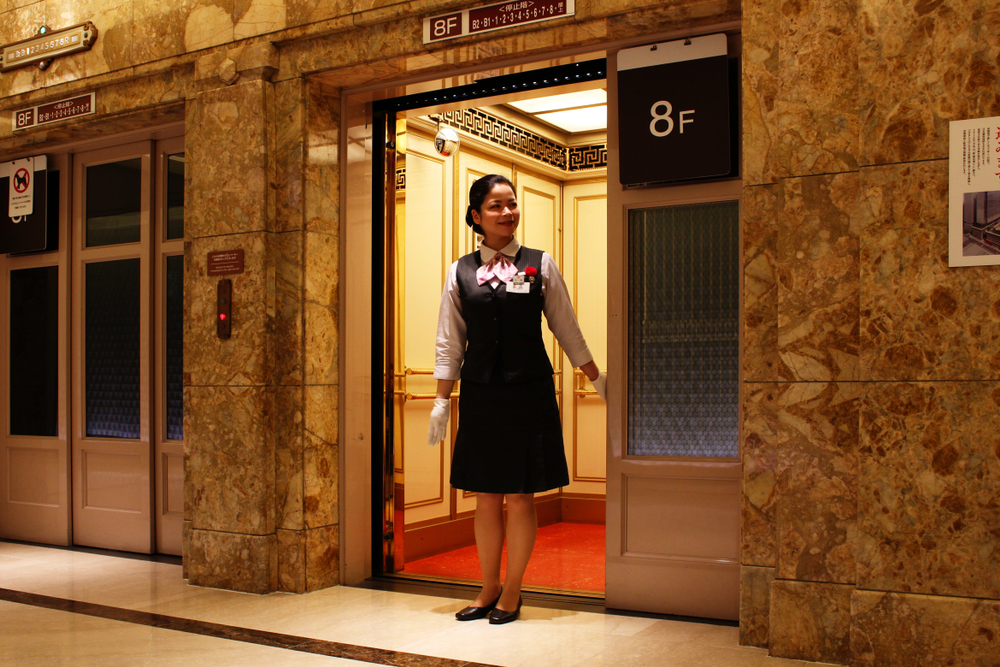
Riding in an elevator used to come with a personal guide. Elevator operators wore uniforms, greeted you with a smile, and handled the crank or buttons to take you exactly where you needed to go. It wasn’t just pushing a button—it was about timing, control, and making sure the elevator lined up perfectly with each floor. In fancy hotels and department stores, operators even gave mini tours or offered recommendations as you rode.
The job took more skill than people realized. But as elevators became automated and self-service buttons took over, the need for operators vanished almost overnight. It’s one of those jobs that now feels almost surreal—why would anyone need a person to do something a machine does instantly? Still, there was a charm to it. If you ever worked inside one of those lifts, you know how it felt to move people—literally—through their day.
6. Being a bowling alley pinsetter meant you got hit with flying pins more than once.

Before machines took over, pinsetters had one of the rowdiest jobs in town. You’d crouch at the end of the lane, reset pins by hand, and dodge rogue bowling balls while trying not to get smacked. It was loud, dusty, and slightly dangerous, but for a lot of kids and teens, it was their first job. Quick hands, fast reflexes, and a strong back were must-haves. You’d work behind the scenes, but your timing had to be perfect.
As automatic pinsetters rolled in during the mid-20th century, the job disappeared quickly. Now, everything resets with the push of a button. But if you ever worked back there, you remember the chaos, the laughs, and maybe a few bruises. It was a messy, unpredictable gig—but one that made you part of the rhythm of the bowling alley. People came for strikes and spares, but you kept the game going.
7. If you worked as a typesetter, you had ink on your hands and precision in your blood.
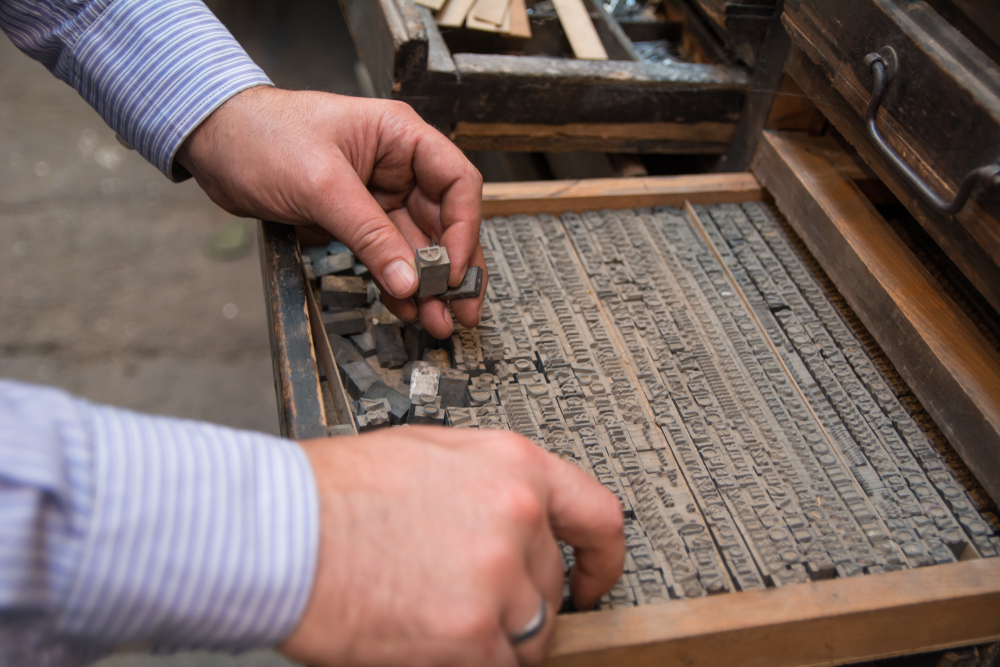
Typesetters were the unsung heroes of the printing world. You’d carefully arrange blocks of type—one letter at a time—to lay out newspapers, books, or flyers. It was detail-oriented work that demanded focus, patience, and an eye for spacing. Every line had to be straight. Every word had to be readable. It was like solving a puzzle in reverse. Some used hot metal machines, others worked with trays of tiny metal letters. Either way, it was a mix of craft and discipline.
Then came desktop publishing, word processors, and design software—and typesetting jobs started vanishing. Everything got faster, cleaner, and a lot less hands-on. But for those who worked in print shops or newsrooms, there was something satisfying about creating a physical page with your own hands. If you were a typesetter, you didn’t just print the news—you built it.
8. You had real hustle if you were a film projectionist in a movie theater.
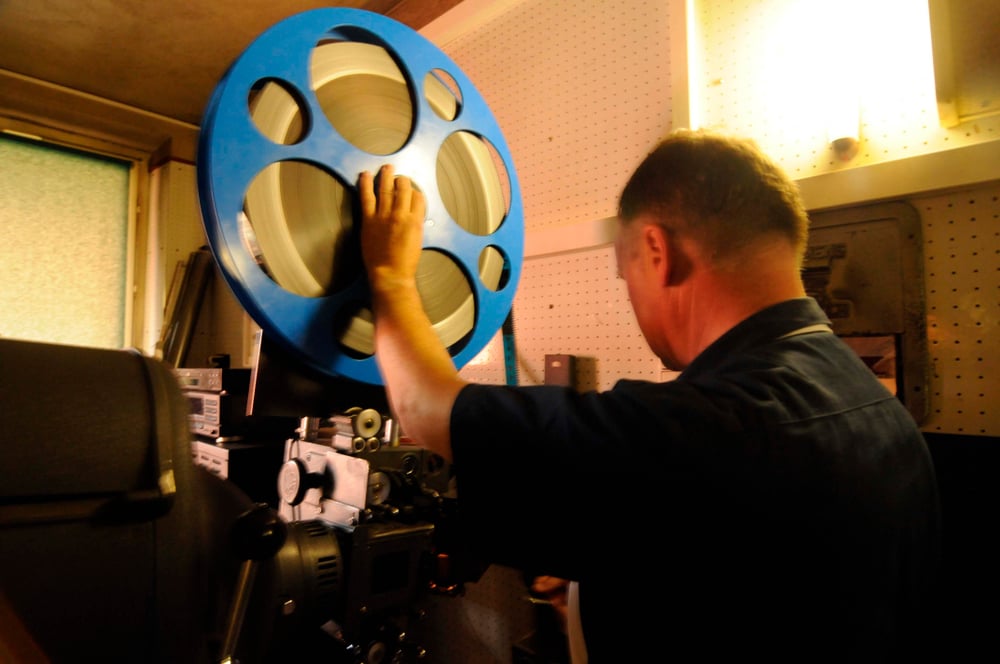
Being a film projectionist wasn’t just flipping a switch. You had to load reels, thread the film through the projector, adjust the focus, and switch reels seamlessly during a screening. It took practice and skill, especially when dealing with delicate film that could rip or melt if you made a mistake. A great projectionist could make or break a movie experience. The sound, the picture quality, the timing—it all came down to the person in the booth.
As digital projection took over, those big reels and splicing tools disappeared. Movies became files on a drive instead of strips of film. It’s a huge change that most people never noticed. But if you worked up in that projection room, you remember the hum of the machine, the flicker of light, and the satisfaction of a flawless show. You weren’t just showing a movie—you were delivering magic.
9. Being a travel agent once meant you held the keys to the world.

Before the internet made everyone their own travel planner, people turned to travel agents for everything—from booking flights to mapping out entire vacations. You sat across a desk, shared your dream destination, and the agent did the rest. They had access to deals, insider tips, and connections that the average person couldn’t touch. Travel agents often built long-term relationships with clients, planning honeymoons, family trips, and once-in-a-lifetime adventures. It was equal parts logistics and customer service.
As online booking sites took over, the role faded fast. Some agents still exist, mostly for luxury or corporate travel, but the everyday neighborhood travel agency is a rare sight. If you ever worked in one, you remember the wall of brochures, the thrill of printing out tickets, and the joy of sending someone off on their dream trip. It was personal, detailed work—and it made travel feel special.
10. You knew your math if you worked as a cashier before digital registers.
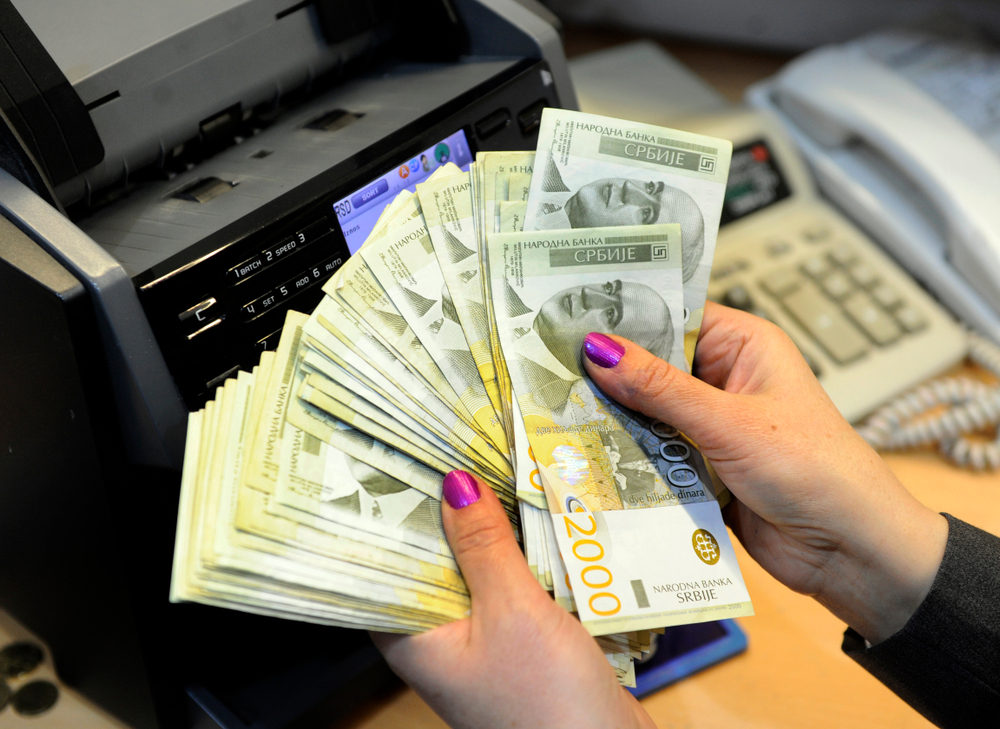
Long before barcodes and touchscreens, being a cashier meant doing real math on the spot. You had to know how to count back change, read price tags, and keep track of totals—all while dealing with a line of customers and a clunky metal register. It required quick thinking and a cool head, especially when the line stretched down the aisle. Cashiers knew regulars, managed coupons, and often memorized prices of common items.
The job wasn’t flashy, but it demanded skill. When computerized registers and self-checkouts came along, the job got simpler—but also less human. The need for mental math vanished almost overnight. Still, there’s a kind of pride in remembering how fast and sharp you had to be to keep things moving. If you worked that register before it beeped, you weren’t just taking money—you were running the show.
11. You had to be part magician to work as a television repairman.

Back when TVs were giant boxes filled with tubes and wires, a broken set didn’t mean tossing it out—it meant calling the repairman. These tech wizards showed up with toolkits and know-how, ready to open the back and bring the screen back to life. It took technical skill, steady hands, and a bit of trial and error. They’d fix static, weird colors, sound issues—you name it. It was often done in the customer’s living room, with curious kids watching every move.
But as TVs got cheaper and more complicated, it became easier to replace them than repair them. The job faded quickly. If you ever worked as one, you remember the satisfaction of fixing something people thought was dead. You weren’t just a technician—you were a savior of Saturday morning cartoons and family movie nights.
12. Being a door-to-door encyclopedia salesman took grit and charm.
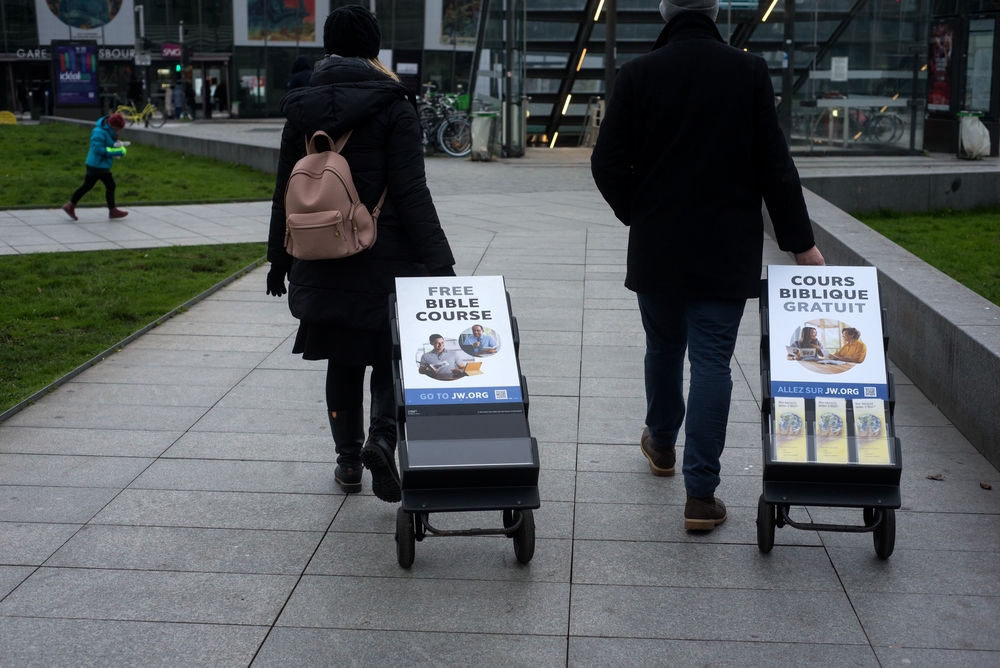
Selling encyclopedias door-to-door was the original hustle. You’d walk neighborhoods, knock on doors, and try to convince families that a shelf full of knowledge was worth the hefty price tag. It wasn’t easy—people slammed doors, made excuses, or asked for free samples. But when you made a sale, it felt like a triumph. These books weren’t just information—they were status symbols.
Parents believed buying them meant giving their kids a better shot at success. It took real charisma to sell them. With the rise of the internet, encyclopedias became outdated overnight, and the need for in-person sales vanished. If you ever carried those heavy sample books up countless front steps, you know what kind of persistence that job demanded. It wasn’t glamorous, but it built thick skin and sharp skills. You weren’t just selling books—you were selling a dream of knowledge.
13. You had to think on your feet if you worked as a stenographer in court.
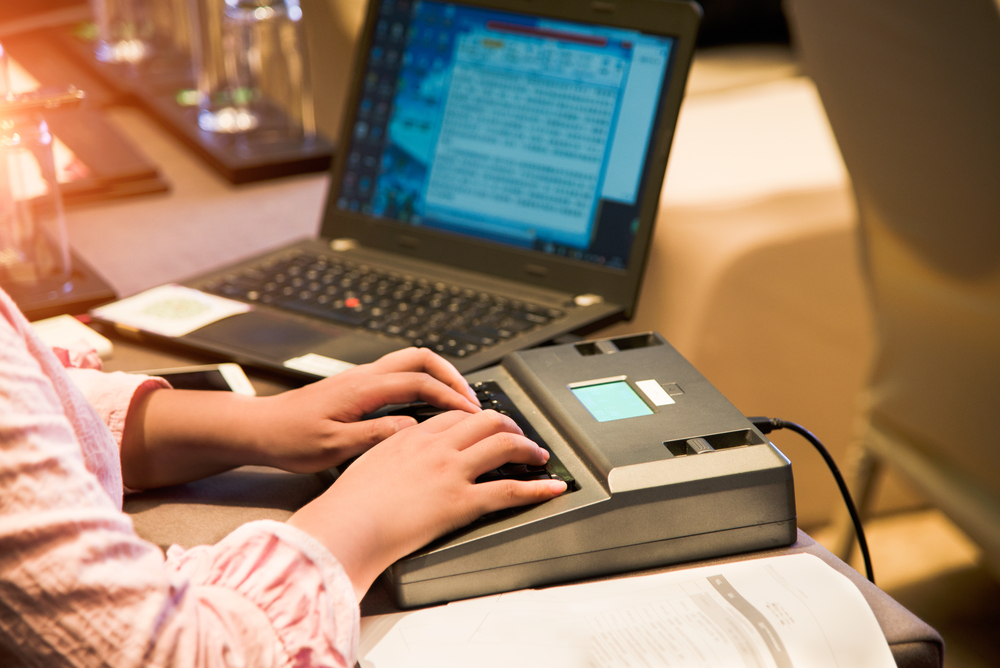
Before courtrooms had digital recorders, stenographers were responsible for capturing every word with lightning-fast precision. Using a special machine with shorthand keys, you had to listen, process, and type in real time without missing a beat. The job took months of training and intense concentration. You couldn’t zone out or ask someone to repeat themselves. Your fingers had to fly, and your brain had to keep up. Judges, lawyers, and witnesses relied on you to create the official record, and mistakes weren’t an option.
As voice recognition software improved, many stenographer positions were phased out or drastically reduced. It’s a behind-the-scenes job most people never noticed—unless you did it. If you sat in that little corner of the courtroom with your machine, you know what kind of focus and stamina it required. You didn’t just take notes—you captured history in real time.