
That dusty look on lettuce leaves often has a simple explanation.
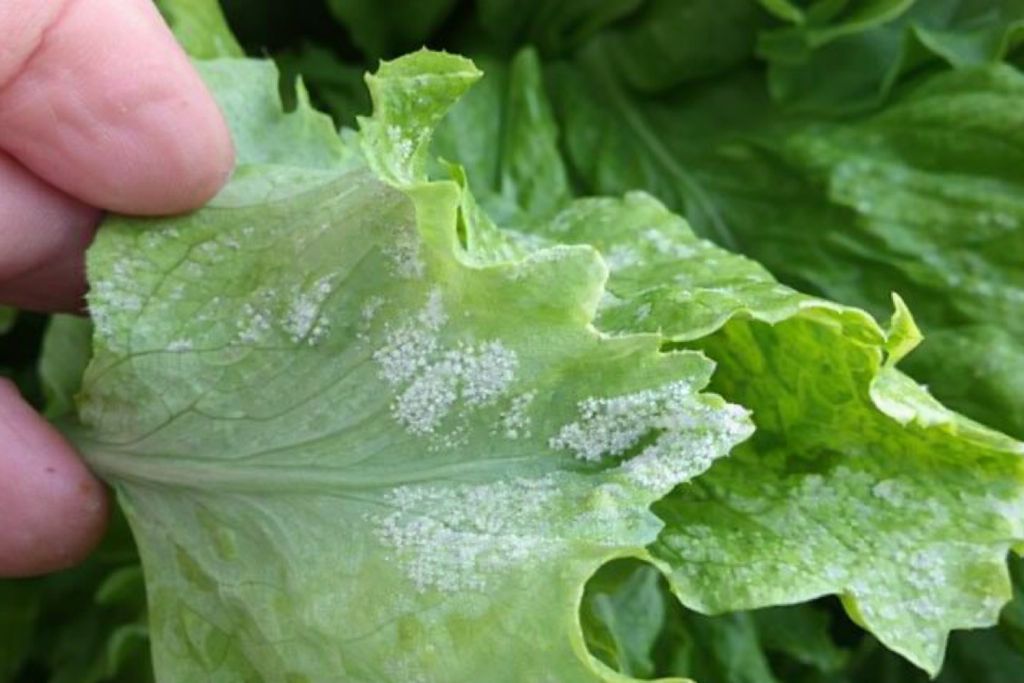
Seeing a white powder on fresh lettuce can stop you mid-salad prep. It looks suspicious, especially when food safety already feels complicated. Doctors, growers, and food inspectors see this concern often and say the meaning depends on texture, smell, and placement.
Sometimes the powder is harmless and expected. Other times it signals spoilage or contamination. Knowing the difference helps you decide quickly what belongs on your plate and what belongs in the trash.
1. Natural plant wax can dry into a white film.
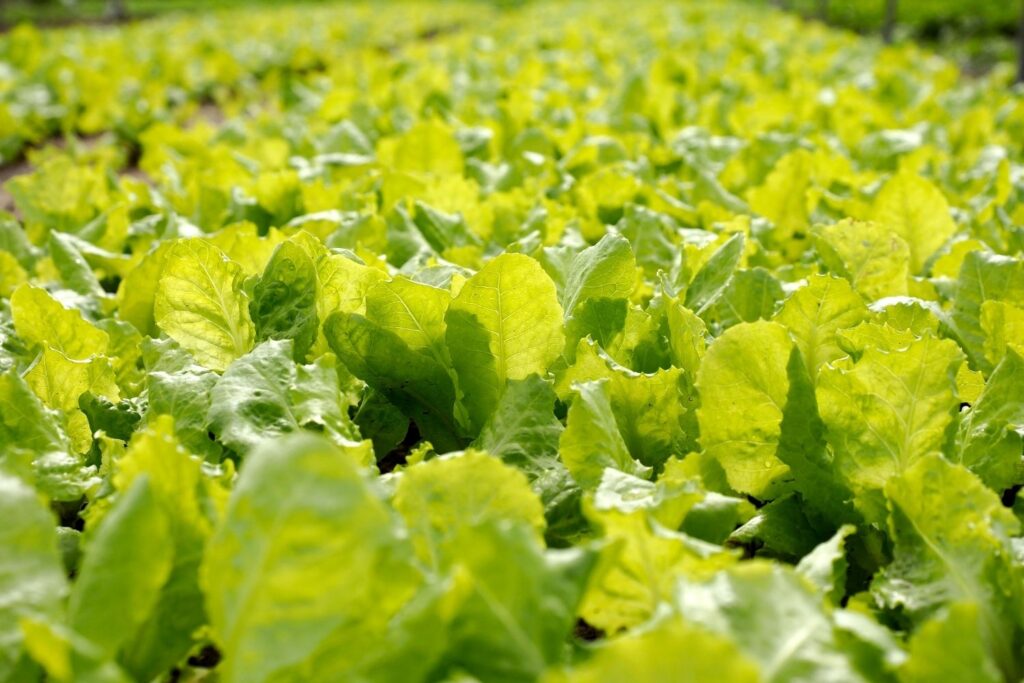
Lettuce produces its own protective wax to retain moisture and shield leaves during growth. As the lettuce ages or dries slightly, that wax can appear as a faint white powder.
Growers consider this normal, especially on romaine and leaf varieties. The powder usually feels smooth and disappears when rinsed. If the lettuce smells fresh and looks crisp, the wax itself is not a safety concern and does not affect taste.
2. Dehydration during storage leaves residue behind.

Cold storage and low humidity can pull moisture out of lettuce leaves. As water evaporates, natural plant compounds concentrate on the surface and form a powdery look.
This often happens near the edges or along the veins. Doctors and food experts say dehydrated lettuce is safe if no slime or odor is present. Texture may be less crisp, but thorough washing usually removes the residue without issue.
3. Dried latex sap can appear chalky.

Some lettuce varieties release a milky sap when cut or damaged. As it dries, the sap can turn white and powder-like.
This residue typically appears near the base or torn edges of leaves. It tastes slightly bitter but is not harmful. Washing removes most of it, though sensitive palates may notice bitterness even after rinsing.
4. Powdery mildew signals fungal growth.

Powdery mildew is a fungal disease that affects leafy greens. It appears as a fine white coating that clings stubbornly to the surface.
Unlike wax, mildew does not rinse away easily and may smell musty. Food safety experts recommend discarding lettuce with visible mildew. While mild exposure is unlikely to cause serious illness, the quality and safety are compromised.
5. Pesticide residue may leave a faint dusting.
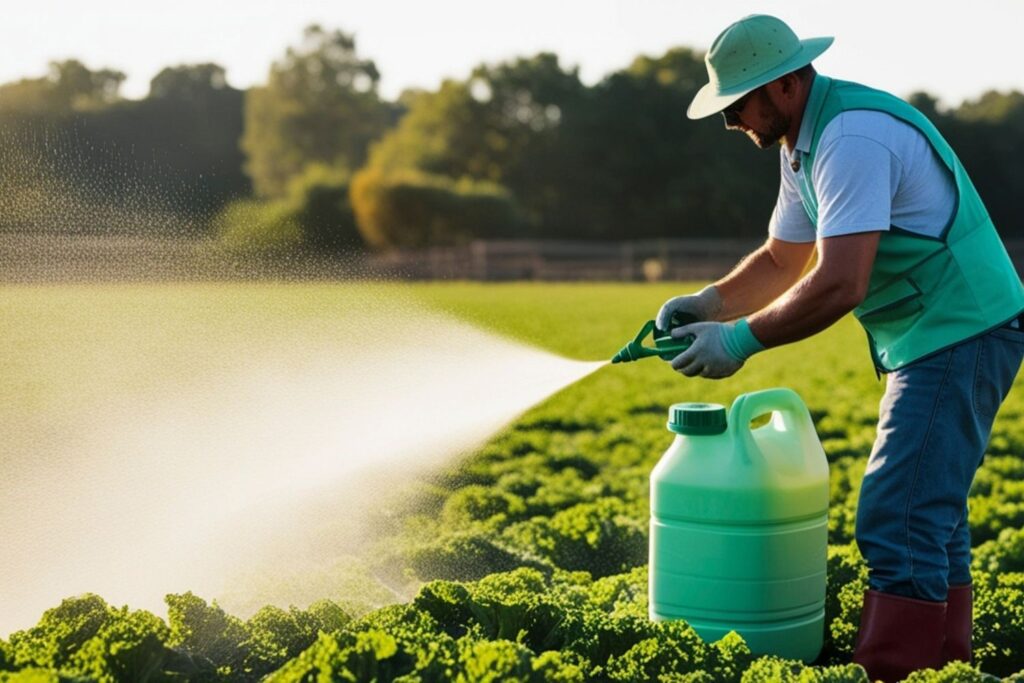
Some pesticides dry into a visible residue, especially if lettuce was not thoroughly washed before packaging. The powder can appear uneven and feel gritty.
Regulatory agencies allow trace residues within safety limits. Washing under running water reduces exposure significantly. If residue remains heavy or uneven after washing, choosing another head of lettuce is the safer option.
6. Calcium buildup from irrigation water can settle on leaves.
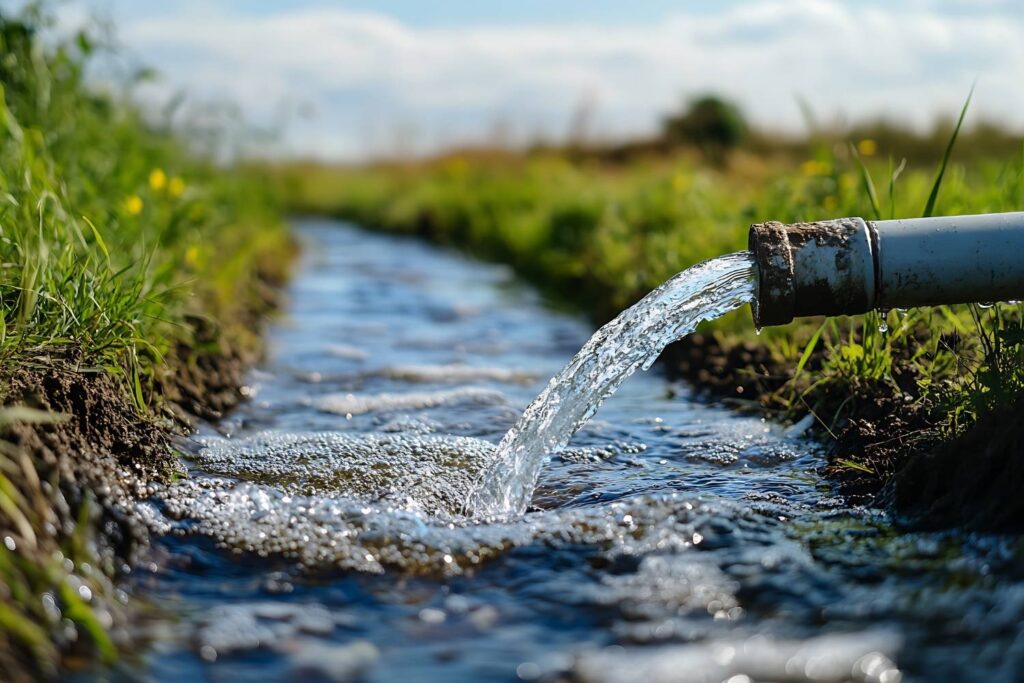
Hard water used during irrigation sometimes leaves mineral deposits behind. Calcium salts can dry into a white, powdery coating.
This residue usually feels chalky and washes off easily. It poses no health risk but may slightly dull the appearance of the lettuce. Rinsing thoroughly restores normal texture and taste.
7. Refrigeration burn can create surface changes.

Extended refrigeration can damage delicate lettuce cells. As cells break down, moisture escapes and surface compounds crystallize into a powdery film.
This often accompanies wilting or browning edges. Food safety professionals say refrigeration burn affects quality more than safety. Texture suffers first, making the lettuce less enjoyable even if still edible.
8. Mold spores can settle after packaging damage.
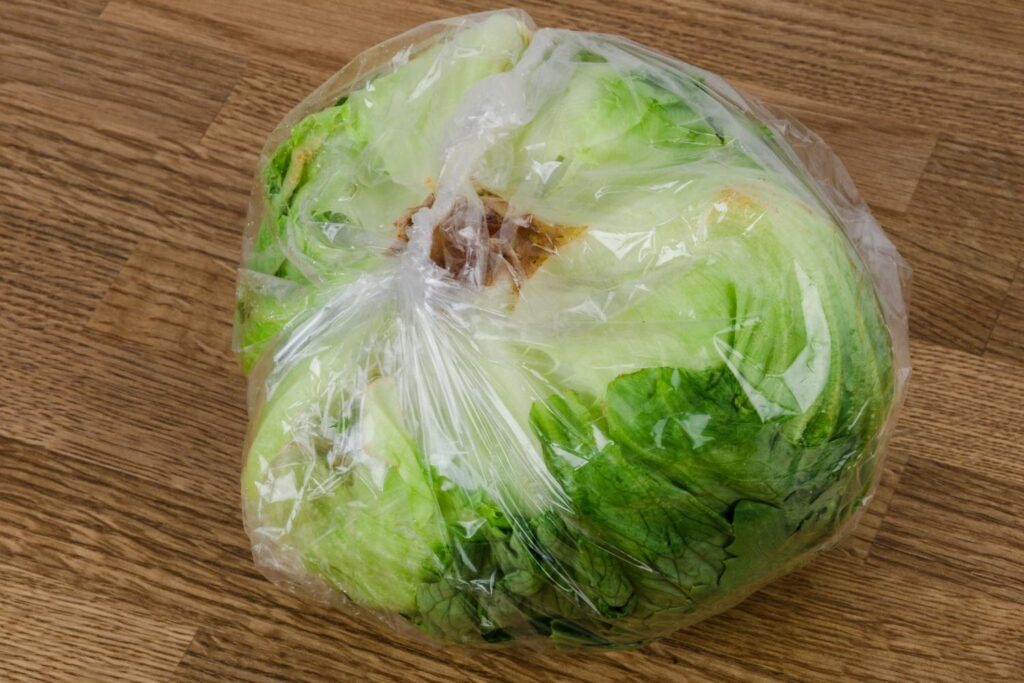
Tiny tears in packaging allow airborne mold spores to land on lettuce surfaces. Early mold growth may appear powdery before turning fuzzy.
This type of powder often clusters in one area. Experts advise discarding lettuce if mold is suspected, even at an early stage. Mold spreads invisibly beyond what the eye can see.
9. Cross contamination during handling can leave residue.

Processing facilities handle many foods in close proximity. Flour, starch, or cleaning agents can accidentally transfer onto produce surfaces.
The powder may appear in odd patches and rinse away easily. Washing thoroughly removes harmless residues, but strong chemical smells signal contamination. In those cases, discarding the lettuce avoids unnecessary risk.