
When that old-school phone line quietly becomes your safety net.
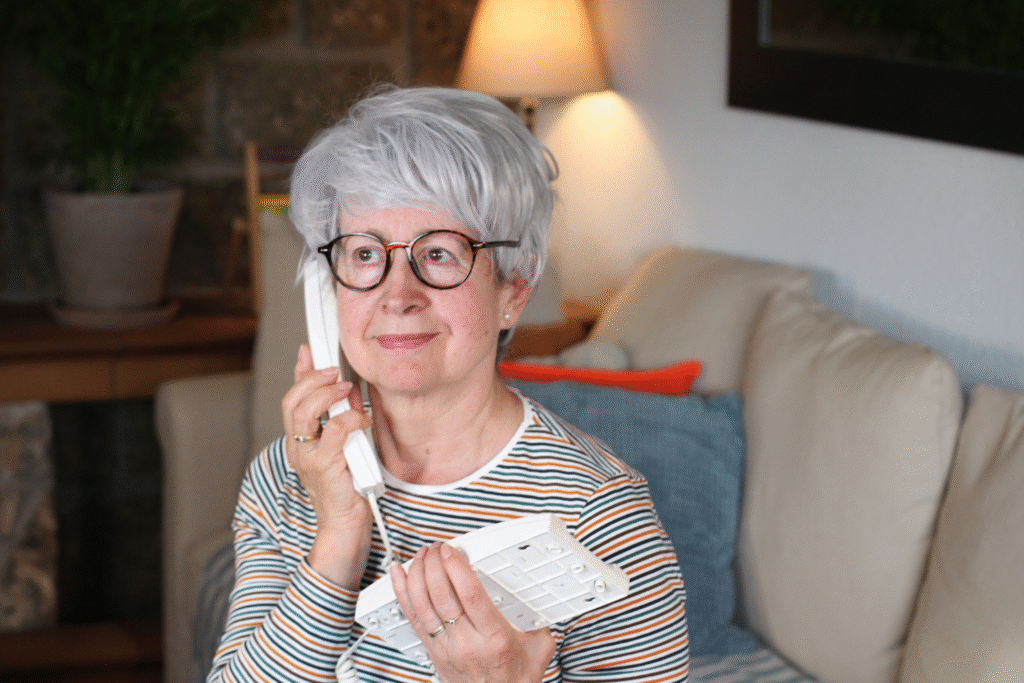
Landline phones might seem obsolete, but research shows they still shine in certain situations. According to a recent guide, landlines remain more reliable during power outages or major service disruptions, and their corded connection offers a stable alternative when mobile phones fail.
It’s when smartphones go silent that the humble home phone suddenly looks very smart. Below are nine moments when people often wish they still had a landline ready.
1. During a power outage that knocks out battery-dependent devices.

Mobile phones might keep working if the grid is live, but when electricity goes out, many users lose access to charging points and Wi-Fi. A landline connected via traditional wiring often stays active because it draws power from the telephone network itself, not the home circuit. In emergency planning guides, experts highlight landlines as a dependable line of communication when everything else fails.
That reliability becomes tangible during storms or blackouts. When the mobile signal fades and the house is dark, picking up that corded phone can feel like a lifeline. It’s less high tech—but the simplicity is often what saves the day.
2. When you’re experiencing a major mobile network outage.

Cellular networks occasionally face technical faults, congestion, or infrastructure damage that affect large regions of users. While smartphones rely on cell towers and data links, a landline bypasses most of those vulnerabilities. Tech articles note that landlines offer an alternative path when the cellular system falters.
If your family depends on a single mobile plan or you live in a region with weak signal, having a different kind of phone makes sense. The moment your phone shows “no service” and calls don’t go through, the landline can act as a backup without you needing to scramble.
3. When children need to make a safe call without a mobile.

One parenting blog points out that a landline placed in the home can let kids call home, friends, or emergency contacts without needing their own smartphone. It offers oversight, reliability and fewer distractions. Using a fixed home phone means the device stays in one place and can be monitored more easily.
This can give both kids and parents peace of mind. The child knows they can reach someone without relying on a mobile plan, and the parent knows the device is accessible without being lost in a backpack or forgotten in the car.
4. In rural or remote locations where cellular signal is weak.
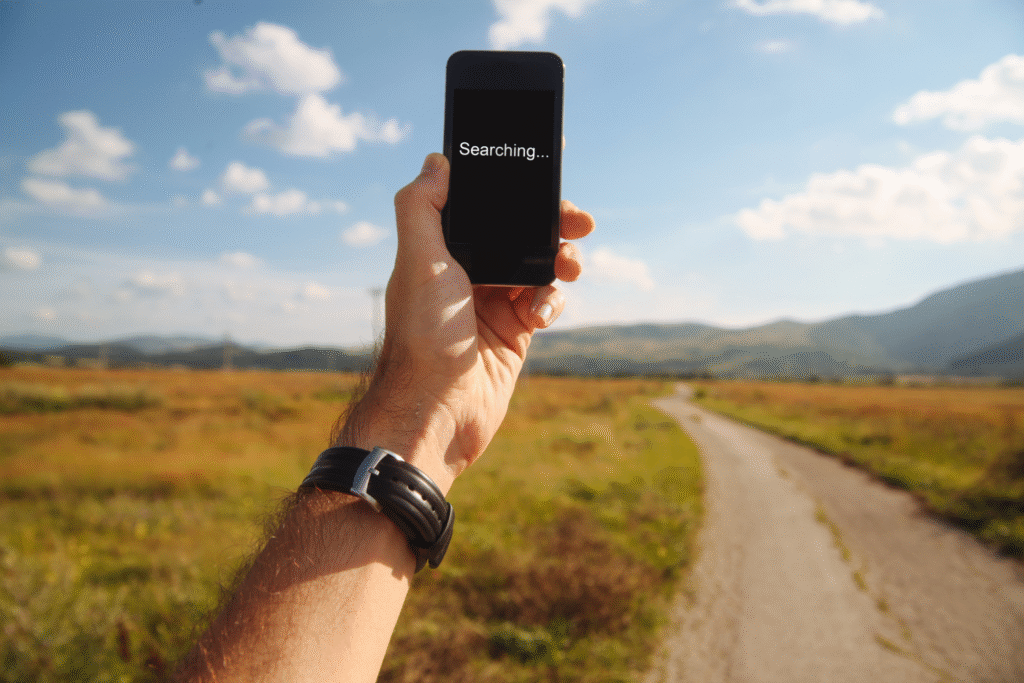
Some homes aren’t well covered by cell towers, and indoor connections may drop easily. In these cases, a landline provides better stability because it uses wired infrastructure rather than radio frequency. Guides to telecommunications for remote areas recommend keeping a home phone for voice calls if mobile reliability is uncertain.
If your property is outside major network footprints or has thick walls/terrain that block signal, the landline acts as a communication anchor. It’s not glamorous—but for your everyday life it can mean fewer frustrations and more access when you need it.
5. When installing a home security or medical alert system.
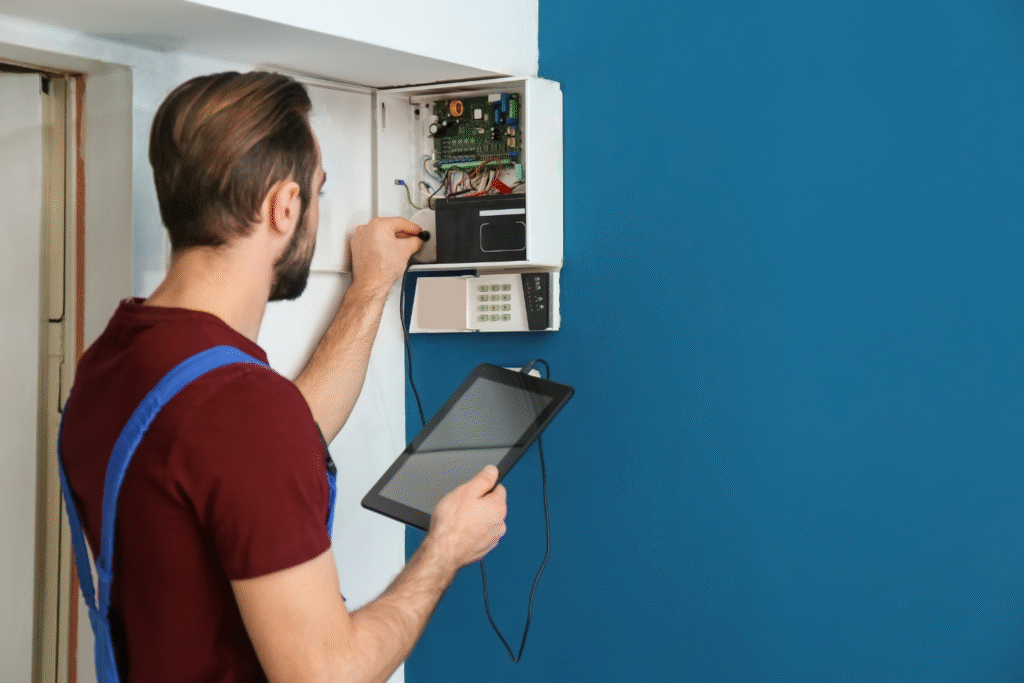
Many alarm systems, medical-alert pendants and emergency-response devices still support or even prefer landline connections because of their stability and minimal maintenance needs. Consumer tech reviews confirm that wired phone lines reduce downtime risks compared with wireless modules.
For older adults, those systems become safety tools, not just luxuries. If you’re considering a monitored medical alert or fall-detection service, the landline-enabled version may offer fewer false alarms, fewer battery issues and a consistent voice link during critical moments.
6. When you’re making a call and don’t want battery life anxiety.

Smartphones are incredibly useful until the battery hits red. A corded landline doesn’t ask you to tap “low-battery” or worry about chargers. Lifestyle outlets mention how, surprisingly, the landline becomes reassuring precisely because you don’t have to keep worrying about power.
That matters if you’re staying late, monitoring a loved one, or just don’t want the extra stress of “Will my phone stay alive for this call?” With a landline you pick up and you’re connected. End of story.
7. When you need a communal-space device for shared use.

In households with multiple people, a landline in a common area becomes a shared resource that doesn’t rely on individual phones. Parenting guides highlight this benefit—kids call upstairs, parents call kids, the phone is just there. It works without each person needing their own device.
This arrangement supports communication and accessibility. Rather than assuming everyone carries a smartphone, it ensures there’s a “home line” when someone is at the door, helping with homework, or just wants a voice call without grabbing their phone.
8. When older adults prefer simplicity and fewer tech distractions.

Many seniors find smartphones overwhelming; a landline offers simplicity. One culture piece captures this: “I have a landline—I love the landline!” In that tone. For older users, the physical handset, cord and consistent number provide familiarity and independence.
Rather than wrestling with apps, updates and touchscreens, the choice of a landline cuts the complexity. It reassures rather than alienates. If you or someone in your home values that kind of trust in a device, the landline may still make sense.
9. When you’re expecting calls during large-scale emergencies.

In natural disasters, massive gatherings or evacuation orders, telecommunications networks get stressed—even cell towers and internet can falter. Analysts note that landlines are less dependent on local power and mobile cell sites, which means they often remain more resilient when infrastructure fails.
If you’re in a storm-prone zone or expect to be reachable when things go wrong, a landline may serve as your fallback. It doesn’t guarantee connectivity, but it provides a different mode—one less affected by certain types of breakdowns.