
Seniors are switching to plant-based meats, but is it a healthy choice or hidden risk?

Plant-based meats are everywhere these days, showing up in grocery aisles and restaurant menus, promising a healthier alternative to traditional meat. But are they really better for seniors, or do they come with risks no one talks about? As we age, our bodies have different nutritional needs, and what works for younger folks might not work the same way for us.
Let’s break down the health concerns and surprising benefits you might not expect.
1. Plant-based meats can help lower cholesterol levels.

One major benefit of plant-based meats is their potential to lower cholesterol, which is a big deal for seniors managing heart health. Unlike animal products, these alternatives typically contain little to no cholesterol. Instead, they’re packed with fiber—something real meat doesn’t offer. Fiber helps manage cholesterol by binding to it in the digestive system and flushing it out of your body.
According to Georgia Institute, plant-based meats often include healthy fats from sources like coconut or canola oil. These fats can support heart health better than the saturated fats found in red meat. If heart disease runs in your family or you’re watching your cholesterol numbers, swapping out a few meat-based meals for plant-based options could make a noticeable difference.
2. High sodium content in plant-based meats can be a hidden danger.
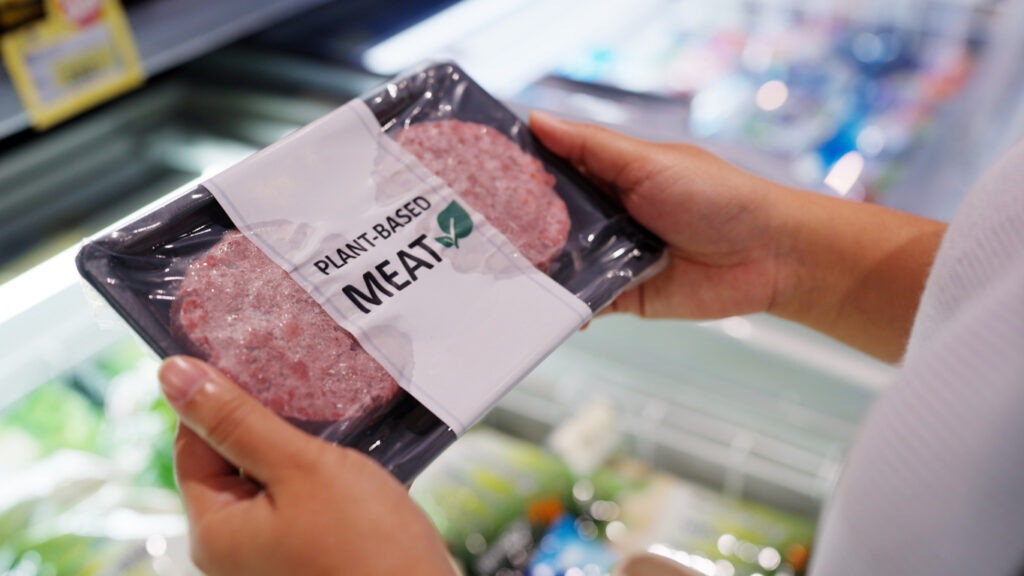
Many plant-based meats pack a surprising amount of sodium, which can be problematic for seniors dealing with high blood pressure. While the packaging promotes health benefits, the fine print often reveals sodium levels that rival processed snacks. This added salt helps improve flavor and shelf life, but it can sneak up on you if you’re not checking labels.
Too much sodium increases the risk of hypertension, heart disease, and even kidney issues. If you’re watching your salt intake, it’s essential to compare brands and opt for those with lower sodium content. Pairing plant-based meats with fresh vegetables and whole grains can help balance your meal and reduce the overall sodium load.
3. Potential link to higher depression risk in vegetarians.

Recent studies suggest a concerning link between processed meat substitutes and mental health. According to an article on Healthline, vegetarians who consume a high amount of processed meat substitutes face a 42% higher risk of depression compared to those who don’t. While this study focuses on vegetarians, seniors who rely heavily on these products may want to consider the potential mental health implications.
The exact cause of this link isn’t fully understood, but it may relate to nutrient deficiencies or the impact of additives found in processed foods. If you’re incorporating plant-based meats into your diet regularly, it might be wise to balance them with whole, nutrient-dense foods to support both physical and mental well-being.
4. Some plant-based meats contain questionable additives.
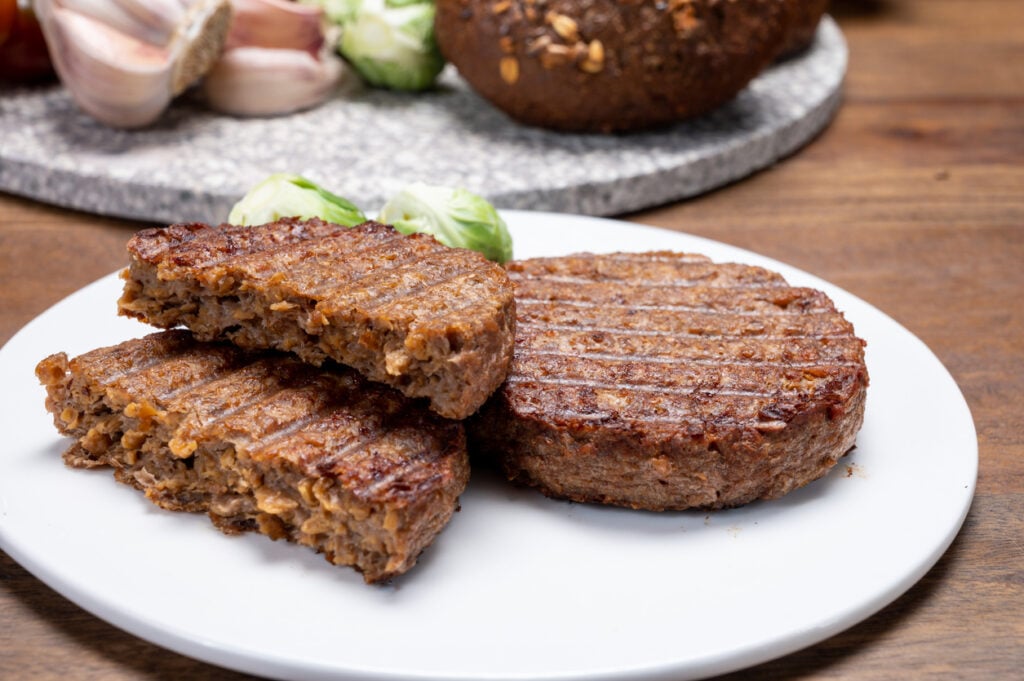
Not all plant-based meats are created equal. To mimic the taste and texture of real meat, some brands add artificial flavors, colorings, and preservatives. One common additive is methylcellulose, which helps create a meat-like texture but can cause digestive discomfort for some people. While generally recognized as safe, methylcellulose may lead to bloating, gas, or even laxative effects in sensitive individuals.
It’s smart to read the ingredient list carefully. Look for products with simple, recognizable ingredients and avoid those loaded with fillers or chemicals. If you have food allergies or digestive issues, consult with your doctor to ensure these products won’t interfere with your health.
5. Plant-based meats can help with weight management.

For seniors looking to manage their weight, plant-based meats can be a helpful option. They tend to have fewer calories and less saturated fat than traditional meats, making it easier to maintain a healthy weight. Plus, the high fiber content helps you feel full longer, reducing the temptation to snack unnecessarily.
Maintaining a healthy weight reduces the risk of chronic conditions like diabetes, heart disease, and joint problems. By swapping out calorie-dense meats for plant-based options, you can enjoy satisfying meals without overloading on unhealthy fats or excess calories.
6. They may lack certain essential nutrients found in real meat.

While plant-based meats offer some health perks, they may fall short in providing essential nutrients like vitamin B12, iron, and zinc—nutrients that are naturally abundant in animal products. Vitamin B12 is especially important for seniors, as deficiencies can lead to fatigue, memory issues, and nerve problems.
Many plant-based products are fortified with these nutrients, but absorption rates can vary. If you rely heavily on plant-based meats, consider supplements or dietary adjustments to ensure you’re meeting your nutritional needs. Regular check-ups with your doctor can help monitor any potential deficiencies.
7. Reduced risk of foodborne illnesses compared to animal meat.

Plant-based meats carry a lower risk of foodborne illnesses like salmonella or E. coli, which are often linked to undercooked or contaminated animal products. For seniors with weaker immune systems, avoiding these risks can be a significant advantage.
While proper food handling is still necessary, plant-based products generally offer a safer option, especially if you prefer your food on the rarer side. This peace of mind can be reassuring, knowing you’re less likely to face a foodborne illness from a plant-based burger.
8. They may cause digestive discomfort for some people.

While fiber is beneficial, the high fiber content in some plant-based meats can cause digestive discomfort, especially if your body isn’t used to it. Ingredients like soy, legumes, certain plant proteins, and additives like methylcellulose may lead to bloating, gas, or upset stomach in sensitive individuals.
Start by introducing plant-based meats gradually into your diet. Drinking plenty of water and pairing them with fiber-rich vegetables can help ease digestion. If discomfort persists, experimenting with different brands or ingredients might help you find a product that agrees with your system.
9. Plant-based meats are rich in fiber, which supports digestive health.

Fiber is a key nutrient that many seniors lack, and plant-based meats can help fill that gap. Unlike animal meats, which contain zero fiber, these plant-based alternatives often include ingredients like peas, beans, and soy, which are naturally high in fiber. This can improve digestion, reduce constipation, and promote regular bowel movements.
A fiber-rich diet also supports a healthy gut microbiome, which plays a role in everything from immune function to mental health. Seniors often face digestive slowdowns as they age, so incorporating plant-based meats can be a tasty way to boost fiber without drastically changing your diet.
10. They support environmental sustainability, which benefits future generations.

Choosing plant-based meats isn’t just good for your health—it’s also a win for the planet. Producing plant-based proteins requires fewer resources, such as water and land, and generates less greenhouse gas emissions compared to traditional meat production. This environmental benefit can feel meaningful, especially when thinking about the world we leave behind for our grandchildren.
Knowing that your food choices contribute to a healthier planet can add an extra layer of satisfaction to your meals. It’s a small change that can make a big impact, aligning personal health goals with broader environmental consciousness.
11. Cost can be a barrier, but strategic shopping helps.
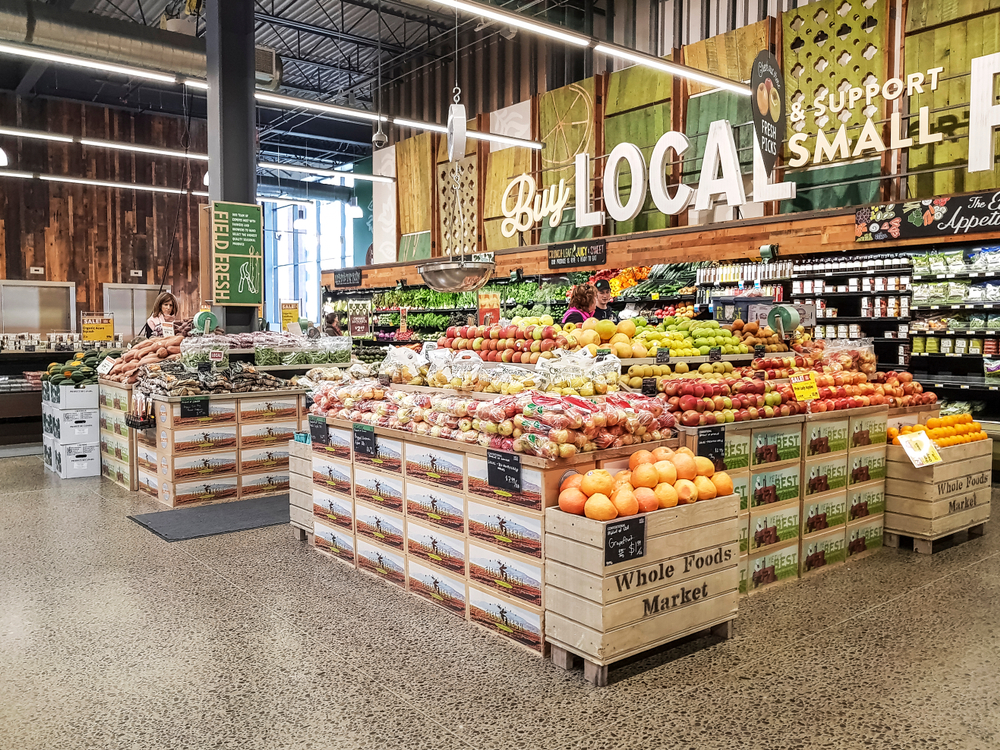
One downside to plant-based meats is their cost, which can be higher than traditional meat. For seniors on a fixed income, this price difference can be a deciding factor. However, sales, bulk purchases, and comparing different brands can make these products more budget-friendly.
Consider mixing plant-based meats with budget-friendly whole foods like beans, lentils, and grains to stretch your dollar further. Over time, as demand grows, prices may become more competitive, making it easier to incorporate these options regularly without breaking the bank.