
Stop letting his penny-pinching ways ruin your happiness, and learn how to take back control.

Living with someone who views every purchase as a moral dilemma can feel like walking through a financial minefield. You tiptoe around lattes and hesitantly replace worn-out shoes, constantly bracing for the next lecture. Yet you deserve more than guilt-ridden scrimping; you deserve a life that balances practicality with pleasure. By acknowledging his frugality, setting compassionate boundaries, and injecting a bit of lighthearted strategy into your relationship, you can transform money talks from tense standoffs into cooperative planning sessions.
Armed with humor, thoughtful tactics, and a dash of empathy, you’ll learn how to honor both his thrift and your need for occasional splurges. These thirteen strategies will help you find equilibrium—so you can sip your latte, buy those shoes, and still keep your partnership intact.
1. Don’t Let Him Turn You Into a Coupon Queen
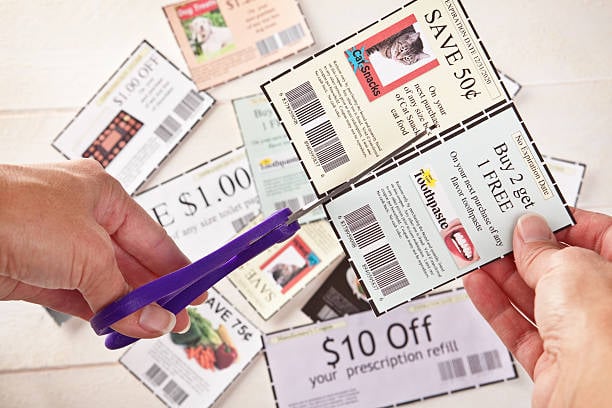
If he expects you to scour every circular and clip coupons as if you’re training for an Olympic event, it’s time to draw a gentle line. Your time and energy have inherent value—more than the two cents you might save on toothpaste, according to Jennifer Jacobsen Schulz at Marriage.com. Remind him, with a touch of warmth, that squirreling away hours hunting deals shouldn’t replace quality moments together or your own self-care.
Rather than battling over coupon folders, suggest designating specific “deal days” when you both agree to hunt bargains. That way, savings happen on your terms—not as a constant chore. You’ll preserve your weekends, protect your sanity, and still enjoy the occasional thrill of a good find.
2. Call Out the Double Standards (Lovingly, of Course)

It stings when he splurges on his golf gear yet balks at your moisturizer. Instead of stewing in resentment, shine a compassionate light on the imbalance, as mentioned by Karin Gepp at Psych Central. Frame it playfully—“I love that you treat your clubs like royalty; can my shoes get a throne too?”—so he sees the inconsistency without feeling accused.
This lighthearted nudge opens the door for honest conversation about shared priorities. When he realizes that both your hobbies deserve respect, you’ll foster mutual understanding. A little humor can diffuse defensiveness and lead to a fairer approach: equal spending privileges for both partners.
3. Start a “Fun Fund” Just for Yourself

If every dollar feels like it’s under surveillance, carve out a secret stash earmarked for your treats. Slip a small, fixed amount into an envelope or separate account each month—no explanations required. This private fund becomes your financial cushion, letting you indulge guilt-free on spa days, those shoes you’ve been eyeing, or a spontaneous coffee date, as stated in an article by Haliley Magee on her website.
Knowing you have dedicated fun money reduces tension around shared expenses. He can stick to the budget, and you get the freedom to savor life’s little luxuries. It’s a win-win: your joy stays intact, and he never feels pressured to green-light every purchase.
4. Give Him a Taste of His Own Medicine

Sometimes a gentle nudge requires a playful role reversal. The next time he suggests forgoing takeout in favor of last week’s leftovers, mirror his suggestion: “Hey honey, how about date night in front of the fridge?” His puzzled look might spark a conversation about balance in how you both treat money.
This strategy isn’t about shaming; it’s about empathy. By flipping the script, he experiences the pinch you feel and gains insight into your perspective. Whether he laughs it off or reflects seriously, you’ll have planted seeds of mutual understanding.
5. Budget Together, So You Both Have a Say

Money battles often stem from misaligned expectations. Transform finance discussions into a collaborative project: grab a notebook, brew some tea, and draft a budget that allocates specific “fun money” for each of you. When both partners see the plan—and agree on categories like groceries, bills, and treats—you share ownership of the outcome.
Working side by side turns financial planning into teamwork instead of a tug-of-war. You’ll both celebrate sticking to limits and enjoy guilt-free splurges, knowing they were part of an agreed-upon plan. Partnership becomes the guiding principle, not penny-pinching versus spending.
6. Appeal to His Inner Accountant

If spreadsheets make his heart race, speak his language. Show him how spending on self-care or experiences actually offers returns—reduced stress, better health, greater productivity. Pull together simple charts or bullet points illustrating how a spa day can boost morale for weeks or how investing in quality shoes prevents frequent replacements.
Framing expenditures as “investments with ROI” shifts the conversation from frivolous spending to strategic allocation. When he sees the numbers backing your case, he may be more open to allocating a slice of the budget for things that nurture your happiness—and the health of your relationship.
7. Propose a “Spend-Free” Zone

Designate a category—coffee runs, wardrobe updates, hobby supplies—as your “no-guilt” zone. Make clear that within this zone, you both agree to forgo lectures or second-guessing. By setting this boundary, you protect your ability to enjoy small pleasures without fear of criticism.
Respecting each other’s zones strengthens trust. He knows you won’t berate his own cherished indulgences, and you know he won’t question yours. This mutual respect fosters goodwill, ensuring that budget boundaries feel fair rather than restrictive.
8. Turn His Frugality Into a Game

Challenge him to see how much joy you can derive from a modest splurge. Propose a $20 date night or a homemade gift swap. Give it a playful name—“Operation Maximum Fun per Dollar”—and track your adventures on a whiteboard or app.
Converting thrift into a shared activity makes frugality feel like an opportunity for creativity rather than deprivation. You bond over brainstorming budget-friendly thrills, and he gains pride in orchestrating memorable experiences without breaking the bank.
9. Make It About Quality, Not Quantity

Sometimes his tight grip on spending stems from misunderstanding long-term value. Educate him—gently—on how investing in a sturdy pair of boots or a reliable kitchen appliance can save money by reducing replacements and repairs. Share examples from friends or online reviews that underscore durability’s cost-efficiency.
When he sees that spending slightly more now prevents repeated purchases later, he’ll appreciate the logic. Framing quality as a savvy financial choice reframes the narrative: you’re not spending frivolously, you’re optimizing resources together.
10. Remind Him That Memories Matter More Than Money

Gently redirect his focus from bank balances to life experiences. Suggest a weekend road trip or a family outing, and explain how shared adventures foster connection and lifelong memories. Show him old photos or reminisce about past trips to illustrate how those moments far outshine material savings.
Positioning experiences as investments in your relationship—and your family’s story—makes it easier for him to open his wallet. Memories, after all, don’t depreciate; their value grows over time, enriching your bond in ways pennies never could.
11. Use Humor to Diffuse the Tension

When he launches into a lecture about your latest purchase, respond with a lighthearted quip: “I’ll balance my lipstick budget by canceling your snack stash!” Humor signals that you hear his concerns without turning every money talk into combat. It keeps the mood playful rather than fraught.
By laughing together, you dissolve defensiveness and invite a more relaxed dialogue. Shared laughter reminds you both of the warmth and affection at the heart of your marriage—even when the topic is tight budgets.
12. Don’t Let His Frugality Kill Your Social Life

If he vetoes every dinner invitation or outing, remind him that friendships nourish your well-being. Suggest cost-effective alternatives—potlucks, game nights, coffee shops with happy hours—and offer to cover your share. This shows you value both companionship and fiscal responsibility.
Maintaining social connections benefits you both: you return home happier and he can feel confident you’re not overspending. Cultivating your support network ensures that his thrift doesn’t isolate you from the people who matter.
13. Learn to Pick Your Battles (and Let Some Things Go)

Not every skirmish deserves your energy. If he insists on PB&J road-trip lunches or skipping the movie theater, consider whether it’s worth a debate. Save your advocacy for the expenses that truly matter—like that tropical vacation you’ve been dreaming of.
Practicing selective compromise fosters goodwill. He’ll respect your passions more when you choose your moments wisely. And who knows? His frugality might mean you never have to stress about running out of toothpaste again.