
Discover timeless money-saving strategies from the Baby Boomer generation that are just as effective in today’s world.

Baby Boomers were raised in a time when financial restraint wasn’t just a virtue—it was often a necessity. Many came of age during economic downturns or under the watchful eye of Depression-era parents, which shaped their resourceful, frugal ways. They learned how to stretch a dollar, reduce waste, and live well without overspending. These weren’t simply temporary tactics; they became lifelong habits rooted in practicality and self-reliance.
1. Cooking meals at home saves money and brings people together.

Boomers made home-cooked meals the norm, not the exception. Preparing food from scratch wasn’t just about nutrition or taste—it was a powerful way to reduce household expenses. Groceries were purchased strategically, meals were planned with care, and leftovers became a staple rather than waste. This habit allowed families to stretch their budget while enjoying healthier, more personalized meals. Today, cooking at home can cut food spending by hundreds each month while helping us avoid the high costs of takeout and restaurants.
But the value goes beyond the dollars saved. Sitting down together at a family table promotes connection, storytelling, and tradition. Passing down recipes, involving kids in meal prep, or even batch cooking for the week fosters a sense of purpose and togetherness. Households that frequently cook at home spend significantly less on food overall, making this one of the most cost-effective habits still in practice today, as reported in Bureau of Labor Statistics.
2. Using cash instead of credit helps control spending.
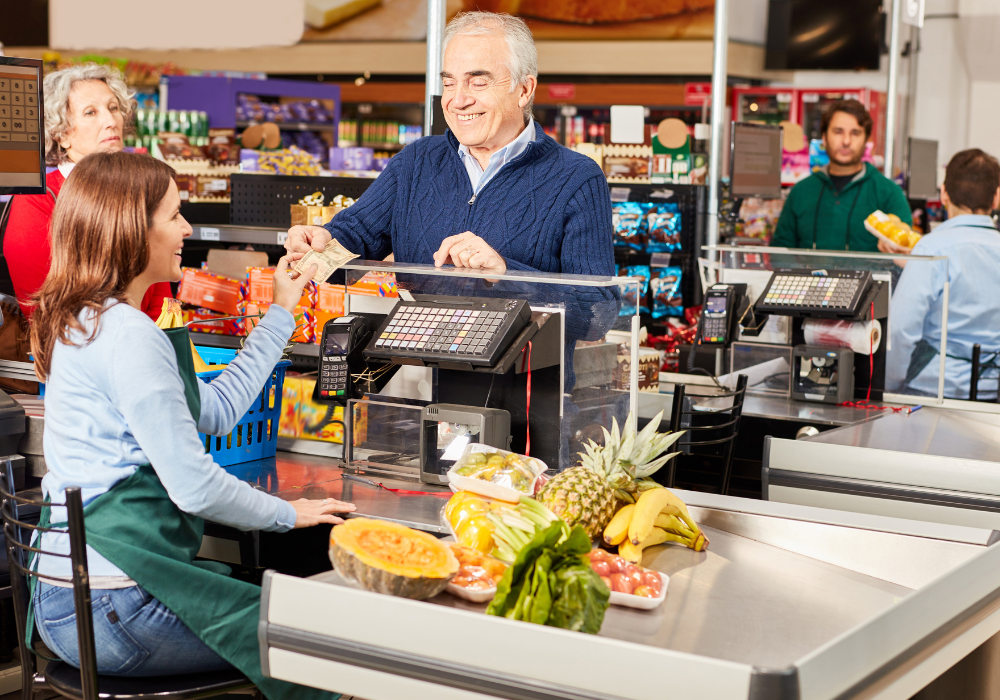
Baby Boomers didn’t rely on plastic to fund their everyday lives. Instead, they used physical cash as a tool for discipline and budgeting. Paying with cash creates a stronger psychological awareness of money leaving your hands, which helps curb impulse spending. Setting aside a weekly envelope for discretionary expenses—like entertainment, dining, or personal items—can keep spending in check. You instantly know when the limit is reached, unlike the often-invisible boundary of a credit card limit.
This tactile method of managing money encourages more deliberate choices. It’s a simple way to build financial awareness and break the cycle of debt. Many people who return to cash budgeting find they save more simply because they’re less tempted to buy what they don’t truly need. Studies continue to show that people spend less when using cash instead of credit, making this time-tested Boomer habit more relevant than ever, as stated at Forbes.
3. Repairing and reusing items instead of replacing them reduces costs.
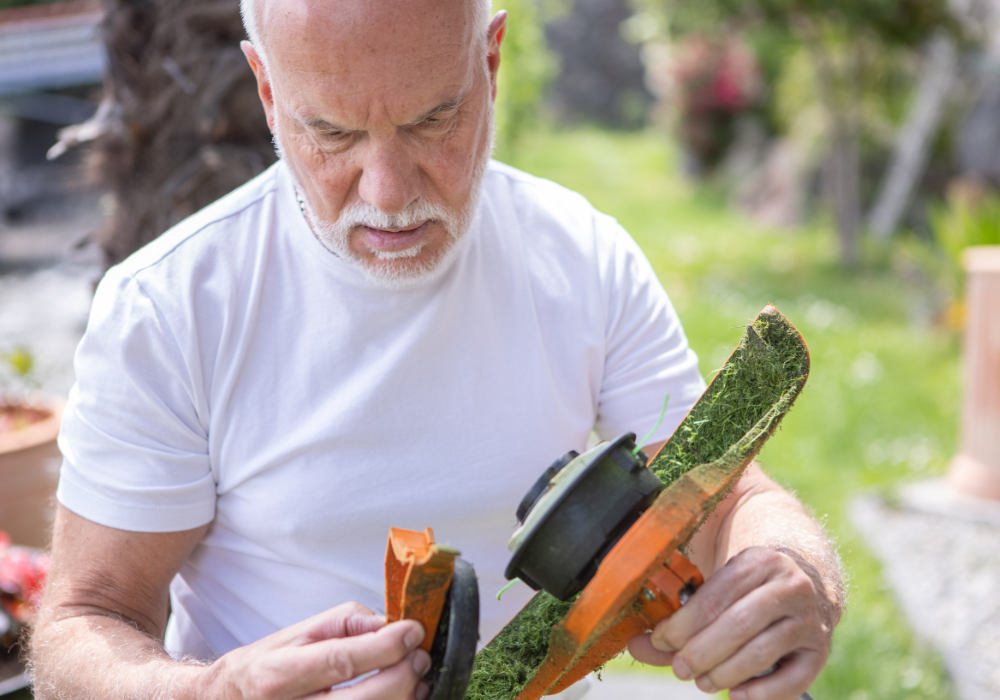
Fixing what’s broken was practically a badge of honor for Baby Boomers. Whether it was re-stitching a shirt, gluing a broken chair, or replacing a fuse in a household appliance, the reflex to repair rather than discard was ingrained. Learning to handle basic repairs saved money and gave a longer life to items that still had utility. Even now, sewing a torn seam or reusing old containers instead of tossing them can lead to significant savings over time.
This mindset also aligns beautifully with today’s emphasis on sustainability. Choosing to reuse items instead of sending them to landfills reduces environmental waste and promotes conscious consumption. Workshops, online tutorials, and repair cafes now help people re-learn these lost arts. Repairing just one major household item instead of replacing it can save up to hundreds of dollars annually, underscoring the value of this Boomer legacy, as mentioned at Earth911.
4. Shopping secondhand stretches your budget further.
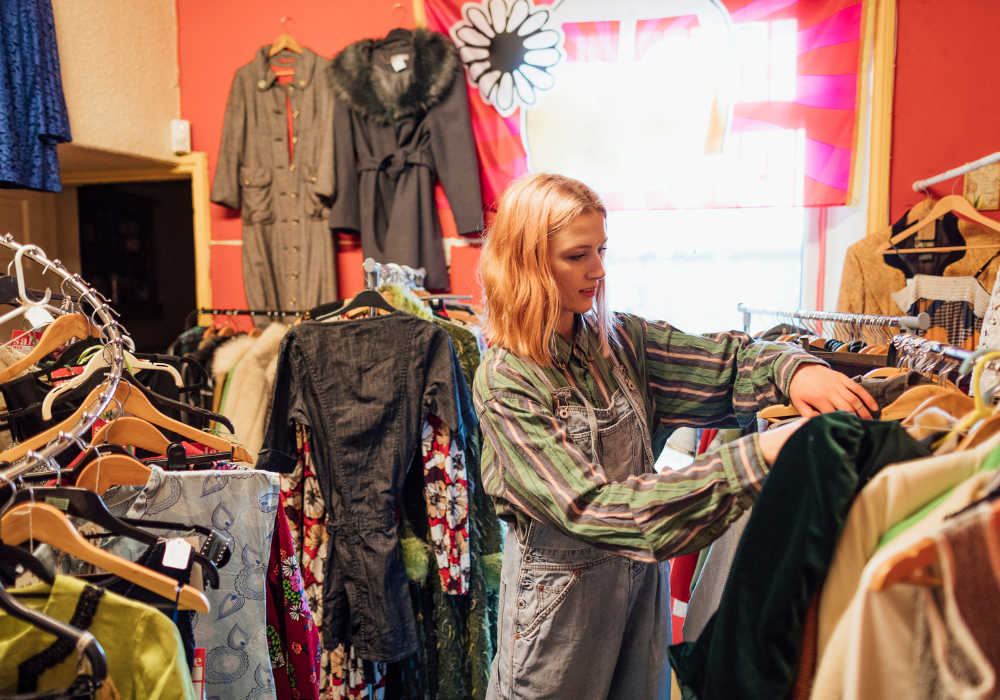
Boomers knew that great finds didn’t always come with a brand-new tag. They frequently shopped at thrift stores, scoured garage sales, and gladly accepted hand-me-downs. This wasn’t just about affordability—it was a practical, community-oriented approach to getting what you needed without overspending. Clothing, furniture, toys, and tools often had second, third, or even fourth lives in Boomer households.
Today, secondhand shopping is not only thrifty—it’s trendy. With the rise of apps like Poshmark, Facebook Marketplace, and ThredUp, the hunt for quality used goods has moved online. These platforms provide easy access to deals and unique items that add charm and function to your home. Whether you’re dressing your kids, decorating on a budget, or furnishing a new apartment, secondhand finds make it possible to live stylishly and affordably.
5. Growing your own food reduces grocery bills.

Boomers learned to plant their own food during tough times, and many continued the tradition even when it wasn’t necessary. Gardens sprouted in suburban yards and apartment balconies alike. By growing vegetables, herbs, and even fruits, they lowered grocery bills and ensured a steady supply of fresh produce. Tomatoes, lettuce, and green beans became kitchen staples straight from the backyard.
Even now, gardening remains a practical and therapeutic way to nourish your family on a budget. Seed packets are inexpensive, and container gardening allows you to grow herbs or lettuce on a patio or windowsill. Community gardens are also a great way to learn and share resources with others. The sense of satisfaction from harvesting your own food isn’t just emotional—it’s financial, as the savings on produce accumulate quickly.
6. Saving for big purchases instead of using credit prevents debt.

One of the most admirable traits of Boomer-era budgeting was patience. Rather than rushing into debt for new furniture, electronics, or vacations, they saved intentionally. This practice not only prevented interest payments but also made the final purchase more meaningful. Waiting for what you want builds appreciation and encourages thoughtful spending.
Today, setting up sinking funds—where you allocate small amounts monthly toward a larger purchase—revives this old-school wisdom. Whether you use labeled envelopes or dedicated savings accounts, the principle remains the same: don’t buy what you can’t afford. By living within your means, you reduce financial stress and protect your future from the burden of unnecessary debt.
7. Making your own cleaning products saves money and is eco-friendly.

Many Boomers cleaned their homes with simple, affordable items found in every kitchen. Vinegar, baking soda, lemon juice, and a little elbow grease did the work of pricey name-brand cleaners. These ingredients remain effective today and are much gentler on both your wallet and the environment. Making your own cleaners not only costs pennies per batch but also avoids harsh chemicals that can harm indoor air quality.
Modern DIY cleaning solutions are easy to find online and often just as effective as commercial ones. You can mix all-purpose sprays, window cleaners, and deodorizers with just a few natural ingredients. By embracing these practices, you reduce your reliance on plastic packaging and lower your household expenses—two wins in one simple shift.
8. Carpooling and public transportation cut transportation costs.

Boomers often shared rides to school, work, or errands without giving it much thought—it was simply a smart use of time and gas. Today, this frugal practice is more accessible than ever thanks to ride-sharing apps, regional transit options, and workplace carpool programs. These solutions can reduce the wear and tear on your vehicle, decrease fuel expenses, and even extend the life of your car.
Public transit passes, bike shares, or combining trips also cut commuting costs dramatically. In many cities, incentives and discounts are available for riders who regularly use trains or buses. Beyond saving money, these transportation choices reduce stress and environmental impact. Whether commuting or running errands, collaborative travel remains a highly practical habit inspired by the past.
9. Buying in bulk lowers per-unit costs.

Boomers understood the power of buying in volume, especially for items with a long shelf life. Bulk purchases of flour, sugar, canned goods, or toiletries allowed them to pay less per unit and shop less often. This habit works best when paired with proper storage, meal planning, and attention to expiration dates.
Modern bulk shopping at warehouse stores or co-ops offers even greater savings potential. Buying large bags of rice or packs of paper goods is economical—especially for larger families or those who share with neighbors. Just remember that buying in bulk is only frugal if the products get used, not wasted. Track usage, split with friends, and keep a running list of what’s running low.
10. DIY gifts and projects save money and add a personal touch.
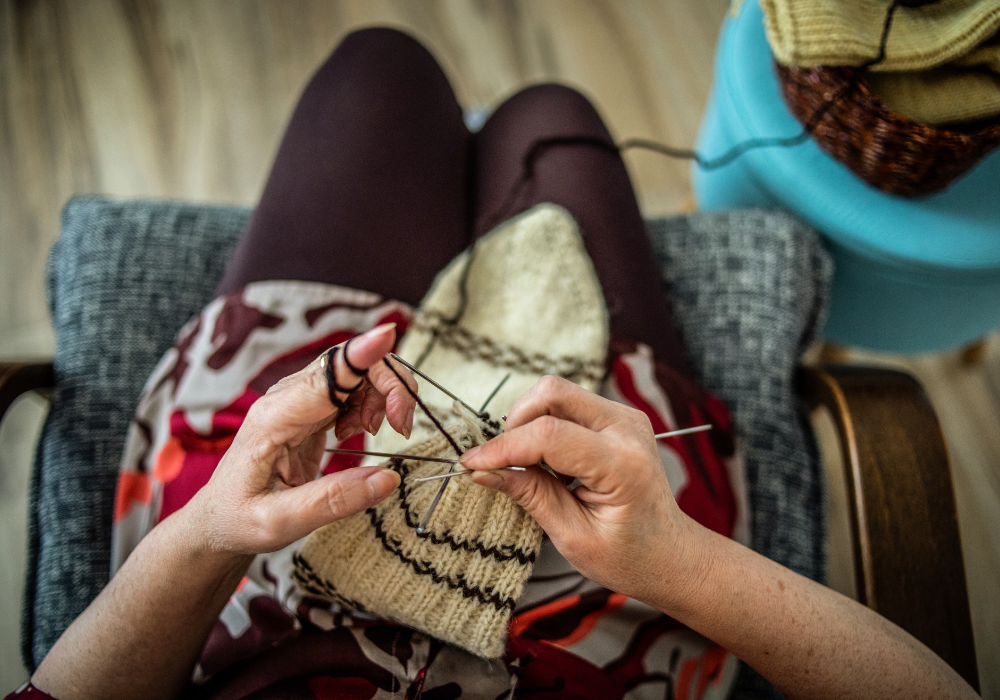
Instead of expensive store-bought items, Boomers often gave homemade gifts crafted with love. Whether it was a batch of cookies, a hand-knit scarf, or a photo album, these gestures were deeply personal and budget-friendly. DIY gifts allowed families to celebrate holidays and birthdays without financial strain.
This tradition is more valuable than ever in today’s consumer-driven world. Creating something with your own hands shows thoughtfulness and care—often more than a price tag can convey. Online tutorials and social media are filled with inspiration for modern handmade gifts. Whether it’s crafting a candle, painting a mug, or printing a custom calendar, your effort speaks volumes.
11. Using coupons and shopping sales helps stretch every dollar.
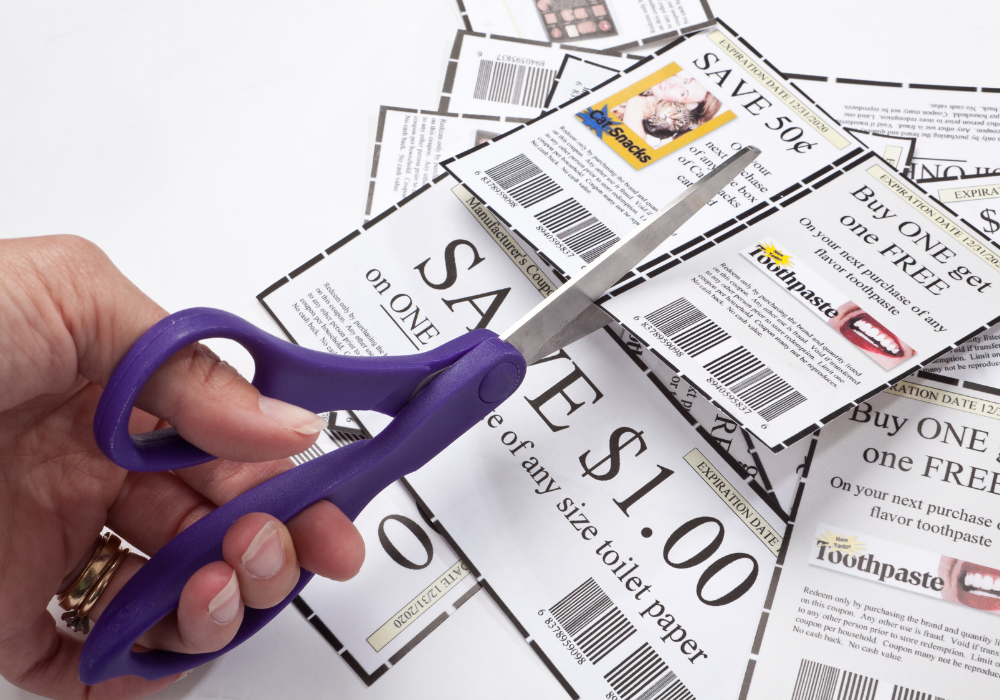
Boomers clipped coupons diligently from newspapers and mailed flyers, building grocery lists around what was on sale. That same practice, now powered by technology, remains incredibly effective. Apps like Honey, Rakuten, or grocery store reward programs make it easier than ever to track discounts, compare prices, and score cashback.
Pairing coupons with sale cycles leads to deep savings over time. It requires a little planning and organization, but the payoff is worth it. By creating your shopping list with deals in mind, you reduce impulse purchases and keep your budget under control. It’s not just about frugality—it’s about being an empowered, informed consumer.