
Woodstock was all about peace—Coachella is all about the perfect Instagram shot.
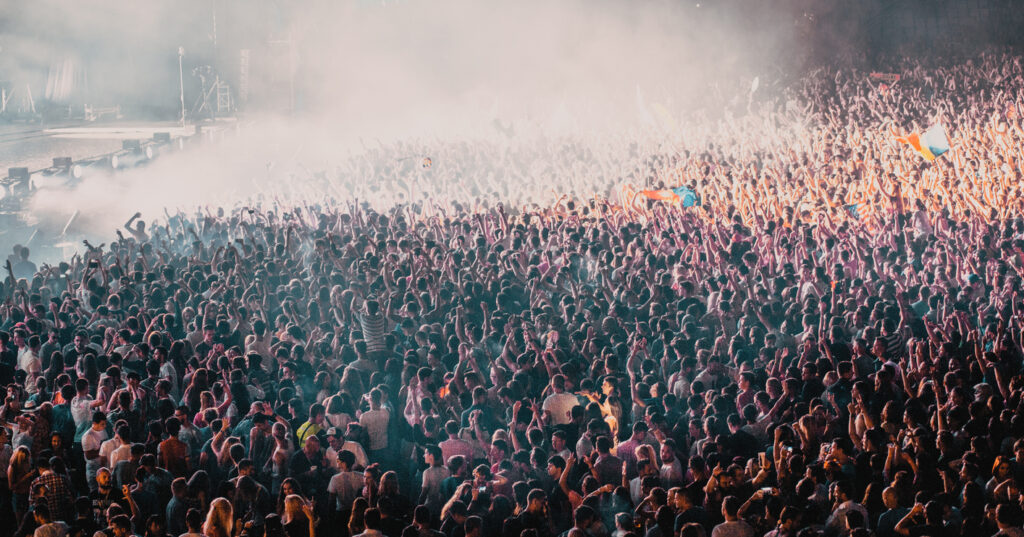
Counterculture isn’t dead; it just changed outfits. What started with mud-soaked fields, flower crowns made of actual flowers, and rebellious anthems blasting through Woodstock’s crowds has morphed into influencer-packed desert parties with curated aesthetics. But underneath the glitter and filter-perfect sunsets, Coachella still echoes the same spirit: questioning the norm, defying expectations, and chasing authenticity. It’s not about which era did it better—it’s about how counterculture values evolved, shaped by the times and technologies.
The message is still there. It just swapped tie-dye for boho chic and protest signs for viral posts.
1. The anti-establishment vibe went from political protests to brand partnerships.
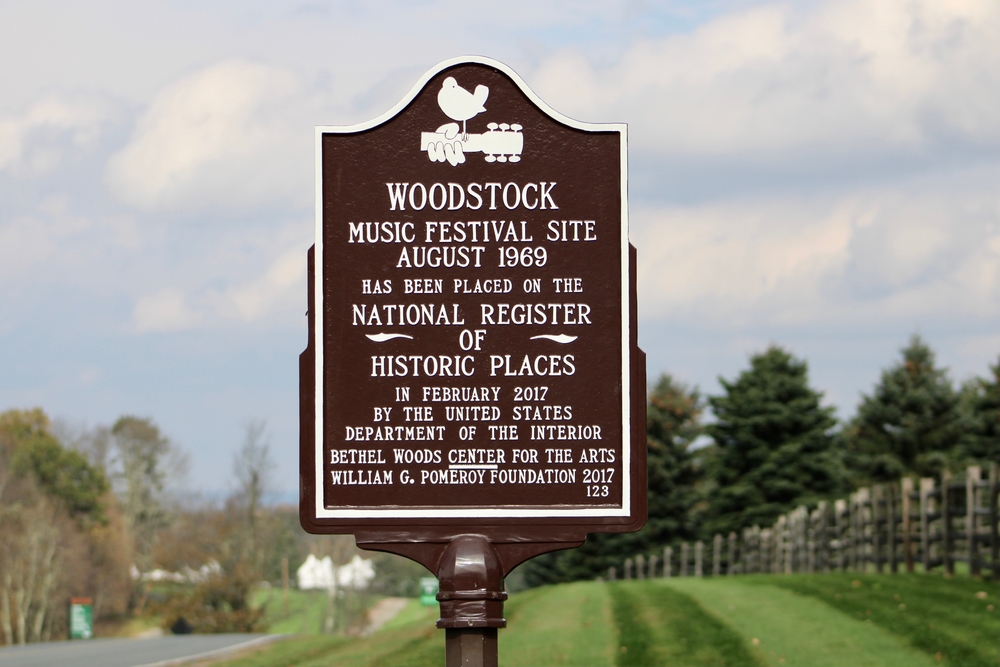
Woodstock was fueled by anti-war protests, civil rights movements, and a deep distrust of government authority. It wasn’t just a music festival—it was a rebellion set to a soundtrack. The people who gathered weren’t looking for luxury; they were seeking change, armed with slogans, songs, and the hope that their voices could shift society’s gears.
Fast-forward to Coachella, where the spirit of rebellion wears a different face. Festival-goers might not be waving protest signs, but they’re still challenging norms—this time through self-expression, breaking fashion rules, and rejecting traditional career paths. Ironically, the event thrives on corporate sponsorships, blurring the lines between rebellion and capitalism. Yet, in an age where personal branding is everything, maybe defying convention looks less like burning bras and more like curating your own narrative, even if there’s a hashtag involved.
2. Peace and love turned into self-love and wellness culture.

At Woodstock, “peace and love” wasn’t just a slogan—it was a way of life. The counterculture of the ‘60s emphasized communal living, universal compassion, and a belief that humanity could unite under a shared desire for harmony. It was about dropping out of the system and dropping into a sense of collective consciousness.
Coachella’s crowd might not chant for world peace, but they’re big on self-love, mental health awareness, and wellness culture. Yoga sessions, mindfulness apps, and plant-based everything dominate the scene. It’s less about changing the world as a whole and more about healing yourself first. In a way, that’s still revolutionary. The idea that personal growth and self-care can be forms of resistance is a modern twist on the ‘60s mantra: peace starts within.
3. Music went from protest anthems to personal empowerment bangers.

Woodstock was packed with protest anthems—songs that spoke directly to the issues of the time. Bob Dylan’s lyrics, Jimi Hendrix’s searing guitar solos, and Joan Baez’s folk ballads weren’t just performances; they were rallying cries against war, inequality, and societal norms. Music had a mission, and every note felt like part of a larger revolution.
Coachella’s playlists lean more toward personal empowerment anthems than overt political messages. Artists focus on identity, mental health, and self-expression. While you’re less likely to hear a song explicitly condemning government policies, the themes still challenge the status quo—just on a more individual level. Tracks about self-discovery, resilience, and authenticity create a different kind of rebellion, one that champions the freedom to be unapologetically yourself.
4. Free love became fluid identities.

In the ‘60s, “free love” was a bold rejection of traditional relationship norms. It challenged monogamy, embraced sexual liberation, and defied the conservative values that dominated post-war America. It was about breaking free from repression and exploring love without boundaries.
Today, the evolution of that idea is reflected in fluid identities—sexual, gender, and otherwise. Coachella’s crowd is a vibrant mosaic of people who don’t feel the need to fit into predefined boxes. The language has changed, but the message remains: love who you want, be who you are, and don’t apologize for either. It’s a continuation of that same spirit, just with more inclusive labels and less societal pushback.
5. Communal living evolved into digital communities.

Woodstock’s attendees often lived in communes, shared resources, and embraced face-to-face connections. It was all about physical togetherness—a tangible, real-world sense of community built around shared ideals and collective living.
Coachella-goers may not live together on communes, but they’ve created digital communities that transcend geography. Social media connects like-minded people across the globe, building virtual tribes based on interests, causes, and aesthetics. The medium is different, but the goal is the same: finding your people, even if you’ve never met them IRL.
6. Psychedelic exploration shifted to mindfulness and microdosing.
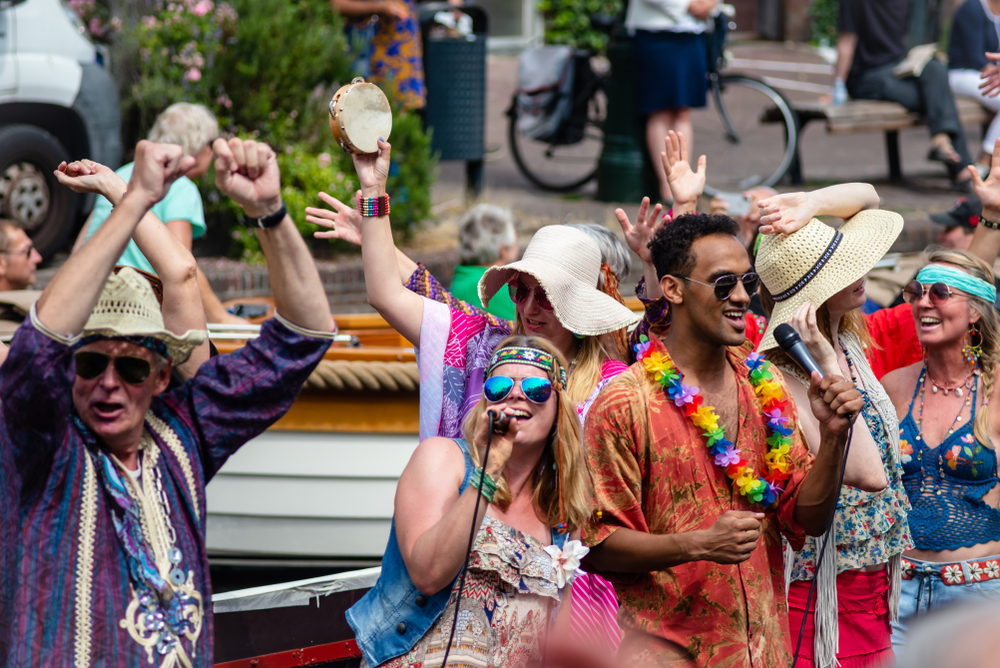
Woodstock’s counterculture was synonymous with psychedelic exploration. LSD, mushrooms, and other hallucinogens were viewed as tools for expanding consciousness, breaking down mental barriers, and rejecting the rigid structures of mainstream society.
Modern festival culture still embraces mind-altering experiences, but with a more intentional twist. Microdosing psychedelics, practicing mindfulness, and exploring plant-based medicines are part of a wellness movement rather than an outright rebellion. The focus isn’t just on escaping reality—it’s about enhancing it, improving mental health, and fostering creativity. The psychedelic journey has shifted from wild experimentation to thoughtful exploration.
7. Anti-war activism became climate activism.
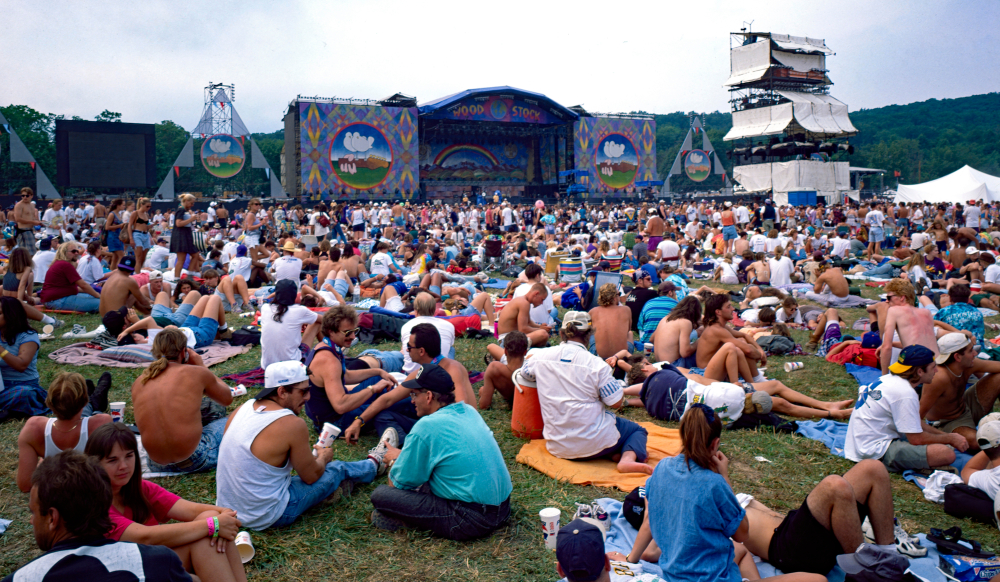
Woodstock’s heart beat with anti-war activism. The Vietnam War was a defining issue, sparking protests, sit-ins, and songs that captured the fear, anger, and hope of a generation desperate for change.
While Coachella doesn’t rally against war in the same way, climate activism is the cause that unites today’s youth. Environmental consciousness is woven into festival culture through sustainability initiatives, eco-friendly fashion, and climate-focused art installations. The fight has shifted from battlefields to the planet itself, with activism taking the form of lifestyle choices and global movements like Fridays for Future.
8. The rejection of materialism became curated minimalism.
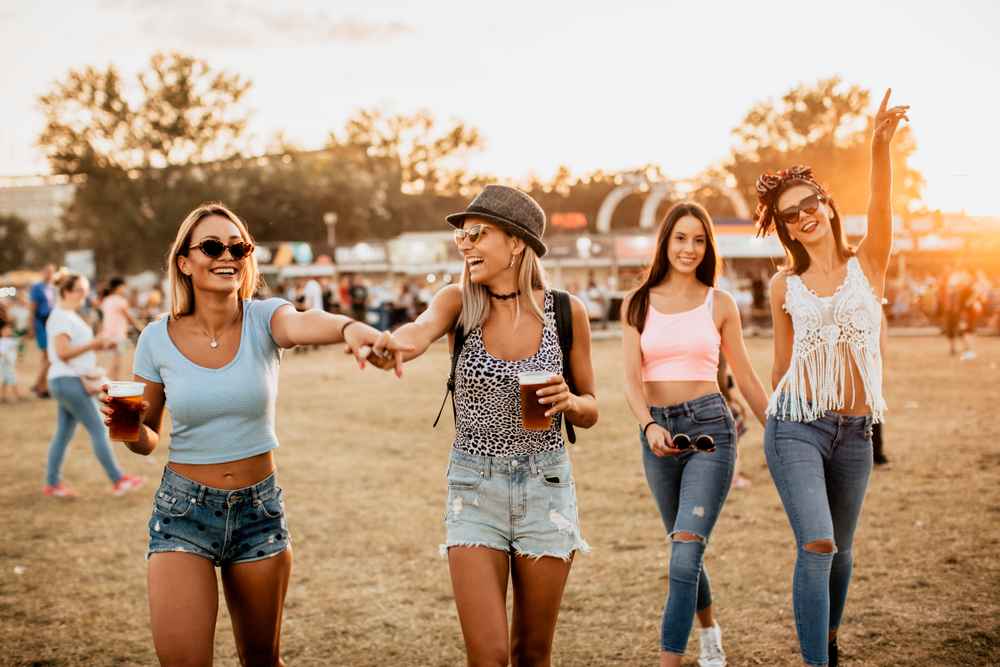
In the ‘60s, rejecting materialism meant living simply, owning little, and valuing experiences over possessions. It was a rebellion against consumer culture and the idea that happiness could be bought.
Coachella’s aesthetic might look materialistic on the surface—designer outfits, luxury accommodations—but it’s often rooted in curated minimalism. The focus is on quality over quantity, intentional fashion choices, and sustainable living. Even the obsession with aesthetics reflects a desire for authenticity, stripping away excess to highlight individuality.
9. DIY counterculture turned into influencer-driven authenticity.
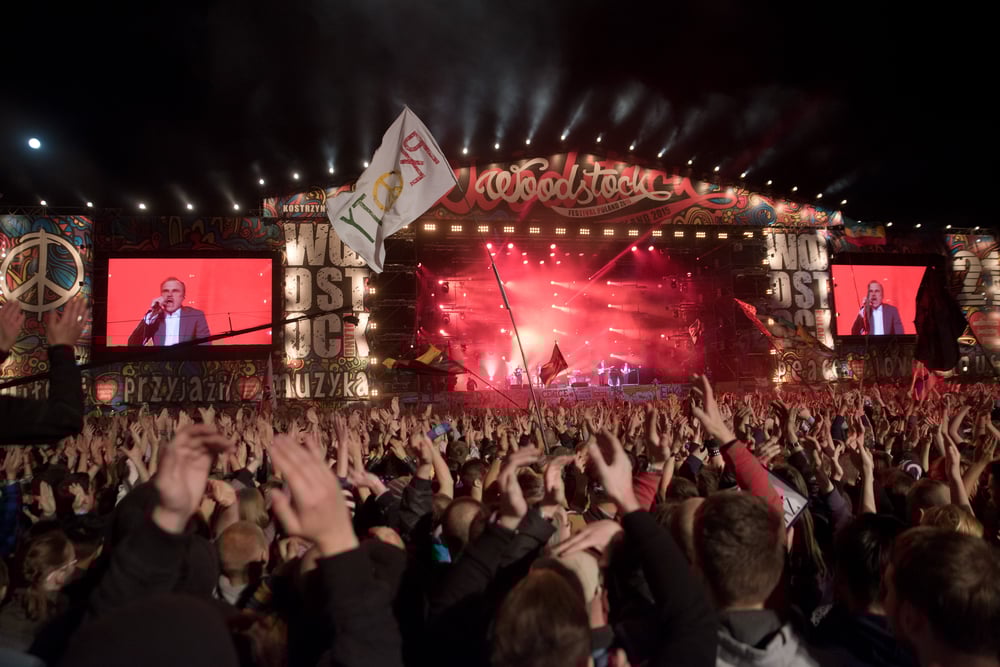
Woodstock was the ultimate DIY event. People built stages, organized gatherings, and created art without corporate sponsors or social media strategies. It was raw, unfiltered, and messy—and that was the point.
Coachella thrives in the era of influencers, where authenticity is still the goal, but it’s packaged differently. Social media personalities craft images that feel “real,” even when carefully curated. The paradox is that the desire for genuine connection remains, even when filtered through algorithms. Authenticity isn’t gone—it just wears makeup now.
10. Protest signs became viral hashtags.
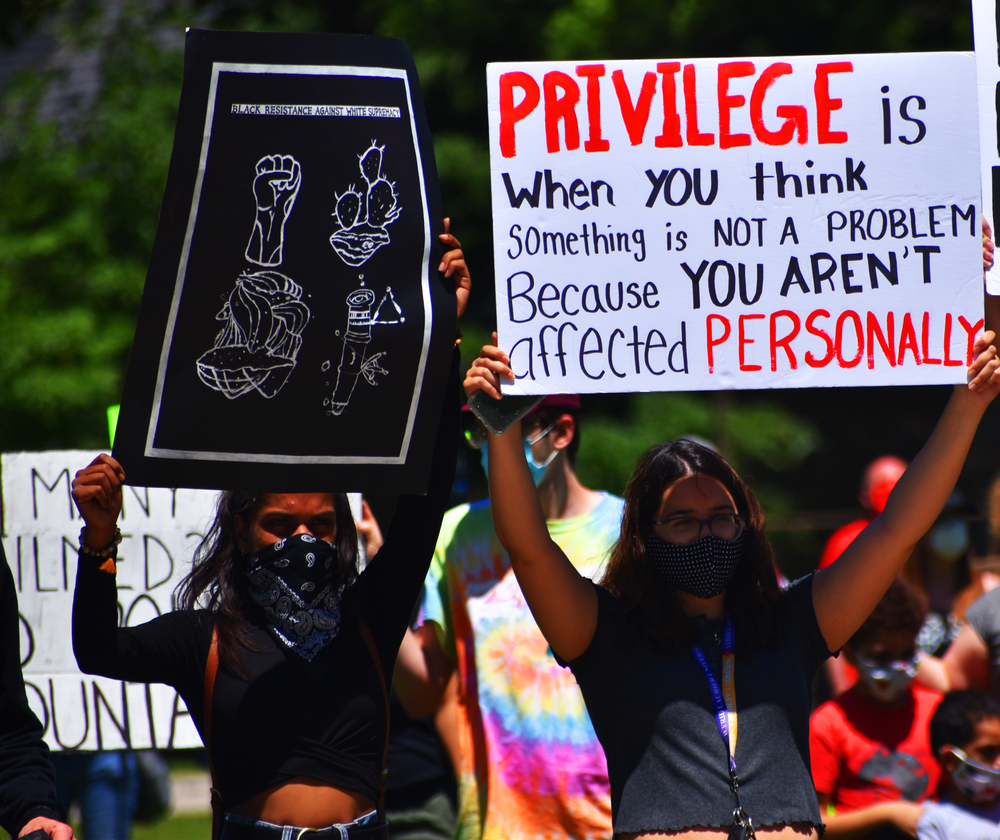
Back in the ‘60s, protest signs were literal—cardboard, markers, and bold slogans waved in the streets. Visibility meant showing up physically, chanting, and marching for change.
Today’s activism often starts online. A single hashtag can spark global movements, raise awareness, and mobilize people faster than any physical rally. Hashtags like #MeToo and #BlackLivesMatter prove that digital activism is powerful. The medium has evolved, but the message is just as loud—sometimes louder.
11. Counterculture fashion shifted from rebellion to personal branding.
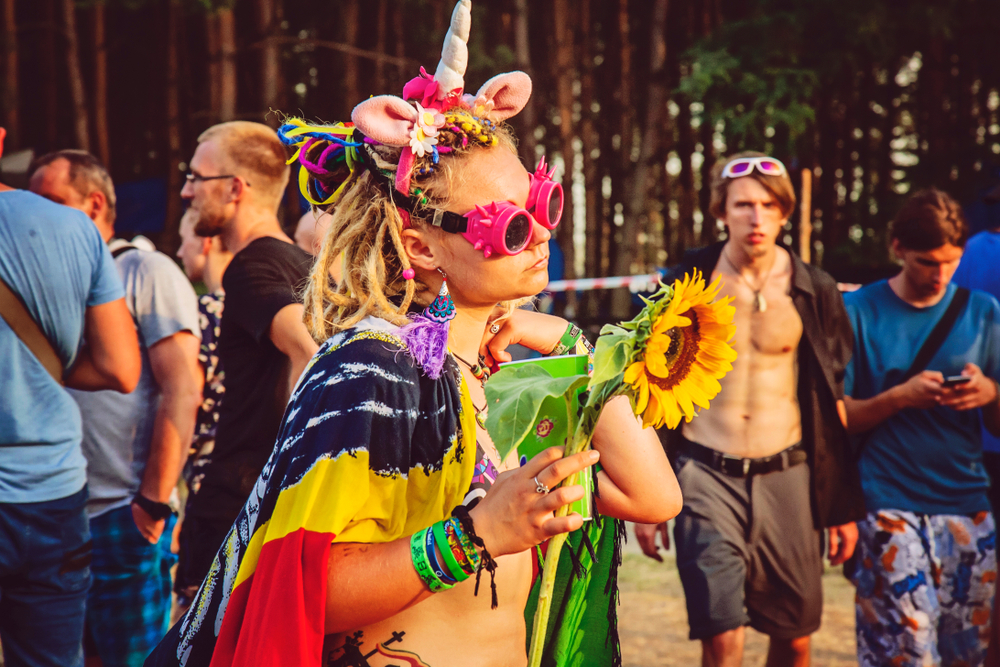
Woodstock’s fashion was anti-fashion. It rejected trends, embraced thrift, and symbolized rebellion against conformity. Tie-dye shirts, bell-bottoms, and bare feet weren’t stylish—they were statements.
Coachella’s fashion is deliberate, often curated for maximum visual impact. But at its core, it’s still about rejecting norms—just in a different way. Personal style is a form of branding now, a way to express individuality in a world flooded with sameness. Fashion has evolved from rebellion to self-definition.
12. Hope for a better world became the hustle for a better self.
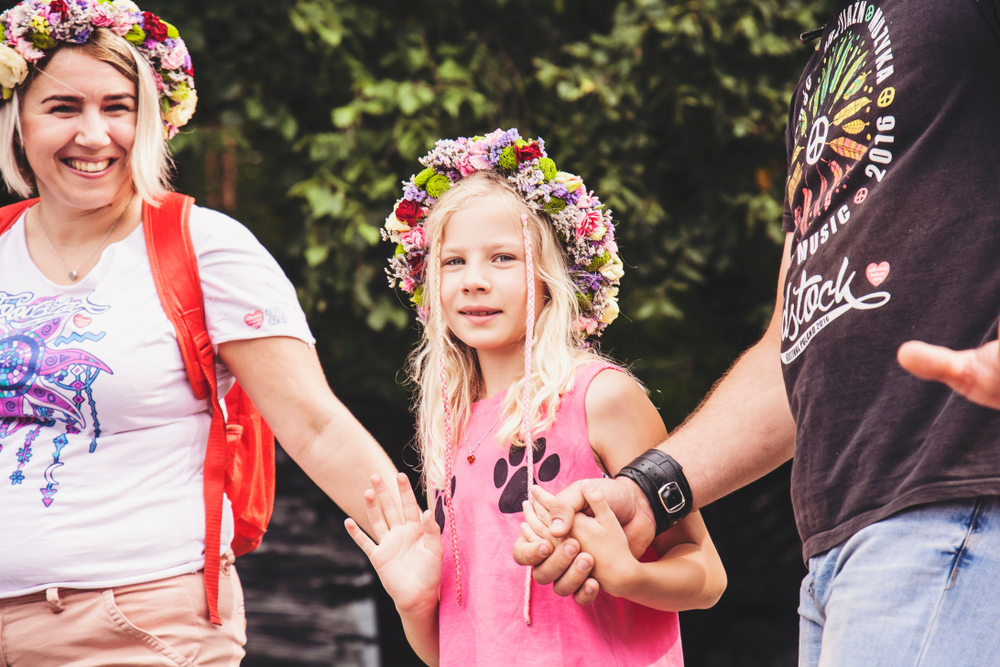
Woodstock was drenched in hope for a collective future—a belief that love, music, and activism could reshape the world. The focus was outward, on societal transformation.
Coachella reflects a shift inward. The hustle is about self-improvement, self-expression, and personal growth. It’s not that people don’t care about the world—it’s that they believe change starts with the individual. The revolution hasn’t disappeared; it’s just gotten personal.